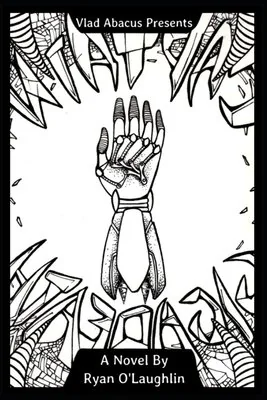
Captain Gigadeath
A manga creator's injury transforms her hero into a catalyst for real-world violence.
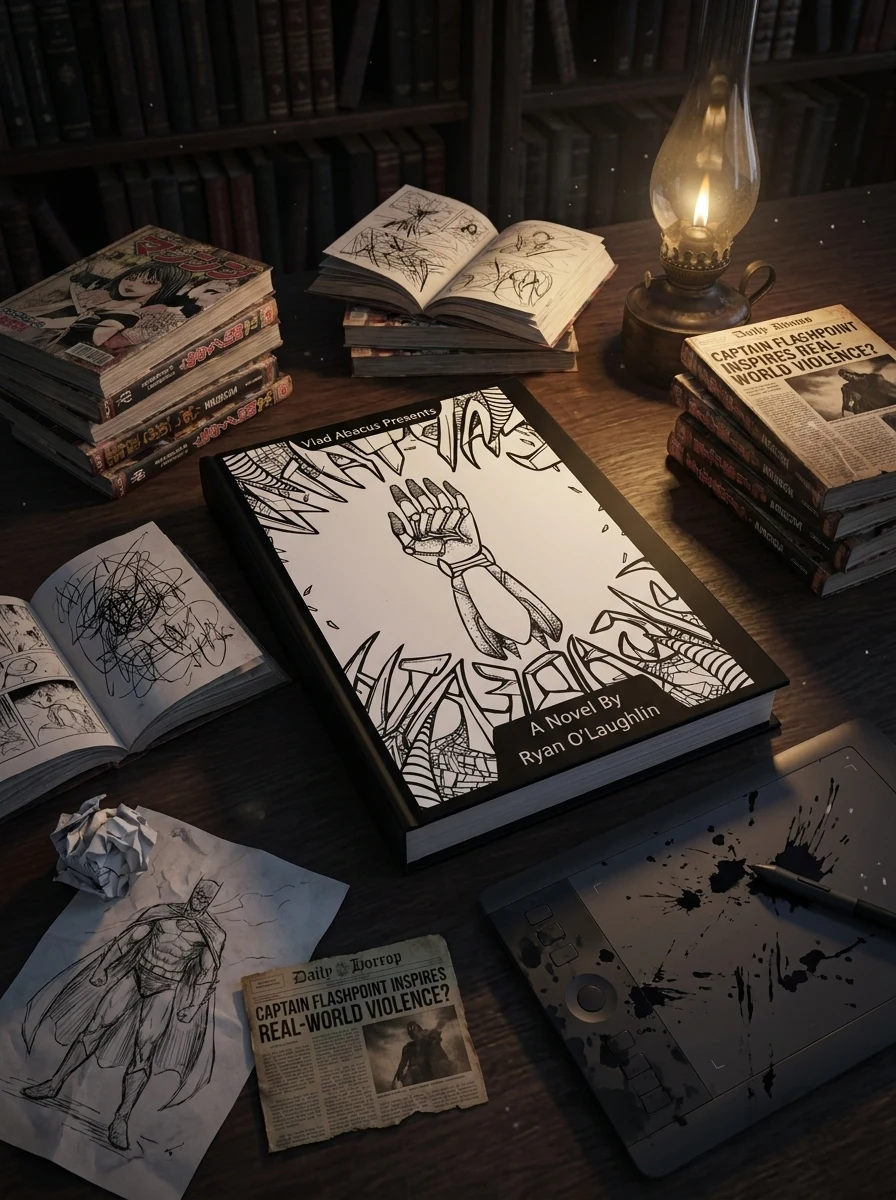
The narrative follows the descent of Captain Flashpoint from a symbol of hope to a harbinger of doom. O'Laughlin, the author, details how physical trauma reshapes artistic output and public perception. The story highlights the dangerous blur between fiction and reality when art reflects societal fears too accurately. It is not a celebration of heroism but an examination of how stories can inadvertently inspire harm. The work stands as a stark warning about the power of media in times of crisis.
Published in 2020, this work reflects contemporary anxieties surrounding gun violence and the responsibility of creators. It sits within the broader conversation about how transgressive art interacts with a society prone to stochastic terrorism. The book addresses the specific cultural moment where mass suicides and shootings began to intersect in public discourse.


📝 Description: Captain Gigadeath
💎 Our verdict on Captain Gigadeath
📖 Why choose it
Why this book is worth reading
Readers interested in the psychological impact of media and the ethics of creative expression will find this book compelling. It appeals to those who appreciate dark, minimalist tragedies that blur the line between fiction and reality. The narrative offers a stark warning about the power of art during times of crisis, making it valuable for sociologically minded horror fans. It is ideal for individuals seeking stories that examine unintended fallout rather than traditional heroism. Those who enjoy exploring how societal fears are reflected in cultural output will gain insight here. The book challenges readers to consider how transgressive art can influence stochastic terrorism. It provides a bleak but thought-provoking look at the responsibilities of creators and the vulnerability of audiences.
⭐ Reader reviews
Reader rating
O'Laughlin crafts a minimalist tragedy that effectively explores the terrifying consequences of artistic transformation. By focusing on the creator's physical trauma and its impact on her work, the narrative highlights how stories can inadvertently inspire harm. The book succeeds in drawing on gothic horror traditions to examine the blur between transgressive art and real-world violence. It suits readers interested in comic book culture and social commentary, offering a grounded perspective on an artist losing control of her creation. However, those seeking lighthearted adventures or clear moral boundaries may find it too bleak. The work stands as a powerful examination of media's role in crisis, appealing to fans of psychological horror who appreciate nuanced discussions on the power of storytelling and its dark potential.