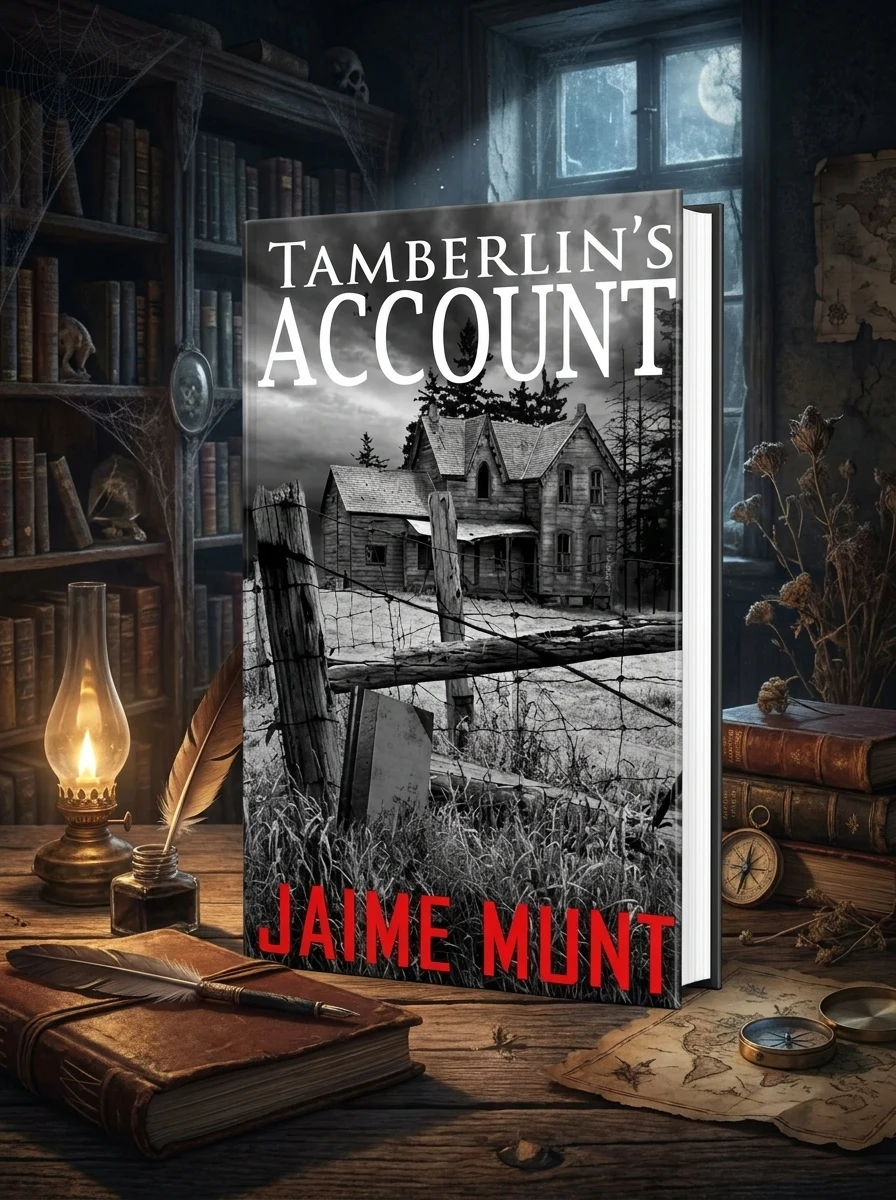
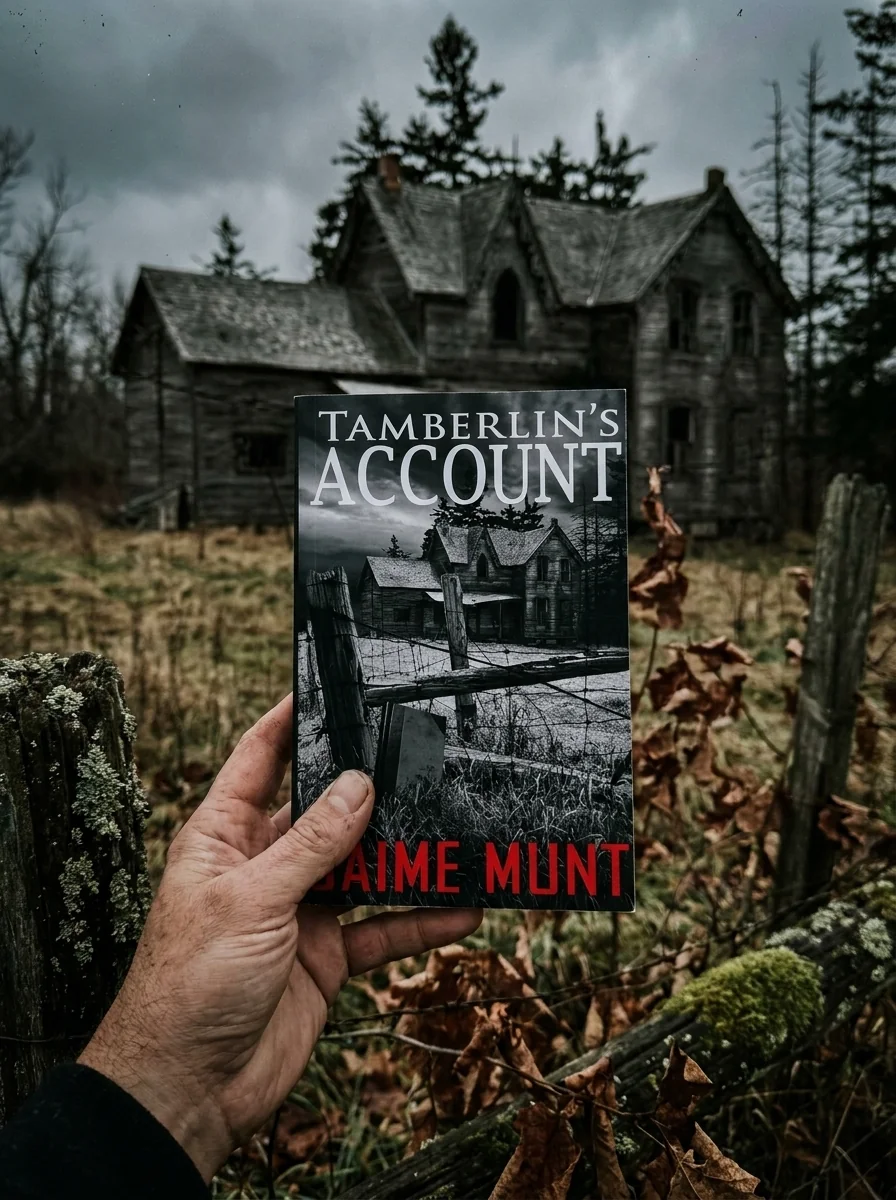
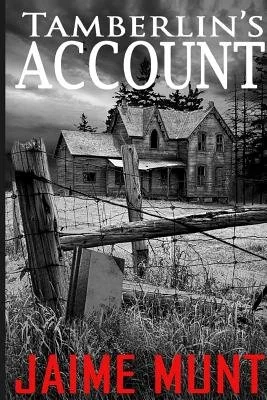
Tamberlin's Account
A psychological journal of the last survivor in a zombie apocalypse.
Jaime Munt writes a diary-style narrative following Tamberlin, the final human alive among the dead. The text offers a philosophical and psychological view of existence rather than action. It covers the burden of memory and the struggle to find meaning when survival is the only goal. The author qualifies as the creator of this intimate portrait. The story draws on gothic traditions of isolation and supernatural dread. It organizes its content through personal entries that reveal the protagonist's internal state. This approach highlights the emotional cost of enduring a bleak future. Readers interested in character depth will find value here. Those seeking traditional horror tropes or rapid pacing may find it too slow. The narrative remains focused on the quiet desperation of daily existence.
Published in 2014 by Jaime Munt, this work sits within the tradition of psychological horror and supernatural fiction. It reflects a period where zombie narratives often shifted from action to introspection. The book appeals to American readers seeking depth over spectacle in dystopian storytelling.


📝 Description: Tamberlin's Account
💎 Our verdict on Tamberlin's Account
📖 Why choose it
Why this book is worth reading
Readers seeking a profound, human-centered exploration of existence will find value in this intimate portrait. It suits those interested in the emotional cost of enduring a bleak future and the burden of memory when survival is the sole objective. The narrative offers a grounded look at the mental toll of isolation rather than providing high-octane thrills. If you appreciate character depth and philosophical inquiry over rapid pacing, this diary-style account delivers an immersive experience into quiet desperation. It appeals to those who wish to understand the struggle to find meaning in a world overrun by the undead, focusing on resilience and the unflinching reality of daily survival.
⭐ Reader reviews
Reader rating
Munt crafts an unflinching portrait of isolation, prioritizing psychological exploration over traditional horror tropes. The diary format effectively immerses readers in the nightmare of being the last living person, highlighting the weight of a haunting past. While it lacks action, the narrative succeeds in examining whether holding onto life is justified when little remains to live for. This approach reveals the protagonist's internal state with clarity and depth. It suits readers interested in character-driven dystopian tales who value philosophical reflection. Those expecting over-the-top thrills may find it too slow, but fans of gothic isolation will appreciate its quiet desperation and emotional resonance.
You might also like
See more →



Have a question about this item?
Ask about the edition, condition, delivery or anything else — we reply by email or phone, usually within a day.
