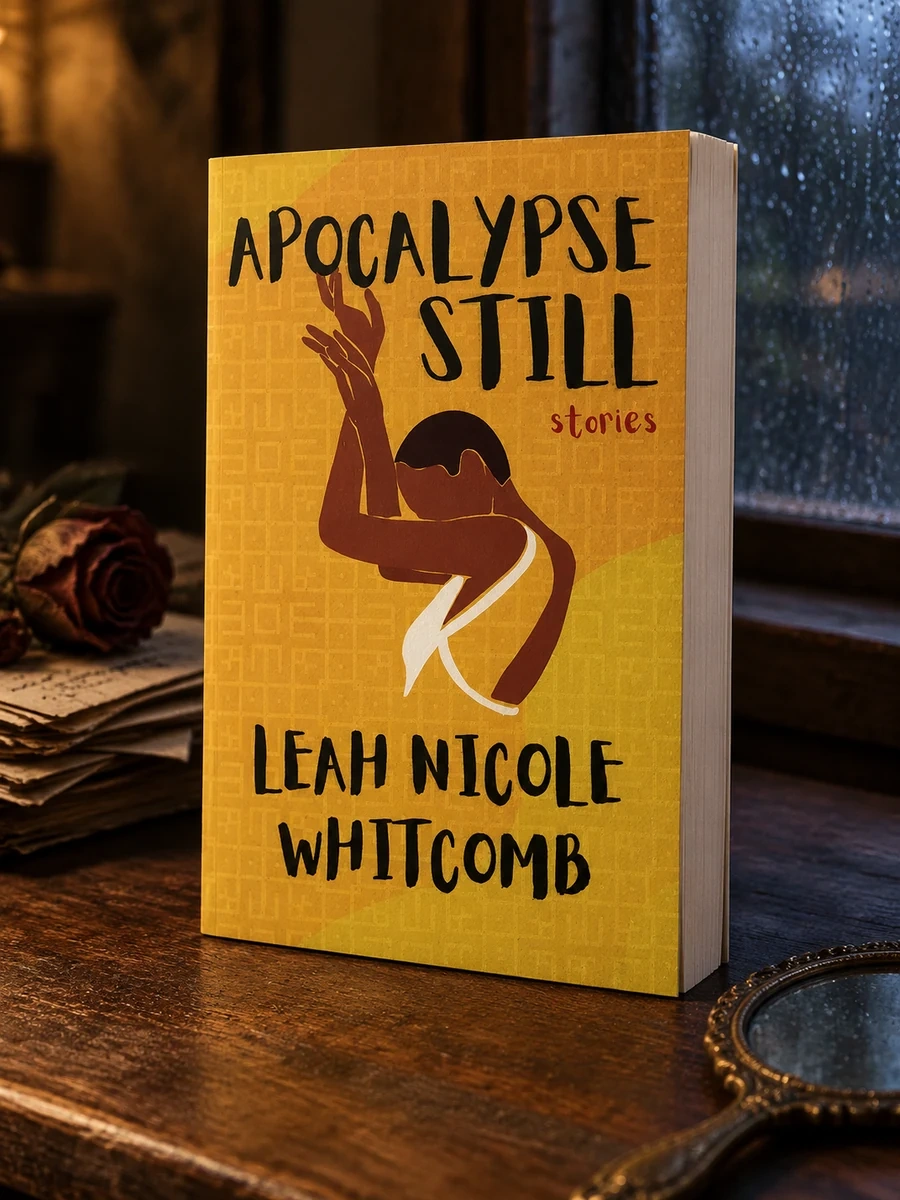
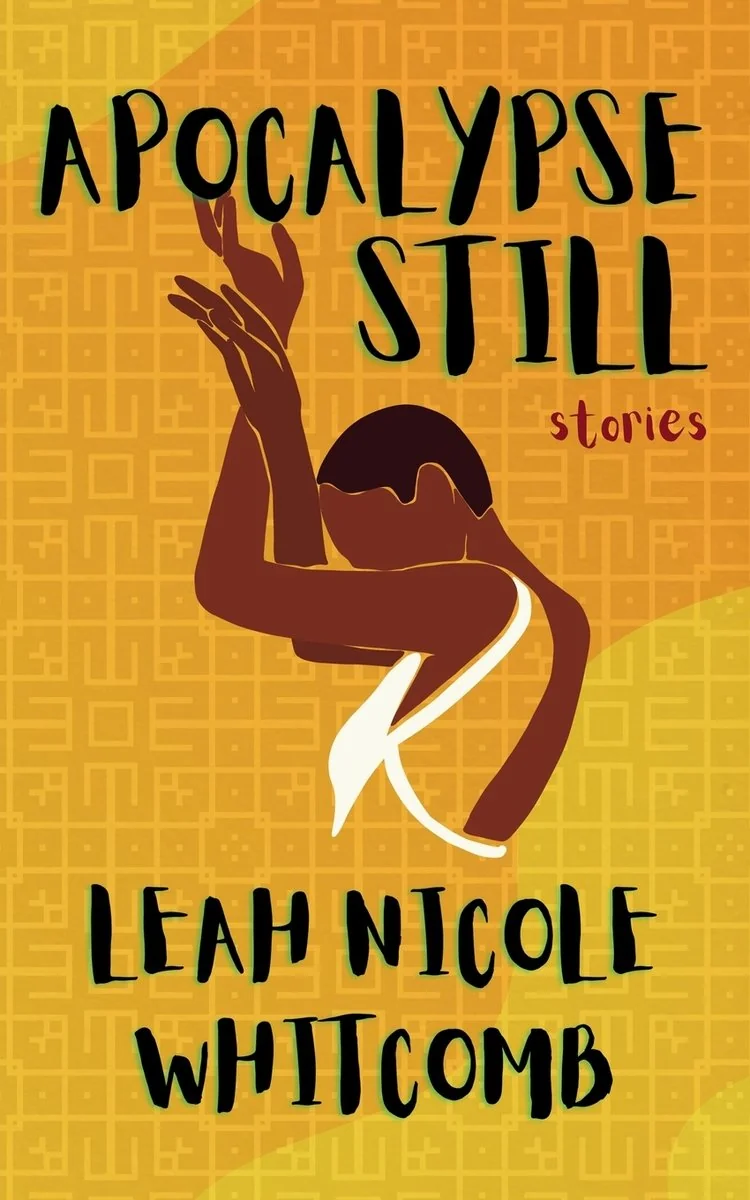
Apocalypse Still: Stories
Ten stories of Black women surviving apocalyptic worlds through community and ancestral gifts.
This collection focuses on the specific fears and hopes of its protagonists as they navigate world-ending events. Whitcomb creates scenarios where societal norms have broken down, forcing characters to redefine their beliefs and relationships. The narratives range from superheroic battles to intimate time-travel romances and conspiracy thrillers. By centering Black women, the book offers a fresh perspective on genre tropes often dominated by other demographics. The stories are organized as standalone pieces, allowing each character’s journey to stand independently while contributing to the overall thematic weight of survival and resilience.
Published in 2024 by Starclay Publishing, this work sits within the tradition of speculative fiction that centers Black experiences. It draws on the legacies of authors like Octavia Butler and Tracy Deonn, addressing contemporary anxieties about government trust and social collapse through a lens of community and ancestral power.


📝 Description: Apocalypse Still: Stories
💎 Our verdict on Apocalypse Still: Stories
📖 Why choose it
Why this book is worth reading
Readers seeking fresh perspectives on genre conventions will find this collection rewarding. It appeals to those who enjoy speculative fiction where societal norms break down, forcing characters to redefine beliefs and relationships. By centering Black women, the book offers unique insights into survival, community, and ancestral gifts during world-ending events. Fans of Deesha Philyaw, Tracy Deonn, and Octavia Butler will appreciate the tender yet political tone. The narratives range from superheroic battles to intimate romances, providing diverse scenarios that explore rage and hope without offering easy answers.
⭐ Reader reviews
Reader rating
Whitcomb’s debut collection excels in weaving the grotesque with the beautiful, blending extraordinary events with mundane daily life. The stories effectively examine survival, belief systems, and trust within collapsing societies, highlighting community and ancestral gifts. While those seeking traditional horror without social commentary may find the tone too tender or political, fans of Black-centered speculative fiction will appreciate the depth. Each tale stands independently yet contributes to a broader conversation about identity and endurance in the face of global collapse.