Stigma
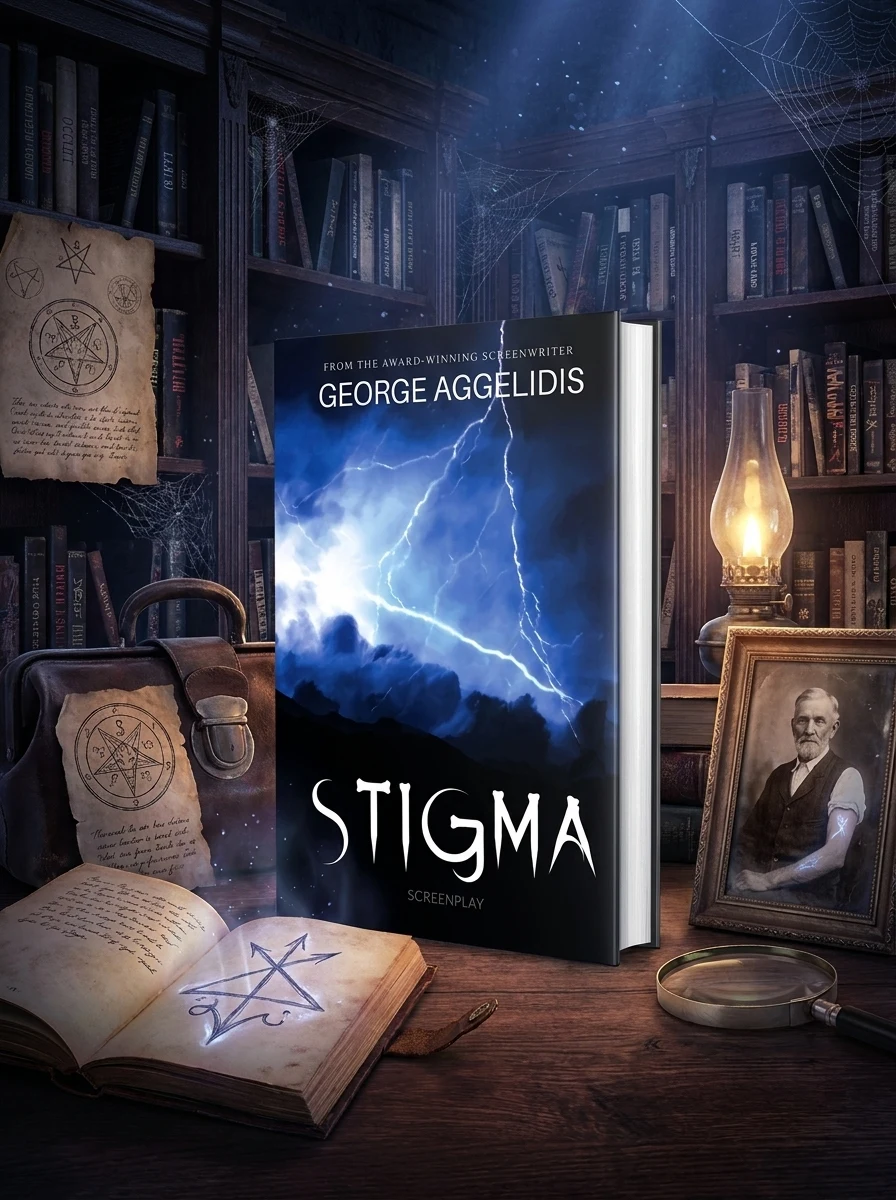
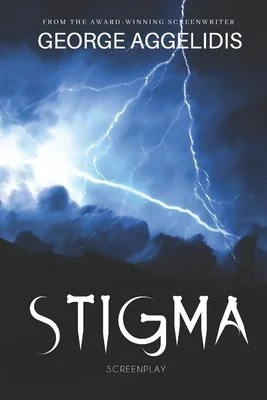
A granddaughter investigates her grandfather's illness through supernatural visions and demonic marks.
Alex discovers that saving her grandfather requires confronting a shared mark of the Devil. The narrative follows her descent into uncovering hidden truths about his history. Aggelidis uses this premise to explore guilt, legacy, and spiritual warfare. The story is not a mystery in the traditional sense but a psychological horror where the past actively harms the present. The stigma acts as a literal and metaphorical burden. Readers looking for a tight, character-focused horror story will appreciate the direct approach. The lack of extensive exposition keeps the pace urgent. This is a short, intense read for fans of modern gothic tales.
This title sits within the contemporary independent horror market, published in 2020. It reflects a trend of self-published works focusing on personal and familial curses rather than large-scale apocalyptic events. The setting is not specified beyond the domestic crisis, keeping the focus on the characters' internal and spiritual conflicts.


📝 Description: Stigma
💎 Our verdict on Stigma
📖 Why choose it
Why this book is worth reading
Readers seeking a short, intense horror experience will find this book compelling due to its urgent pace and lack of extensive exposition. It is ideal for those who appreciate character-driven dread over complex academic theory or traditional mystery structures. Fans of modern gothic tales and stories involving demonic influence or family secrets will gain from its direct approach. The narrative prioritizes visceral fear and personal stakes, offering a focused entry into the genre that explores guilt and legacy through a psychological lens rather than relying on expansive plot mechanics.
⭐ Reader reviews
Reader rating
Aggelidis delivers a tightly wound narrative where the past actively harms the present, creating a sense of inescapable burden. The story excels in its psychological depth, using the Devil's stigma as both a literal mark and metaphor for inherited trauma. While it lacks the complexity of traditional mysteries, its strength lies in its immediacy and emotional resonance. This book suits readers who prefer intense, character-focused horror with clear stakes. It avoids lighthearted entertainment, offering instead a visceral exploration of spiritual warfare. The urgent tone keeps the reader engaged without unnecessary digression.