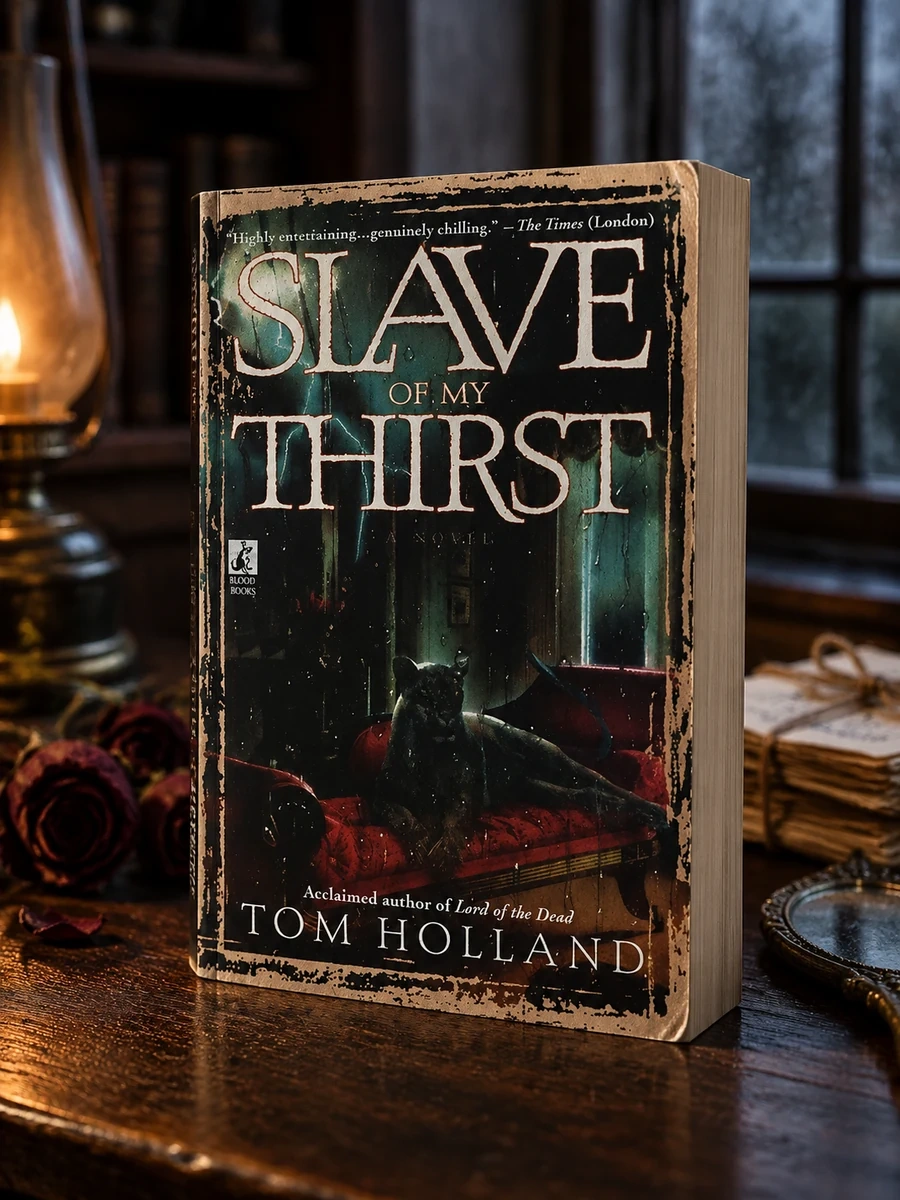

Slave of My Thirst
A gothic novel about Dr. Eliot and Lilah in 19th-century London.
This work examines the intersection of personal loss and moral decay in Victorian society. Holland portrays Dr. John Eliot’s quest for a missing friend as a descent into psychological turmoil. The character of Lilah acts as a catalyst, challenging Eliot’s self-control and revealing his darker nature. The narrative draws on gothic traditions to explore how seduction can be a form of violence. It does not rely on supernatural ghosts but on the haunting power of human desire. The setting of London provides a claustrophobic environment that mirrors Eliot’s internal state. Holland’s approach focuses on the erosion of ethical boundaries rather than physical danger. This makes the story relevant to readers interested in the history of psychological horror and the complexities of 19th-century social interactions.
The book is set in the back streets of nineteenth-century London, a period known for its stark social contrasts and emerging urban anonymity. This era provides the historical framework for the gothic elements, where the city’s shadows reflect the characters’ inner lives.


📝 Description: Slave of My Thirst
💎 Our verdict on Slave of My Thirst
📖 Why choose it
Why this book is worth reading
Readers interested in the history of psychological horror and the complexities of nineteenth-century social interactions will find this book compelling. It offers a nuanced examination of how seduction functions as a form of violence, moving beyond traditional supernatural ghosts to focus on the haunting power of human desire. Those who appreciate character-driven mysteries set within specific historical periods will enjoy the atmospheric tension and the exploration of moral ambiguity. The narrative appeals to individuals willing to engage with internal corruption and psychological turmoil rather than seeking fast-paced action or clear moral resolutions.
⭐ Reader reviews
Reader rating
Tom Holland effectively utilizes the fog-choked atmosphere of Victorian London to mirror Dr. Eliot’s internal psychological decay. By positioning Lilah as a catalyst for moral erosion, the narrative successfully blurs the lines between desire and destruction within a rigid social framework. This approach creates a claustrophobic environment that feels authentic to the gothic tradition while remaining distinct through its focus on human rather than external monsters. The book is best suited for readers who enjoy slow-burn psychological horror and historical settings. It may disappoint those seeking immediate gratification or definitive answers, as the story prioritizes the subtle, insidious nature of ethical collapse over physical danger.
📖 Read on the blog
✍️ More books by this author Tom Holland
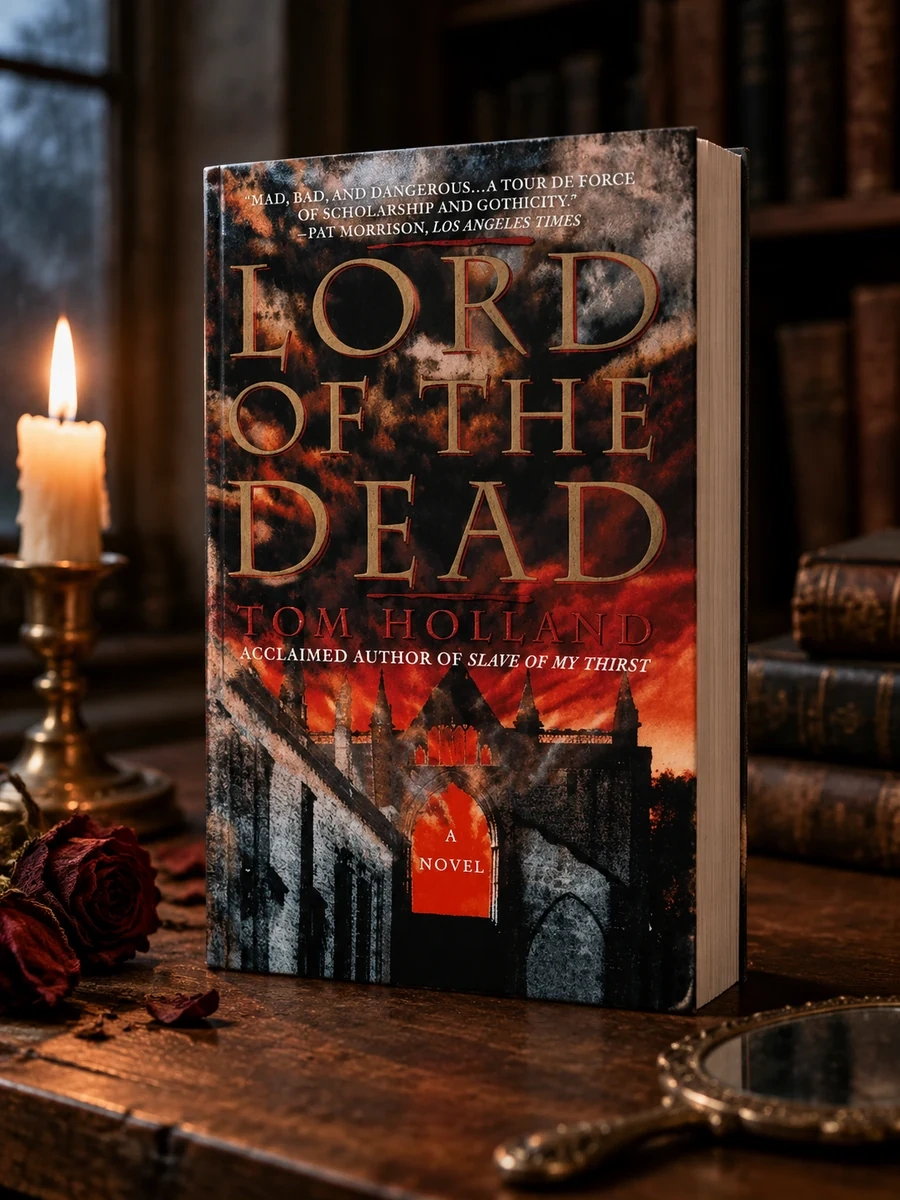


🏛 Books from this publisher Gallery Books

You might also like
See more →


Have a question about this item?
Ask about the edition, condition, delivery or anything else — we reply by email or phone, usually within a day.
