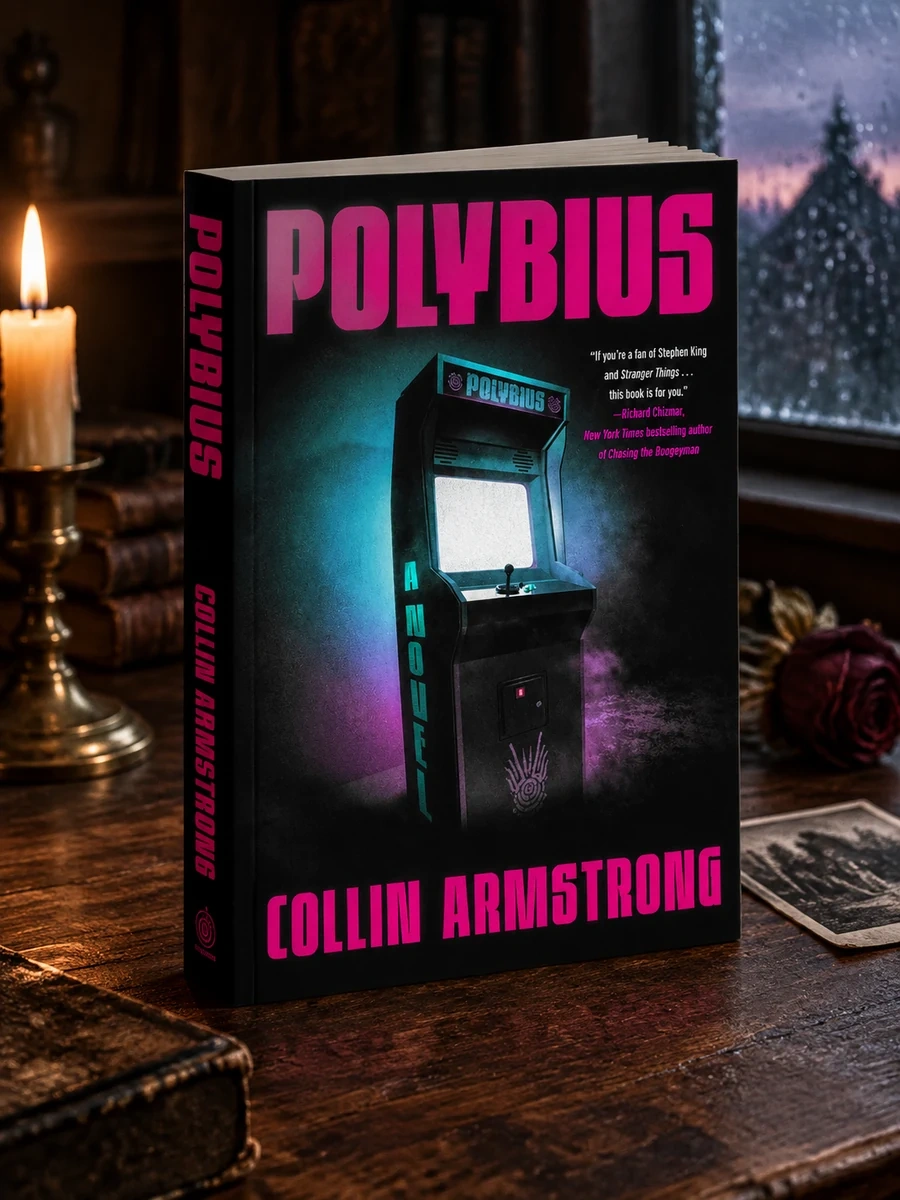
Polybius
A mysterious arcade game triggers paranoia in an isolated 1982 coastal town.
This novel centers on Andi, a tech-savvy teen navigating a forced relocation to Tasker Bay. Her routine at the local arcade is disrupted by Ro and the arrival of Polybius. The game acts as a catalyst for a supernatural outbreak that warps the minds of the townspeople. Armstrong uses the setting of a storm-battered seaside community to heighten the sense of entrapment. The plot relies on the gradual erosion of sanity rather than jump scares. It explores the tension between Andi’s desire for escape and her growing attachment to Ro.
Set in October 1982, the book reflects the era's fascination with emerging video game technology. It places this interest within a gothic tradition of isolated communities facing unseen threats. The narrative uses the specific time period to ground its supernatural elements in a recognizable historical context.


📝 Description: Polybius
💎 Our verdict on Polybius
📖 Why choose it
Why this book is worth reading
Readers who enjoy slow-burn psychological horror set in confined spaces will find this novel compelling. It offers a deep dive into the erosion of sanity rather than relying on jump scares, making it ideal for those who appreciate tension built through atmosphere and paranoia. The story effectively explores the tension between the desire for escape and growing attachment amidst chaos. Fans of 1980s tech culture and gothic isolation tropes will appreciate how Armstrong uses the setting to heighten entrapment. It suits audiences interested in how technology serves as a conduit for dread, providing an unsettling ambiguity that challenges traditional resolution expectations while maintaining a strong emotional core through character dynamics.
⭐ Reader reviews
Reader rating
Armstrong excels at weaving 1980s arcade nostalgia with creeping supernatural dread, creating a palpable sense of entrapment in Tasker Bay. The narrative focuses on Andi’s internal struggle against external chaos, offering a sophisticated examination of how technology can warp the mind. The gradual erosion of sanity is handled with precision, avoiding cheap scares in favor of psychological depth. This approach suits readers who prefer atmospheric horror over action-driven plots. While the ambiguity may unsettle those seeking clear resolutions, it effectively mirrors the theme of trust evaporating under pressure. The novel stands as a strong entry for fans of cosmic and psychological horror who appreciate nuanced character development within isolated, storm-battered settings.
📖 Read on the blog
✍️ More books by this author Collin Armstrong
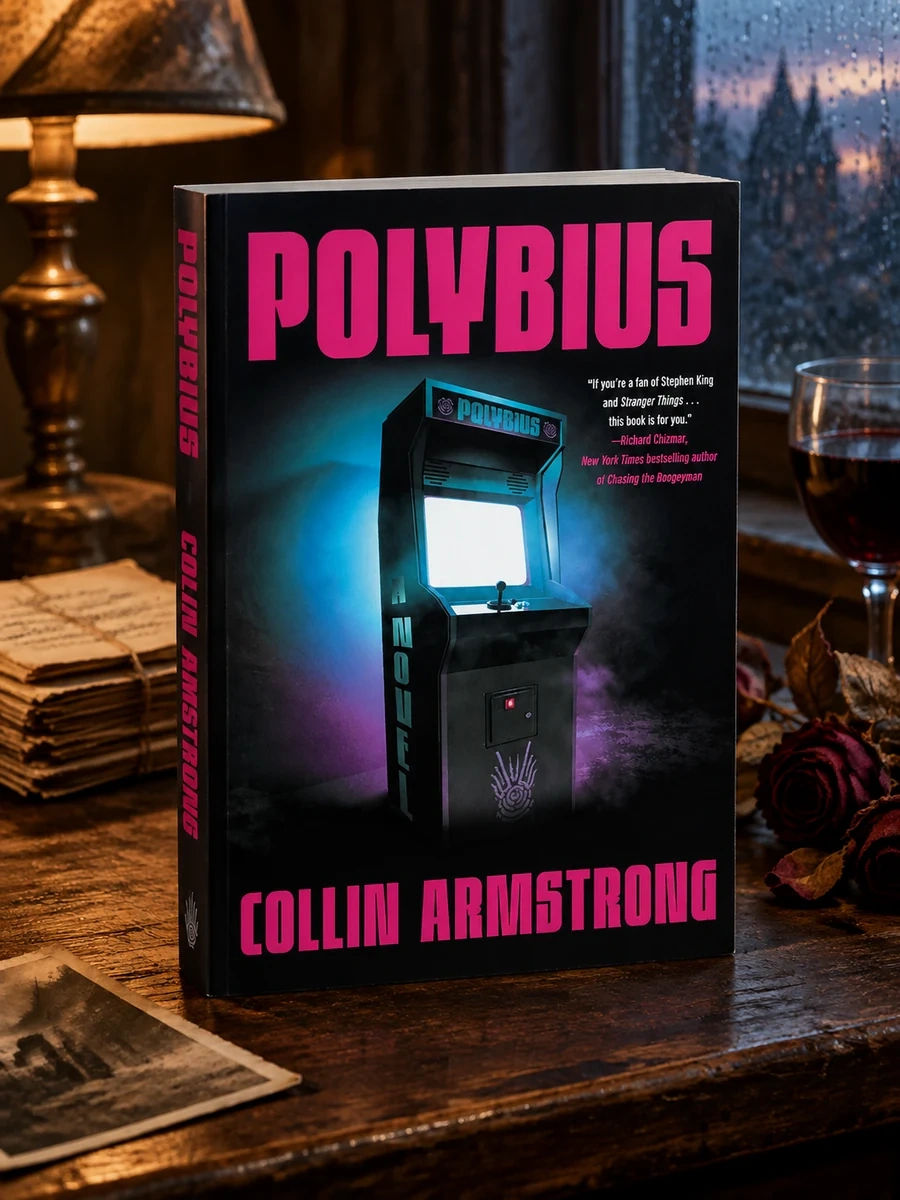


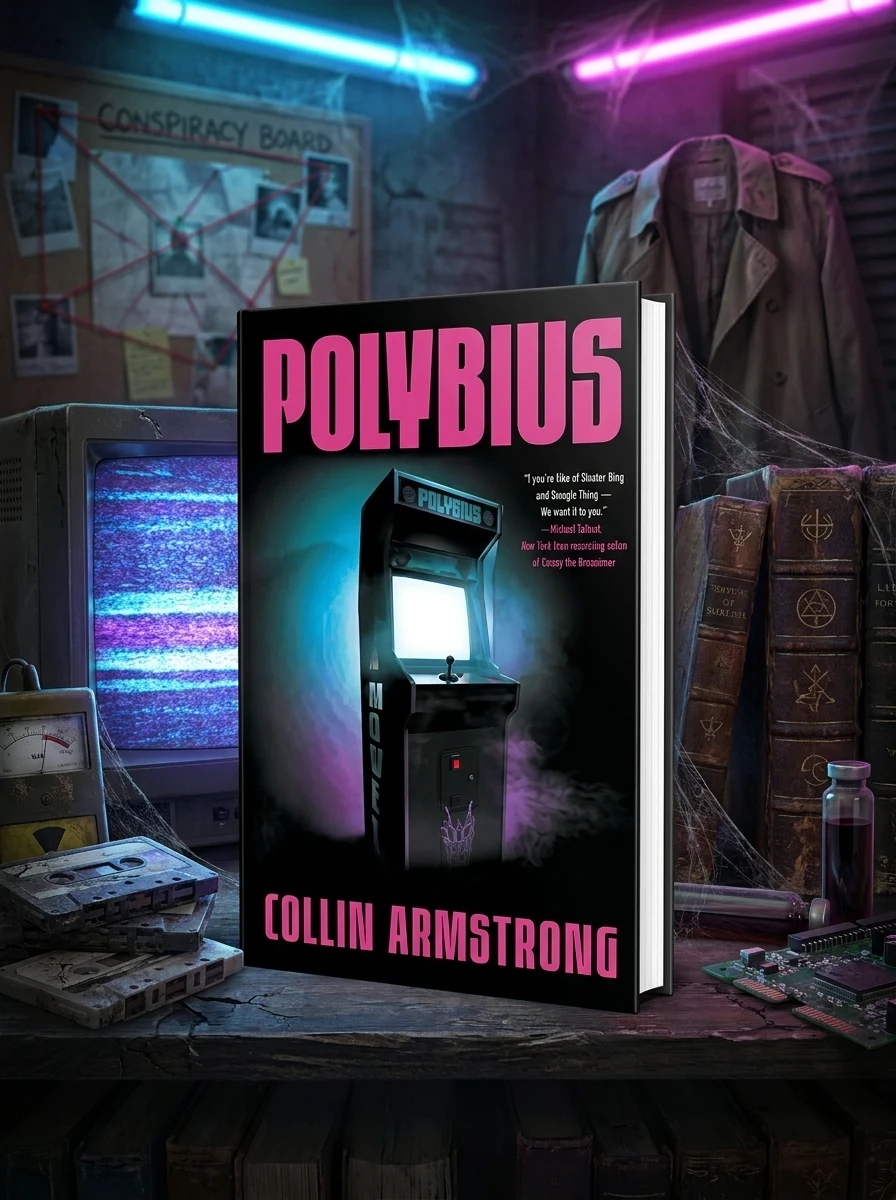
🏛 Books from this publisher Gallery Books





You might also like
See more →



Have a question about this item?
Ask about the edition, condition, delivery or anything else — we reply by email or phone, usually within a day.
