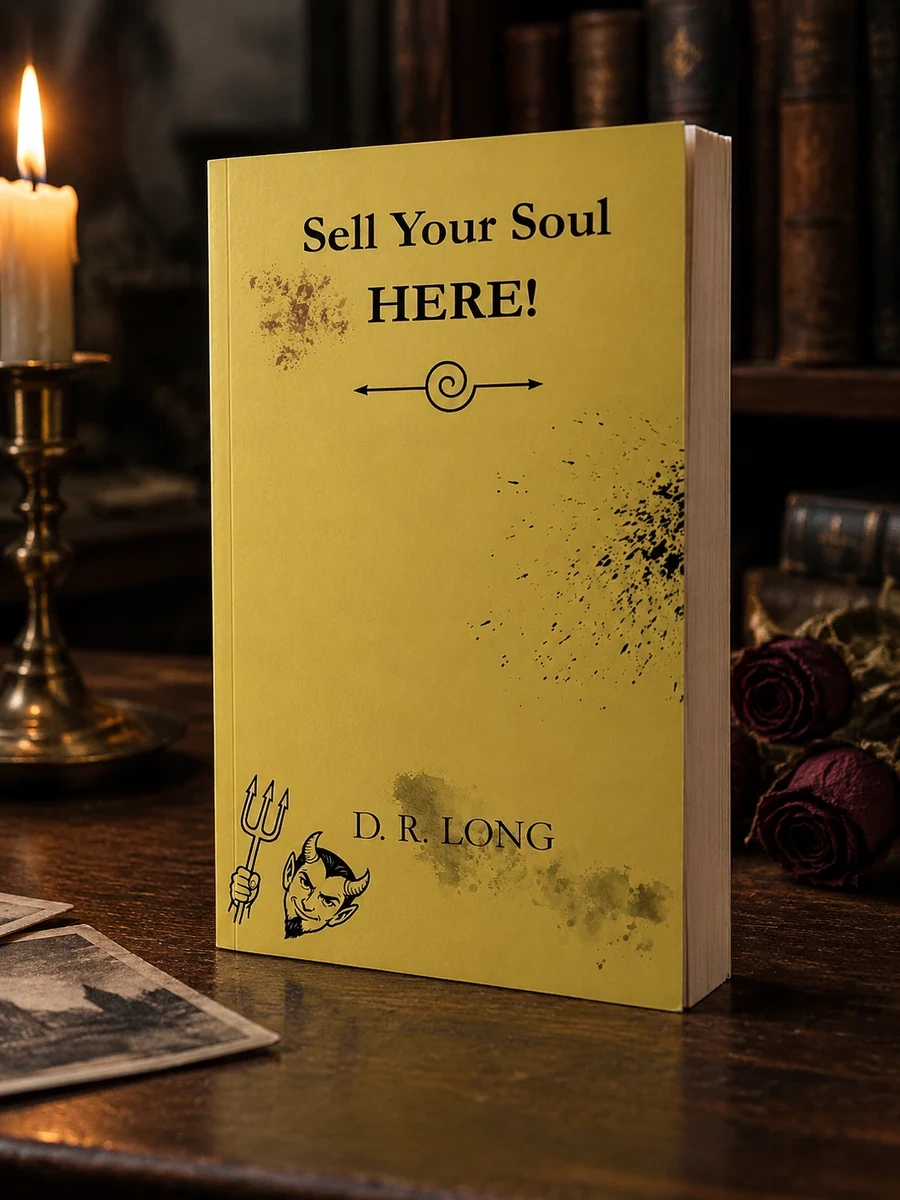
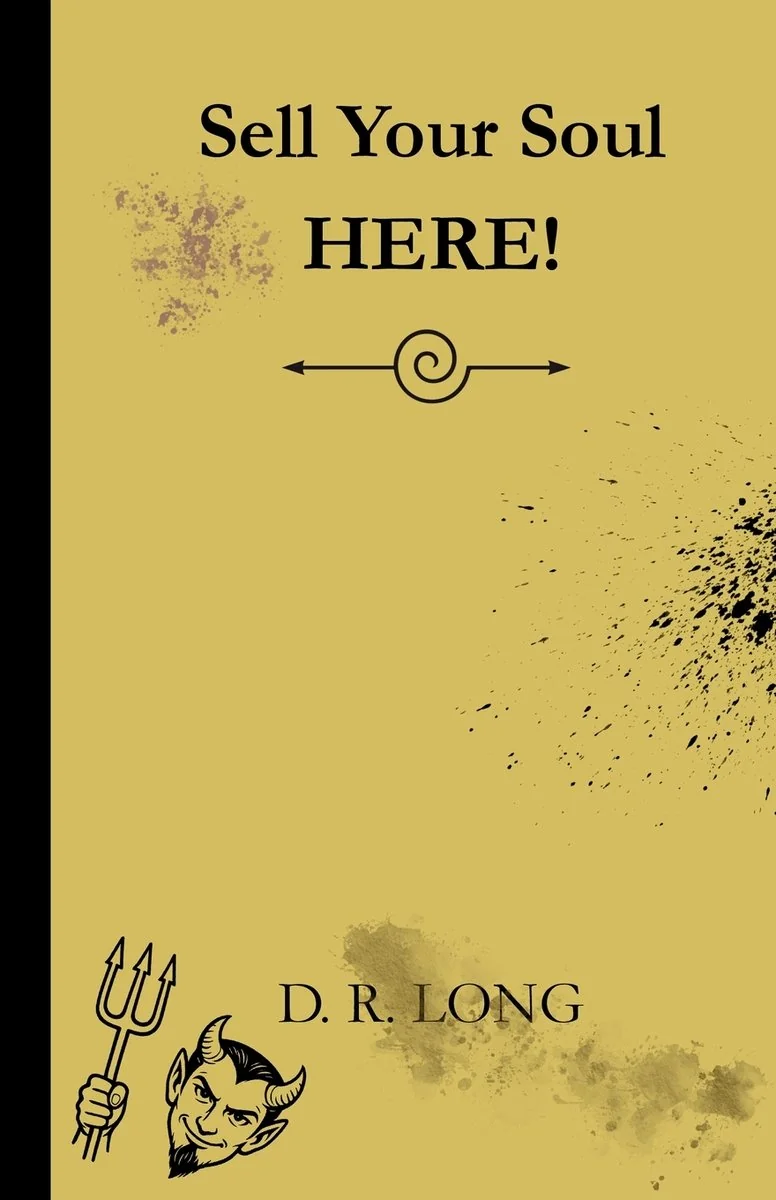
Sell Your Soul HERE!
Two broke roommates sell their souls via a classified ad and face a bureaucratic underworld.
RJ and Thom find themselves trapped in a metaphysical marketplace after accepting a deal from a bored voice on the phone. Their souls become inventory items in a massive network that processes spiritual assets with cold efficiency. The protagonists must deal with demon bureaucrats and underground dealers to reverse the transaction. This plot highlights the absurdity of treating human essence as currency within a rigid administrative framework.
Published in 2026 by D. R. Long, this work sits within contemporary horror and supernatural fiction. It reflects modern anxieties about financial instability and the commodification of personal identity through a lens of dark satire.


📝 Description: Sell Your Soul HERE!
💎 Our verdict on Sell Your Soul HERE!
📖 Why choose it
Why this book is worth reading
Readers who appreciate the intersection of capitalism and the occult will find this narrative engaging. It suits those enjoying urban fantasy with a satirical edge, offering a fresh take on demonology by framing spiritual assets as inventory items within a rigid administrative framework. The book is ideal for audiences seeking humor over traditional dread, exploring how mundane financial struggles collide with metaphysical realities. By presenting demons as customer service representatives and underworld dealers as logistical operators, the story provides a unique perspective on eternal damnation. It appeals to those who prefer absurdity and bureaucratic critique over gothic horror or serious theological treatises, making it a distinct choice for fans of darkly comedic supernatural fiction.
⭐ Reader reviews
Reader rating
D R Long delivers a sharp, darkly comedic critique of modern bureaucracy by treating souls as mere inventory items in a vast logistical system. The narrative excels at blending mundane financial desperation with metaphysical consequences, creating a unique satirical tone that avoids traditional gothic horror tropes. By depicting demons as cold efficiency experts and underworld dealers as bureaucratic operators, the book offers a clever subversion of classic Faustian bargains. This approach makes it particularly suitable for readers who enjoy urban fantasy infused with corporate satire. It is best appreciated by those willing to embrace absurdity over dread, offering a refreshing perspective on the occult that prioritizes administrative critique over theological seriousness or traditional fright.