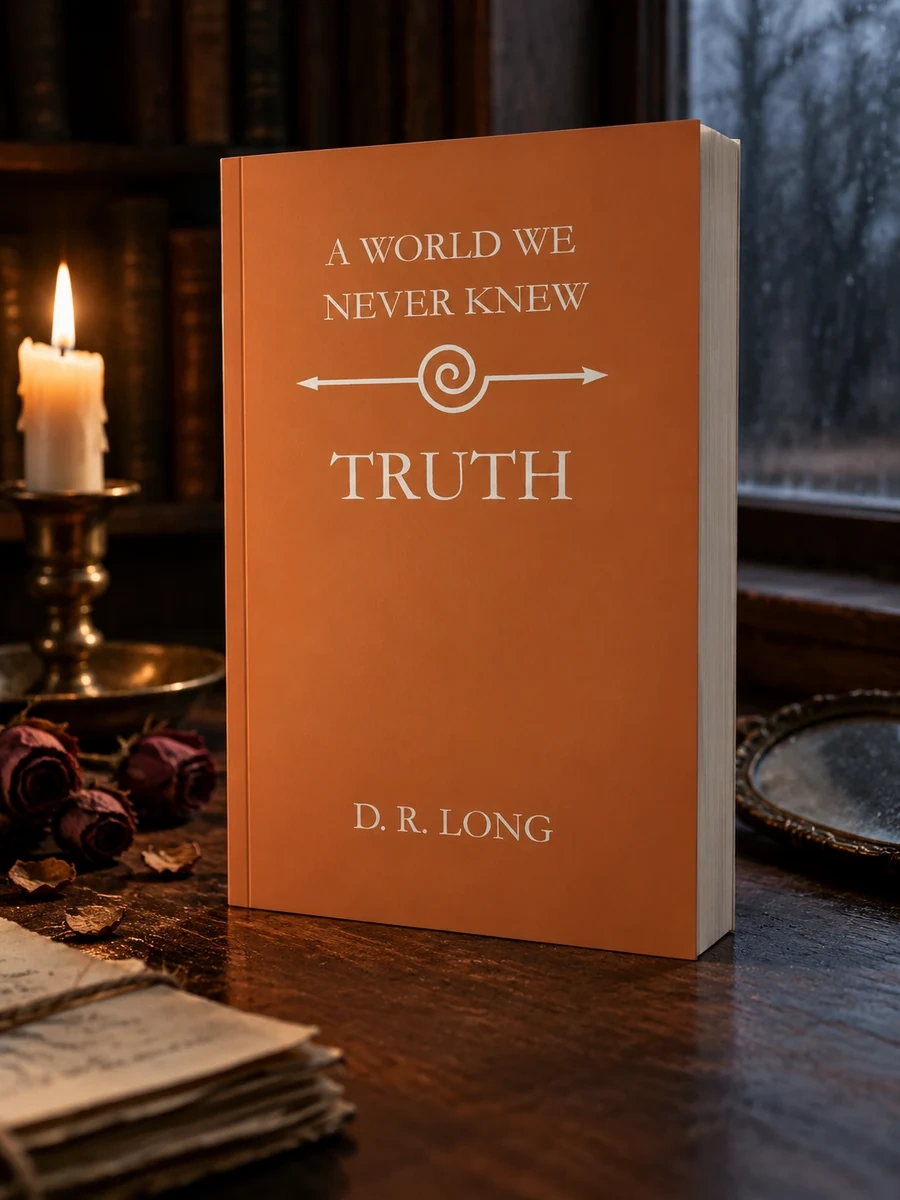
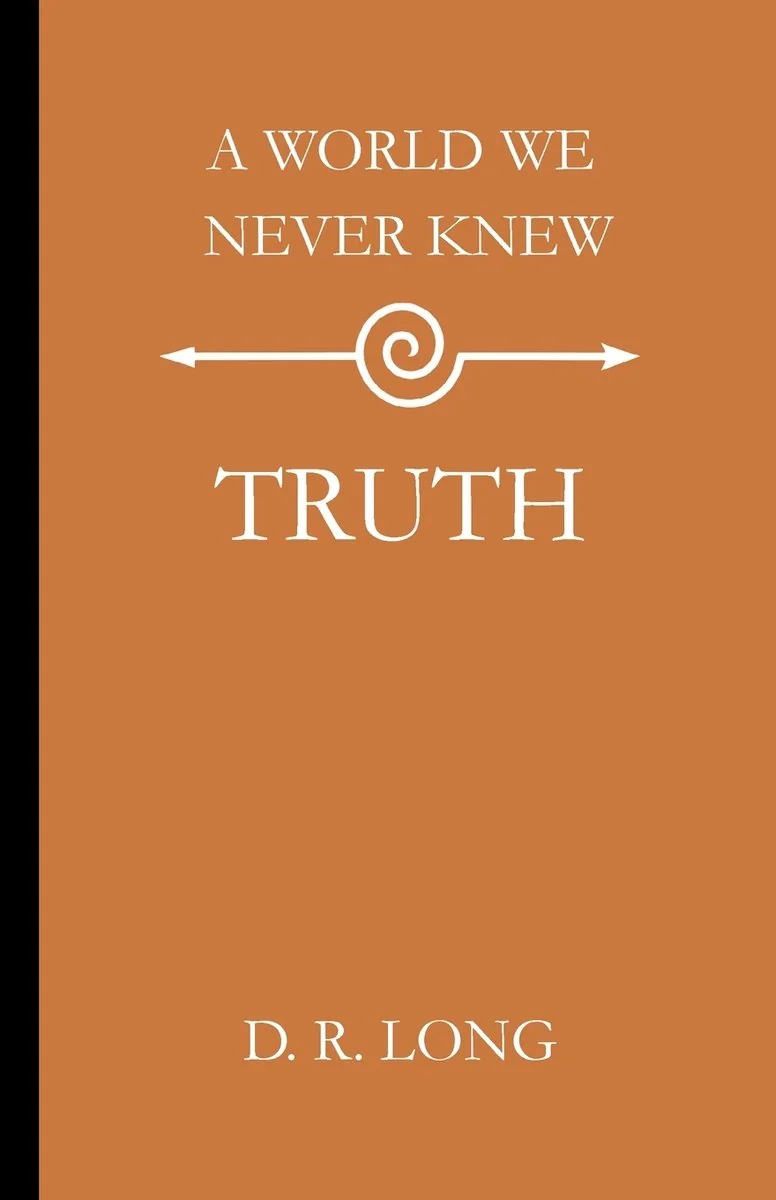
A World We Never Knew: Truth
A boy leaves a bunker to find his identity in a dead America.
The narrative follows Truth and Drew as they endure life underground for more than twelve months. Their existence depends on following specific survival protocols while waiting out the end of the world. When resources deplete, Truth makes a pivotal decision to exit the bunker. He travels through desolate urban areas and rural wastelands, facing the eerie quiet of abandoned infrastructure. The story examines how isolation shapes identity and forces premature adulthood. Long structures the plot around this physical journey mirroring an internal emotional one. The text avoids conventional horror tropes like zombies or ghosts, focusing instead on the psychological weight of survival and the uncertainty of what remains above ground.
This title sits within contemporary American speculative fiction, specifically the subgenre of post-apocalyptic horror. It reflects modern anxieties about societal collapse and environmental decay. Published in 2026, it continues the tradition of US authors exploring isolation and family dynamics during catastrophic events.


📝 Description: A World We Never Knew: Truth
💎 Our verdict on A World We Never Knew: Truth
📖 Why choose it
Why this book is worth reading
Readers who favor character-driven apocalyptic tales and appreciate slow-burn tension over action-heavy plots will find value in this narrative. It is ideal for those interested in exploring themes of responsibility, isolation, and the loss of innocence through a father-son dynamic under extreme duress. The book suits individuals who enjoy psychological horror that examines how survival shapes identity, offering a mature look at premature adulthood rather than traditional monster hunts or historical settings.
⭐ Reader reviews
Reader rating
D R Long delivers a compelling exploration of identity within a desolate landscape, focusing on the psychological weight of survival rather than conventional horror tropes. The narrative effectively mirrors an internal emotional journey through physical trekking across dead urban and rural wastelands. By avoiding zombies or ghosts, the text emphasizes existential uncertainty and the eerie quiet of abandoned infrastructure. This approach creates a unique atmospheric tension suitable for readers seeking depth over spectacle. The father-son dynamic provides a sturdy foundation for examining how isolation forces maturity, making it a thoughtful addition to the genre that rewards patience with profound character development.