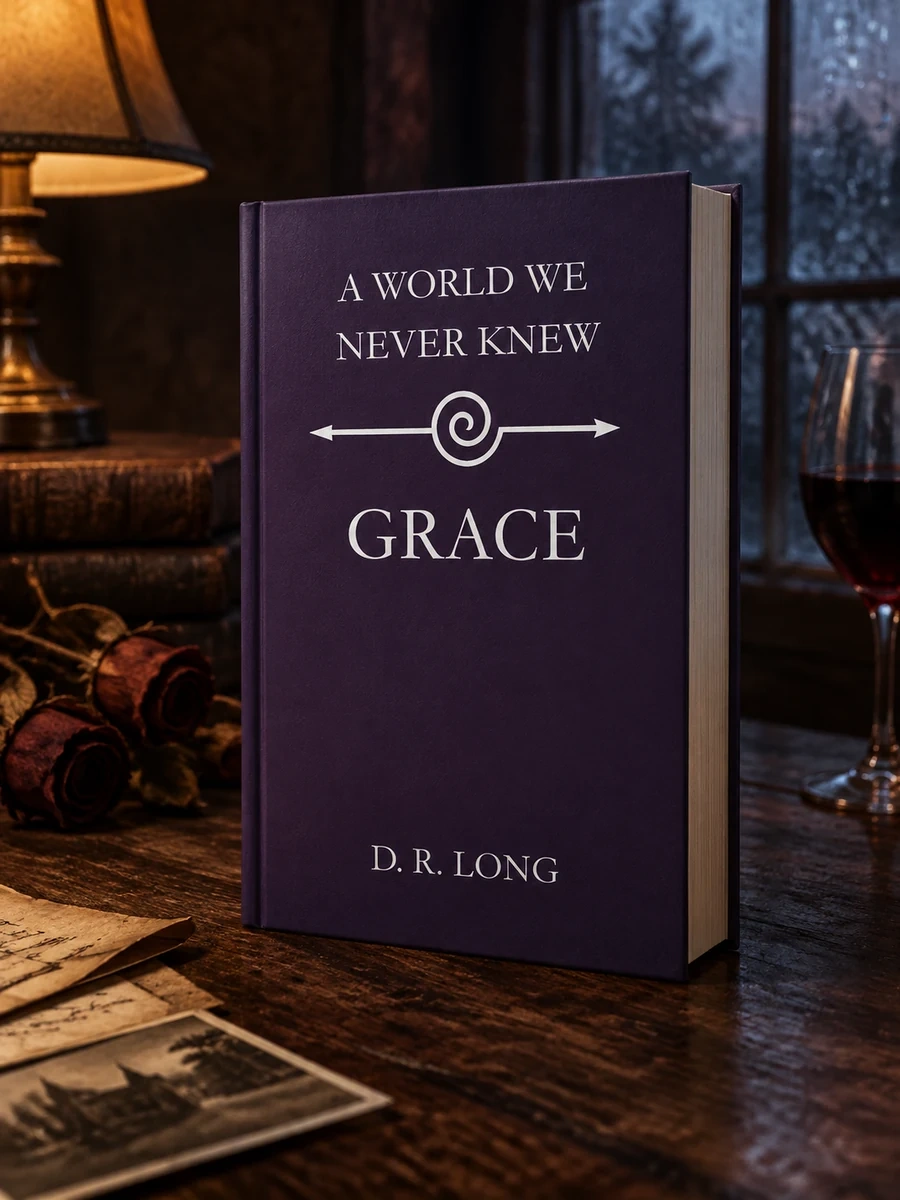
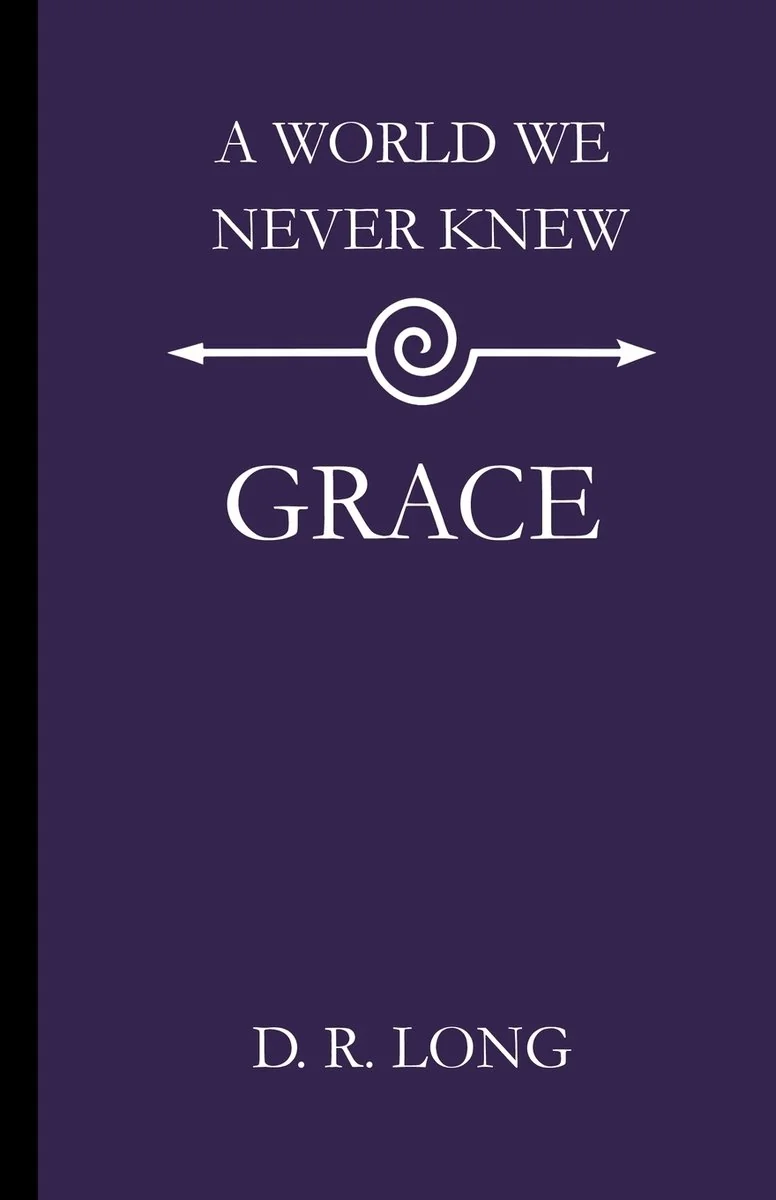
A World We Never Knew: Grace
A family in Delaware faces a rewriting world through Grace's unique perceptions.
The book centers on Grace’s ability to see patterns others miss. Her observations reveal an intentional force behind natural disasters. The plot moves from daily life to sudden violence, forcing the family to act on her final words. Long uses this framework to explore how memory shapes our understanding of loss. The story does not offer easy answers about the changing seasons or the bearded man. Instead, it invites readers to consider what happens when reality itself becomes unstable. The focus remains tightly on the family’s internal and external conflicts.
Published in 2026 by D. R. Long, this title fits within contemporary horror and gothic fiction. It draws on the tradition of supernatural tales where the environment reflects internal states. The setting in Delaware grounds the eerie events in a recognizable American landscape, blending domestic life with cosmic dread.


📝 Description: A World We Never Knew: Grace
💎 Our verdict on A World We Never Knew: Grace
📖 Why choose it
Why this book is worth reading
Readers who appreciate slow-burn psychological horror and literary speculation will find this narrative compelling. Those interested in stories that explore grief, memory, and the fragility of perception will gain from its unique perspective. The book offers a profound examination of how individuals cope when their understanding of reality shifts without warning. It is ideal for audiences seeking atmospheric depth rather than fast-paced action or clear resolutions. Fans of supernatural fiction that questions the nature of existence and the reliability of memory will appreciate the lingering tension. The focus on a family’s internal struggle against a fractured world provides an intimate yet unsettling reading experience.
⭐ Reader reviews
Reader rating
Long crafts a tense, atmospheric narrative where the horror stems from psychological unease rather than overt scares. By focusing on Grace’s unique perceptions and the family’s deteriorating routine, the text builds suspense through subtle shifts in reality. The exploration of grief and memory adds emotional weight to the supernatural elements. This approach suits readers who enjoy complex, lingering atmospheres and stories that challenge their understanding of perception. While those seeking fast-paced action may find it too slow, fans of literary horror will appreciate its depth. The narrative effectively maintains tension through the family’s internal conflicts and the mysterious forces at play, offering a thoughtful examination of loss.