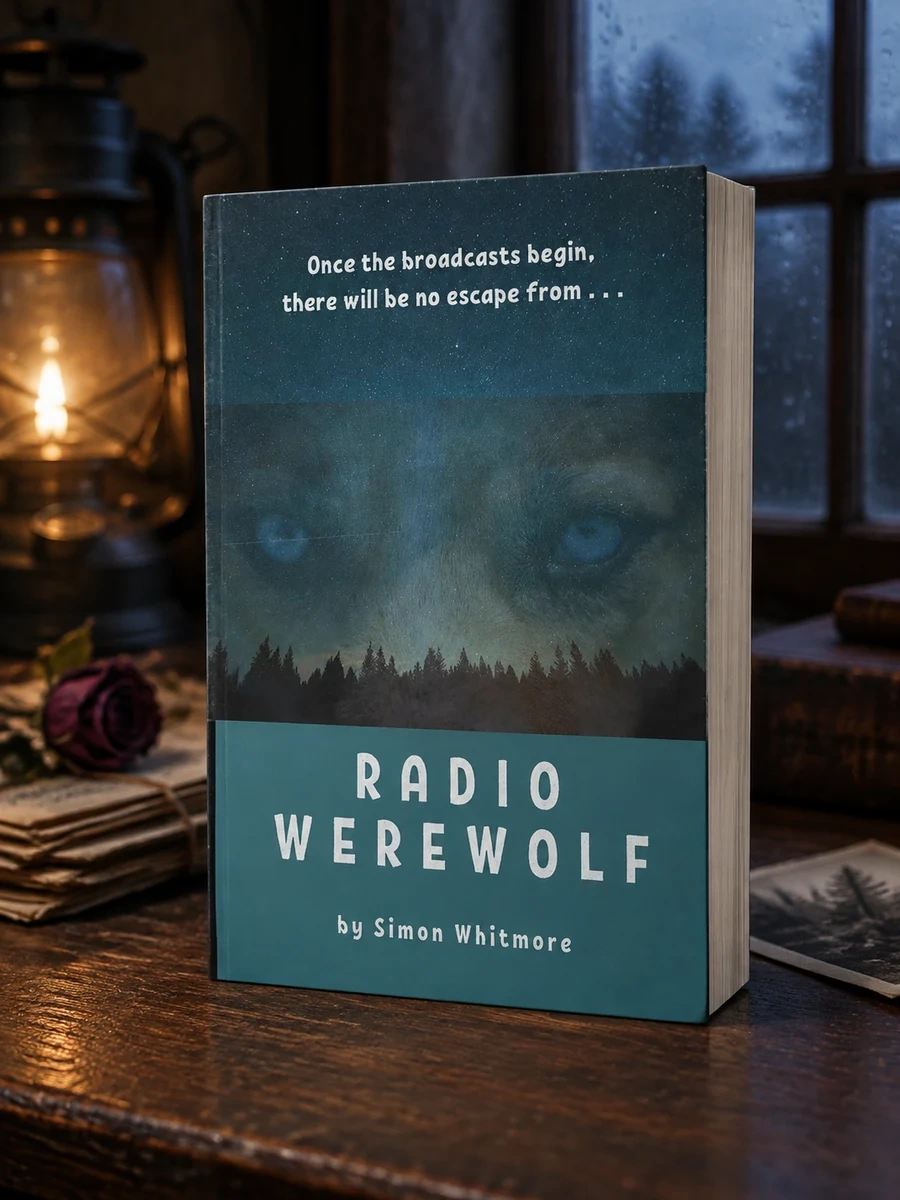
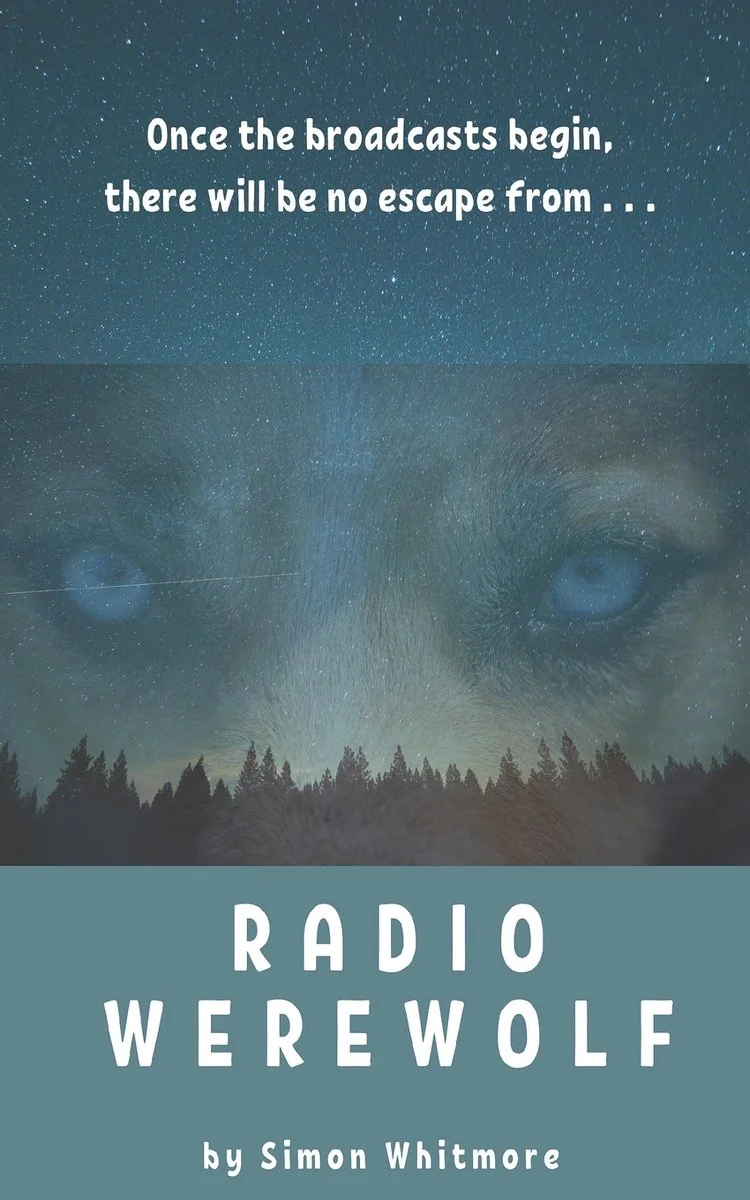
Radio Werewolf
A satirical novel about vampires using radio waves to control werewolf prisoners.
The plot focuses on the systemic oppression of Garroul werewolves by Gyoz vampires. The central conflict arises from a labor camp designed to exploit the supernatural workforce. Whitmore examines how technology, specifically radio broadcasts, intersects with ancient magical traditions. The narrative structure follows the inmates' struggle against an auditory barrier that neutralizes their physical advantages. This approach highlights the absurdity of power dynamics in a supernatural setting. The author uses this premise to critique control and resistance mechanisms.
The work draws on classic gothic tropes of vampires and werewolves. It reimagines these figures in a context of industrial-style imprisonment. The narrative blends supernatural elements with bureaucratic oppression, creating a unique subgenre of horror comedy.


📝 Description: Radio Werewolf
💎 Our verdict on Radio Werewolf
📖 Why choose it
Why this book is worth reading
Readers who appreciate horror that does not take itself too seriously will find Radio Werewolf a refreshing diversion. Simon Whitmore offers a sharp, satirical critique of control mechanisms through the absurd lens of vampire-werewolf conflict. The book is ideal for those who enjoy dark comedy and wish to explore themes of captivity and resistance without the weight of traditional dramatic gravity. It appeals to fans of unconventional supernatural narratives that prioritize wit over terror, providing an entertaining look at power dynamics in a gothic setting.
⭐ Reader reviews
Reader rating
Whitmore delivers a uniquely absurd take on the vampire genre by introducing radio waves as a tool for subjugation. The premise is inherently ridiculous, yet handled with enough narrative coherence to maintain engagement. The satire of labor exploitation and auditory control is both clever and biting, offering a fresh perspective on ancient supernatural feuds. While it lacks the serious dramatic depth of traditional gothic horror, its comedic edge provides significant entertainment value. It suits readers seeking light, satirical supernatural fiction rather than intense psychological dread or standard horror tropes.
📖 Read on the blog
✍️ More books by this author Simon Whitmore


🏛 Books from this publisher Independently Published






You might also like
See more →
Have a question about this item?
Ask about the edition, condition, delivery or anything else — we reply by email or phone, usually within a day.
