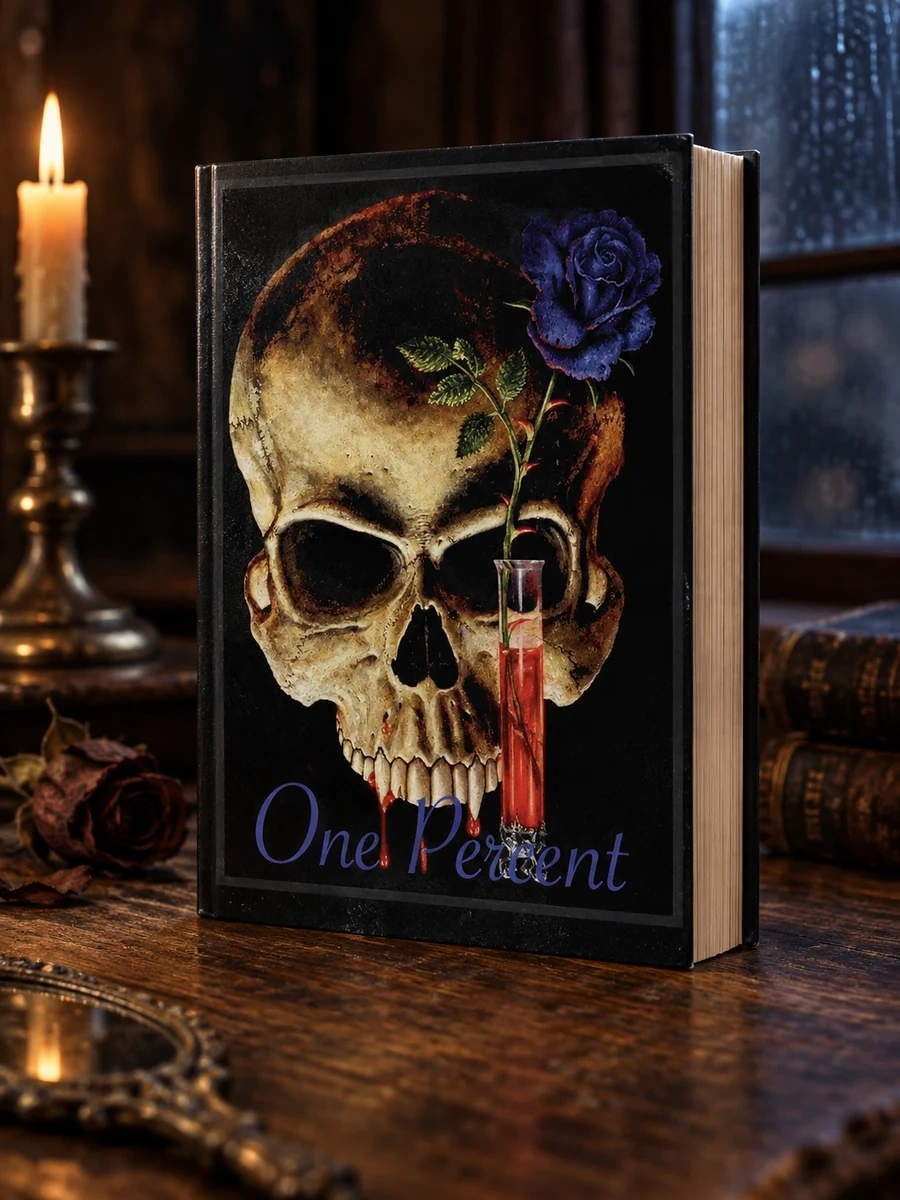
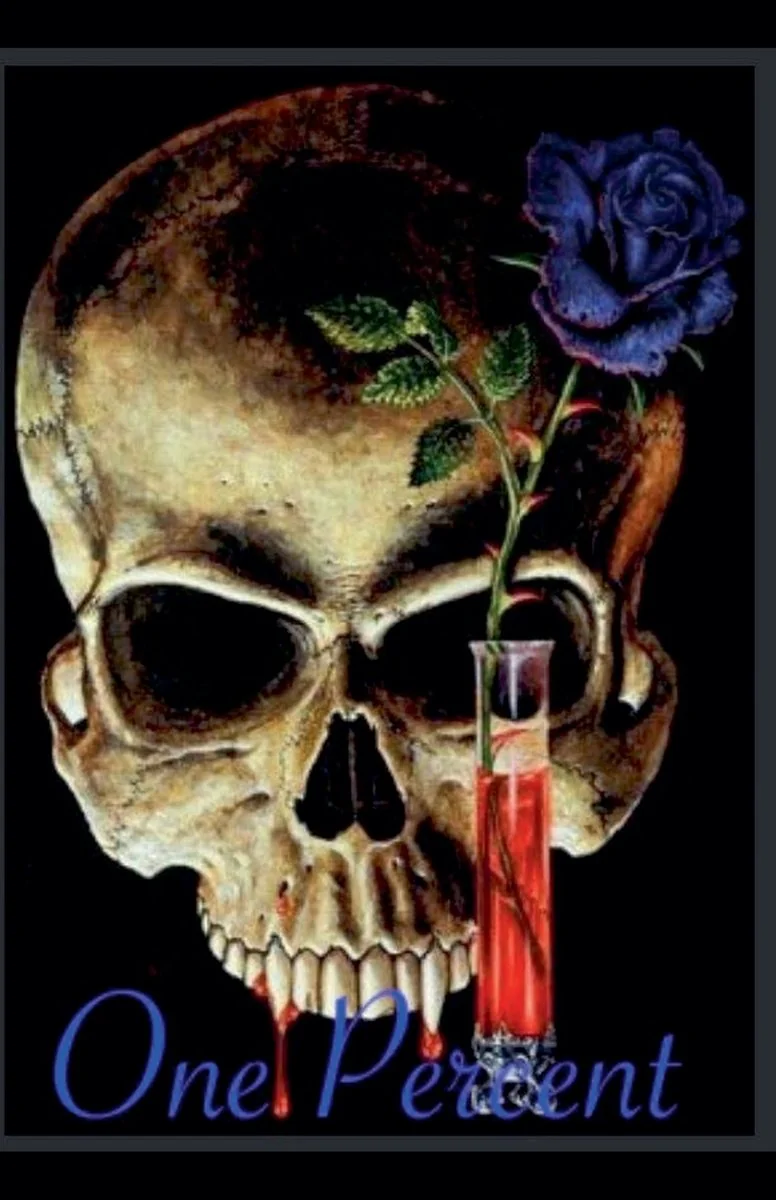
One Percent
A corporate head hunts a family monster after twenty-five years of pursuit.
Conrad Rose commands a vast business empire yet remains consumed by a personal tragedy. His granddaughter nearly died, and his family was destroyed by an unknown force. For almost twenty-five years, he has used his resources to track this threat. The narrative tracks his progress as the end draws near. Fairlie writes from a perspective that values internal conflict over external spectacle. The story does not rely on complex world-building but on the singular focus of one man. This approach appeals to readers who enjoy slow-burn psychological tension. It suits those who appreciate detailed character studies within the horror genre.
Published in 2023 by Drue Fairlie, this work sits within contemporary American horror fiction. It reflects modern anxieties about wealth and isolation. The story draws on the tradition of the wealthy protagonist facing supernatural forces. It uses the setting of a multi-conglomerate to explore power dynamics.


📝 Description: One Percent
💎 Our verdict on One Percent
📖 Why choose it
Why this book is worth reading
Readers who appreciate slow-burn psychological tension will find significant value in this narrative. It is ideal for those who enjoy detailed character studies within the horror genre, particularly fans of stories that delve into the intersection of wealth and personal grief. The book appeals to individuals seeking a singular focus on one man’s internal conflict rather than complex world-building or fast-paced supernatural action. By prioritizing the psychological weight of a lifelong vendetta, it offers a unique exploration of how corporate power intersects with deep-seated trauma. Those who prefer anticipation over immediate shock will likely appreciate this approach, as it sustains tension through the protagonist's relentless, resource-fueled pursuit of an abstract threat.
⭐ Reader reviews
Reader rating
Fairlie constructs a compelling tale centered on Conrad Rose’s decades-long hunt for the entity that destroyed his family. The narrative excels in examining the psychological weight of obsession, using Rose’s vast resources to highlight the futility and cost of his grief. By keeping the monster abstract until the conclusion, the author maintains a steady atmosphere of dread rather than relying on jump scares. This structure suits readers who value internal conflict over external spectacle. While it may disappoint those seeking immediate supernatural action, it rewards patience with a nuanced look at power and loss. The focus remains tightly on Rose’s deteriorating mental state, making it a strong choice for fans of character-driven horror.