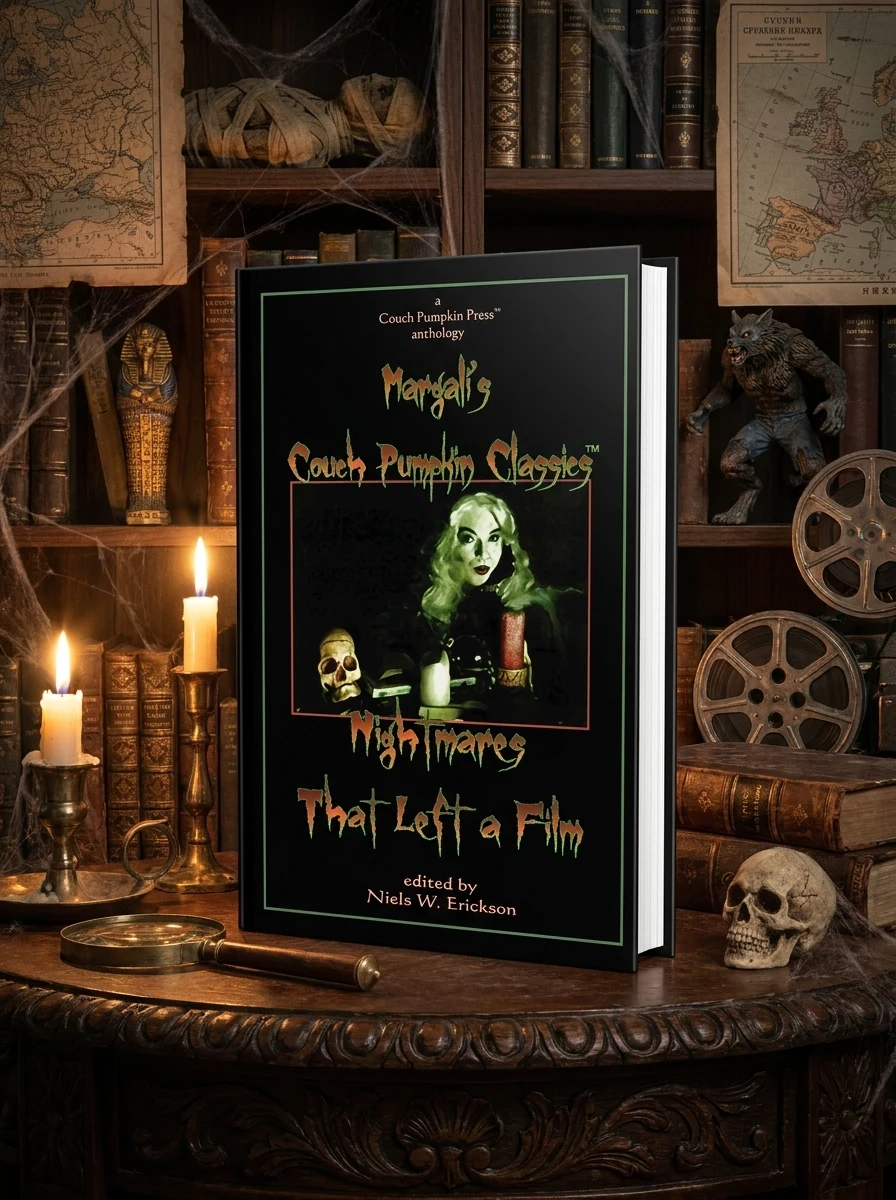
Nightmares That Left a Film
A guide to horror literature that inspired classic cinema adaptations.
The work examines the direct connections between specific literary works and their film counterparts. Erickson highlights how international storytelling traditions have shaped modern horror tropes. The text moves from Russian tales to Italian terrors, then to French fright-fables involving possession. British chiller narratives are shown to inspire Egyptian curses or Japanese monsters. The author includes a charmingly international cast of characters and creatures. Readers interested in the evolution of werewolf, mummy, and vampire myths will find value here. The collection emphasizes the original short story that preceded its later novelization. This focus on source material provides insight into the creative process behind iconic horror films.
This 2010 publication by Lulu.com reflects a nostalgic interest in the literary origins of horror cinema. It bridges Russian, Italian, French, British, Egyptian, and Japanese traditions to show how global folklore influences screen frights.


📝 Description: Nightmares That Left a Film
💎 Our verdict on Nightmares That Left a Film
📖 Why choose it
Why this book is worth reading
Readers who appreciate the literary roots of horror cinema will find significant value in this curated examination of source material. The book is particularly suited for those interested in tracing the lineage of iconic figures such as vampires, werewolves, and mummies from their original short story forms through to novelization and screen adaptation. It appeals to enthusiasts of old-school slasher films and international gothic traditions who wish to understand how written words transform into visual scares across different cultures. By avoiding contemporary digital media references, the text offers a concrete look at traditional print sources that established enduring genre standards.
⭐ Reader reviews
Reader rating
Erickson delivers a compelling exploration of the direct connections between specific literary works and their film counterparts, highlighting how international storytelling traditions have shaped modern horror tropes. The text effectively traces influences from Russian folklore to Italian terror, French possession tales, and British chiller narratives linked to Egyptian curses or Japanese monsters. While it successfully emphasizes the creative process behind iconic films through original short stories, it may not suit those seeking modern psychological thrillers or non-fiction analysis. The focus on traditional print sources provides a unique, culturally rich perspective on the evolution of horror cinema.
📖 Read on the blog
✍️ More books by this author N W Erickson


🏛 Books from this publisher Lulu.com
You might also like
See more →
Have a question about this item?
Ask about the edition, condition, delivery or anything else — we reply by email or phone, usually within a day.
