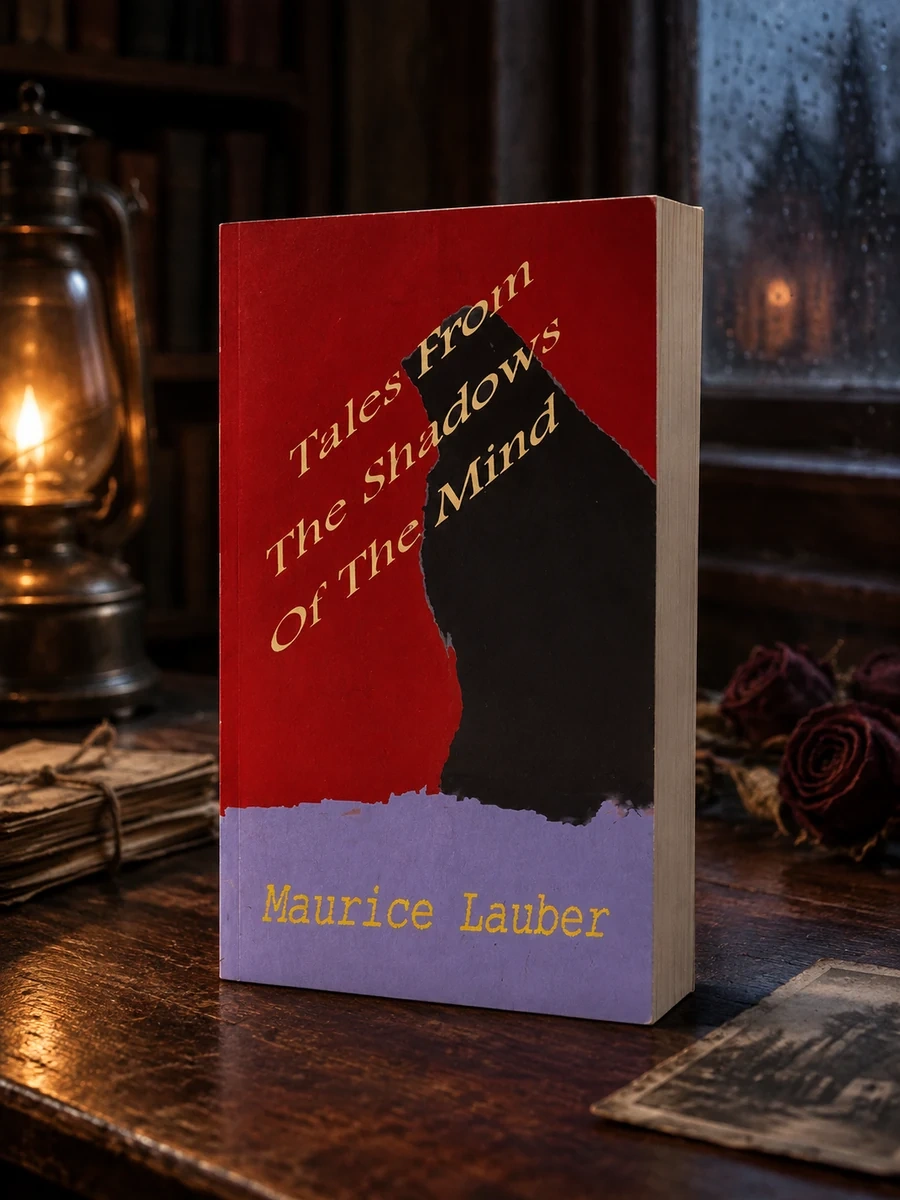
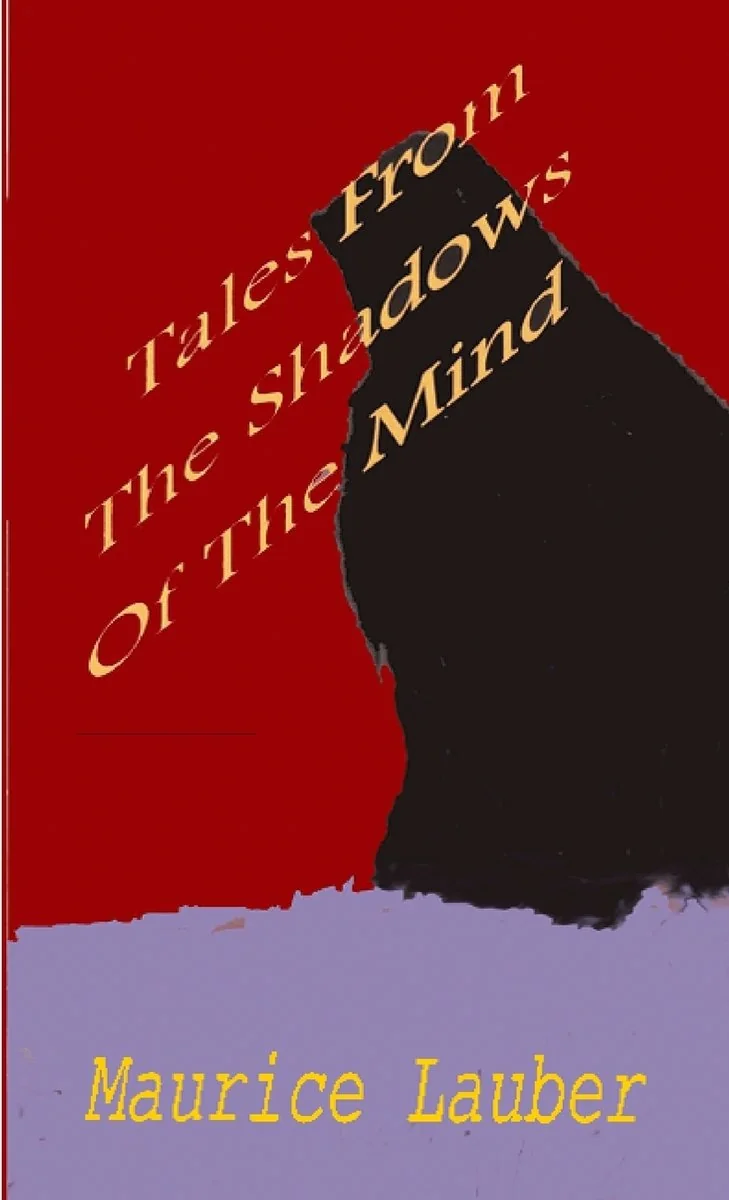
Tales from the Shadows of the Mind
A collection of supernatural tales featuring sympathetic ghosts and vampires by Maurice Lauber.
This 2008 publication challenges standard horror tropes by presenting undead characters who are not inherently evil. Lauber writes stories where spirits retain their past-life identities, allowing for interactions that range from the funny to the helpful. The text avoids stomach-turning descriptions in favor of psychological depth. This approach creates a reading experience that feels more like gothic drama than traditional fright fare. The author focuses on the continuity of personality after death, suggesting that ghosts are not just monsters but individuals with lingering attachments and quirks. This perspective invites readers to view the supernatural through a lens of empathy rather than fear.
Released in July 2008 via Lulu.com, this work occupies a niche space in contemporary horror. It reflects a shift toward character-driven supernatural fiction that values emotional complexity over visceral shock. The book appeals to readers who prefer atmospheric dread and nuanced portrayals of the undead over explicit violence.


📝 Description: Tales from the Shadows of the Mind
💎 Our verdict on Tales from the Shadows of the Mind
📖 Why choose it
Why this book is worth reading
Readers who find traditional slasher horror too graphic or one-dimensional will gain significant enjoyment from this collection. Lauber offers a refreshing alternative for those interested in gothic drama, presenting vampires and ghosts as complex individuals with lingering attachments and quirks. The book appeals to audiences seeking psychological depth rather than stomach-turning descriptions. It is ideal for readers who appreciate nuanced interactions between the living and the dead, allowing them to view the supernatural through a lens of empathy. Those looking for subtle humor and helpfulness in their ghost stories will find value here. The focus on continuity of personality after death invites a more intellectual engagement with the genre, making it suitable for those who prefer character-driven narratives over shock value.
⭐ Reader reviews
Reader rating
Lauber distinguishes this volume by avoiding graphic gore to focus on the duality of undead characters. The narratives portray spirits and vampires as beings that retain human qualities, displaying friendliness, humor, or helpfulness alongside potential cruelty. This literary approach prioritizes character development over shock value, creating a reading experience akin to gothic drama rather than traditional fright fare. The collection succeeds in presenting supernatural figures as complex individuals shaped by their past lives. It suits readers interested in nuanced ghost stories and the emotional resonance of encounters with the other side. While those seeking physical terror may find it too gentle, fans of psychological horror will appreciate the subtle interactions and the invitation to view the undead with empathy rather than fear.