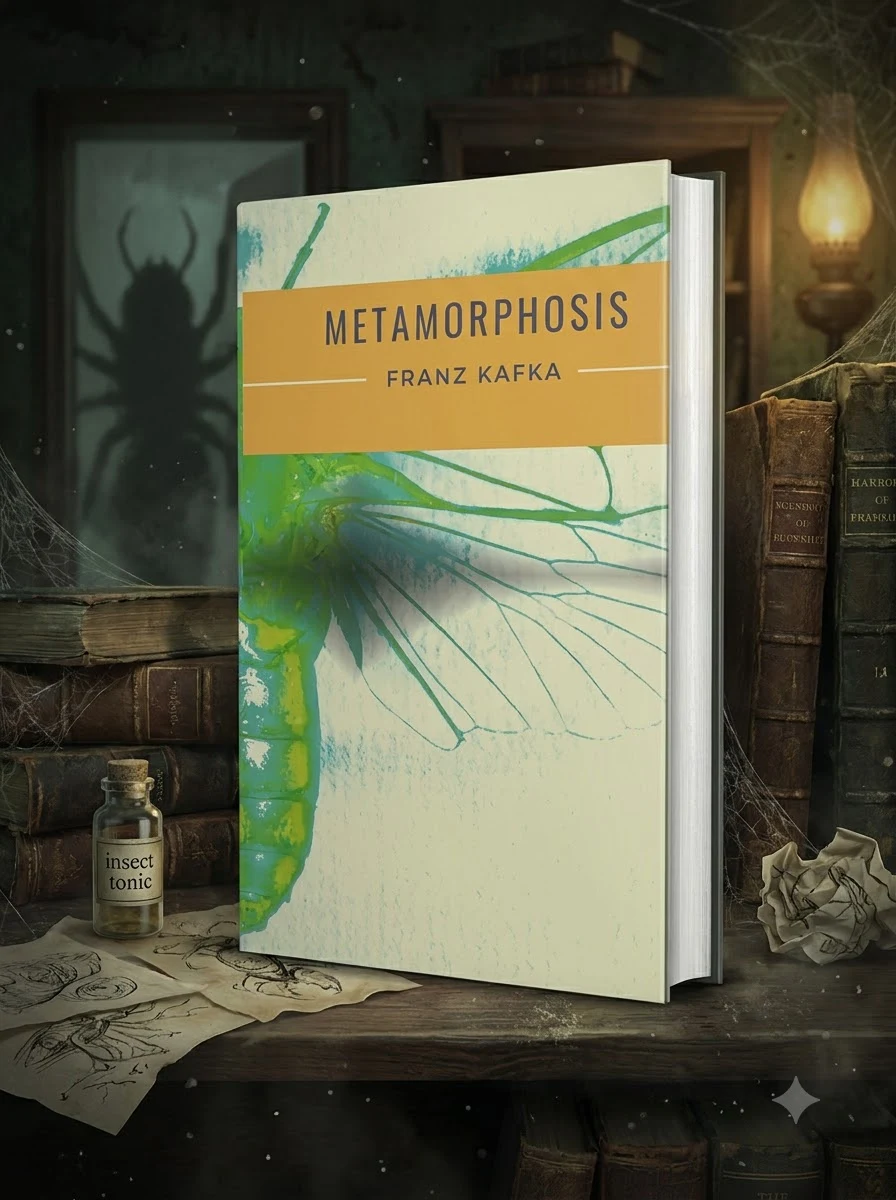
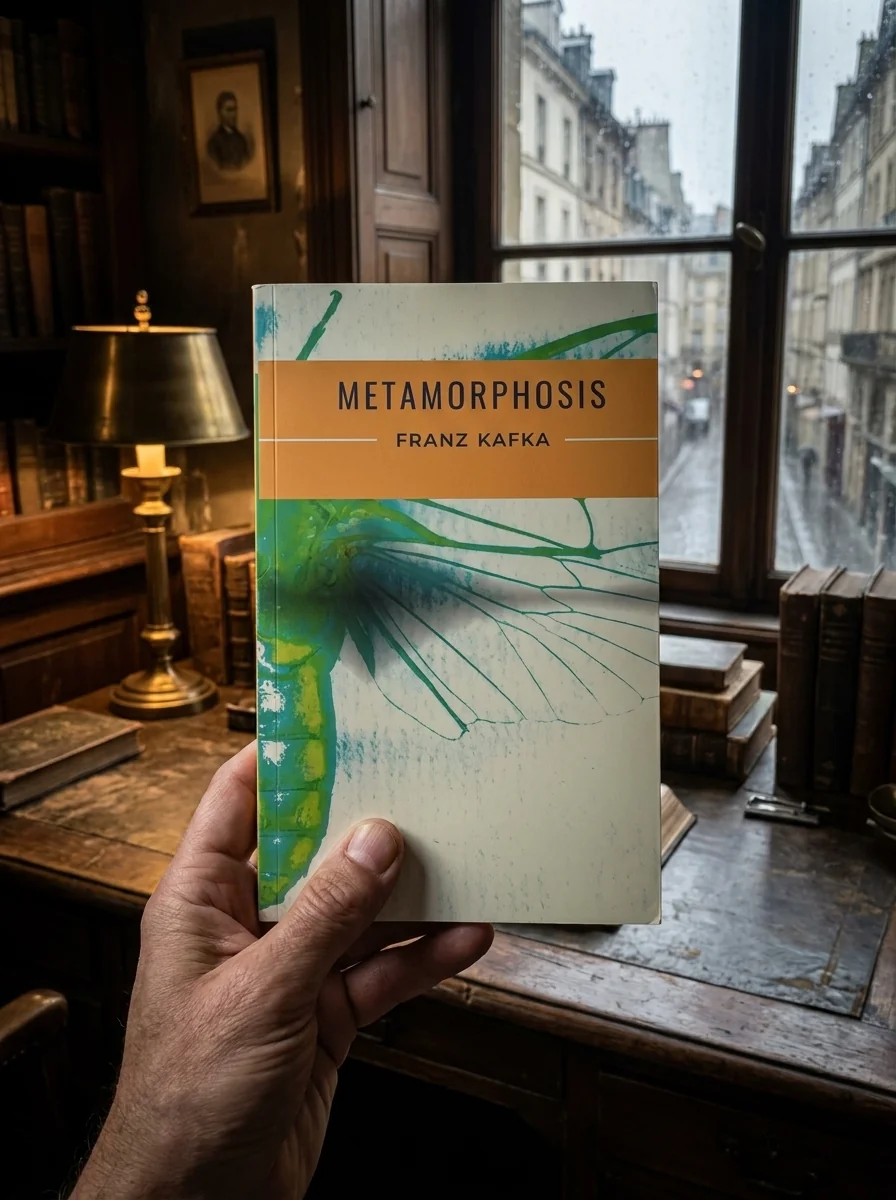
Metamorphosis: A 1915 novella written by Franz Kafka and one of Kafka's best-known works
A 1915 novella about a salesman turning into an insect.
Kafka’s narrative follows Gregor Samsa after his sudden transformation into a bug. The plot concentrates on his inability to communicate with his family and his gradual loss of status within the household. This period piece reflects early twentieth-century anxieties about identity and labor. The novella challenges readers to confront uncomfortable truths about human connection. It avoids conventional horror tropes in favor of psychological realism. The story remains a significant example of modernist literature. Readers should approach it with an appreciation for its bleak tone and symbolic weight.
Published in 1915, this novella emerged during a period of significant social change in Europe. Kafka’s work reflects the anxieties of early twentieth-century society. The text draws on gothic and supernatural traditions to explore human isolation.


📝 Description: Metamorphosis: A 1915 novella written by Franz Kafka and one of Kafka's best-known works
💎 Our verdict on Metamorphosis: A 1915 novella written by Franz Kafka and one of Kafka's best-known works
📖 Why choose it
Why this book is worth reading
Readers seeking to confront uncomfortable truths about human connection and existential isolation will find this work profoundly rewarding. It appeals to those interested in early twentieth-century European fiction and the examination of familial duty under duress. The narrative offers a stark look at the loss of status and communication barriers, providing a bleak yet symbolic weight that resonates with fans of psychological horror. It is ideal for individuals who appreciate modernist literature and wish to explore the absurdity of human existence without relying on magical reversals or clear resolutions.
⭐ Reader reviews
Reader rating
Kafka crafts a tale of profound alienation through Gregor Samsa’s transformation, prioritizing grim reality over traditional thrills. The text excels in its exploration of household dynamics and societal rejection, avoiding easy answers to deliver a powerful commentary on labor and identity. While it lacks conventional horror elements like jump scares, its psychological depth offers a unique, unsettling experience. This work suits readers comfortable with existential literature and symbolic narratives. It is less appropriate for those preferring lighthearted supernatural tales or clear resolutions, but remains an influential example of modern literary achievement.
📖 Read on the blog
✍️ More books by this author Franz Kafka
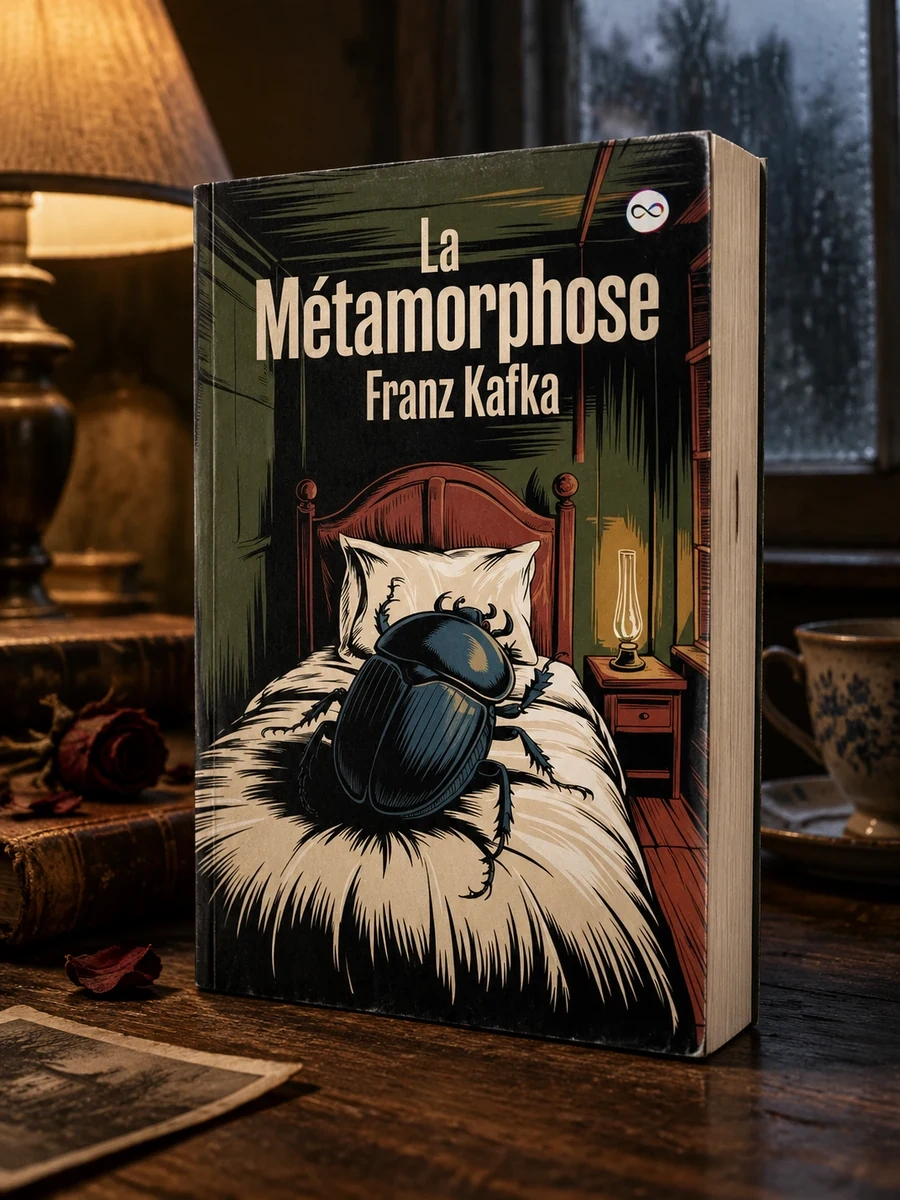


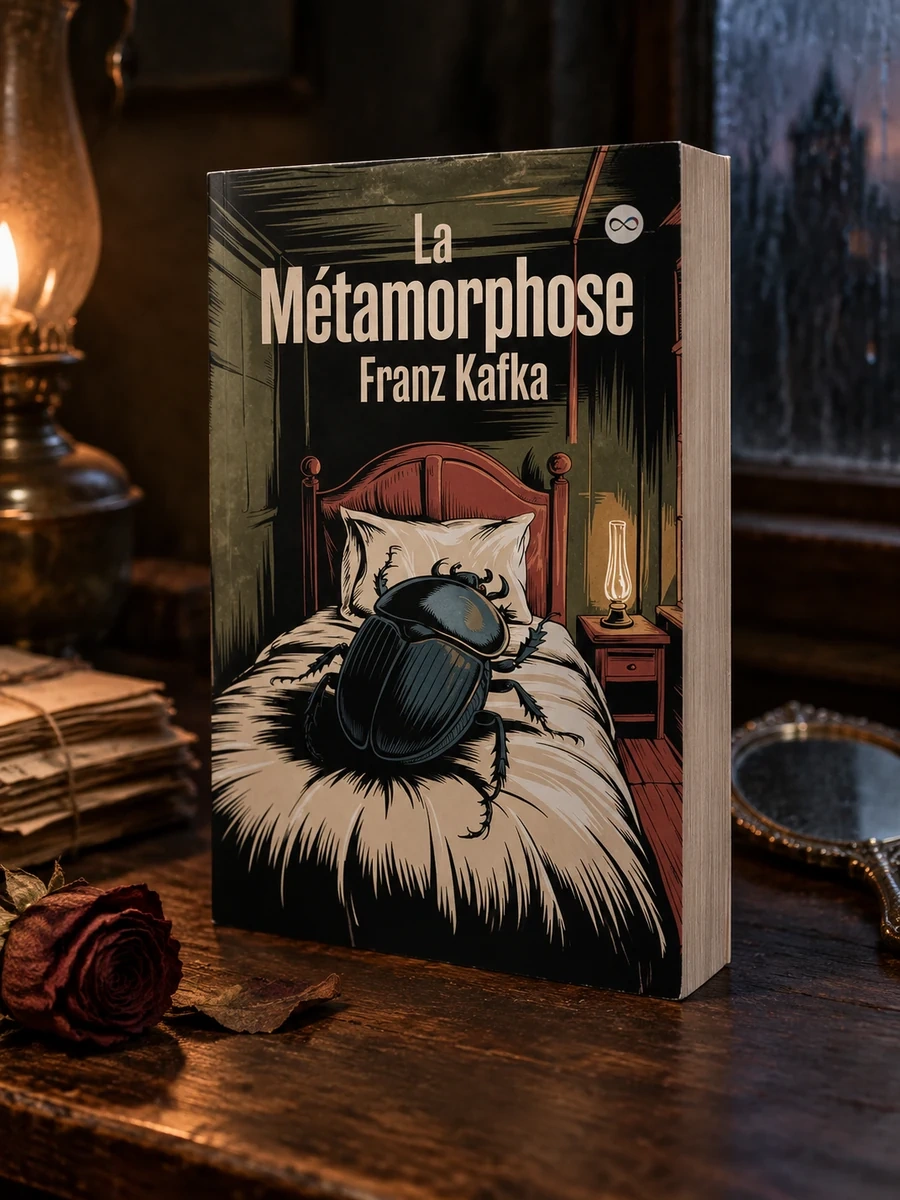
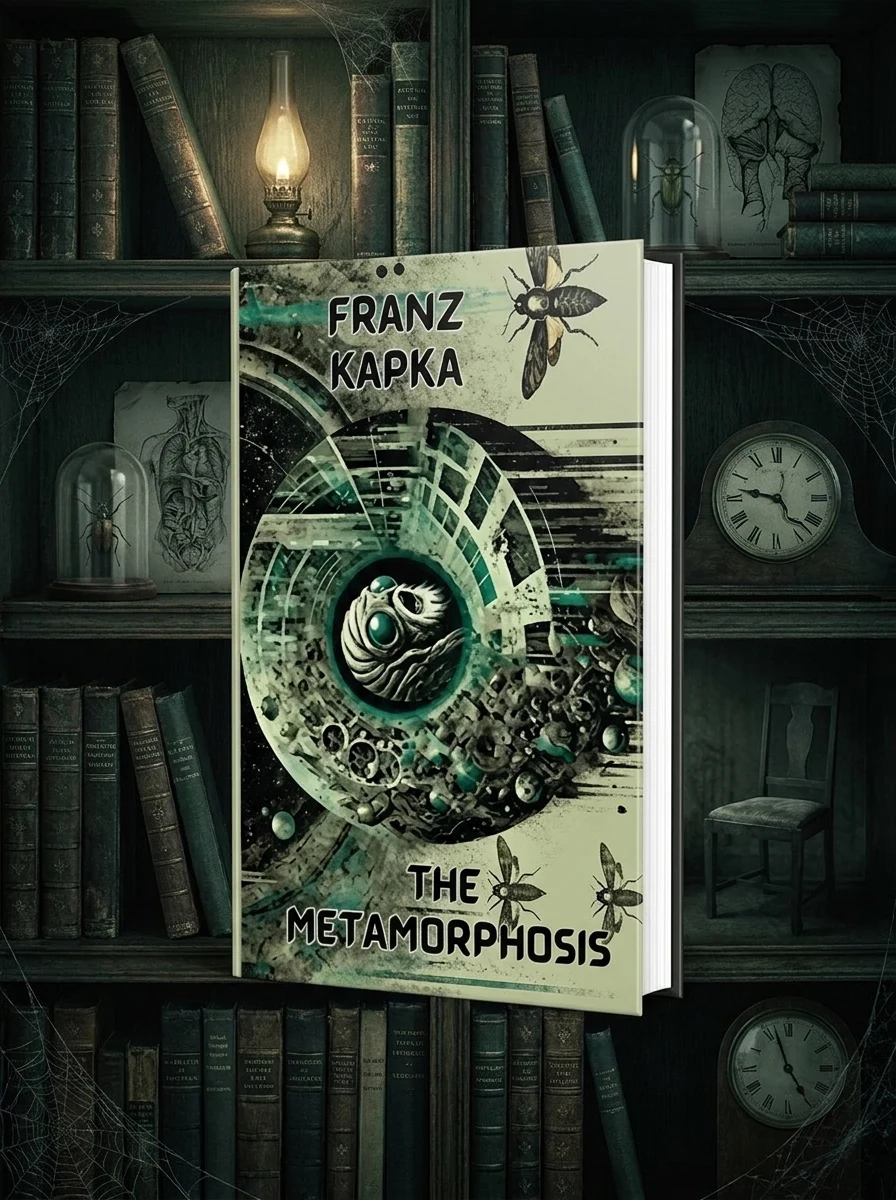
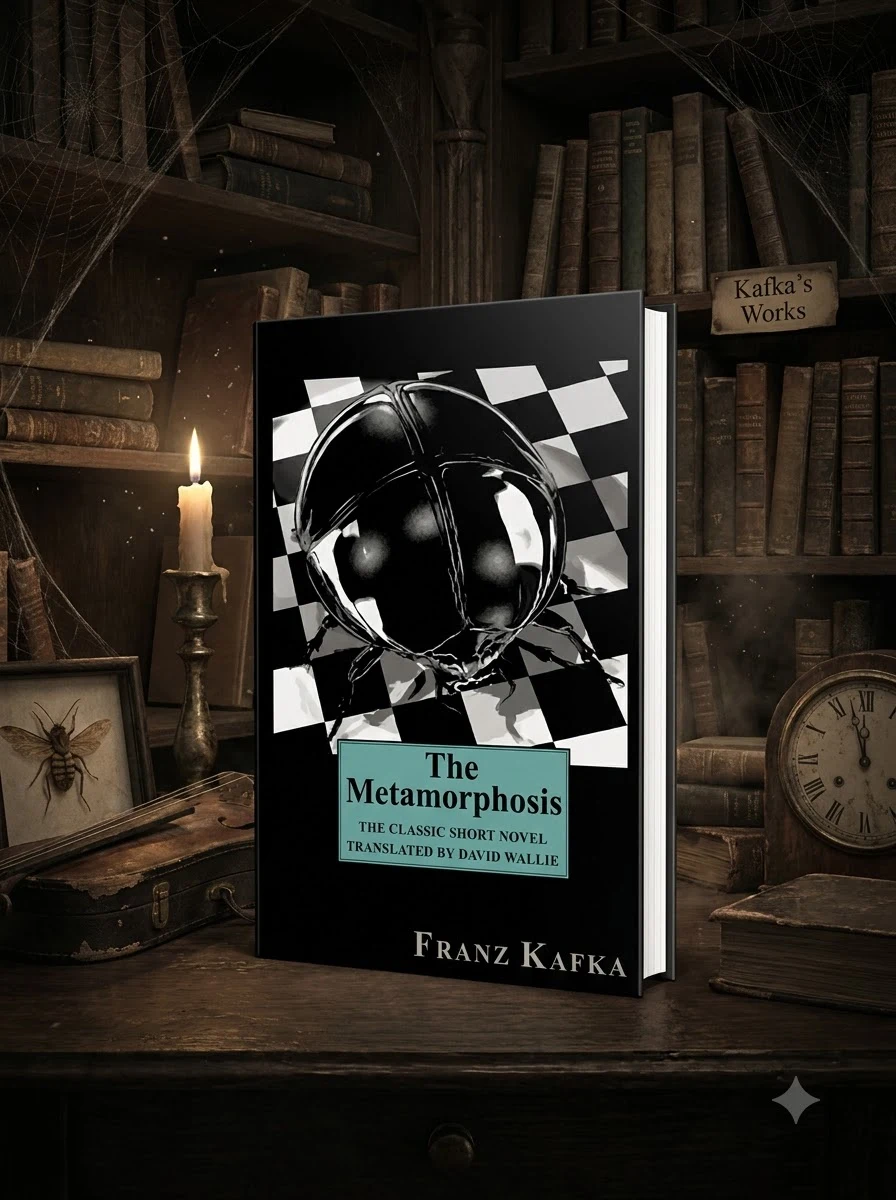
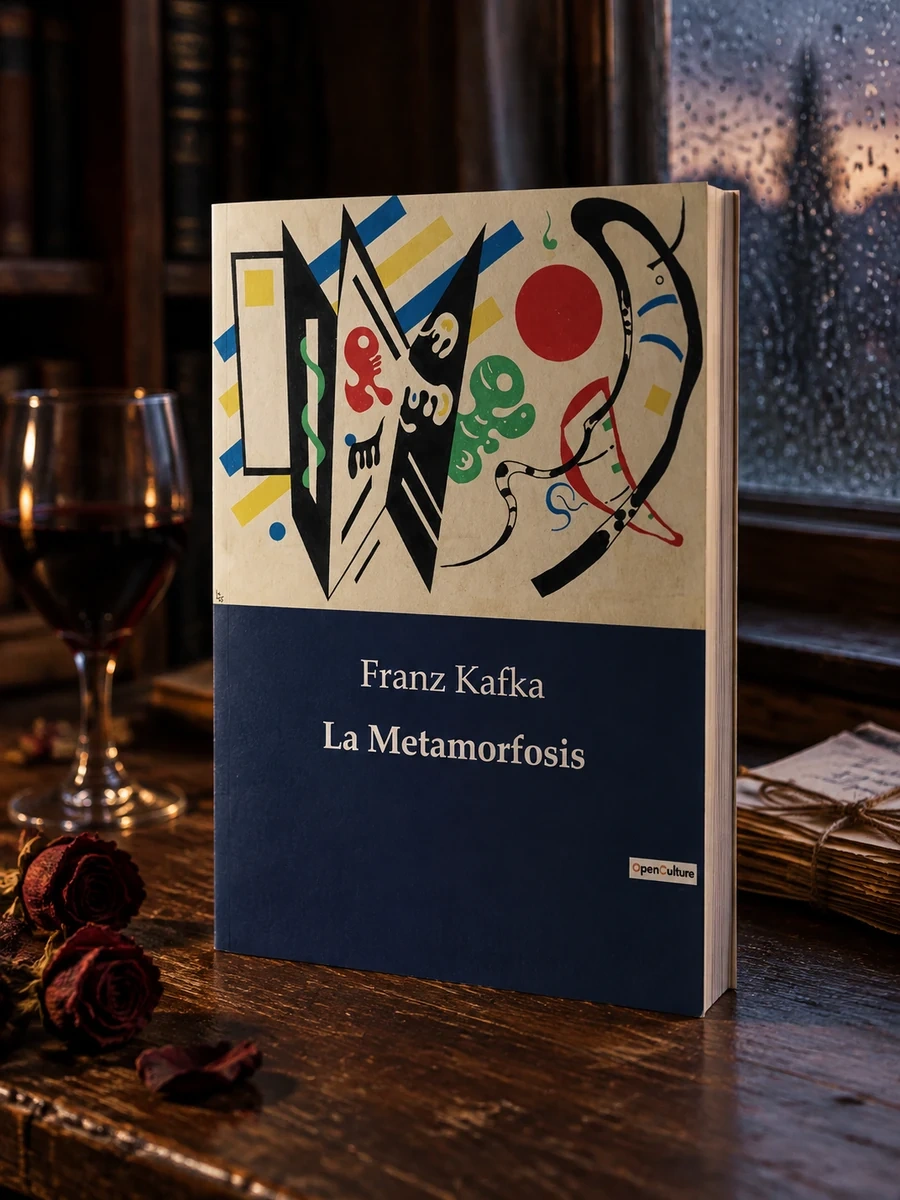
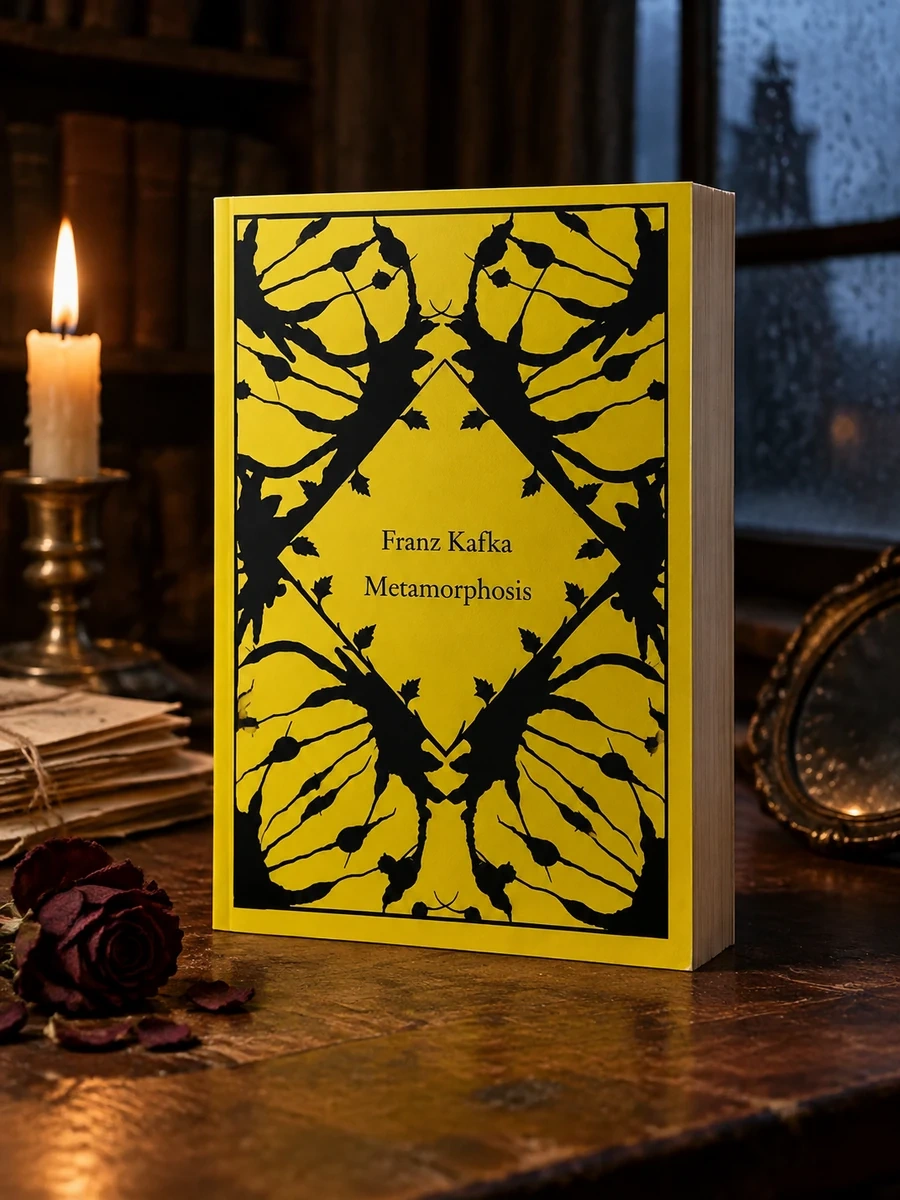
🏛 Books from this publisher Les Prairies Numeriques
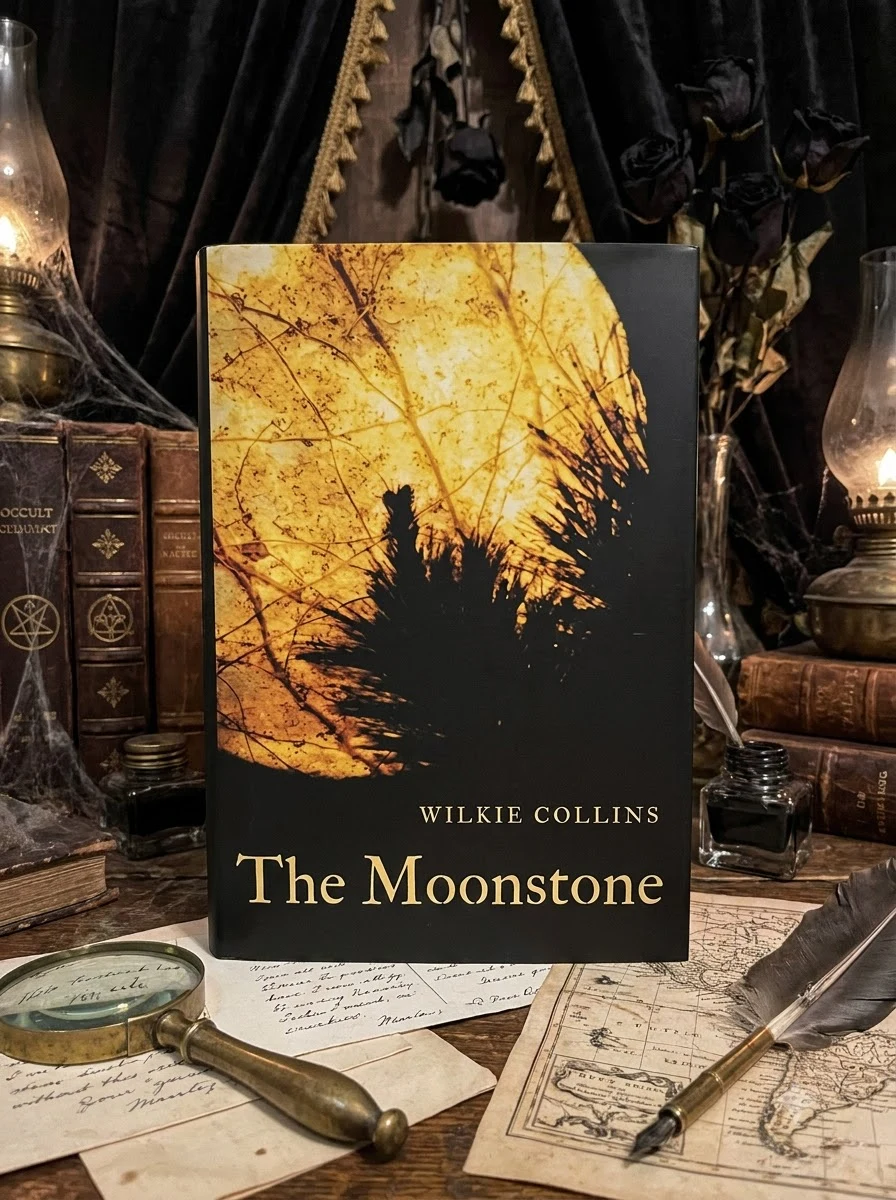
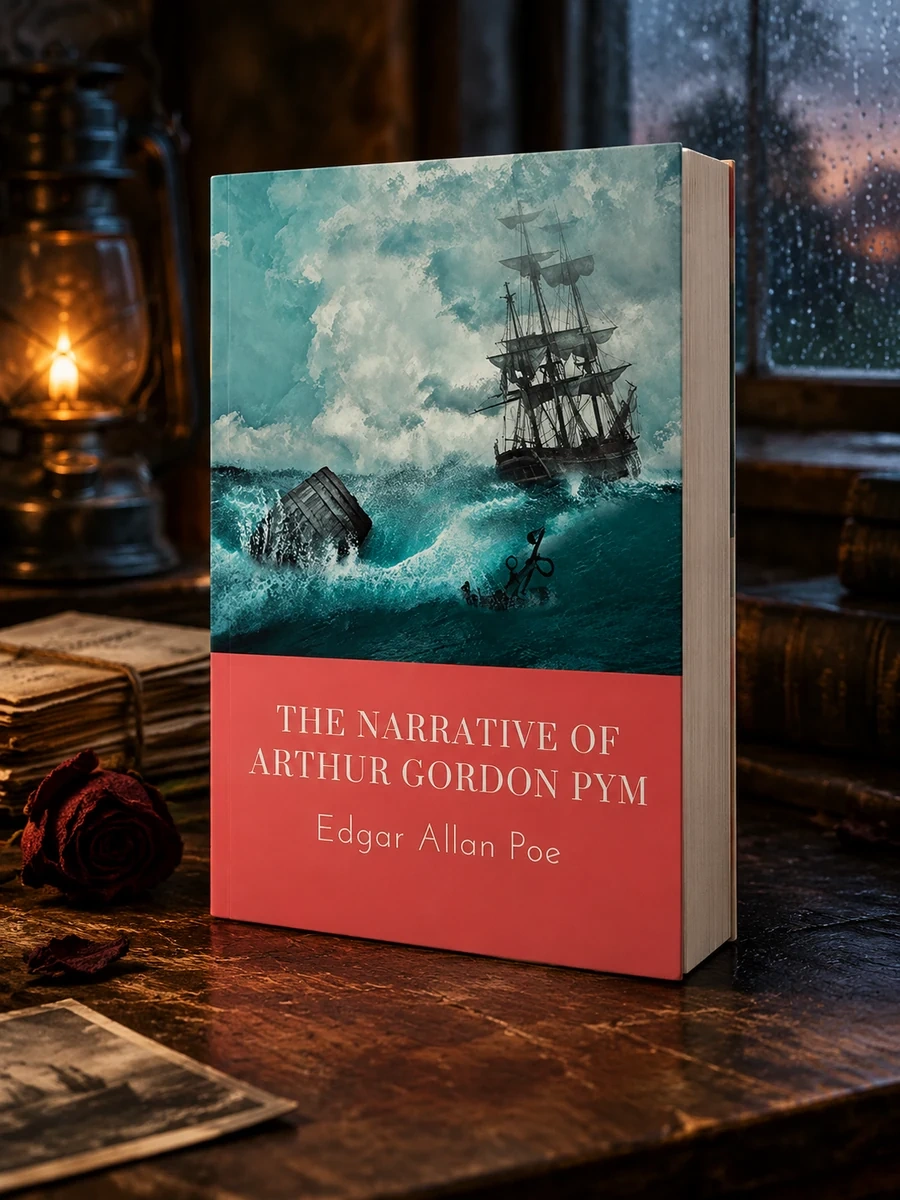
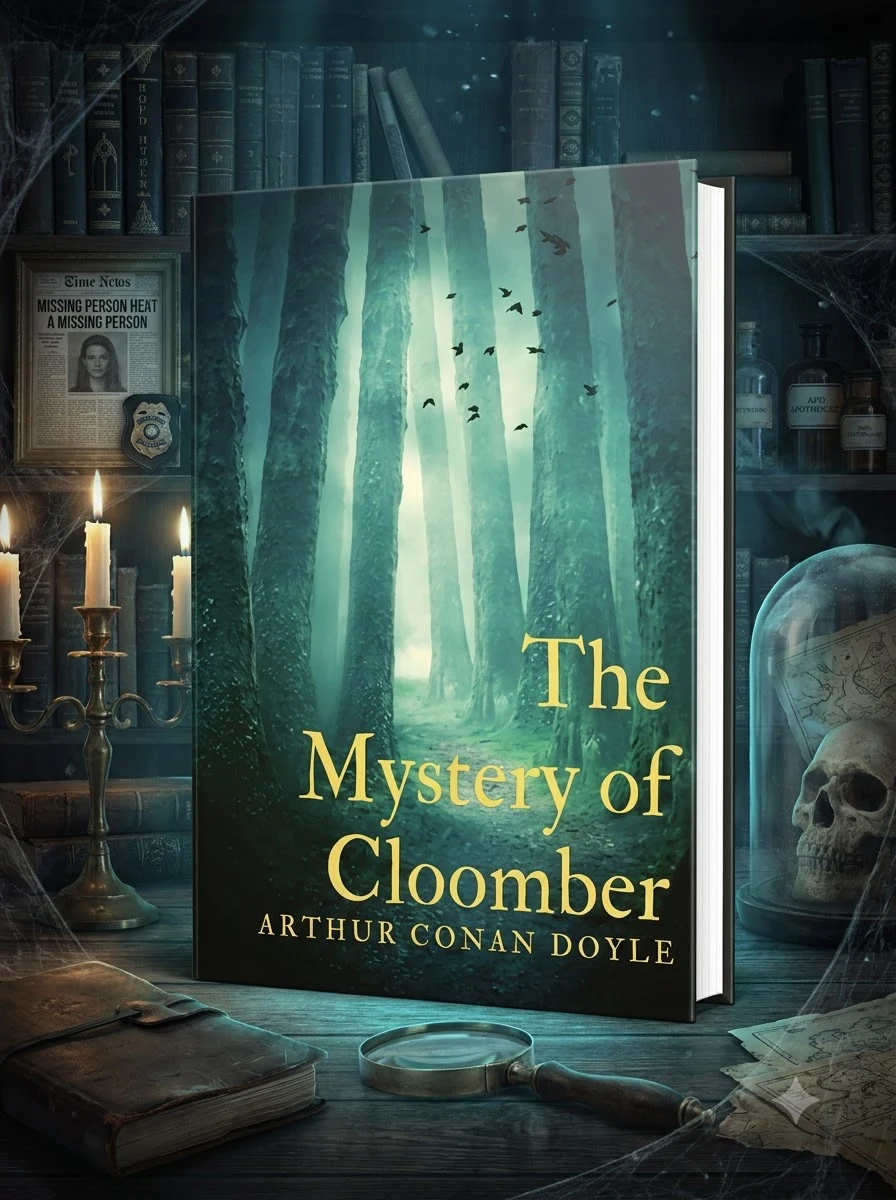
You might also like
See more →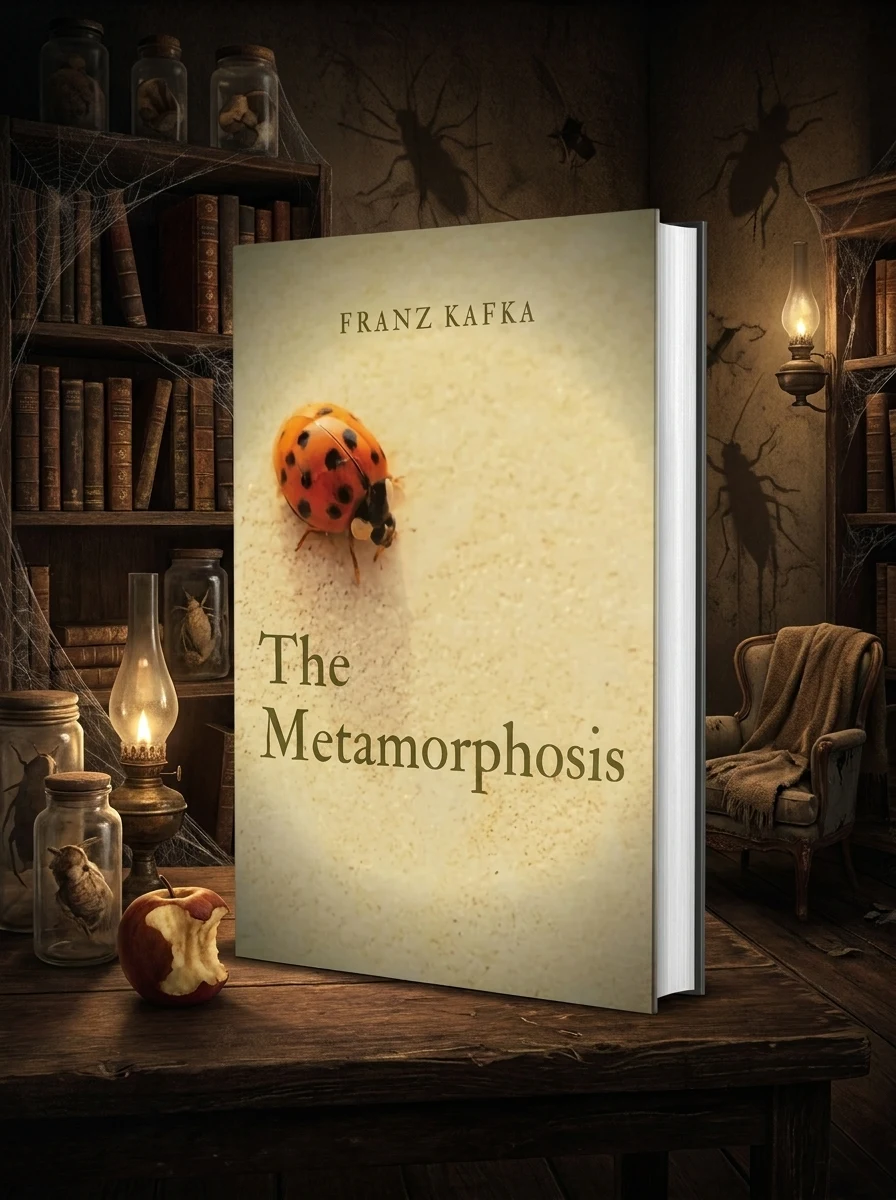

Have a question about this item?
Ask about the edition, condition, delivery or anything else — we reply by email or phone, usually within a day.
