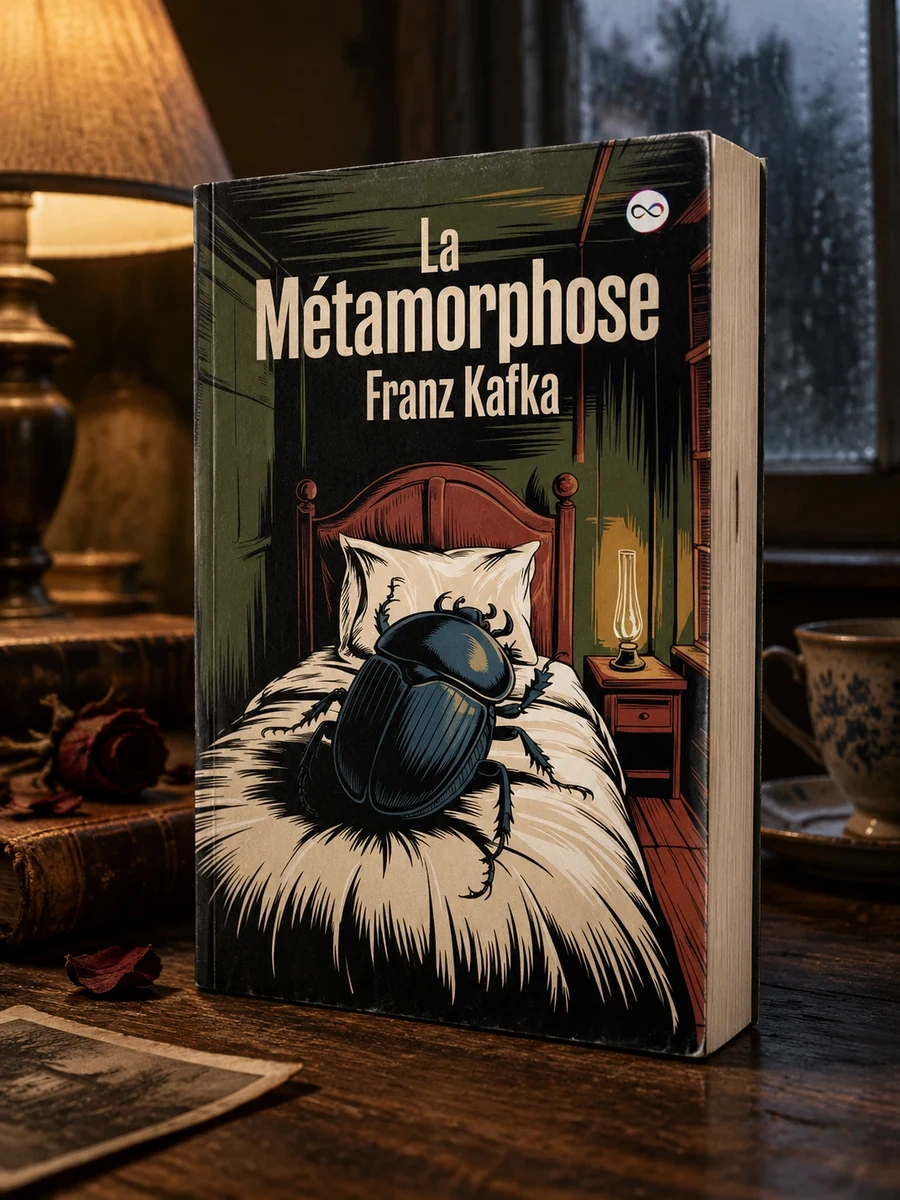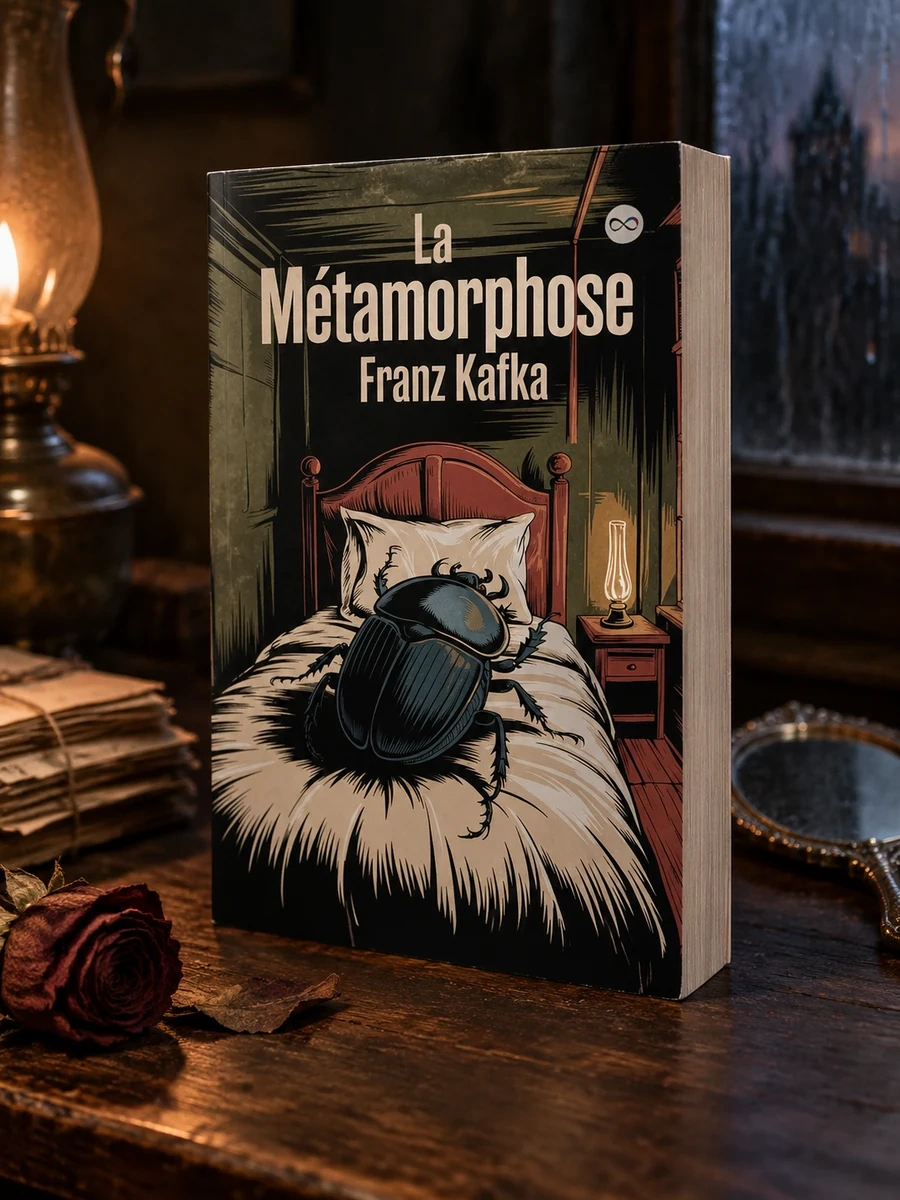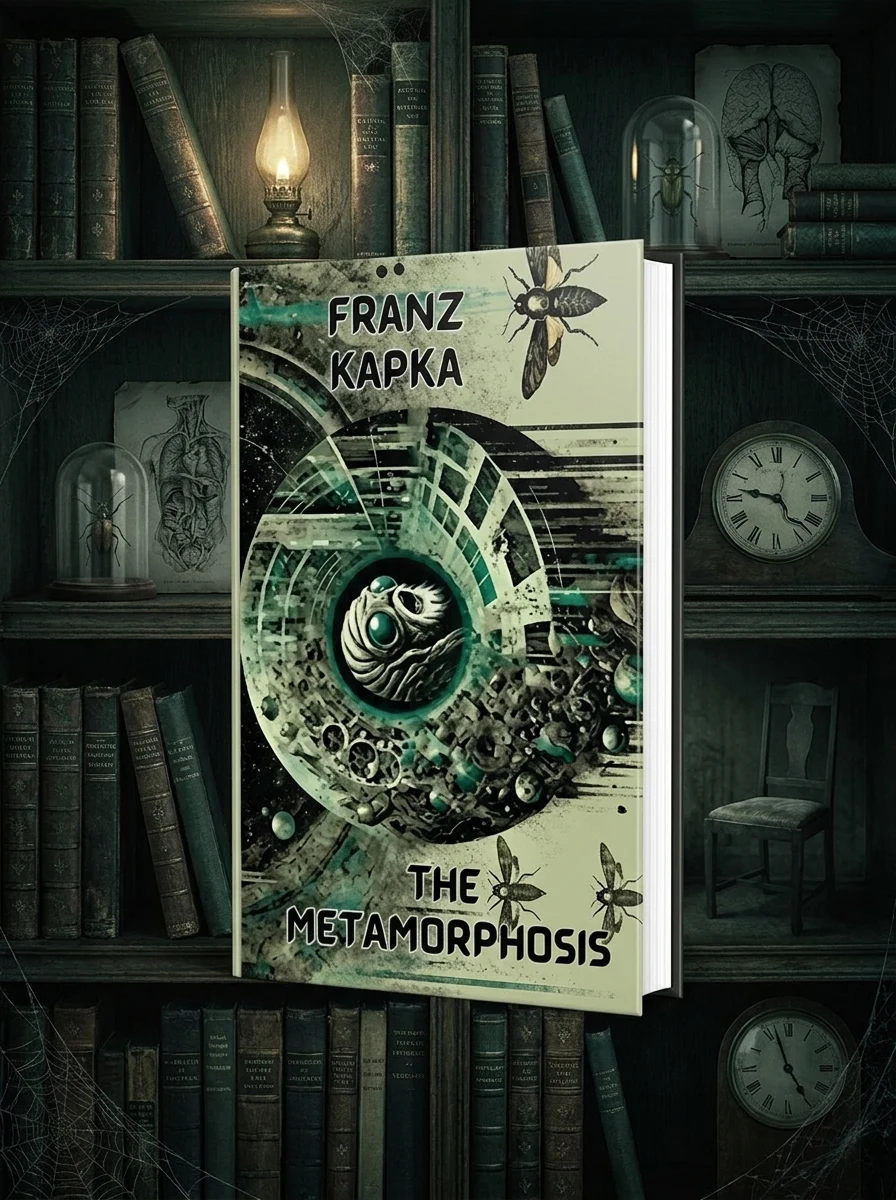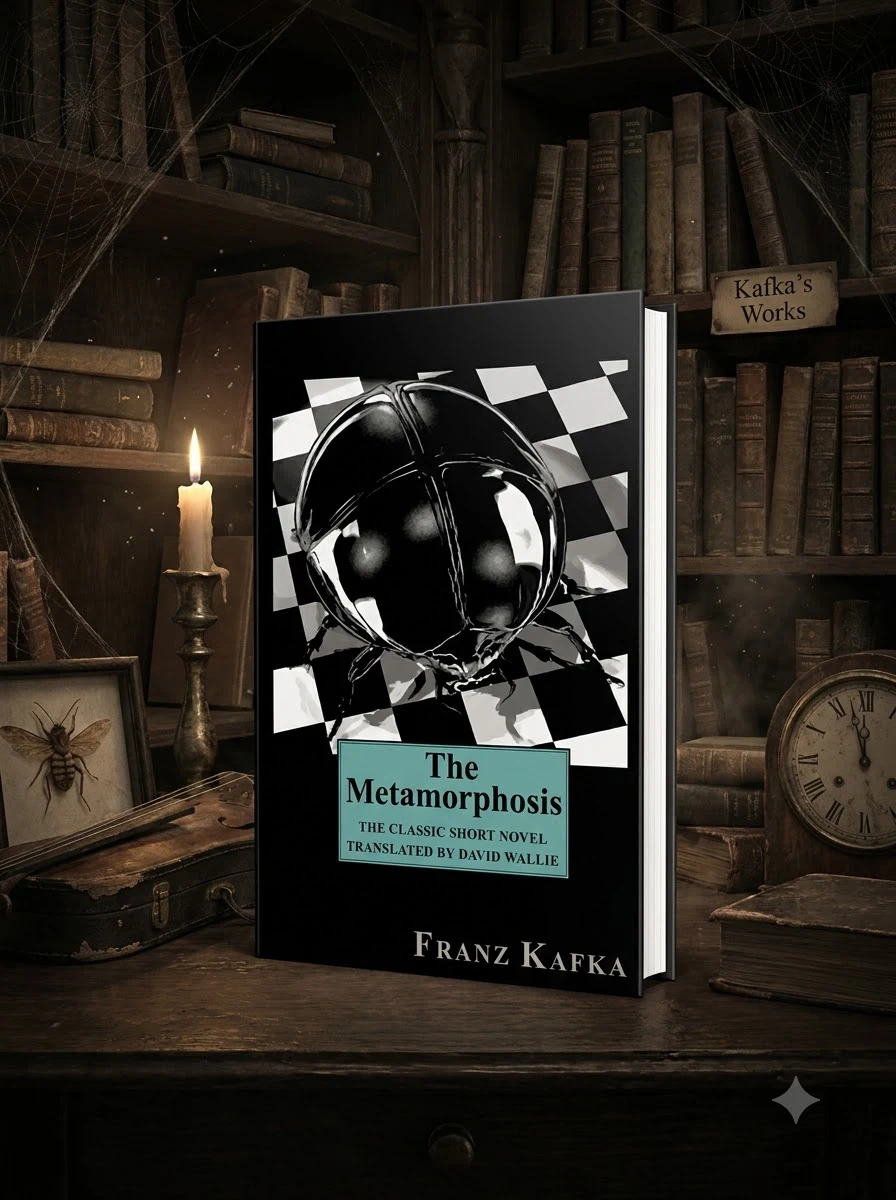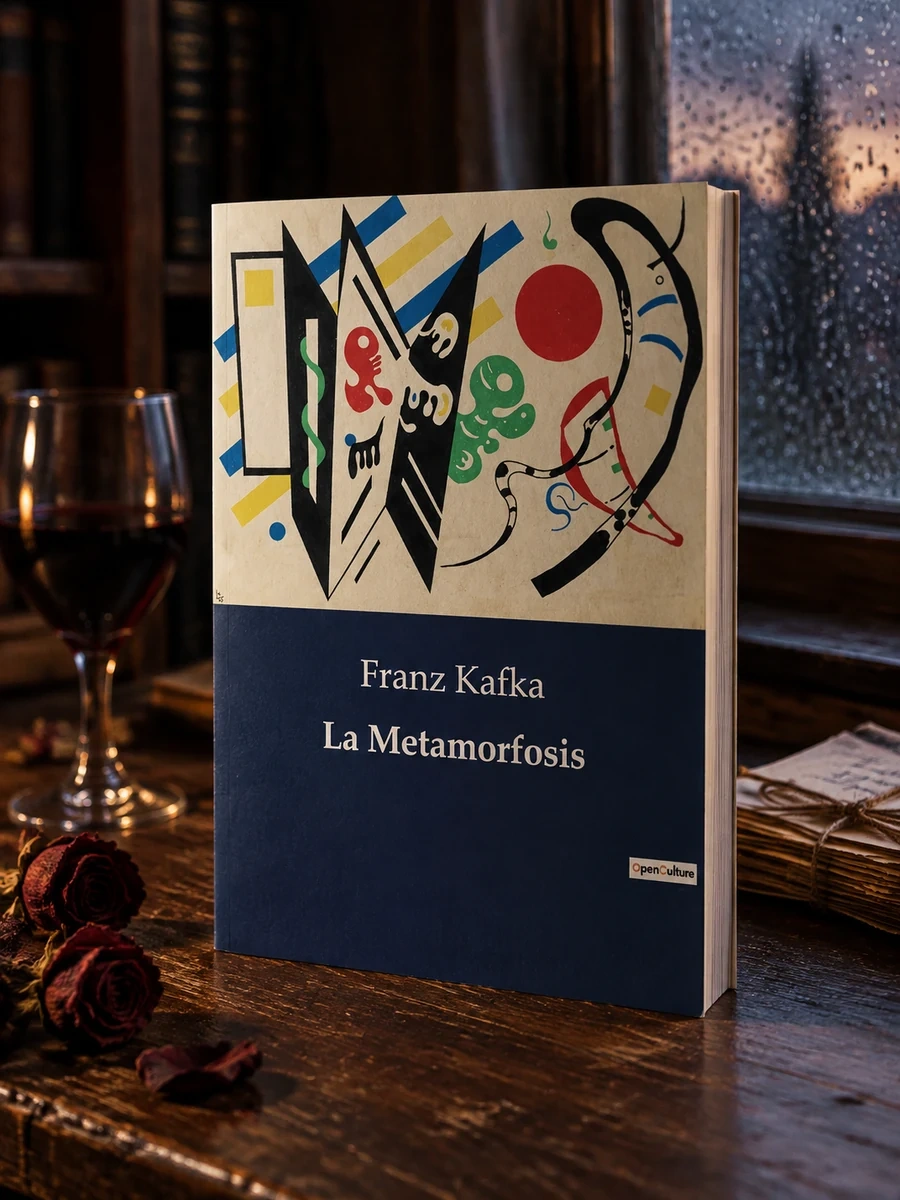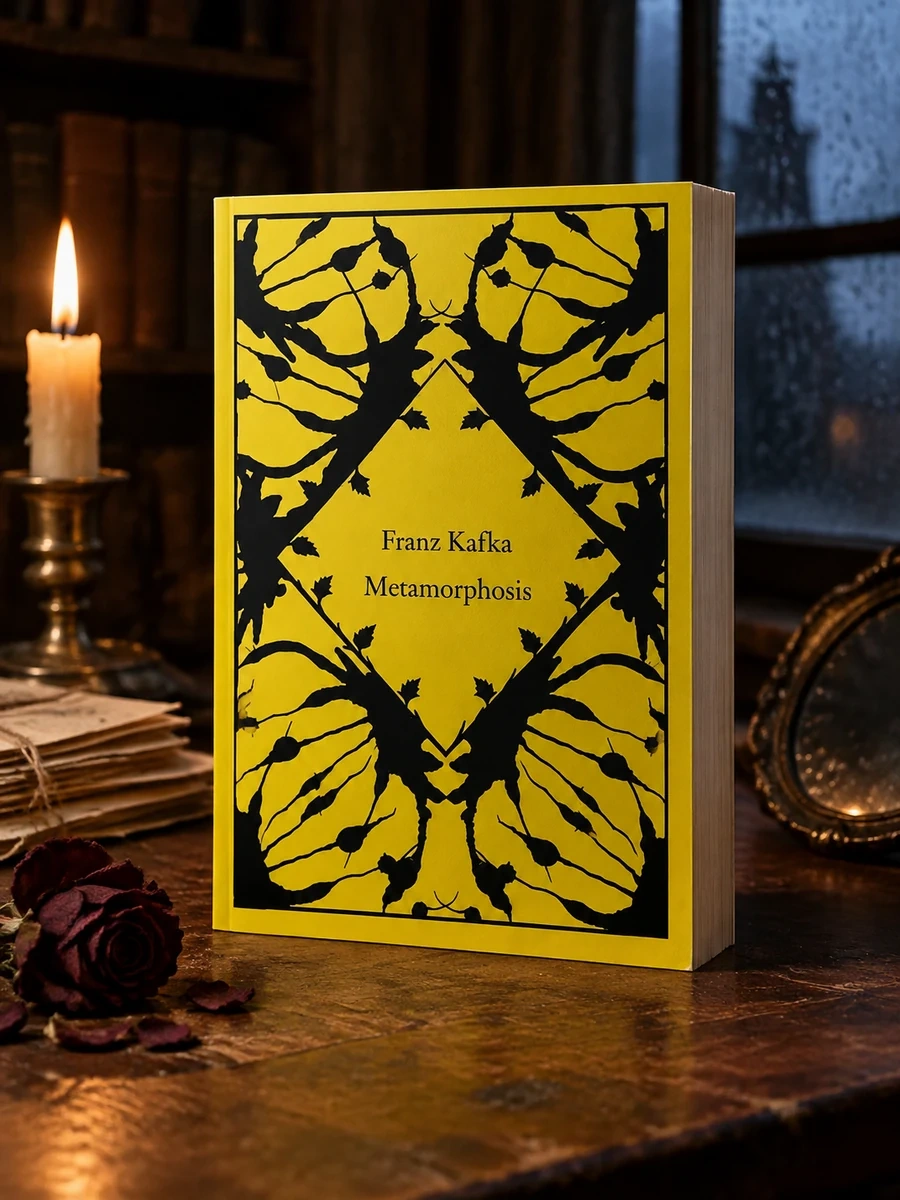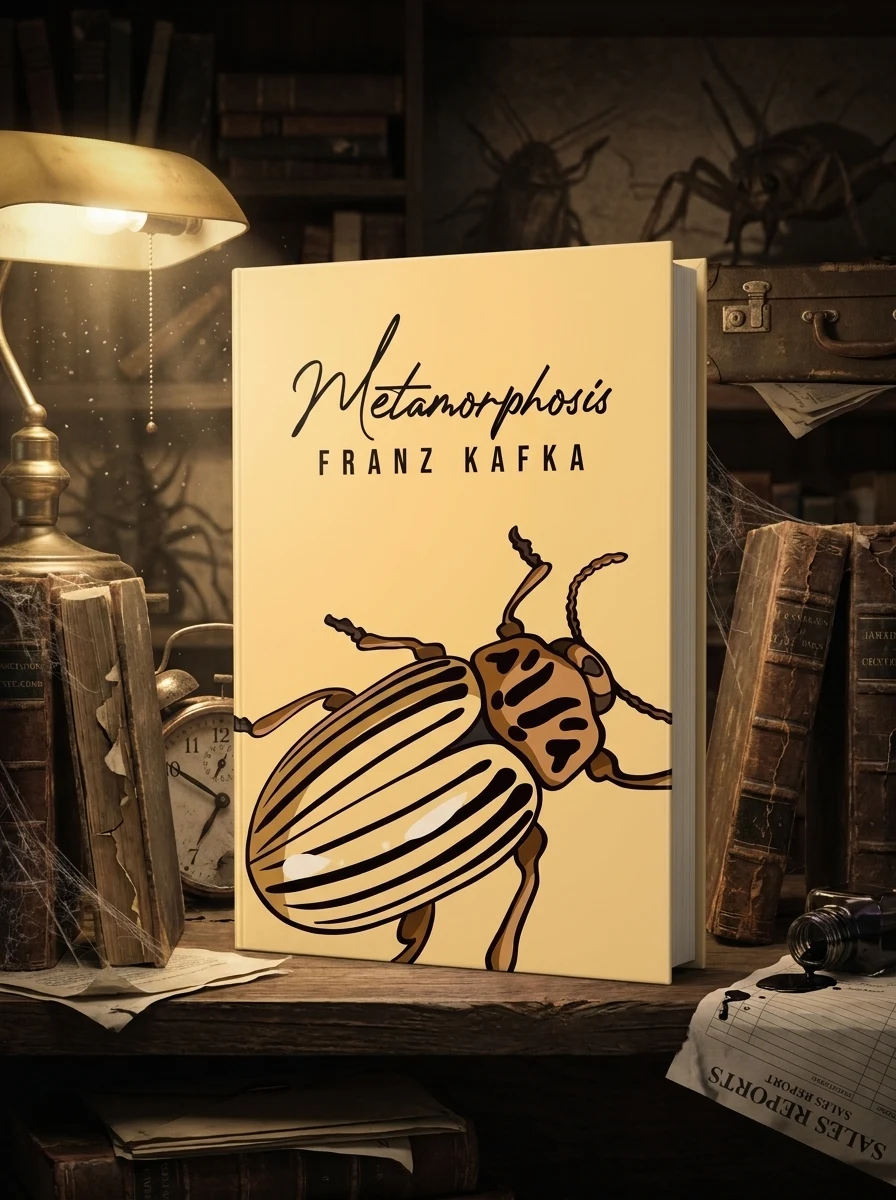

Metamorphosis
A 1915 novella about a salesman turning into an insect.
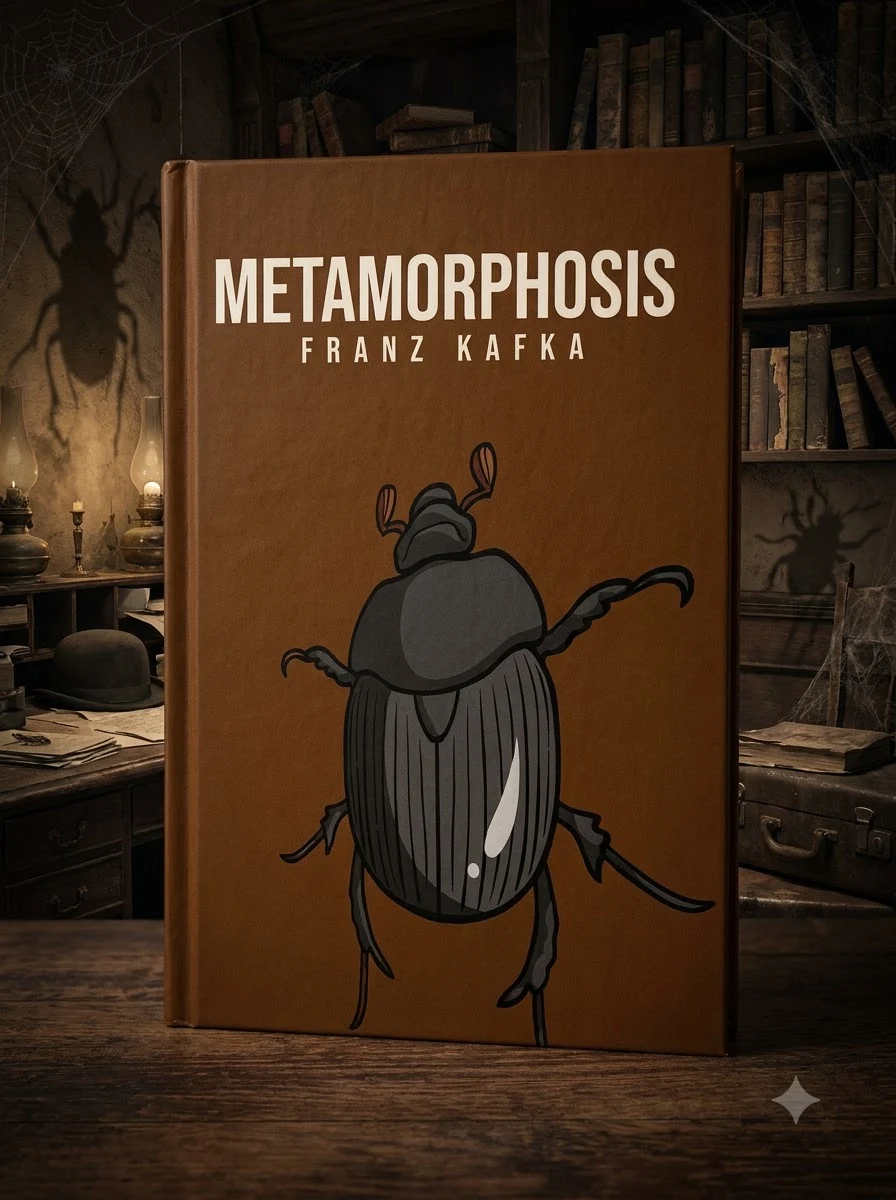
Gregor Samsa begins as a traveling salesman. One morning he wakes transformed into a monstrous insect. This event triggers a series of events that explore his relationship with his family and society. The narrative focuses on the immediate aftermath of this change rather than the cause. Kafka uses this premise to examine themes of alienation and duty. The story does not provide answers for the transformation. Instead, it details the practical and emotional consequences for Gregor and those around him. The text remains a widely read work of fiction that continues to resonate with modern audiences.
Franz Kafka published this novella in 1915. It became a worldwide classic within a century. The work draws on the traditions of gothic and supernatural fiction. It remains one of the most widely read works of fiction globally, influencing major literary figures like Orwell and Camus.


📝 Description: Metamorphosis
💎 Our verdict on Metamorphosis
📖 Why choose it
Why this book is worth reading
This book is essential for readers who appreciate the intersection of literary fiction and horror, specifically those drawn to themes of alienation and physical metamorphosis. It appeals to audiences interested in the gothic tradition and supernatural elements that defy logical explanation. Those seeking a stark examination of isolation and duty without comforting resolutions will find this work compelling. It offers deep emotional resonance through surreal imagery rather than straightforward plotting. The narrative provides a disturbing yet insightful look at the human condition under extreme duress, making it suitable for those who enjoy complex psychological weight over traditional horror tropes.
⭐ Reader reviews
Reader rating
The text masterfully crafts a nightmarish scenario where logical explanation is absent, forcing readers to confront the immediate emotional consequences of Gregor Samsa’s transformation. Its strength lies in its unflinching exploration of duty and alienation rather than the mechanics of the change itself. The work suits readers who value atmospheric depth and psychological realism within the horror genre. It is particularly effective for those accustomed to the works of Kafka, Orwell, or Camus who appreciate subtle, unsettling imagery. While it lacks a happy ending or clear resolution, its enduring power comes from its stark depiction of isolation. This novella remains a vital piece of classic fiction that continues to unsettle and provoke thought regarding societal expectations and physical change.