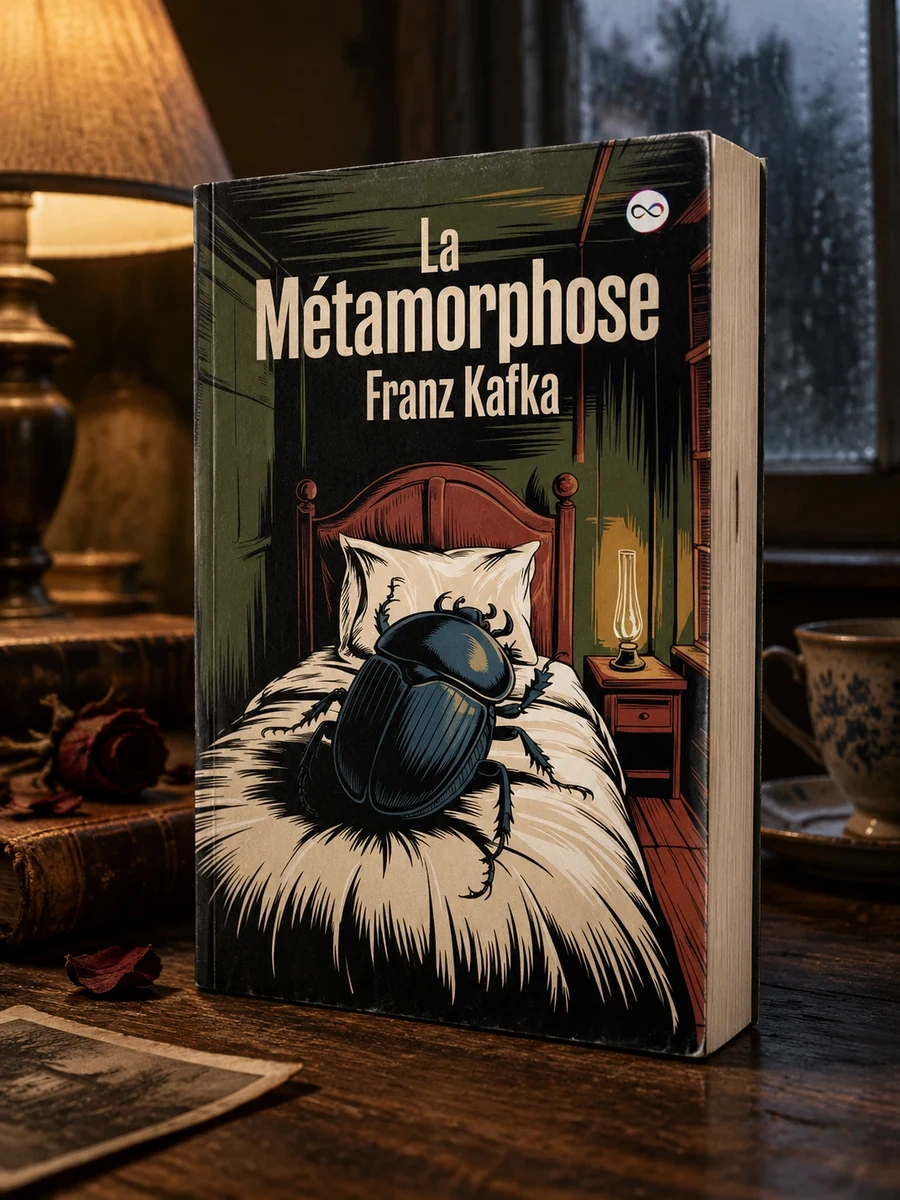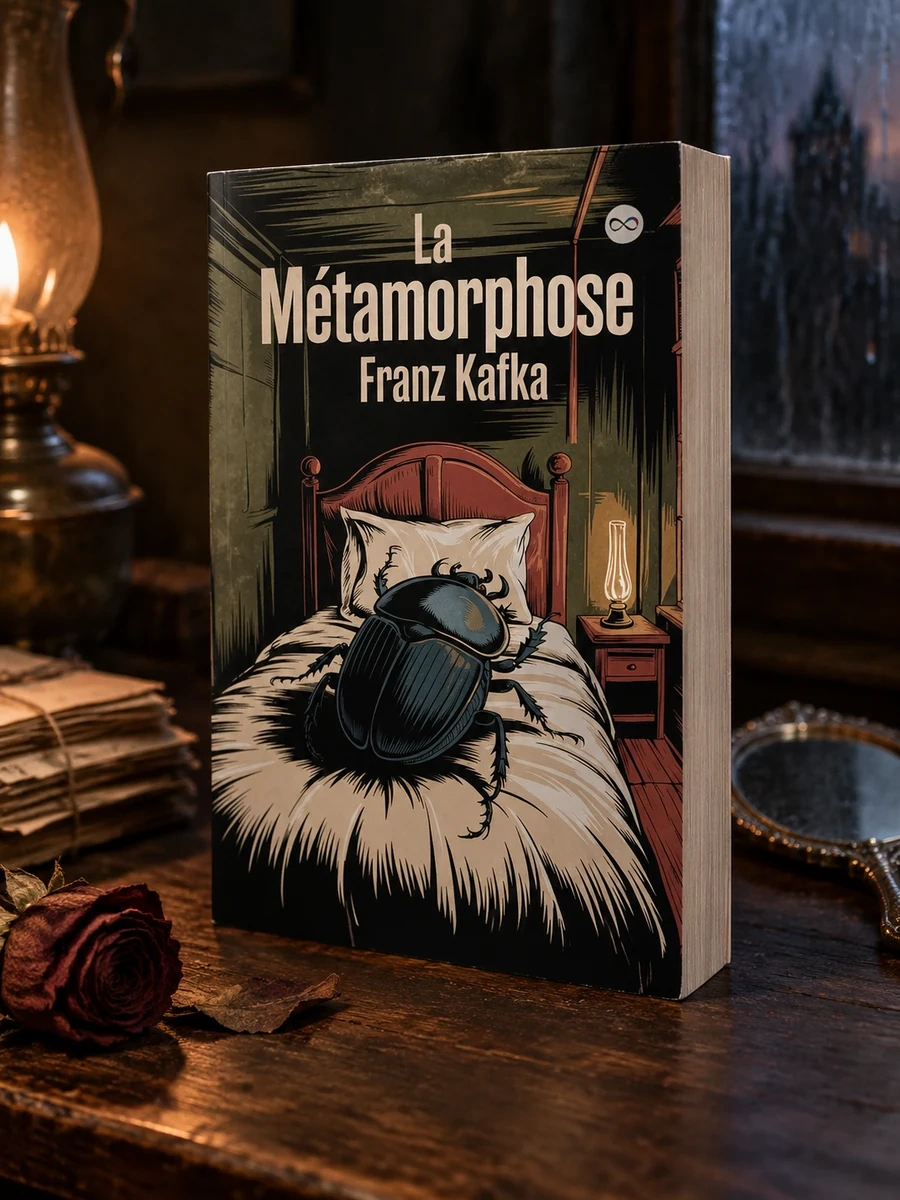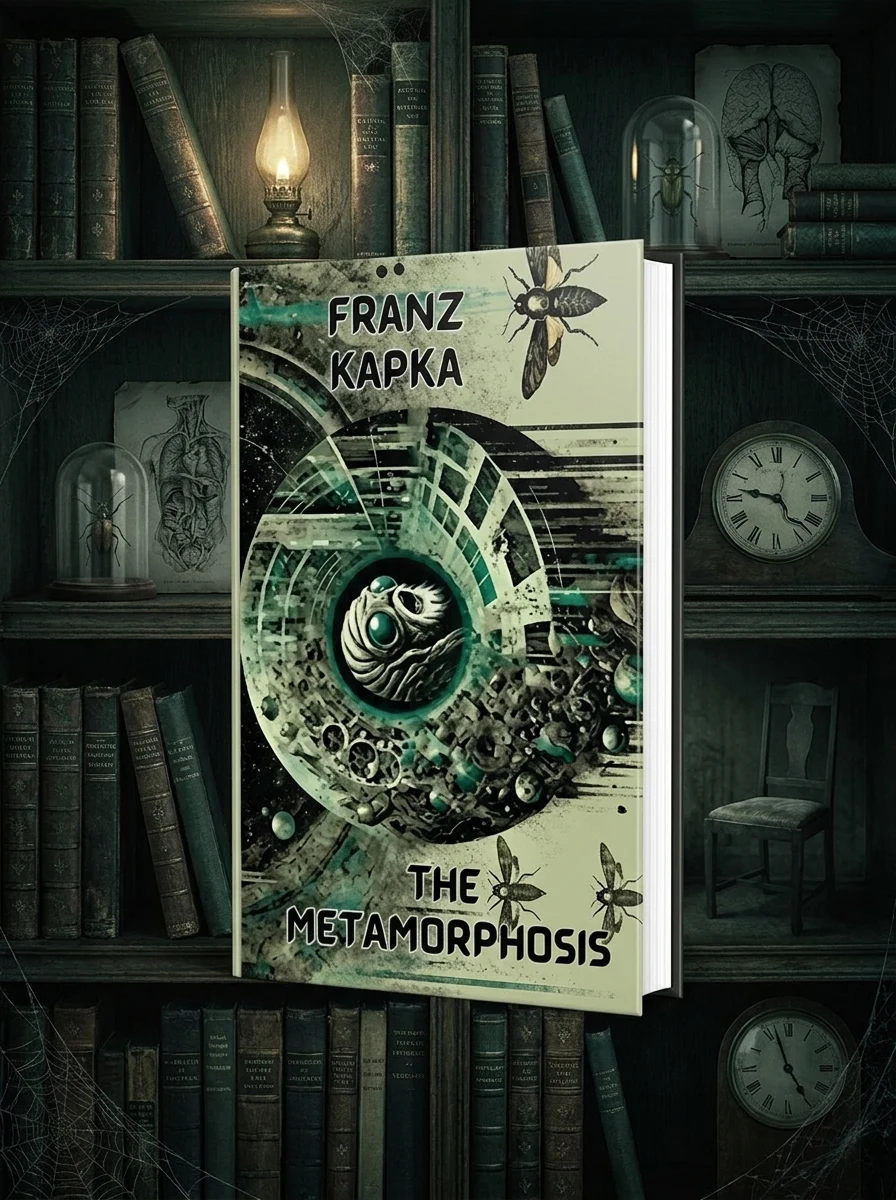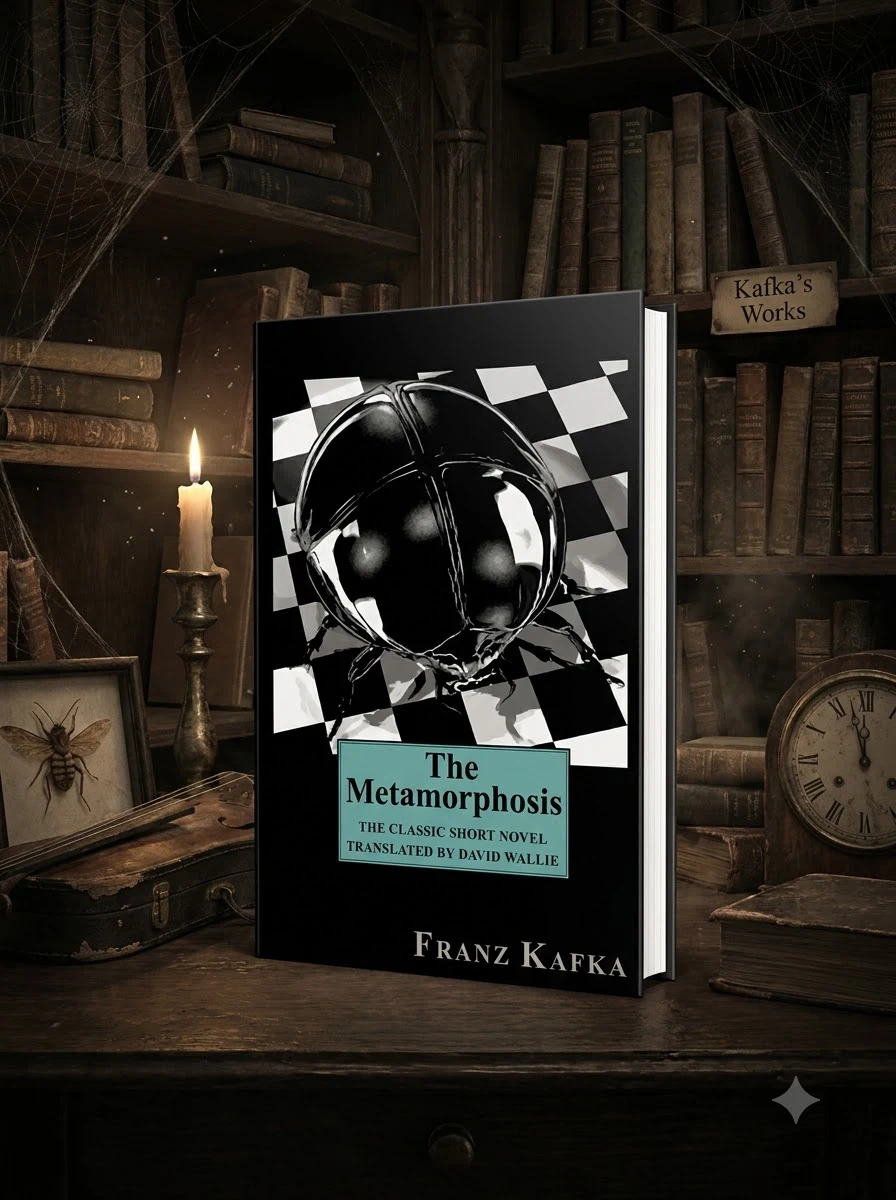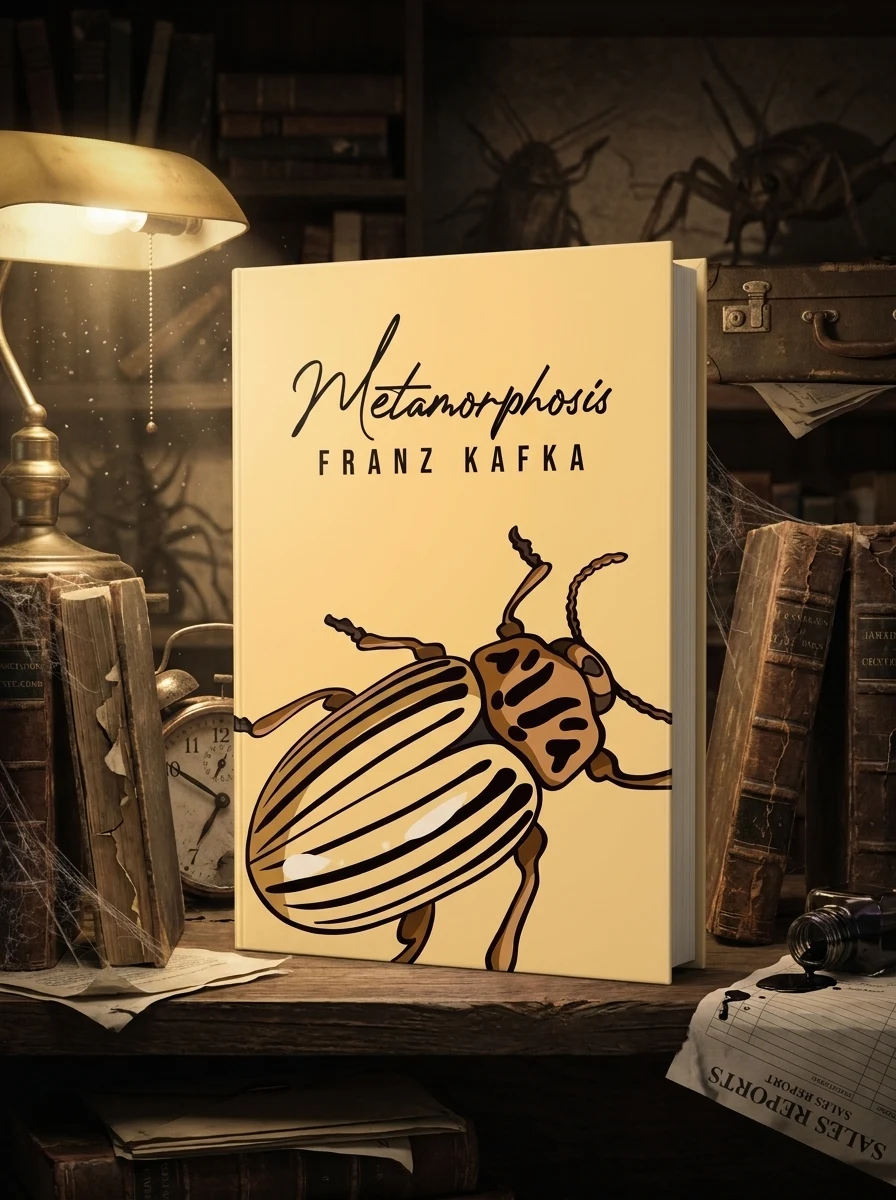

Metamorphosis
Kafka's novella about a salesman turning into an insect.
Gregor Samsa, a traveling salesman, undergoes a sudden physical change that isolates him from his family and society. The story examines the horror of this unexplained transformation through Kafka’s distinct lens. Published in 1915, the work has maintained its relevance for over a century. It continues to influence contemporary writers and thinkers who grapple with similar themes of existential dread. The narrative does not offer comfort or easy answers regarding the cause of the metamorphosis. Instead, it forces readers to confront the absurdity of the situation alongside Gregor. This edition presents the text in a format accessible to modern American readers seeking classic horror.
This 1915 novella sits at the intersection of gothic fiction and early modernist literature. It has influenced major twentieth-century writers like Orwell, Camus, Borges, and Bradbury. The work remains a cornerstone of supernatural fiction, continuing to unsettle millions of readers globally long after its initial publication.


📝 Description: Metamorphosis
💎 Our verdict on Metamorphosis
📖 Why choose it
Why this book is worth reading
Readers drawn to the unsettling intersections of body horror and existential philosophy will find profound value in this text. It appeals to those who appreciate classic modernist literature that challenges conventional reality rather than offering comfort or easy answers. The novella forces an engagement with the absurdity of isolation, making it ideal for audiences seeking a stark examination of alienation. It is particularly suited for individuals willing to confront disturbing imagery and unexplained transformations without the solace of supernatural explanations. By focusing on psychological implications over adventure plots, it rewards those who enjoy complex narratives that demand active intellectual participation and offer no clear resolutions.
⭐ Reader reviews
Reader rating
This edition presents Kafka’s terrifying vision with clarity for modern American readers. The narrative excels in its unflinching portrayal of Gregor Samsa’s isolation, avoiding easy explanations to focus on the horror of social rejection. Its strength lies in the psychological depth and the stark prose that defines the protagonist's nightmarish existence. It suits readers who appreciate works that challenge reality and explore the absurdity of human condition. Those seeking straightforward adventure or clear resolutions may find it difficult, but fans of gothic and supernatural fiction will find it a significant, disturbing piece. The text remains relevant for its century-old yet timeless examination of physical change and alienation.