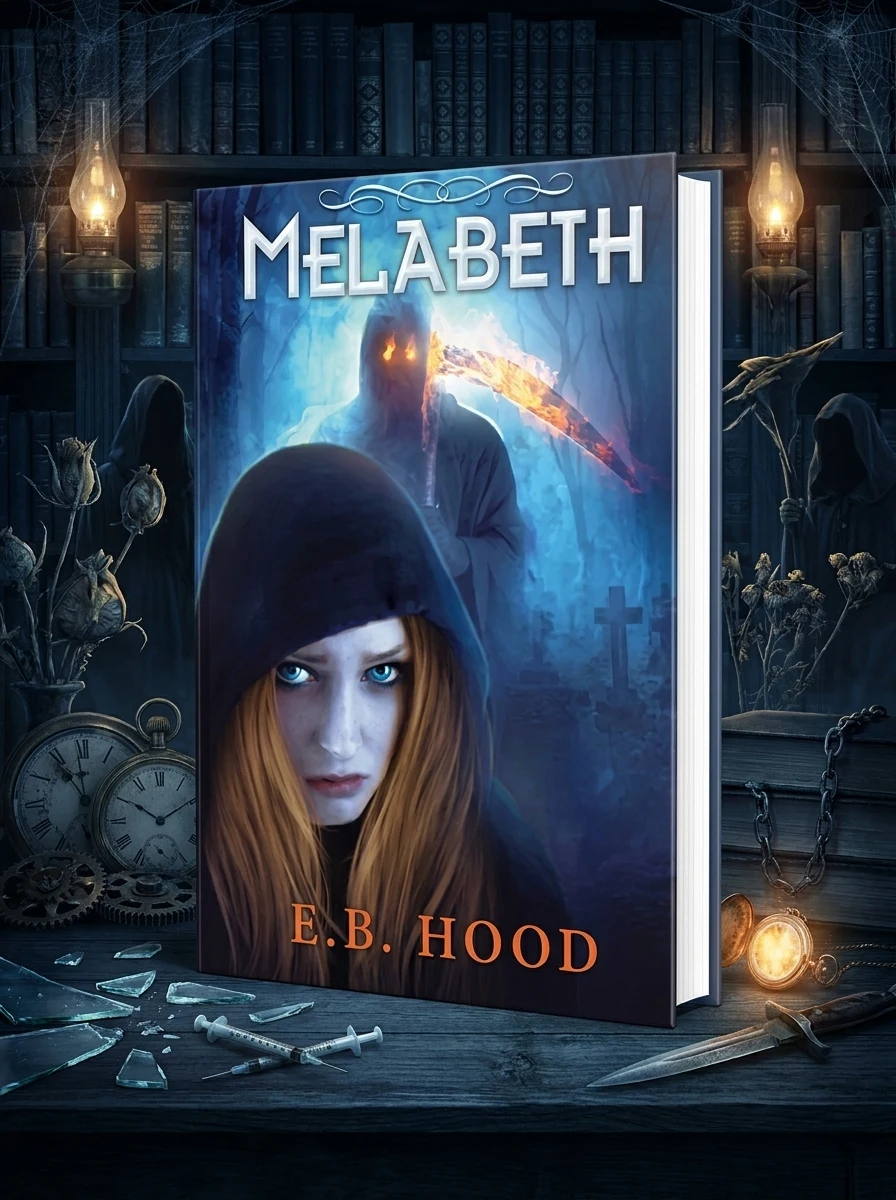
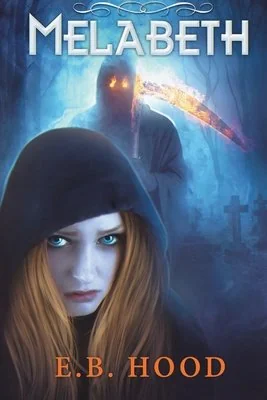
Melabeth the Vampire
A teen transforms into a vampire after abuse, seeking revenge in a new world.
Melanie Dare becomes Melabeth, leaving her old life behind. The story tracks her movement through a period where she seeks belonging among new people. Some companions turn out to be untrustworthy, complicating her revenge mission. Hood blends romance with themes of retribution. This book introduces a trilogy that eventually deals with forgiveness. It targets readers who like gothic fiction and moral complexity. The narrative rejects easy answers, showing a world where affection and anger exist side by side.
Published in 2012 by E.B. Hood, this work sits within the contemporary horror genre. It draws on established vampire tropes while focusing on modern psychological trauma. The narrative reflects a blend of supernatural fiction and gothic traditions, targeting readers who enjoy dark, character-focused stories.


📝 Description: Melabeth the Vampire
💎 Our verdict on Melabeth the Vampire
📖 Why choose it
Why this book is worth reading
Readers seeking depth in character-driven horror will find this title rewarding for its nuanced exploration of trauma and redemption. It is ideal for those who appreciate gothic fiction that refuses easy answers, offering a complex look at how affection and anger coexist. Fans of dark fantasy interested in the psychological aftermath of abuse and the quest for belonging will engage with Melabeth’s journey. The book appeals to audiences comfortable with moral ambiguity, as it investigates selfhood within a supernatural context. Those who enjoy stories where retribution complicates romantic connections and social integration will find substance here. It is not for readers seeking light entertainment or straightforward narratives, but rather for those willing to confront the difficult themes of forgiveness and uncontrollable situations presented through a literary lens.
⭐ Reader reviews
Reader rating
Hood delivers a compelling narrative that blends vampire mythology with intense psychological drama. The protagonist’s transformation serves as a powerful metaphor for survival and the loss of identity, grounding the supernatural elements in emotional reality. The story excels in depicting the tension between revenge and the desire for belonging, creating a rich gothic atmosphere. While the themes are heavy, the exploration of moral complexity offers significant literary value. It suits readers who enjoy dark fantasy where character development drives the plot rather than mere action. The integration of romance with retribution adds layers to the supernatural conflict, making the protagonist’s journey both tragic and intriguing. This installment sets a strong foundation for the trilogy’s focus on forgiveness, appealing to those who value atmospheric storytelling and thematic depth over conventional horror tropes.
You might also like
See more →






Have a question about this item?
Ask about the edition, condition, delivery or anything else — we reply by email or phone, usually within a day.
