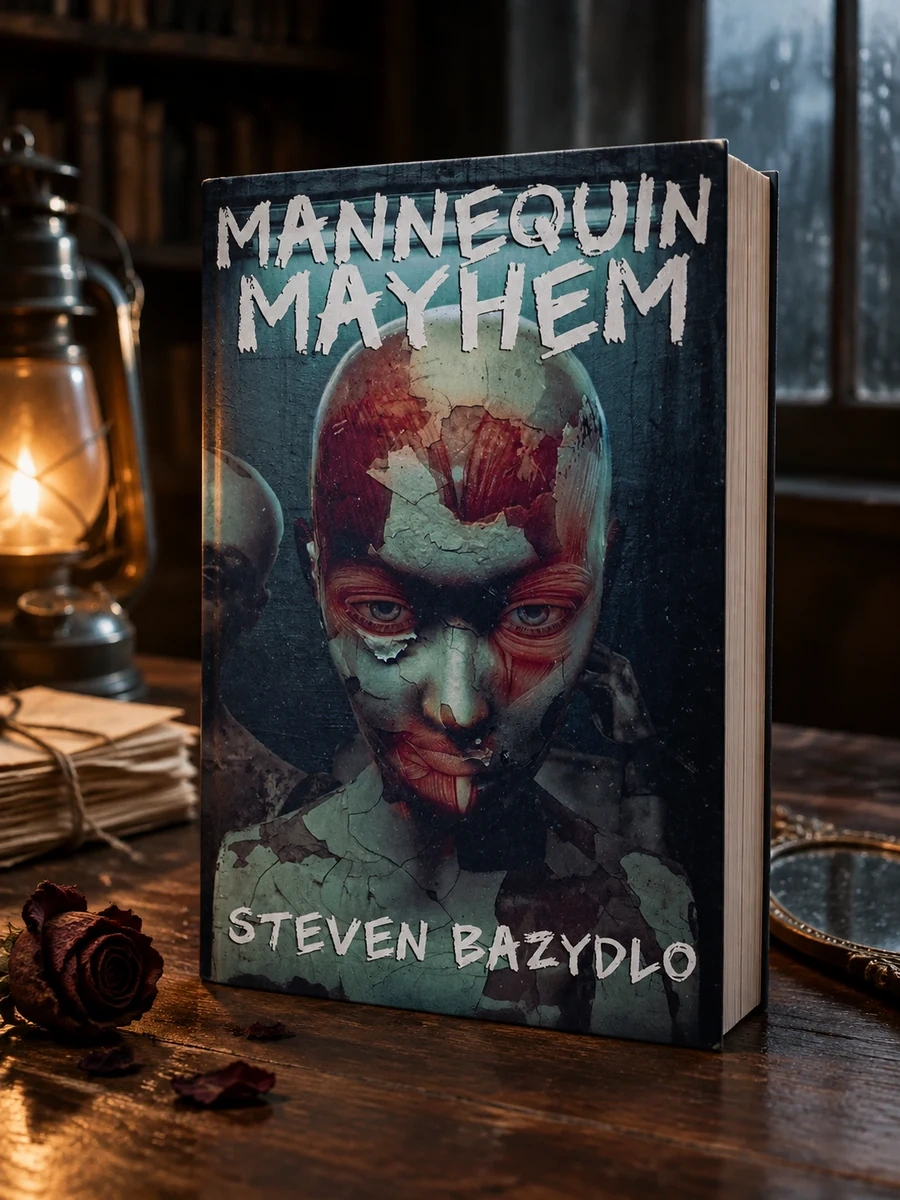
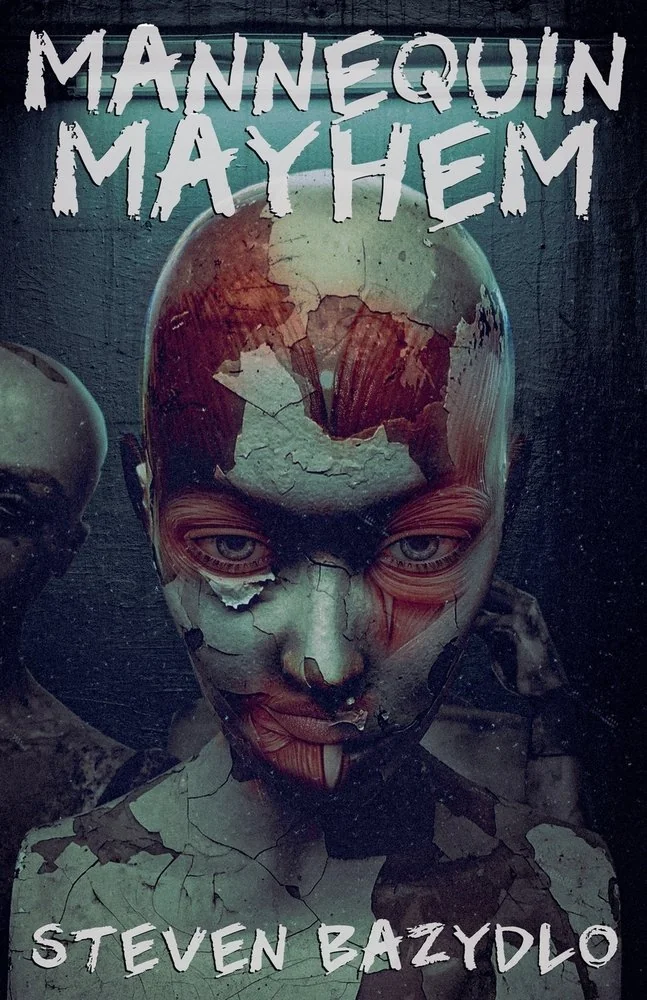
Mannequin Mayhem
A post-apocalyptic horror novel by Steven Bazydlo exploring faction warfare after a mysterious flash.
The narrative focuses on the immediate aftermath of a global event known as the flash. Two years later, the initial chaos has stabilized into a rigid new order controlled by various factions. The central conflict arises from the need to survive in this environment. Characters are forced to make difficult choices that test their loyalty and morals. The story does not rely on supernatural monsters but on human desperation. It examines how desire drives action when societal norms collapse. The plot moves toward an inevitable confrontation between these groups. Bazydlo uses a straightforward style to convey the weight of this new existence. The tone remains consistently dark, reflecting the harsh conditions of the setting.
The book was published in 2024 by Steven Bazydlo. It sits within the contemporary horror genre, specifically addressing themes of societal collapse and survival. The narrative reflects current anxieties about stability and community breakdown in a modern context.


📝 Description: Mannequin Mayhem
💎 Our verdict on Mannequin Mayhem
📖 Why choose it
Why this book is worth reading
Readers who appreciate unflinching examinations of human nature under extreme duress will find this narrative compelling. It offers a stark, hope-free exploration of faction warfare where loyalty is tested by survival instincts. Those drawn to psychological horror and ethical ambiguity over traditional heroism will engage with the characters' desperate choices. The book appeals to fans of gritty, character-driven stories that prioritize tension and moral cost. It is ideal for those seeking a dark reflection on desire and power when societal norms vanish, providing a raw look at humanity stripped of its veneer.
⭐ Reader reviews
Reader rating
Bazydlo delivers a relentless portrait of a world reshaped by catastrophe, focusing on the rigid order imposed by competing factions. The narrative excels in depicting the psychological strain of survival without relying on supernatural monsters, instead highlighting human desperation and shifting power dynamics. The straightforward style effectively conveys the weight of this grim existence, maintaining a consistently dark tone that reflects the harsh conditions. This work suits readers who enjoy ethical ambiguity and gritty realism over uplifting resolutions. It is a strong choice for those interested in the moral costs of survival in a collapsed society.