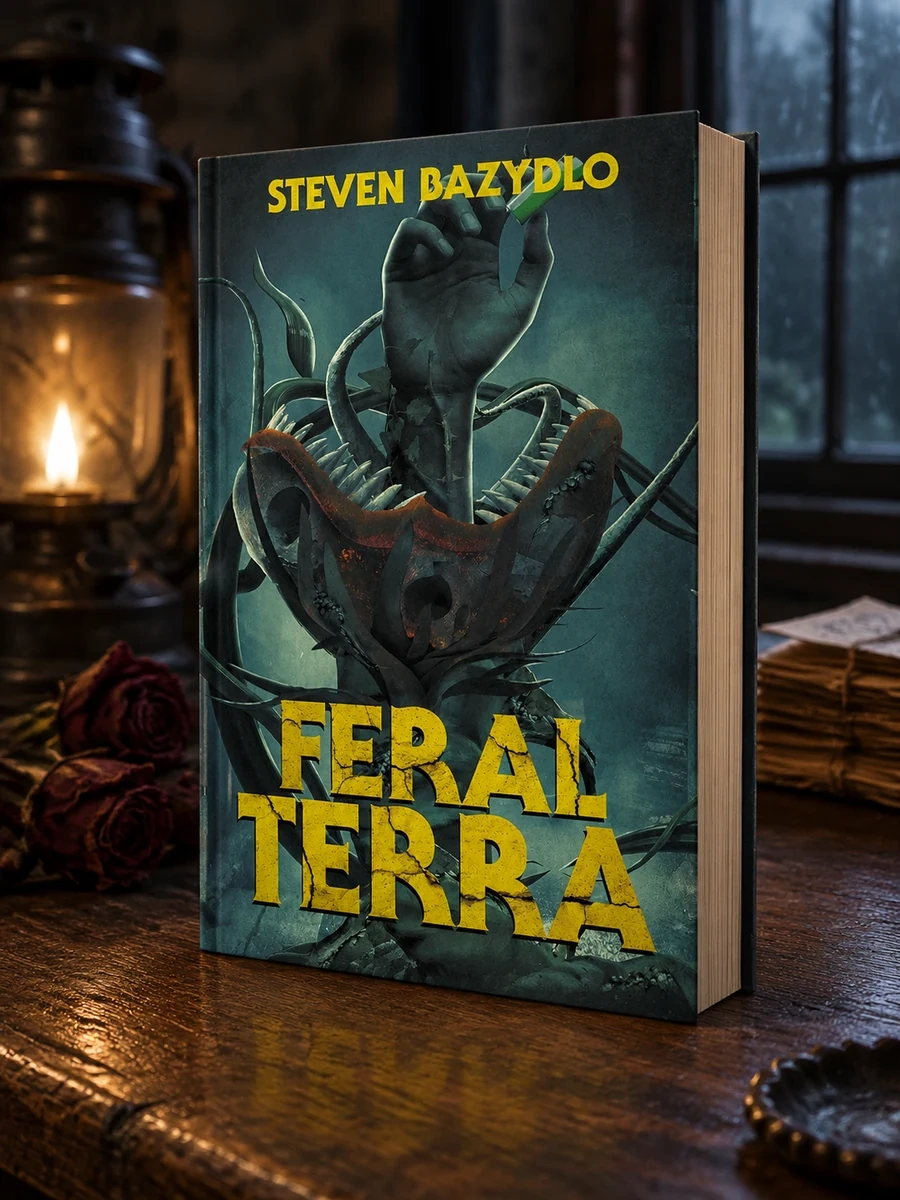
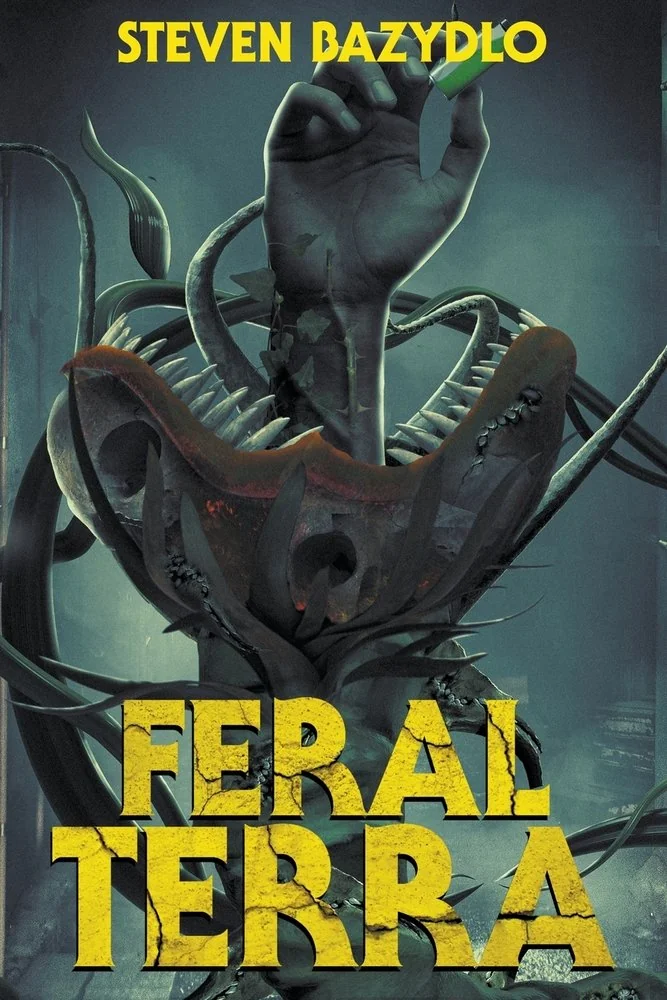
Feral Terra
A fast-paced horror novel about survival amid scientific chaos and viral monstrosities.
The narrative centers on the aftermath of corrupted science, creating a landscape where humanity faces extinction from within. Bazydlo explores how stress reveals hidden duplicity in human behavior. The plot moves quickly as characters make impossible sacrifices to stop a virus that targets every living thing. This approach highlights the fragility of social order when faced with an unstoppable biological enemy. The story does not rely on complex political maneuvering but focuses on the visceral reality of being hunted by creatures that know only one purpose.
Published in 2023, this work sits within the contemporary horror genre. It draws on gothic and supernatural traditions to examine modern anxieties about scientific ethics. The book reflects a period where trust in institutional knowledge has eroded, mirroring current cultural fears about unchecked technological advancement and its potential for catastrophic misuse.


📝 Description: Feral Terra
💎 Our verdict on Feral Terra
📖 Why choose it
Why this book is worth reading
Readers seeking intense survival narratives will find value in this visceral exploration of humanity under extreme duress. The book appeals to those interested in the psychological toll of collapse, where stress reveals hidden duplicity and moral boundaries blur. It is ideal for fans of fast-paced horror who prefer immediate physical stakes over abstract political maneuvering. Those drawn to stories about the consequences of corrupted science will appreciate the stark look at survival instincts. However, it is not suitable for those seeking lighthearted entertainment or gentle comfort. The narrative offers a heavy, unflinching examination of how civilization fractures when faced with a biological enemy that targets every living creature.
⭐ Reader reviews
Reader rating
Steven Bazydlo delivers a relentless narrative where scientific chaos breeds monstrosity. The strength lies in its focus on the visceral reality of being hunted, stripping away complex plots to reveal raw survival instincts. By examining how stress exposes human duplicity, the text creates a tense atmosphere where morality dissolves into instinct. It suits readers who enjoy intense supernatural fiction and gothic horror elements without requiring academic detachment. The pacing ensures that the threat remains immediate and terrifying. While it lacks gentle comfort, it successfully highlights the fragility of social order. This is a solid choice for enthusiasts of true biological threats, offering a stark, uncompromising view of extinction and the desperate sacrifices made to halt it.