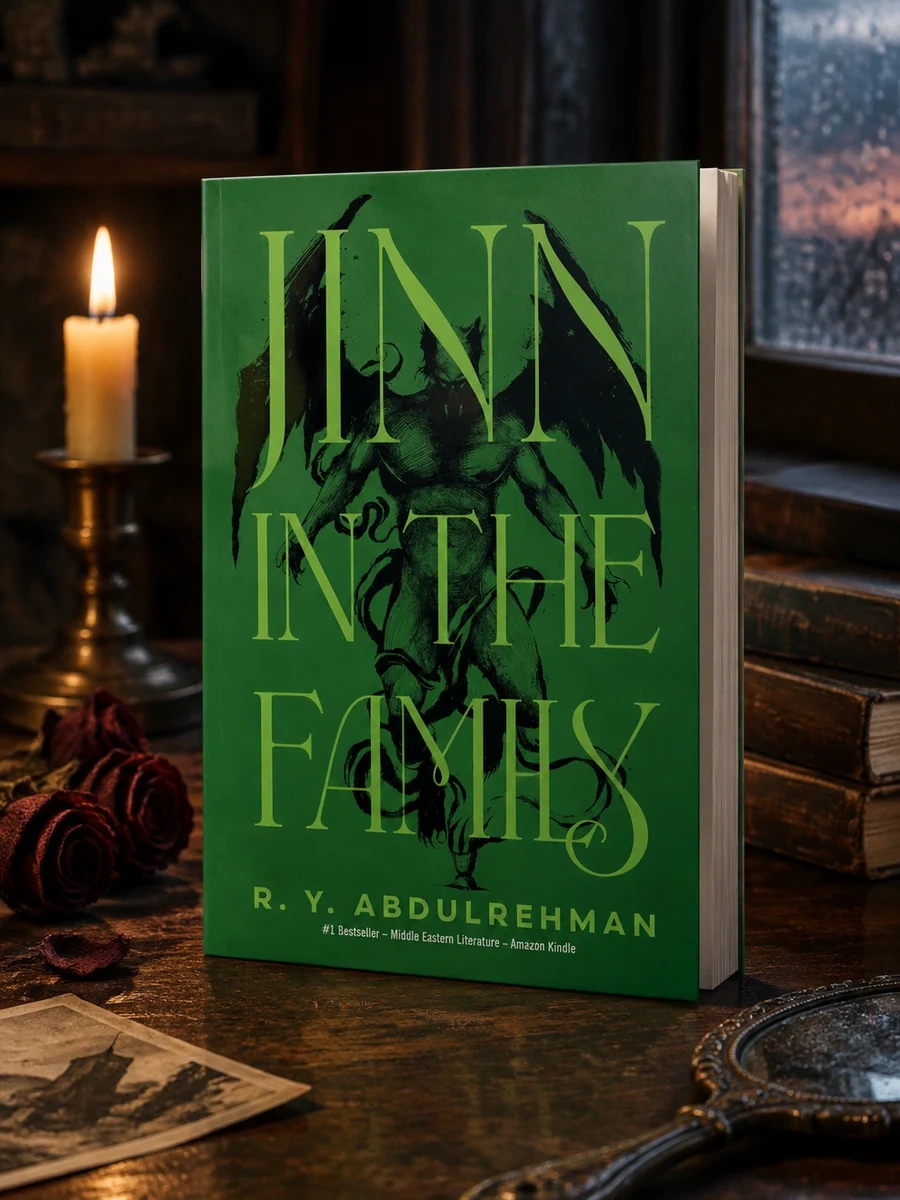
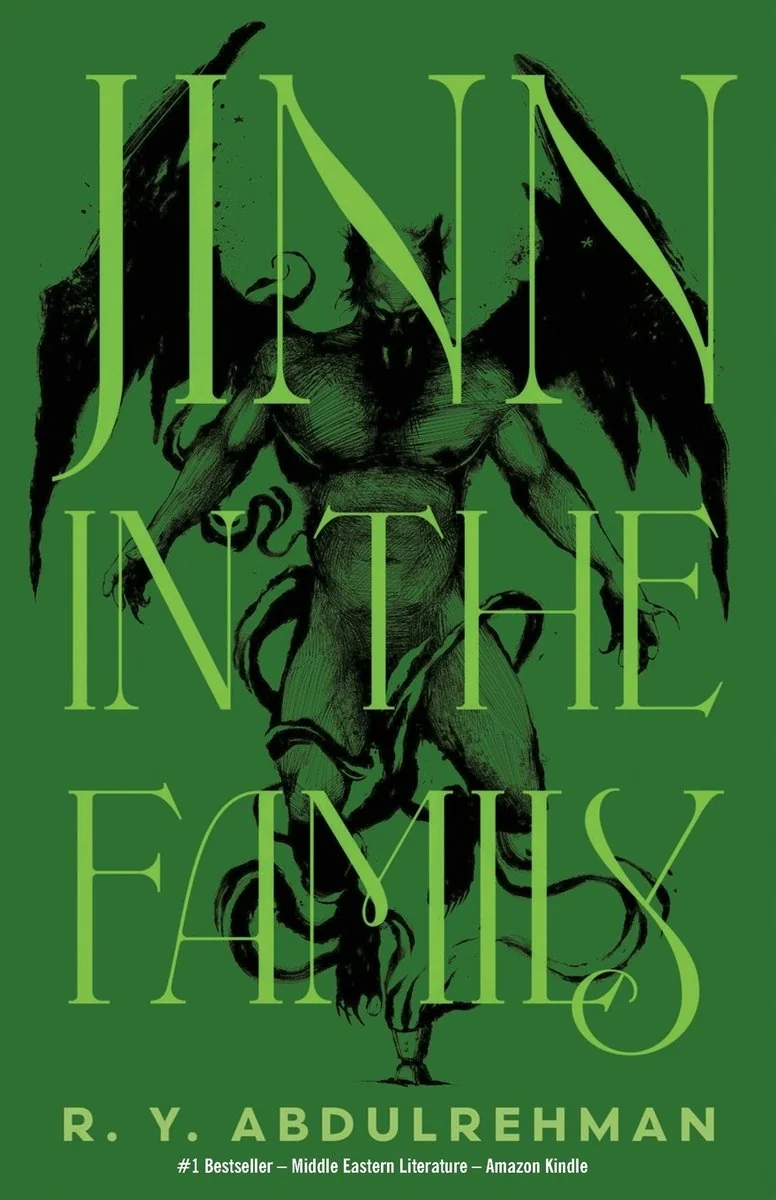
Jinn in the Family
A psychologist faces ancestral spirits in Zanzibar across two timelines.
Abdulrehman, a writer recognized for this shortlisted novel, constructs a narrative where scientific rationalism meets spiritual reality. The protagonist’s journey forces him to confront the weight of his ancestry. He learns that identity is not solely a product of will but also of blood and memory. The text draws on specific cultural traditions to show how exile affects one’s sense of self. The intertwining periods allow the reader to see the roots of the current conflict. This approach highlights the persistence of the past in the present life of the diaspora.
The novel is set in Zanzibar and draws on Arab, African, and Indian lineages. It engages with folklore and spiritual fiction to explore the experiences of those living outside their ancestral home.


📝 Description: Jinn in the Family
💎 Our verdict on Jinn in the Family
📖 Why choose it
Why this book is worth reading
Readers drawn to atmospheric horror that prioritizes psychological depth and cultural exploration will find this work compelling. It appeals to those interested in how ancestral spirits and jinn influence modern identity, particularly for audiences engaged with themes of exile and diaspora. The narrative offers a unique blend of scientific rationalism confronting spiritual reality, making it ideal for fans of magical realism and gothic traditions who appreciate nuanced examinations of heritage. Those seeking to understand the persistence of the past in contemporary life will gain insight through its poetic tone and dual-timeline structure.
⭐ Reader reviews
Reader rating
Abdulrehman crafts a sophisticated narrative where scientific skepticism collides with spiritual truth in Zanzibar. The intertwining timelines effectively highlight how ancestral roots persist despite exile, challenging the protagonist’s rigid worldview. While the tone is notably poetic rather than visceral, it suits readers seeking cultural myth over straightforward scares. The work excels in examining identity as a product of blood and memory rather than mere will. It is best appreciated by those open to spiritual fiction who value atmospheric depth and complex explorations of heritage. Readers expecting traditional horror may find the approach too contemplative, but fans of diaspora literature will find rich thematic resonance here.
📖 Read on the blog
✍️ More books by this author R Y Abdulrehman
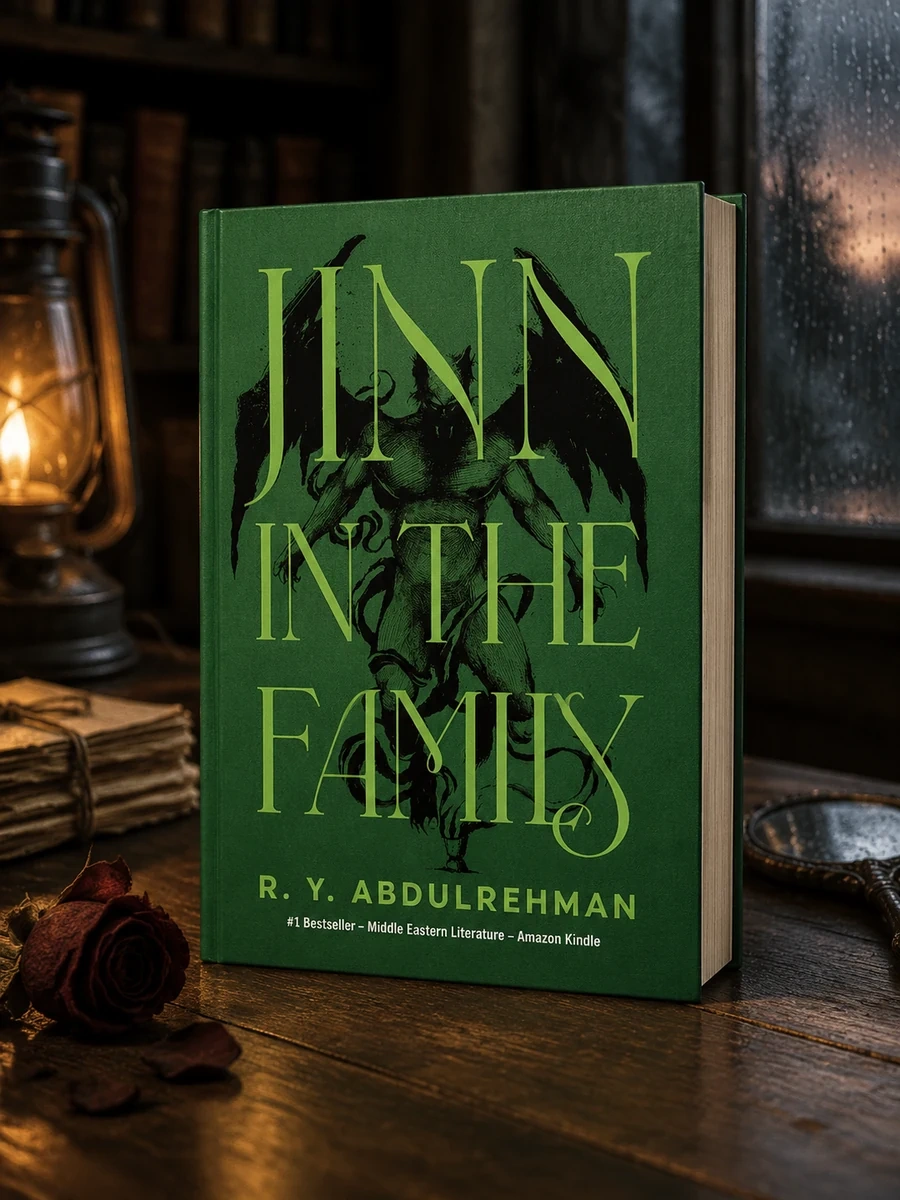


🏛 Books from this publisher Lead with Diversity Press
You might also like
See more →




Have a question about this item?
Ask about the edition, condition, delivery or anything else — we reply by email or phone, usually within a day.
