🩸Horror Tradition
Jinn
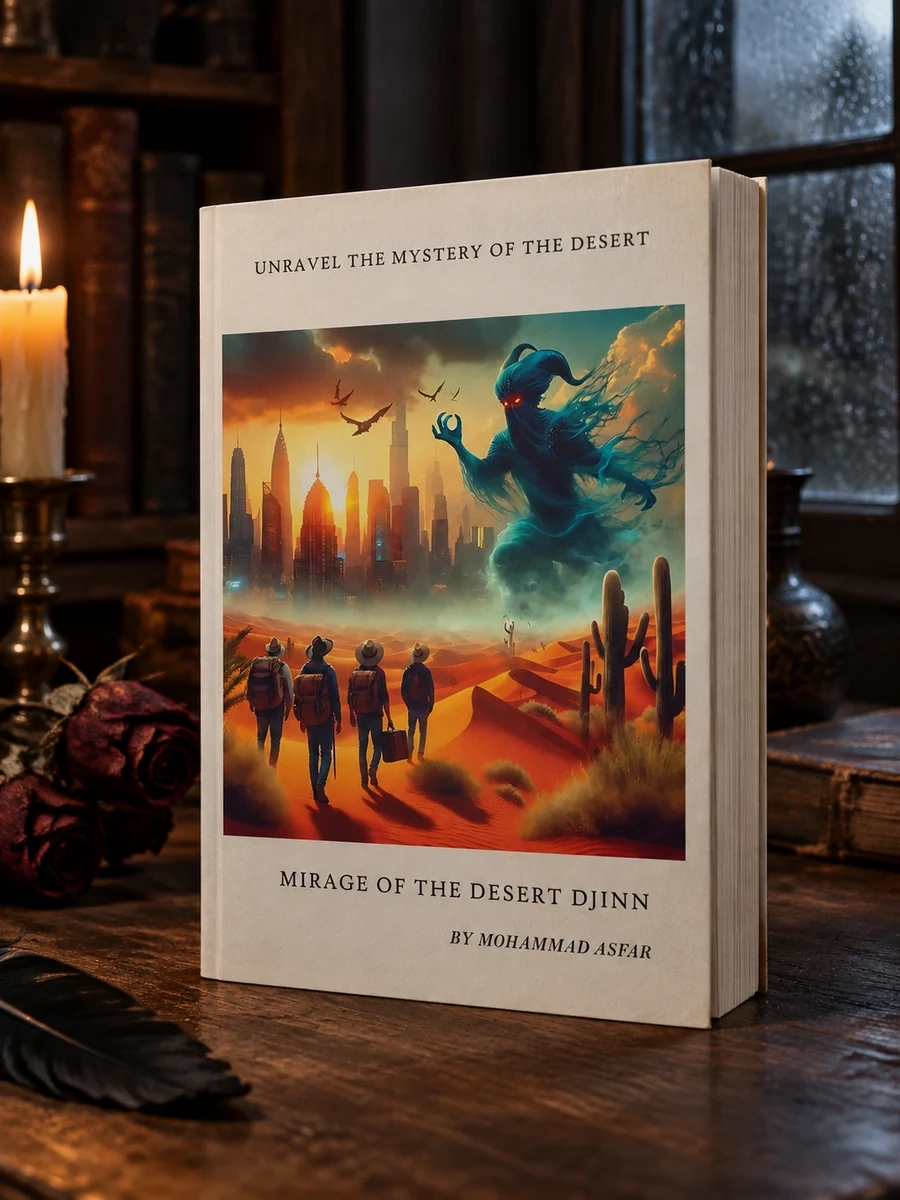
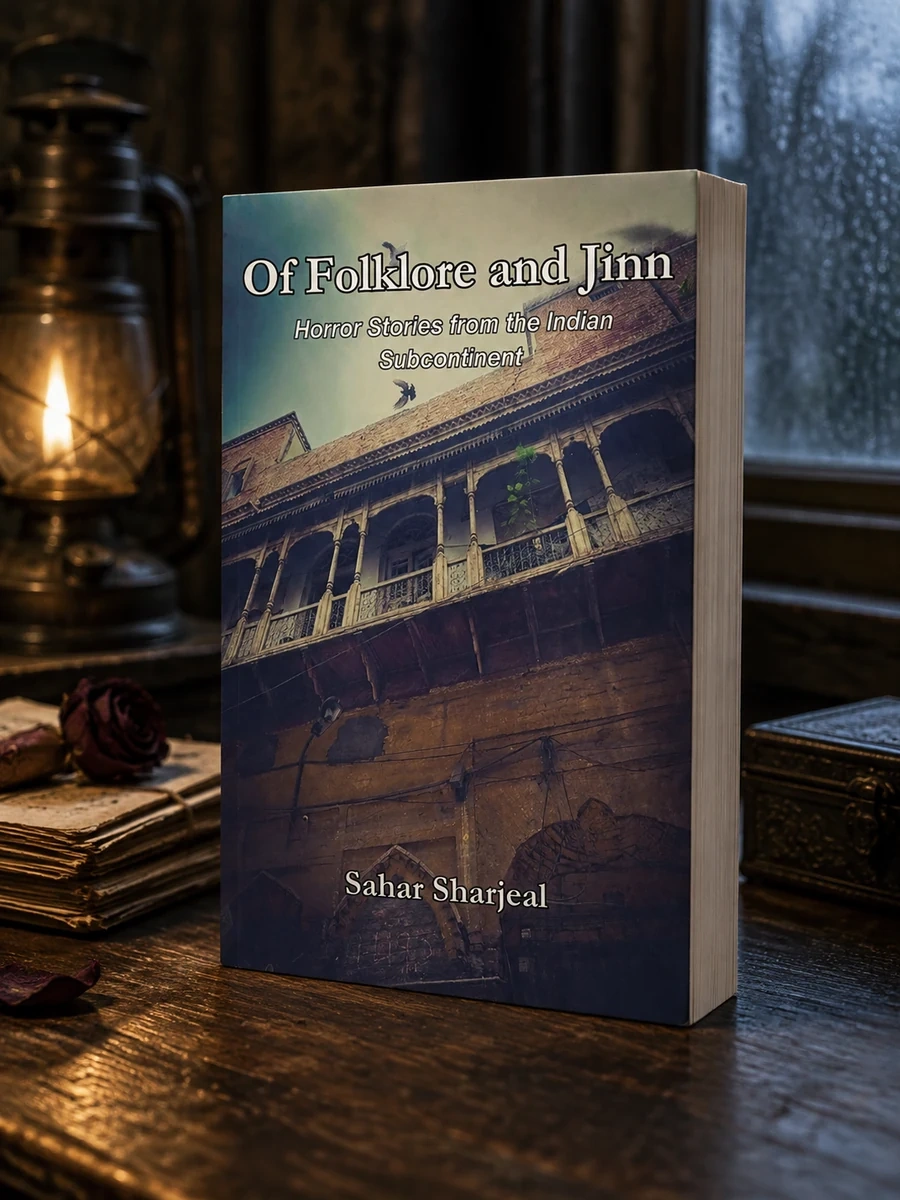
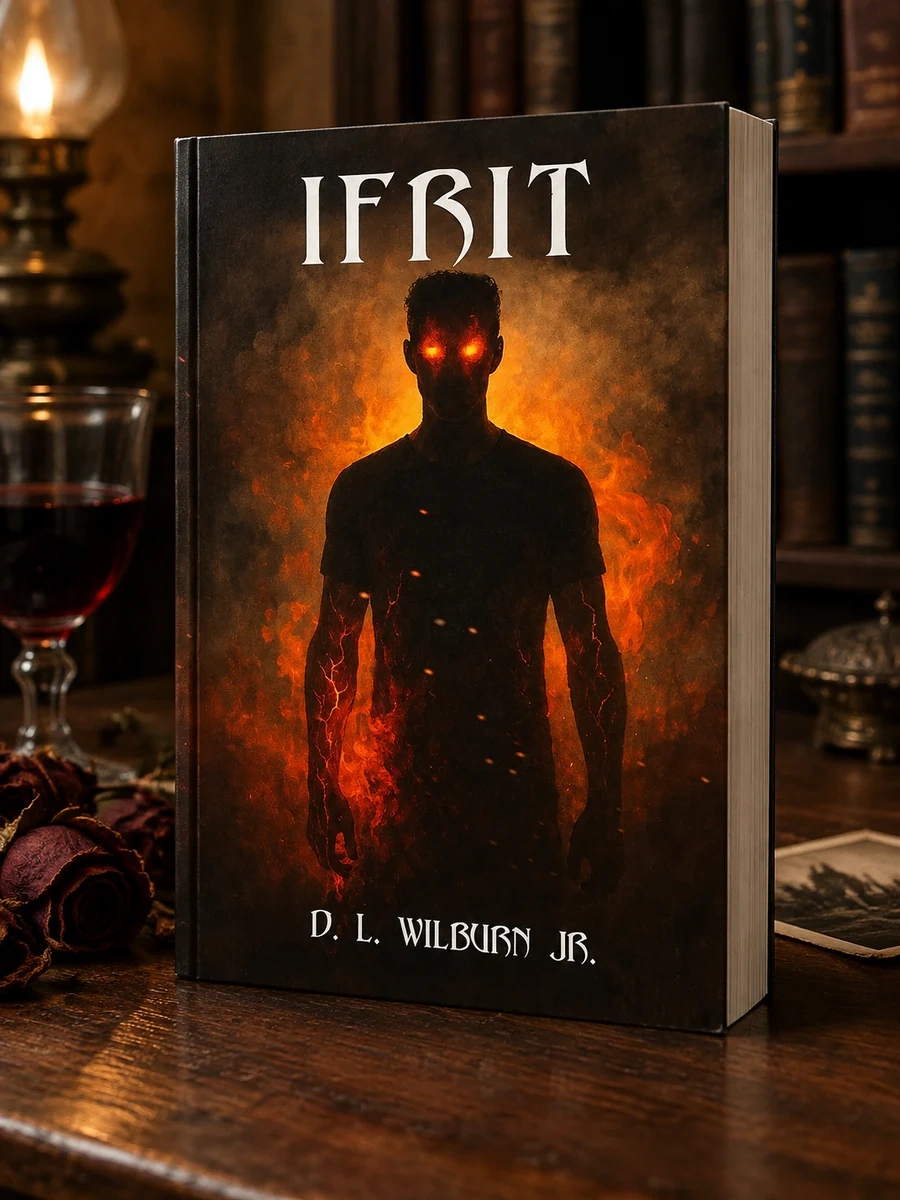
Jinn are supernatural spirits from pre-Islamic Arabian folklore, later integrated into Islamic theology, known for possessing free will and inhabiting an unseen parallel world.
Etymology & Origin
Where the word comes from
Derived from an Arabic root meaning to hide, conceal, or veil.
Full Definition
In depth
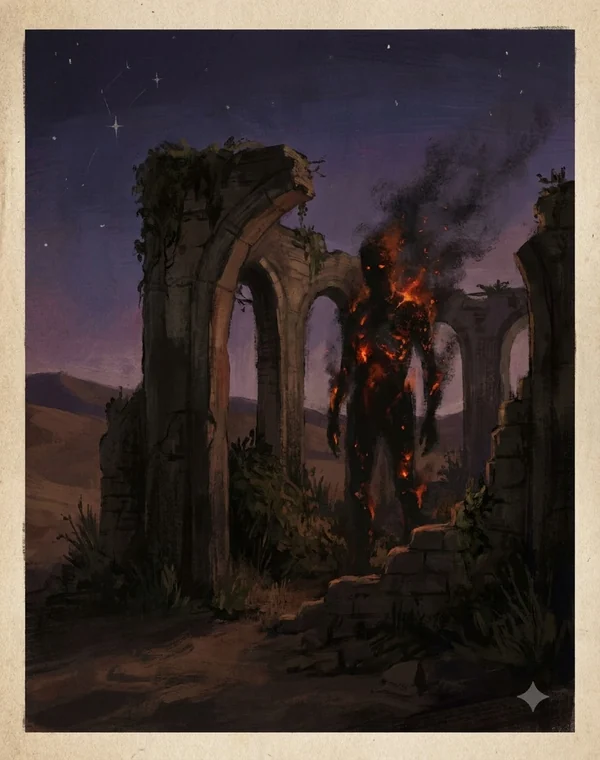
Origins The concept of the jinn originates deep within ancient pre-Islamic Arabian folklore, where desert nomads and settled communities alike believed the desolate wilderness was populated by unseen, potent spirits. Emerging from oral traditions thousands of years old, these entities were later codified and woven into Islamic scripture and theology, which describes them as beings created from smokeless fire existing alongside humans in a hidden, parallel dimension. Unlike angels, who are bound to absolute obedience, or humans, who are bound to physical limitation, jinn possess intellect, emotion, and complete free will, allowing them to choose between righteousness, indifference, or malice.
What It Is Said to Do In traditional folklore, jinn are shape-shifters capable of assuming various guises, ranging from ordinary animals like snakes, scorpions, and dogs to towering, monstrous giants or alluring human forms. They are said to possess incredible physical strength, supersonic speed, and the ability to travel across vast distances instantly, often haunting ruins, dark caves, dense forests, and solitary desert expanses. Their powers include influencing human thoughts, causing sudden illnesses, possessing human bodies, and manipulating objects unseen. To protect themselves from malevolent encounters, traditional practitioners rely on the recitation of protective verses, the invocation of divine names, and various protective talismans.
In Horror Fiction Horror fiction utilizes the jinn to tap into a profound fear of invisible trespassers and the terrifying malleability of reality. Because jinn can masquerade as trusted loved ones or manipulate human desires through malicious bargains, they introduce deep psychological paranoia into narratives. Writers exploit the tension between human hubris and ancient, unfathomable cosmic forces, framing the jinn not as simple monsters, but as brilliant, unpredictable entities that treat human suffering as trivial amusement.
Why It Still Frightens Jinn frighten because they represent an invisible, predatory intelligence sharing our everyday spaces, proving that we are never truly alone.
Connected Concepts
Related horror terms
Further Study