🩸Horror Tradition
Sleep Paralysis Demon
A malevolent shadow entity stemming from modern psychological interpretations of parasomnia combined with ancient global folklore regarding night visitations and nocturnal oppression.
Etymology & Origin
Where the word comes from
Derived from the medical term sleep paralysis combined with the folk term demon, blending clinical pathology with ancient mythology.
Full Definition
In depth
Origins The concept of the sleep paralysis demon bridges ancient global folklore and modern psychological interpretation. Long before modern sleep science identified rapid eye movement parasomnias, traditional cultures across the globe explained nocturnal chest pressure and auditory hallucinations through supernatural lenses. In European folklore, these visitations were attributed to incubi or succubi, or the nightmare—a malicious spirit believed to sit upon a sleeper's chest. Similar entities appear throughout world mythology, such as the Scandinavian mara, a spirit that rides sleepers and induces terror, and various indigenous and regional traditions detailing nocturnal hags or shadow figures that exploit the vulnerable boundary between wakefulness and sleep.
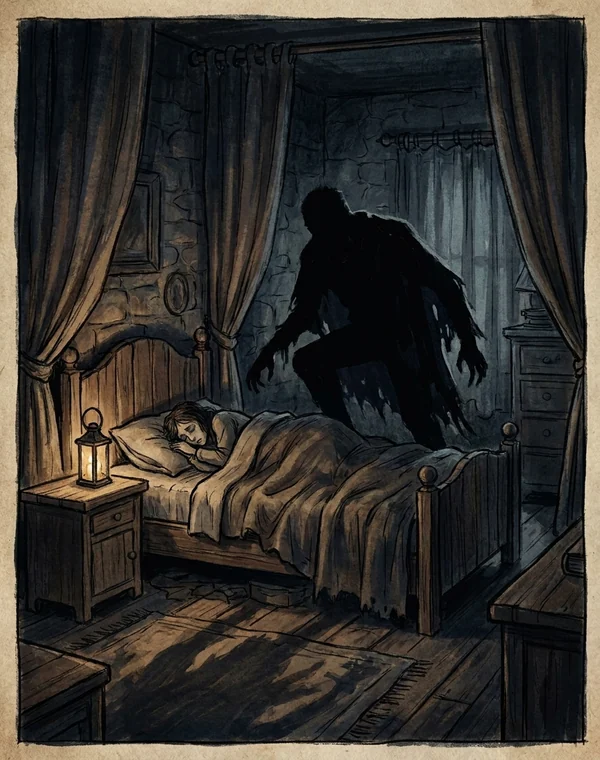
What It Is Said to Do In accounts of the phenomenon, the entity typically manifests as a towering shadow figure, a looming hag, or a faceless mass crouched at the foot of the bed or pressing heavily upon the sleeper's chest. Witnesses report a profound sense of suffocating dread, an inability to move or speak, and auditory sensations ranging from heavy breathing and scratching to malicious whispers. Because the experience occurs during the waking-up process while the motor cortex remains paralyzed, the brain projects these hypnagogic hallucinations into the immediate environment. Traditional methods of protection against such nocturnal visitations historically involved iron charms, apotropaic symbols, prayers, or maintaining specific sleeping postures to ward off night-walking spirits.
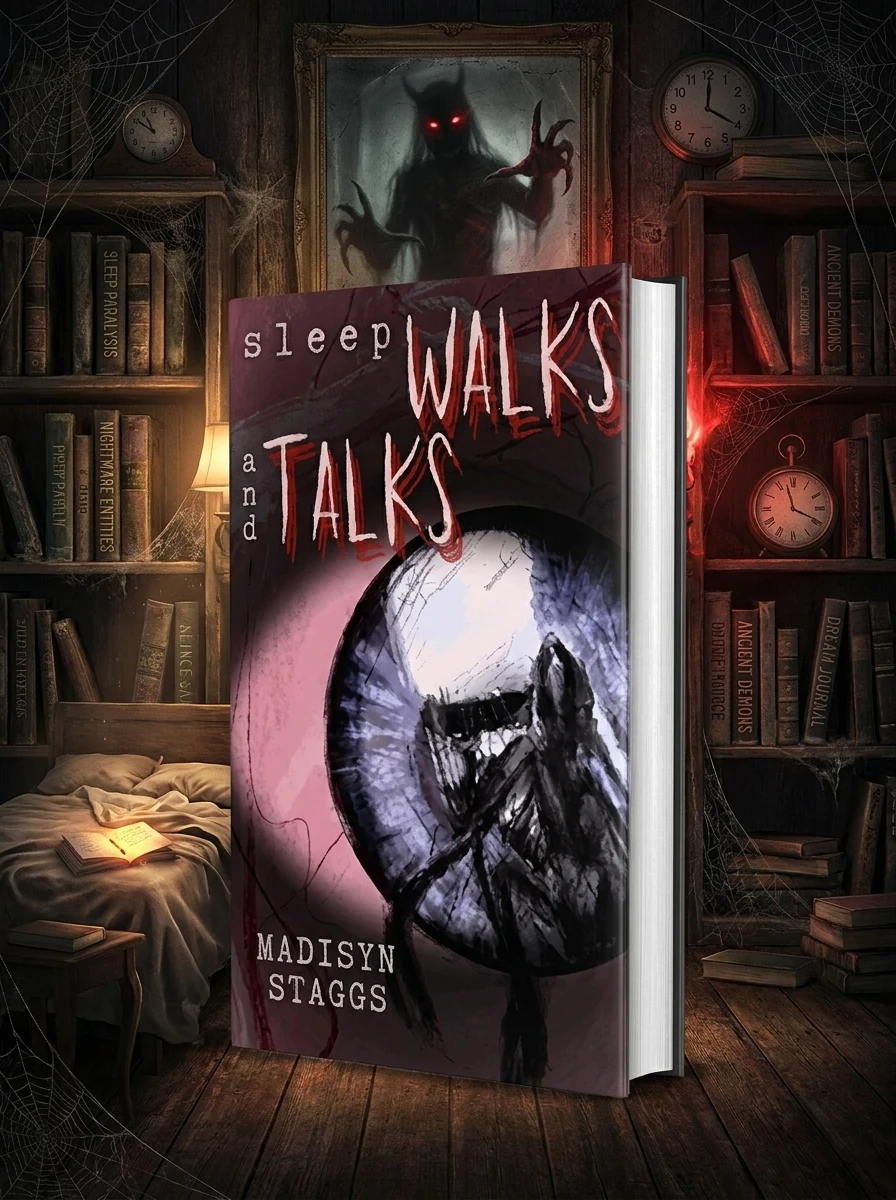
In Horror Fiction Horror writers leverage the sleep paralysis demon to explore the vulnerability of the domestic sanctuary and the terrifying betrayal of the human mind. Because the encounter occurs in bed—the place meant to be safest—it taps into an intimate, inescapable claustrophobia. Authors use the entity as a physical manifestation of trauma, sleep deprivation, or repressed guilt, blurring the line between supernatural haunting and psychological breakdown. In speculative literature, this terrifying state is explored in works that examine nocturnal visitations and dream intrusion, where the monster cannot be fought with weapons because it attacks from within the victim's own nervous system.
Why It Still Frightens It endures because it relies on a universal biological vulnerability, turning our own sleeping bodies into locked rooms where a shadow entity can wait in the dark.
Connected Concepts
Related horror terms
Further Study