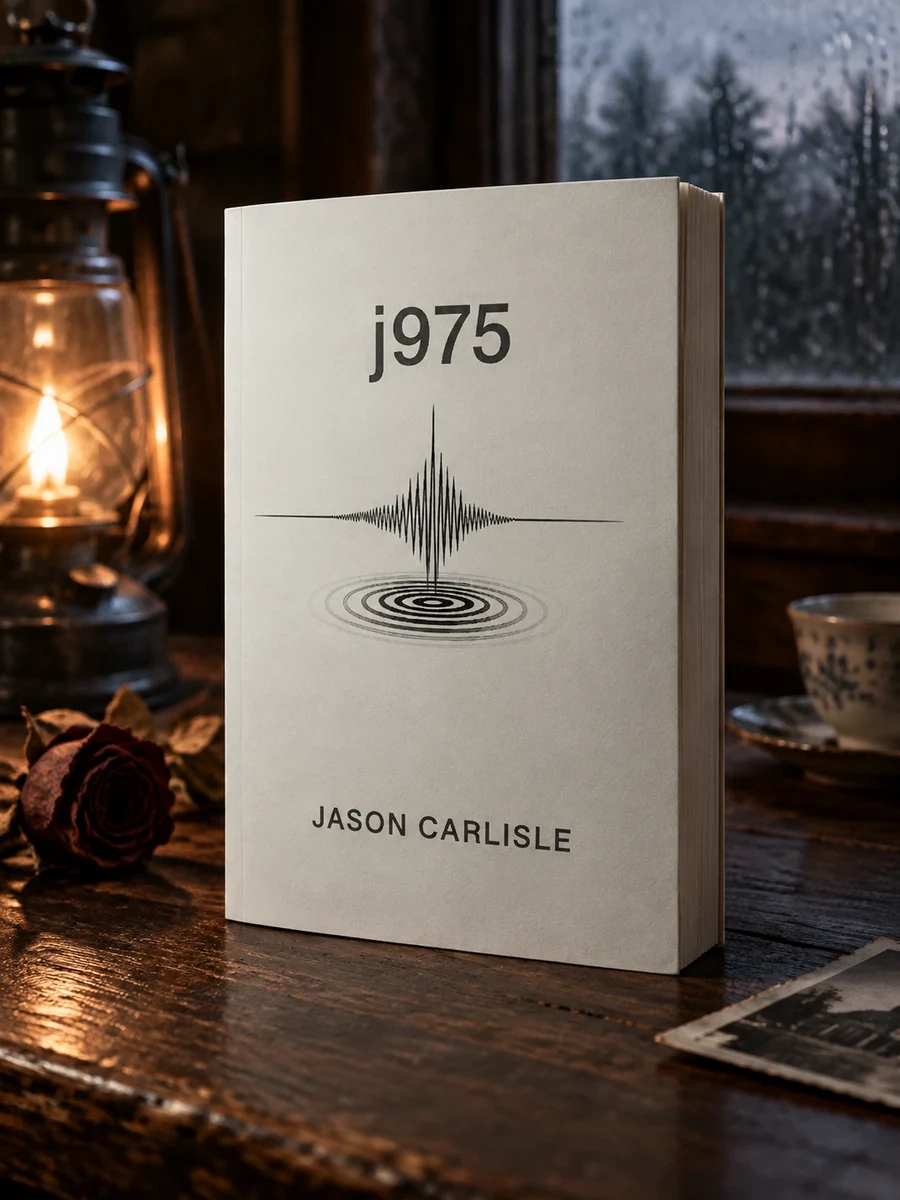
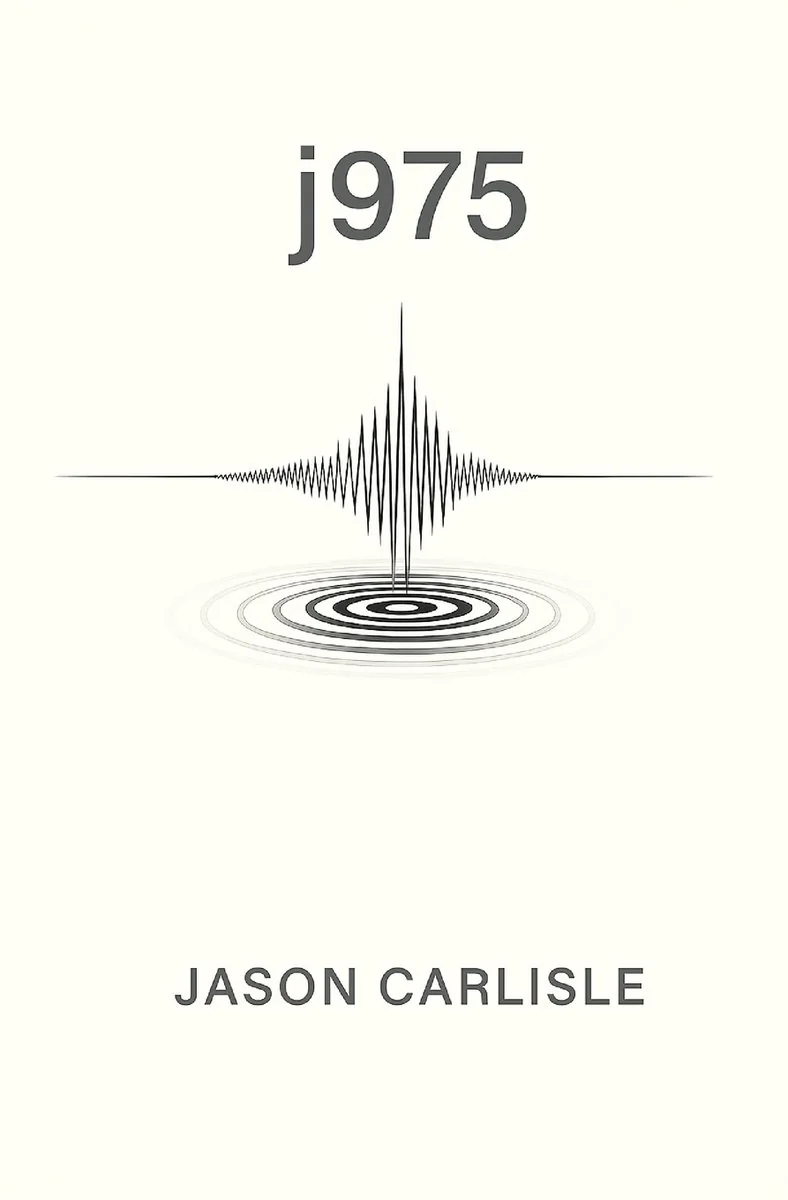
j975
A government analyst documents a coastal haunting through corrupted files.
The narrative centers on a dead man's experiment and the investigator who becomes part of the evidence. Carlisle structures the text to mimic a case file, using transcripts and reports to reveal how the phenomenon affects those who study it. The protagonist moves from skepticism to involvement as the cases become more impossible. This approach creates a unique reading experience where the method of storytelling is as important as the plot itself. The book challenges the reader to piece together the truth from disjointed records.
Published in 2025 by Independently Published, this work sits within the contemporary revival of analog horror and bureaucratic dread. It connects to the legacy of gothic fiction while utilizing modern digital themes like data corruption. The book appeals to readers interested in the intersection of technology and supernatural terror.


📝 Description: j975
💎 Our verdict on j975
📖 Why choose it
Why this book is worth reading
Readers seeking atmospheric horror and complex, non-linear storytelling will find this book rewarding. It is ideal for fans who appreciate silence and data as narrative tools, offering a unique experience where the method of storytelling is as important as the plot itself. The book challenges readers to piece together truth from disjointed records, creating a sense of isolation and creeping dread. Those interested in how observation carries consequences and documentation becomes contagion will gain from this exploration. It suits those who enjoy blurring the line between fiction and reality through fragmented sources, rather than traditional character arcs or fast-paced action.
⭐ Reader reviews
Reader rating
Carlisle constructs a chilling narrative using recovered reports, transcripts, and corrupted files to document a coastal haunting. The structure mimics a case file, revealing how the phenomenon affects investigators who study it. This approach creates a unique reading experience where the method of storytelling is as important as the plot itself. The book draws on cosmic horror and psychological dread traditions, exploring how observation carries consequences. It suits readers who enjoy atmospheric horror and complex, non-linear storytelling. Those seeking fast-paced action may find the static nature difficult, but fans of data-driven narratives will appreciate the haunting conclusion that lingers long after the final file is closed.
📖 Read on the blog
🏛 Books from this publisher Independently Published








You might also like
See more →
Have a question about this item?
Ask about the edition, condition, delivery or anything else — we reply by email or phone, usually within a day.
