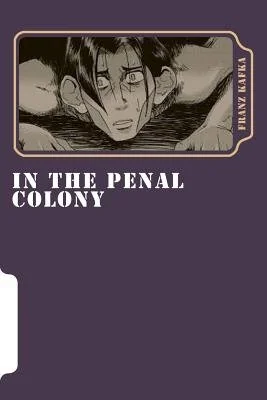
In the Penal Colony
A translation of Kafka’s story about an elaborate execution machine in a remote penal colony.
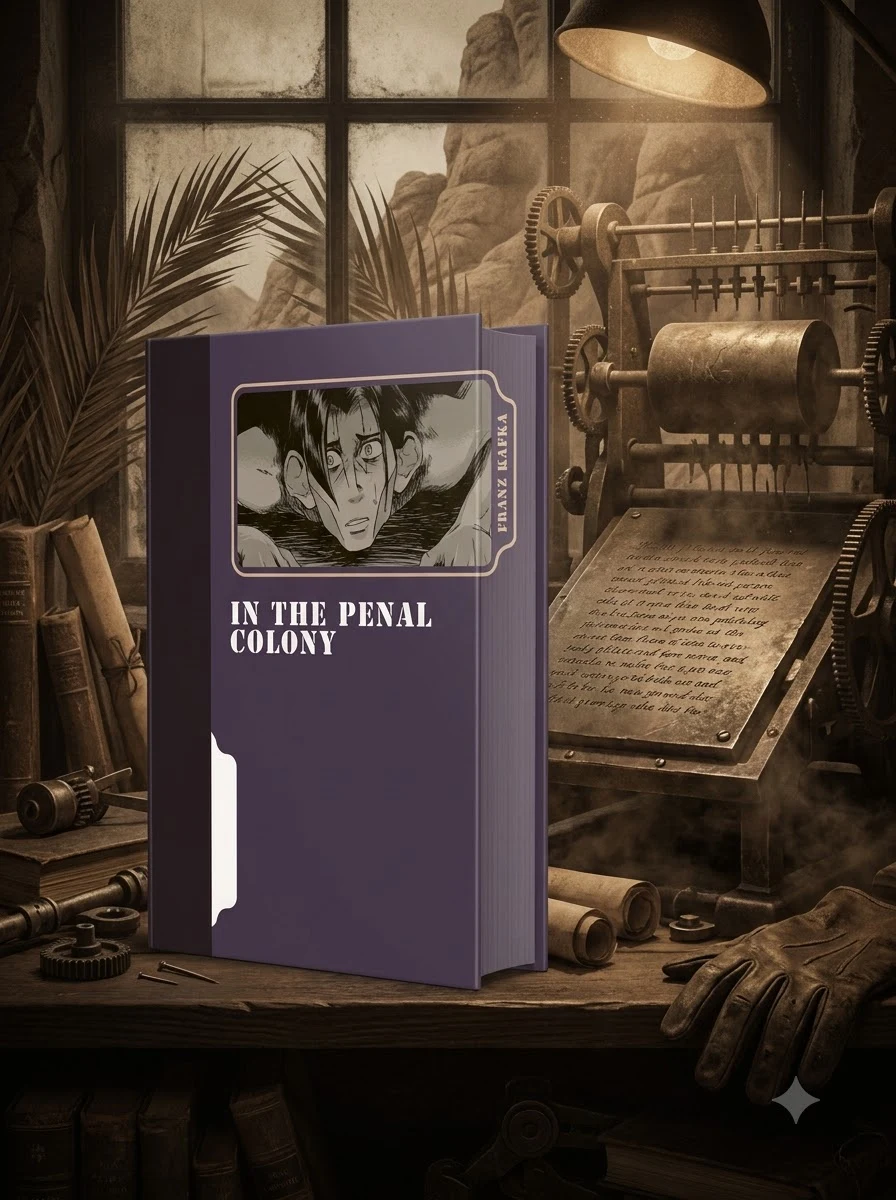
The narrative follows a twelve-hour period during which an elaborate torture and execution device is used for the last time. The machine carves the prisoner's sentence onto his skin before allowing him to die. As the plot unfolds, details regarding the machine's origin and its original justification emerge. The narrator observes these events with detachment or numbness, reflecting a style found in other Kafka writings. Internal clues suggest the setting is an island within an unnamed penal colony. The work draws influence from Octave Mirbeau’s The Torture Garden. It examines the intersection of law, punishment, and physical suffering through a lens of detached observation rather than emotional engagement.
The story sits within the tradition of gothic and supernatural fiction, influenced by Octave Mirbeau’s The Torture Garden. It reflects Kafka’s broader literary style through its detached narrator and exploration of bureaucratic horror within an unnamed island penal colony.


📝 Description: In the Penal Colony
💎 Our verdict on In the Penal Colony
📖 Why choose it
Why this book is worth reading
Readers interested in gothic fiction and supernatural themes will find this work aligns with traditions of psychological dread and institutional critique. It suits those who appreciate dense, atmospheric prose and historical literary influences. This edition serves as a study in bureaucratic cruelty and the aestheticization of violence within a closed, isolated system. The narrative offers a unique perspective on the mechanical details of a torture apparatus and the bureaucratic logic supporting it, rather than providing moral commentary or clear resolutions. Those seeking fast-paced action will find this less suitable, but fans of slow, detailed exposition regarding philosophical underpinnings will gain significant value from its exploration of physical suffering and law.
⭐ Reader reviews
Reader rating
This text presents a stark examination of bureaucratic cruelty through the lens of an elaborate execution device. The narrative unfolds over twelve hours, revealing the machine's origin and justification while maintaining a tone of detachment that aligns with Kafka’s broader stylistic choices. It does not offer moral commentary but instead focuses on the mechanical details of violence within an unnamed penal colony. Readers seeking dense, atmospheric prose and historical literary influences will appreciate its alignment with gothic traditions. However, those expecting clear resolutions or fast-paced action may find the slow exposition difficult to sustain. The work succeeds as a study of institutional critique and psychological dread, appealing to those who enjoy exploring the aestheticization of suffering in isolated systems without the distraction of emotional engagement.