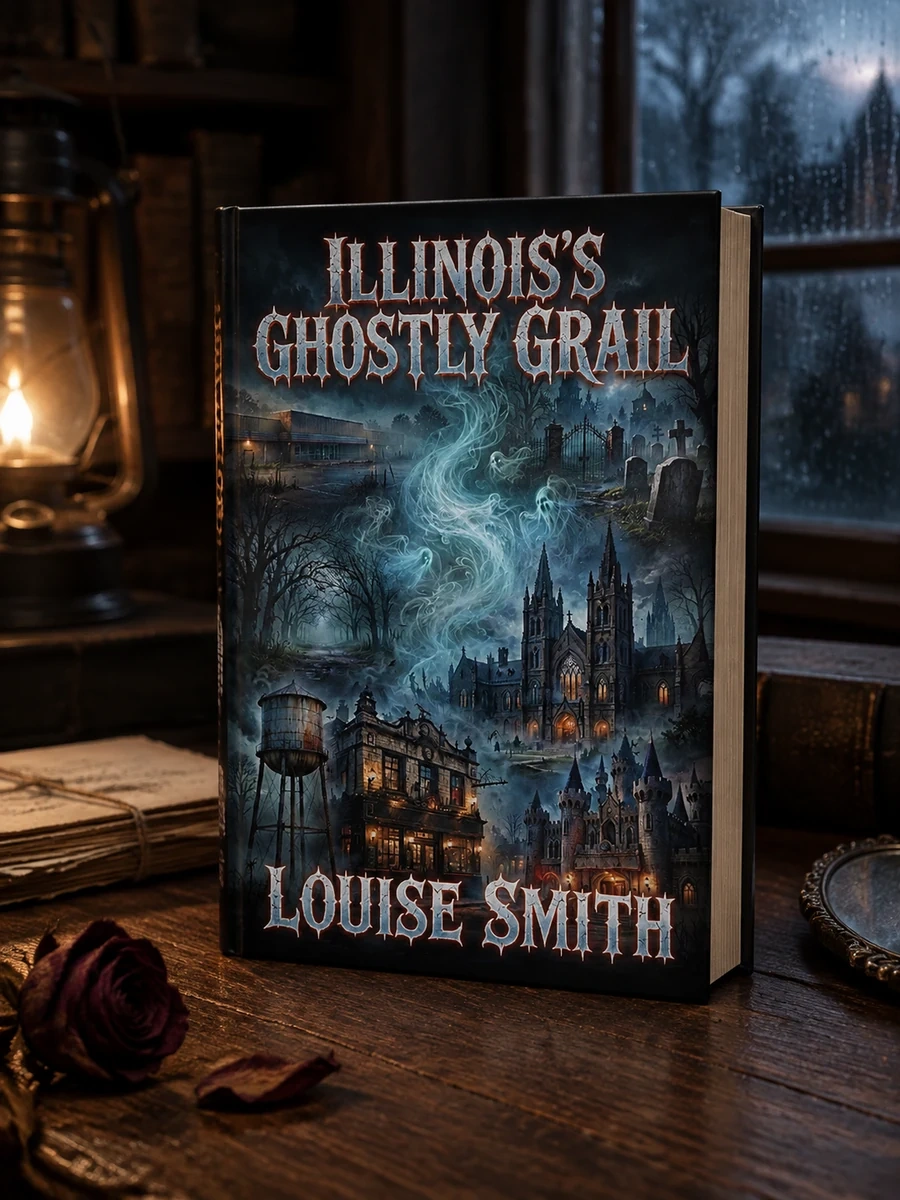
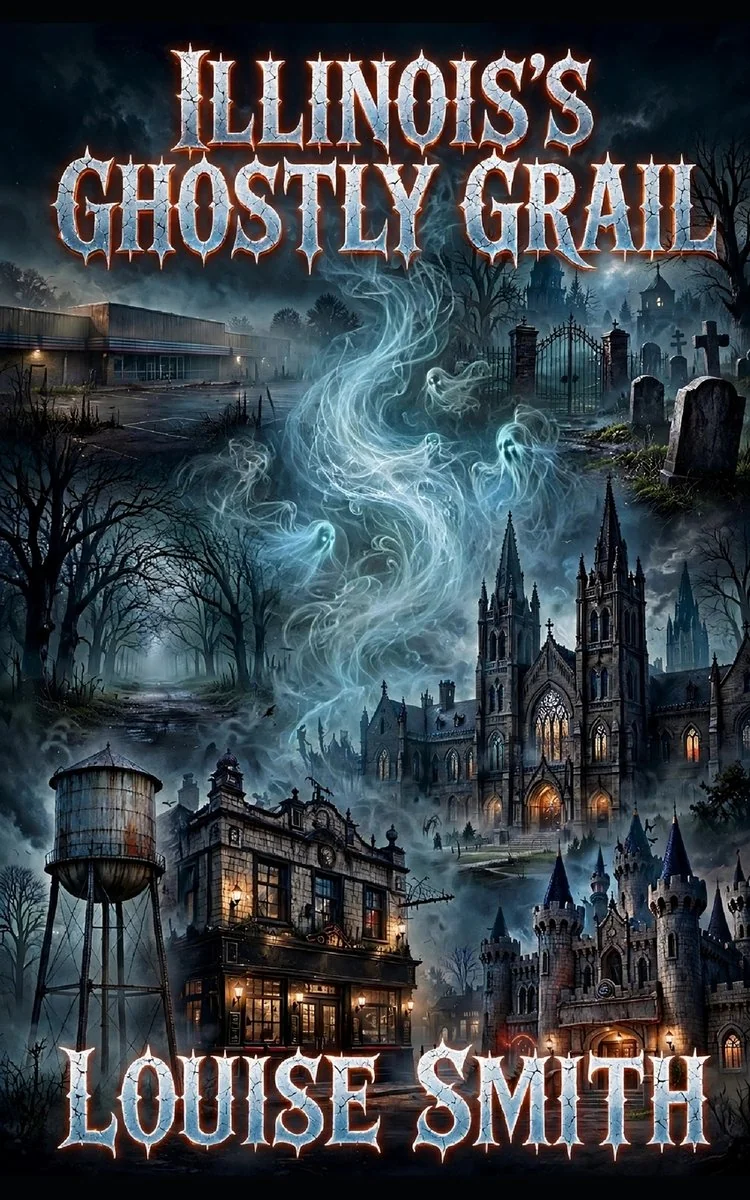
Illinois's Ghostly Grail
A guide to Illinois haunted sites and their lingering spirits.
This volume catalogs specific locations in Illinois where death has not ended the story. Smith details the origins of hauntings linked to battlefields, murders, accidents, and natural deaths. The text relies on reports from paranormal investigators and local witnesses to build its case. It does not offer fictionalized tales but rather the documented encounters that define these places. The organization highlights the persistence of these spirits and the reasons for their refusal to leave.
The book sits within the tradition of American regional ghost lore, focusing on Illinois. It bridges historical events like battles and murders with modern paranormal interest. The work reflects a cultural fascination with places where death is perceived as unresolved.


📝 Description: Illinois's Ghostly Grail
💎 Our verdict on Illinois's Ghostly Grail
📖 Why choose it
Why this book is worth reading
Readers with a specific interest in Illinois history and the intersection of tragedy with the supernatural will find this volume particularly compelling. It serves those who prefer documented encounters and local witness reports over theoretical analysis or fictionalized storytelling. The book is ideal for enthusiasts of regional ghost stories who wish to understand the historical context behind legendary haunted sites. By detailing the origins of hauntings linked to battlefields, murders, and accidents, it appeals to individuals fascinated by the persistence of spirits tied to specific locations. It offers a direct look at the legends surrounding these places without the filter of academic theory, making it accessible for casual readers seeking chilling encounters and historical tragedy connected to contemporary paranormal interest.
⭐ Reader reviews
Reader rating
Smith delivers a straightforward compilation of reported hauntings across Illinois, focusing on the tangible history behind each location rather than abstract spiritual theories. The text effectively bridges historical tragedy with modern paranormal interest by relying on witness accounts and investigator reports. While it lacks academic depth or fictional narrative flair, its strength lies in its accessibility and regional specificity. It suits readers who enjoy true crime adjacent topics and local lore without needing scholarly critique. The tone remains factual and chilling, presenting the cases as they are documented. This approach makes it a useful resource for those seeking to understand why certain sites remain restless, offering a clear, unembellished view of Illinois's most active spiritual locations through the lens of local legend.