The Loom
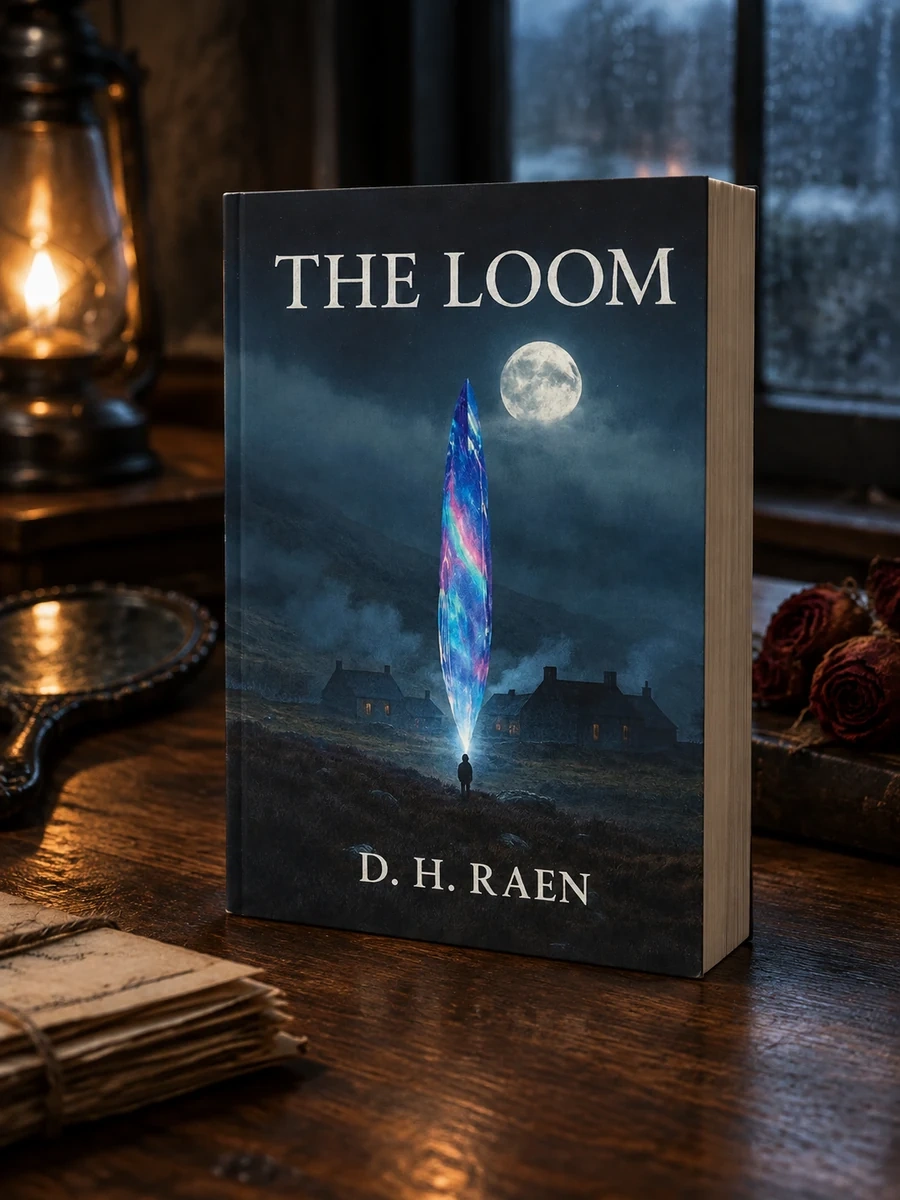
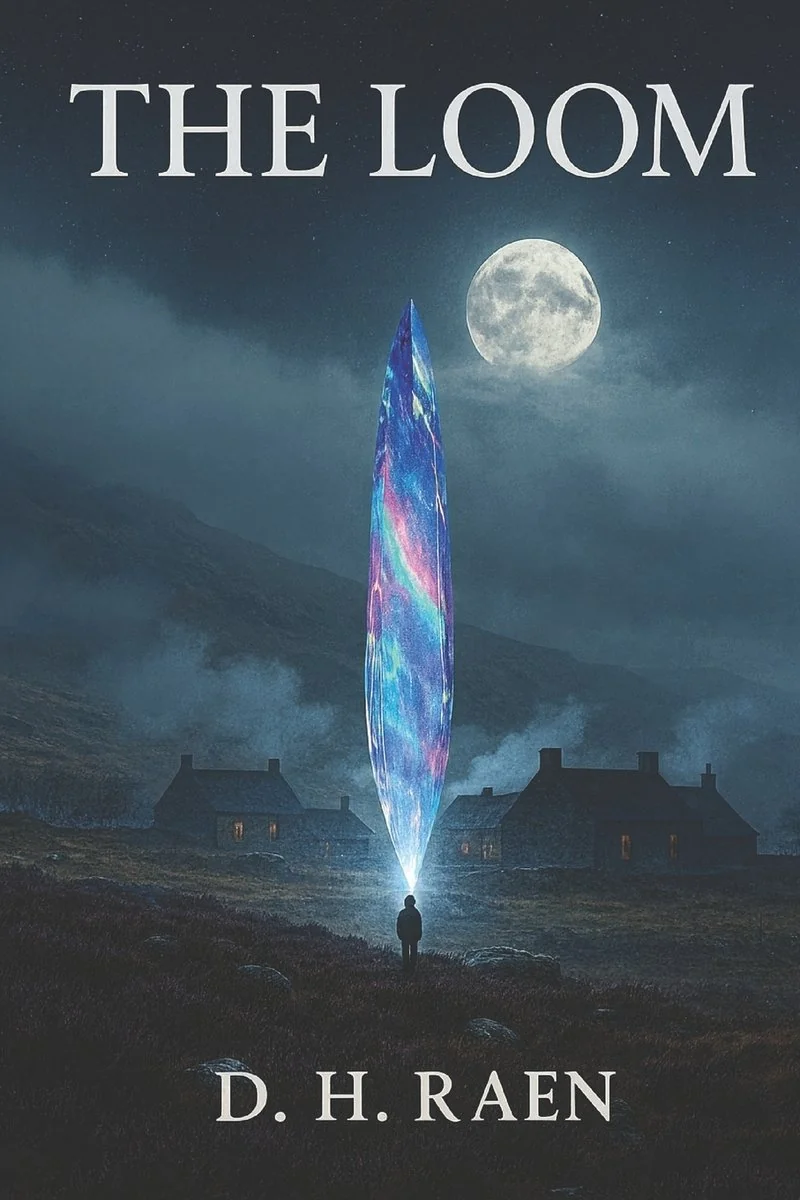
Raen's atmospheric folk horror novel about a Highland village unraveling under ancient pressure.
The narrative follows villagers in a remote Highland setting as they confront an awakening force that operates without screams or blood. The plot centers on the disintegration of social bonds and individual sanity as strange rituals return to the foreground. Characters experience a growing sense of unreality, where their daily lives feel scripted by unseen hands. Raen utilizes psychological horror techniques to depict how folklore can warp perception and identity. The story does not offer easy explanations for the supernatural events. Instead, it focuses on the creeping dread of a community losing its grip on the present. This approach creates a lingering sense of unease that persists after the final page.
This book sits within the tradition of folk horror and supernatural fiction. It draws on eerie folklore and psychological horror elements to explore themes of identity and community isolation in a remote Highland setting.


📝 Description: The Loom
💎 Our verdict on The Loom
📖 Why choose it
Why this book is worth reading
Readers who prefer tension over terror will find this book deeply rewarding. It appeals to those who enjoy psychological horror where the fear stems from the disintegration of sanity and social bonds rather than explicit gore or jump scares. Fans of slow-burn narratives that explore how folklore warps perception and identity will appreciate the subtle, lingering unease Raen creates. This is for audiences comfortable with ambiguity and atmospheric dread, offering a haunting experience that persists long after the final page. It is ideal for those seeking a story where reality bends and the past presses forward with intent, providing an unsettling meditation on community unraveling under forgotten traditions.
⭐ Reader reviews
Reader rating
Raen delivers a masterclass in slow-burn unease, crafting a narrative where the horror lies in the subtle warping of perception rather than shock. The depiction of a Highland village losing its grip on the present is both chilling and intellectually engaging. By focusing on fractured trust and scripted lives, the novel effectively explores the terrifying power of folklore to overwrite individual identity. The prose creates a dense atmosphere that lingers, making it perfect for readers who value mood over plot resolution. While those seeking clear answers may find it unsatisfying, fans of psychological horror will appreciate its commitment to ambiguity and creeping dread.