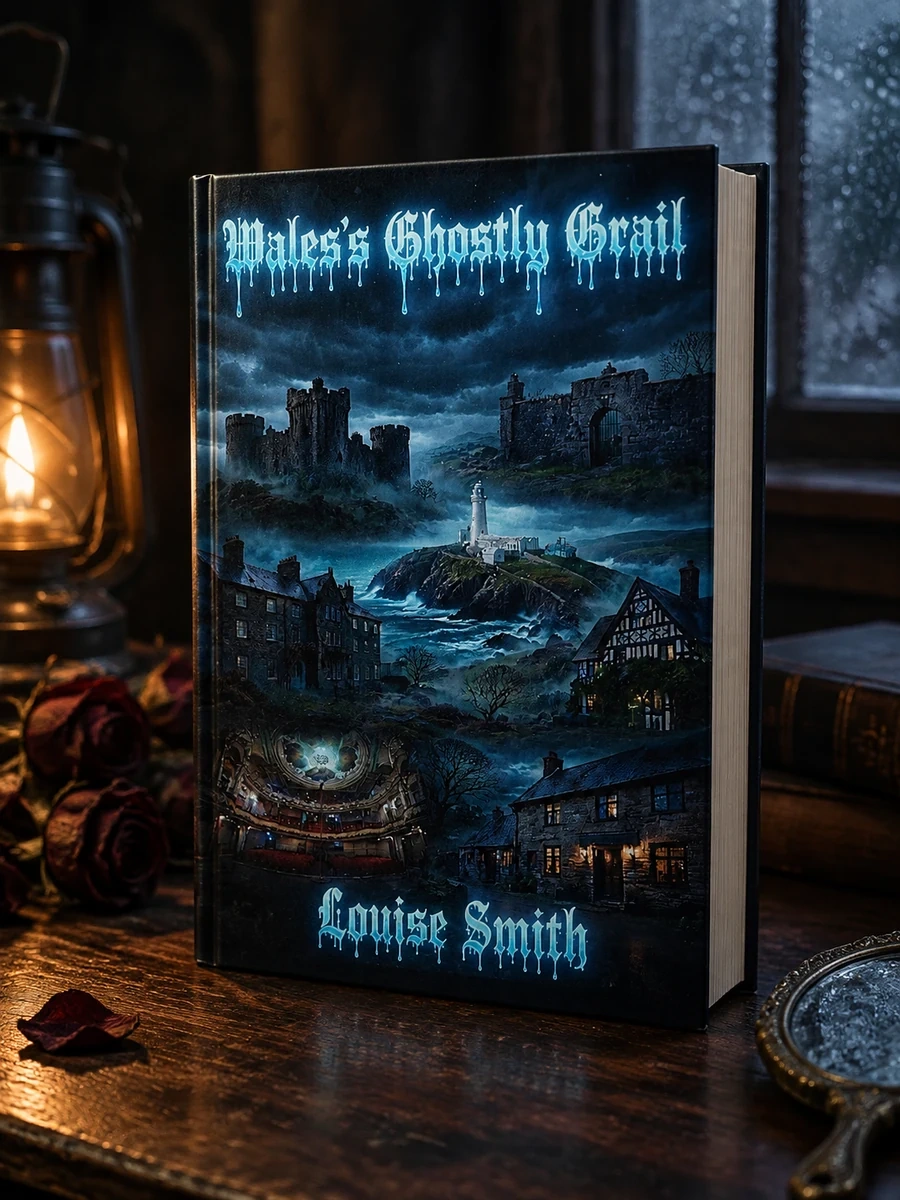
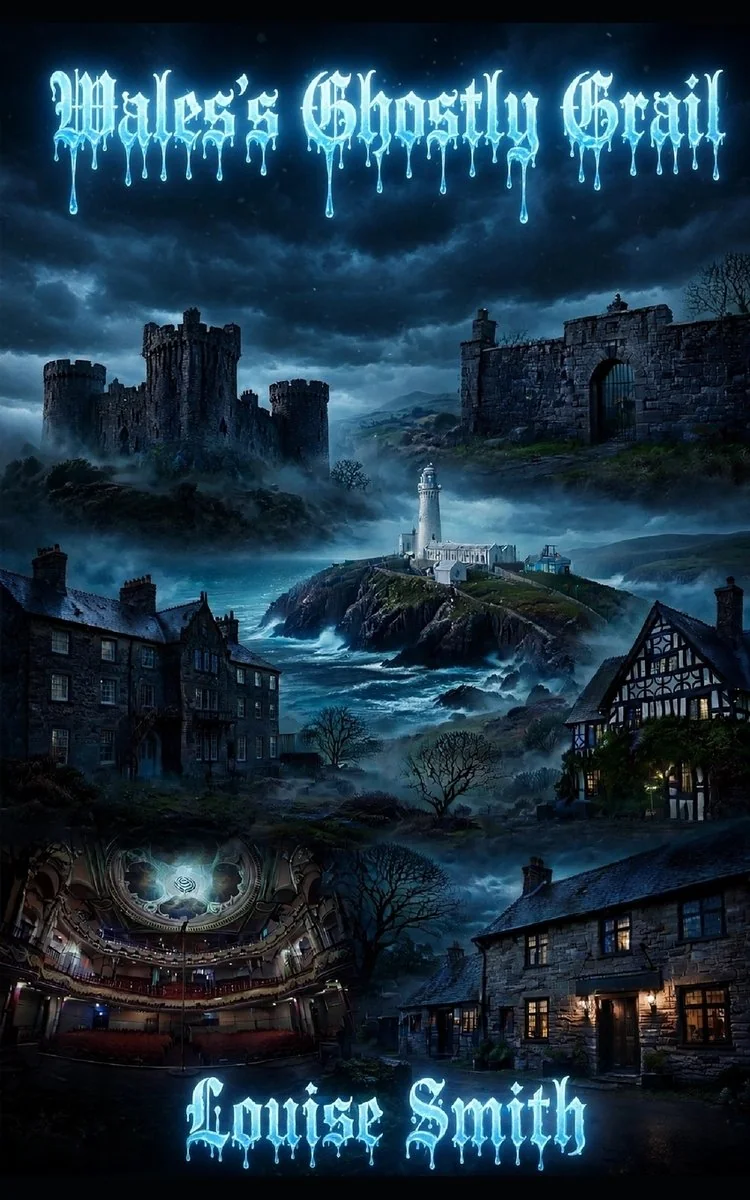
Wales's Ghostly Grail
A collection of true hauntings and folklore from Wales by Louise Smith.
Smith investigates the supernatural presence in Welsh locations through folklore and eyewitness reports. The book covers castles, prisons, hospitals, and theatres. It frames these hauntings as part of the country's living history. The author connects physical places with lingering spirits. This approach highlights how the past influences the present landscape.
The book focuses on Wales, a region known for misty mountains and ruined castles. It draws on local stories still told in villages. The work examines how history lives in places like gaols, hospitals, and lighthouses across the country.


📝 Description: Wales's Ghostly Grail
💎 Our verdict on Wales's Ghostly Grail
📖 Why choose it
Why this book is worth reading
Readers with a deep appreciation for regional supernatural traditions will find this book particularly rewarding. It offers a grounded exploration of Welsh geography through the lens of documented hauntings, appealing to those who prefer folklore and eyewitness testimony over fictional horror tropes. The volume is ideal for individuals interested in how history persists within physical landscapes, from misty mountains to ruined castles. It serves as a bridge between local legend and personal experience, providing an eerie yet authentic look at the supernatural side of Welsh identity without relying on academic analysis or invented narratives.
⭐ Reader reviews
Reader rating
Smith effectively bridges the gap between local legend and personal testimony, creating a compelling narrative that treats hauntings as active elements of Welsh history. The book excels in connecting physical places with lingering spirits across diverse settings like prisons, hospitals, and theatres. This approach highlights how the past influences the present landscape, offering a unique perspective on regional identity. It is best suited for readers who value authentic folklore over standard horror fiction. While those seeking purely invented stories or strict academic historical analysis may find it less relevant, fans of true crime and ghost lore will appreciate its grounded, atmospheric examination of Wales's eerie side.