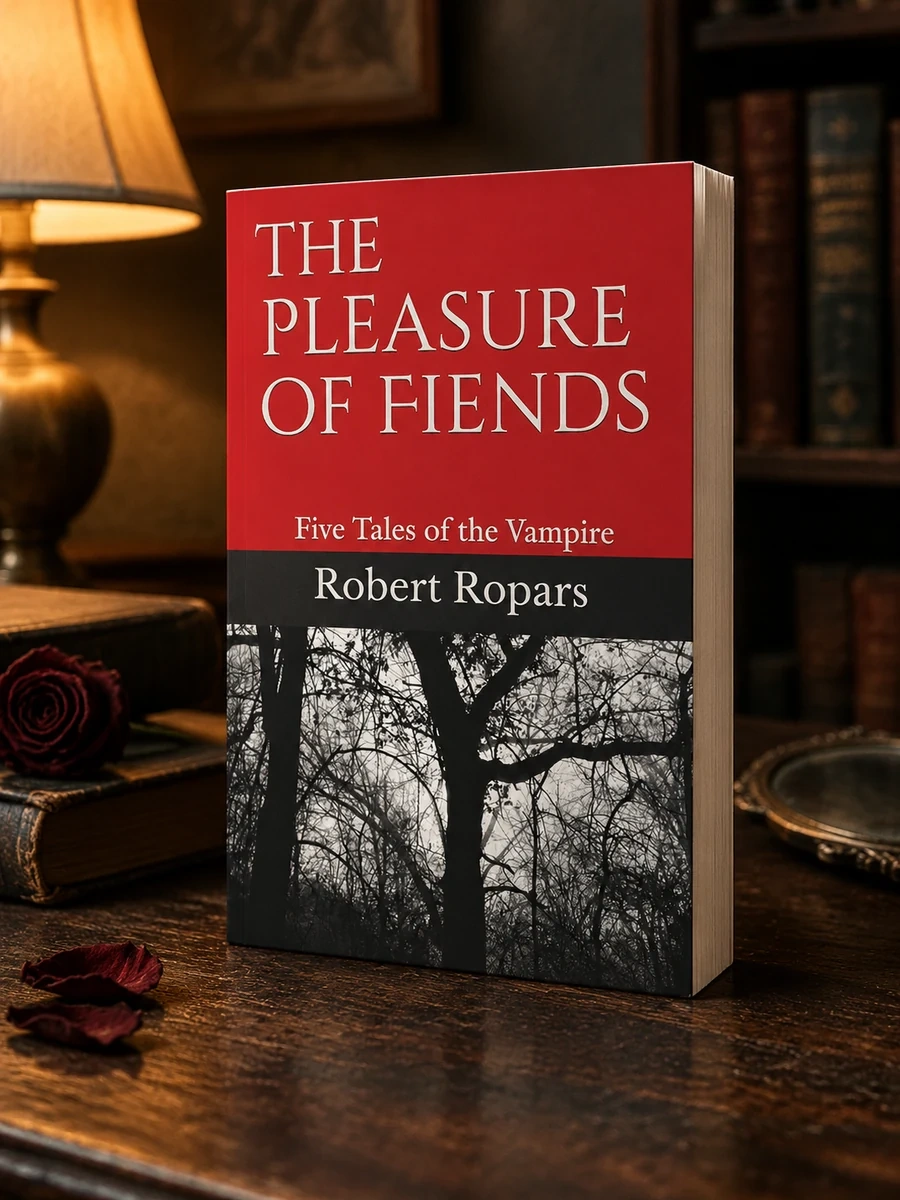
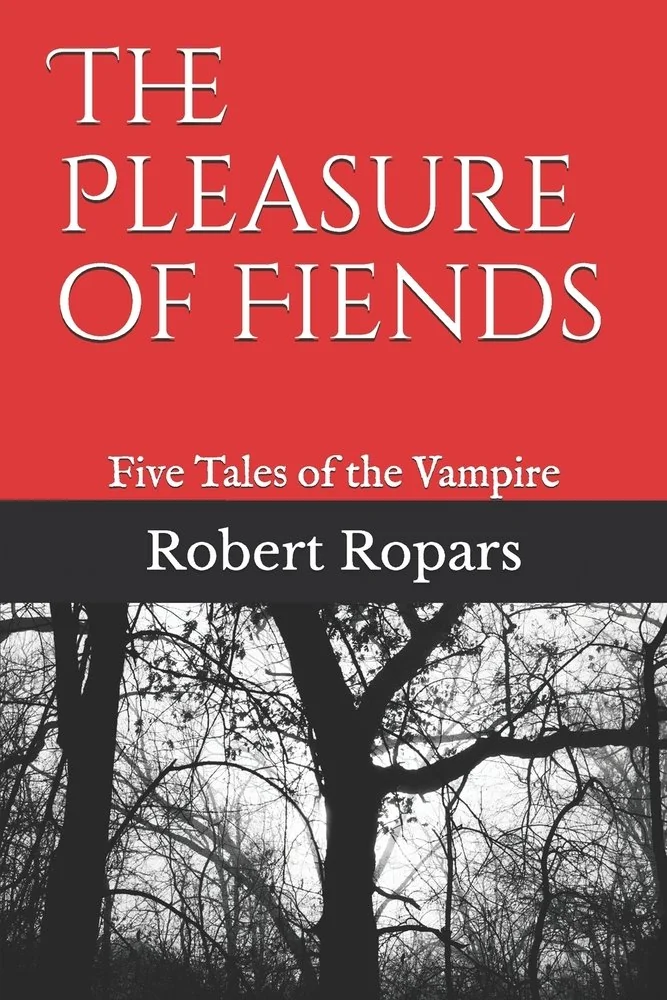
The Pleasure of Fiends: Five Tales of the Vampire
Five gritty vampire tales spanning from the Old West to modern day.
This collection examines the predatory instincts of vampires through five separate narratives. Ropars avoids modern romanticizations to focus on seduction, stalking, scavenge, survival, and strategy. The work alternates between the perspectives of the monster and its victim. This approach reveals the tactical elements of hunting and the psychological impact on prey. The stories move from the Old West to contemporary times, showing how these creatures adapt across eras. The text emphasizes the danger posed by these entities without offering comfort or resolution. It is a study of fear and survival rather than romance.
The book draws on classic vampire traditions while updating them for modern readers. It moves from the Old West to today, bridging historical and contemporary horror. The work rejects modern romanticized versions of vampires in favor of a return to classic traits. This places it within the tradition of gothic and supernatural fiction that emphasizes fear.


📝 Description: The Pleasure of Fiends: Five Tales of the Vampire
💎 Our verdict on The Pleasure of Fiends: Five Tales of the Vampire
📖 Why choose it
Why this book is worth reading
Readers who crave uncompromising horror and reject the sanitized, romanticized versions of vampires will find this collection deeply satisfying. It appeals to those interested in the tactical mechanics of stalking and the psychological weight of being hunted. By stripping away sparkle and glitter, the book offers a raw exploration of predatory instincts across different eras. Fans of traditional gothic tales who appreciate narratives focused on survival strategy rather than romance will gain insight into the timeless fear these creatures inspire. The shifting perspectives provide a dynamic look at power dynamics, making it essential for horror enthusiasts seeking authentic, dark supernatural fiction without comfort or resolution.
⭐ Reader reviews
Reader rating
Robert Ropars delivers a potent collection that firmly rejects modern vampire romanticization in favor of gritty, predatory realism. By spanning from the Old West to contemporary times, the book effectively demonstrates the adaptability of these monsters while maintaining their core threat. The structural choice to alternate between hunter and victim perspectives is particularly effective, offering deep insight into both the tactical motives of the fiends and the visceral terror of the prey. This approach highlights the psychological impact of being hunted, creating a compelling study of fear. The work succeeds by focusing on seduction, stalking, and survival without offering easy comfort. It is best suited for readers who prefer traditional horror elements and appreciate a dark, uncompromising examination of supernatural danger.