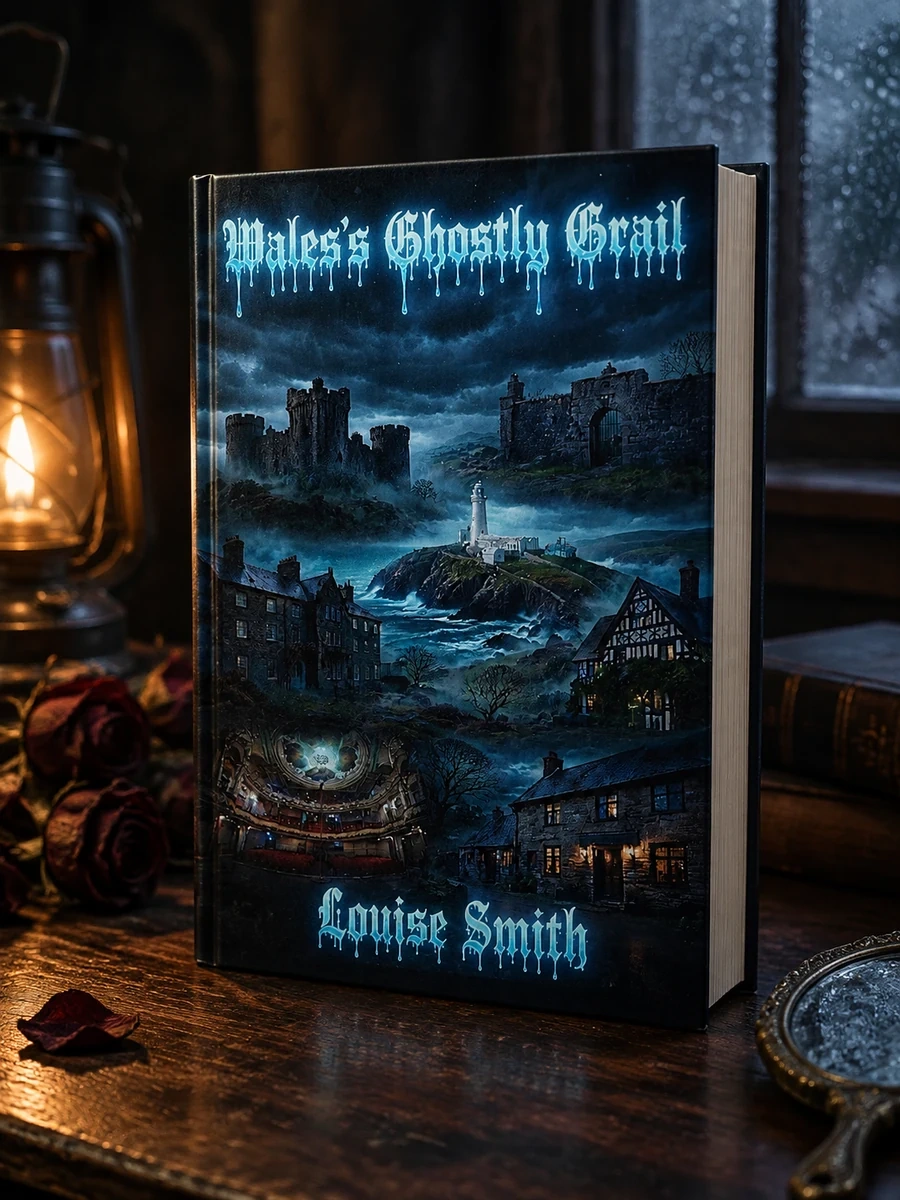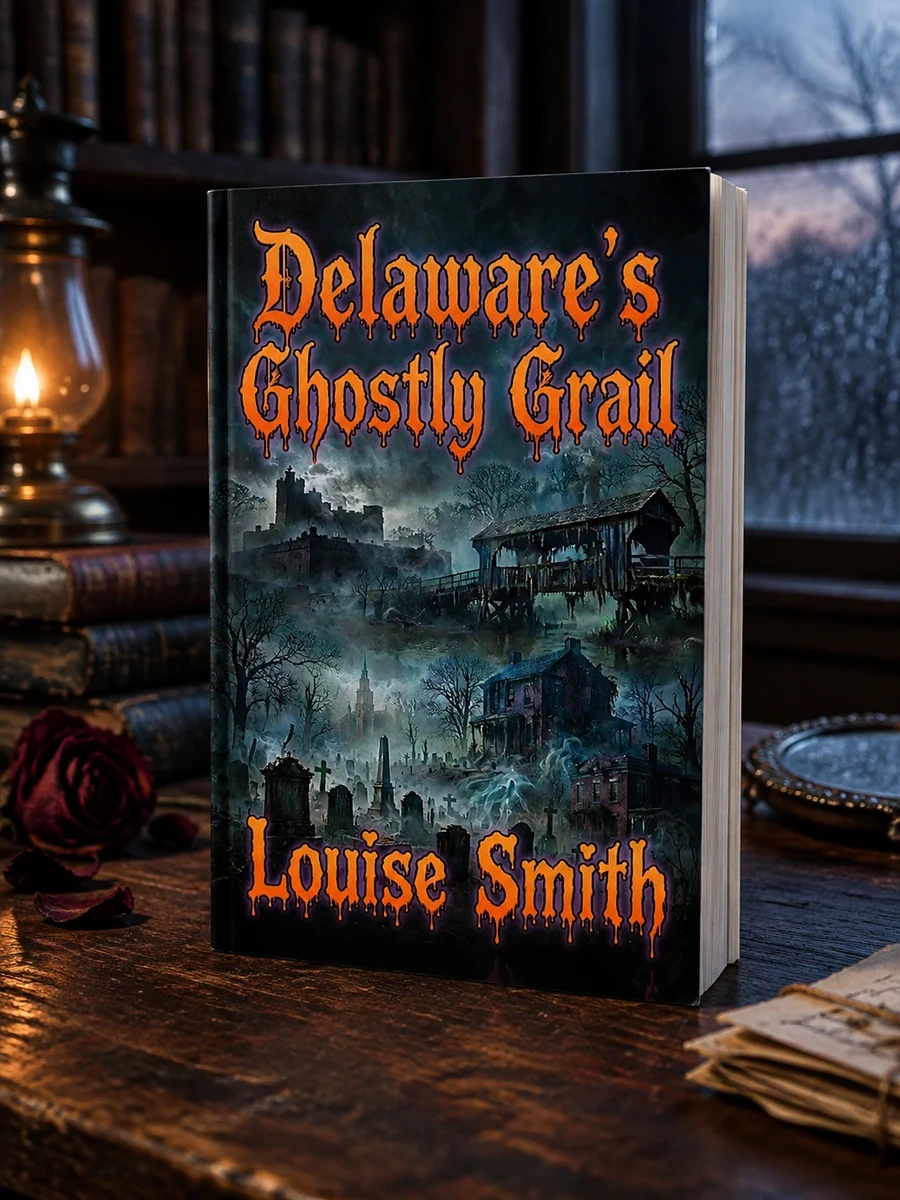
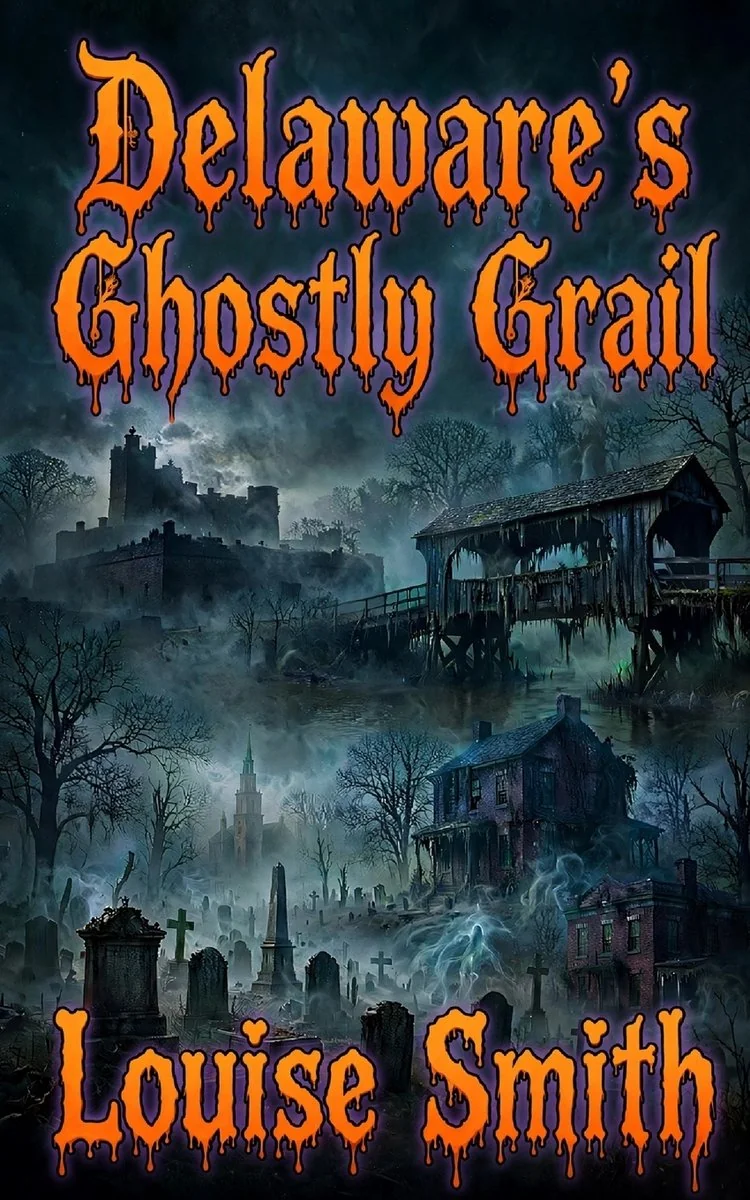
Delaware's Ghostly Grail
A guide to Delaware's legendary hauntings through eyewitness accounts.
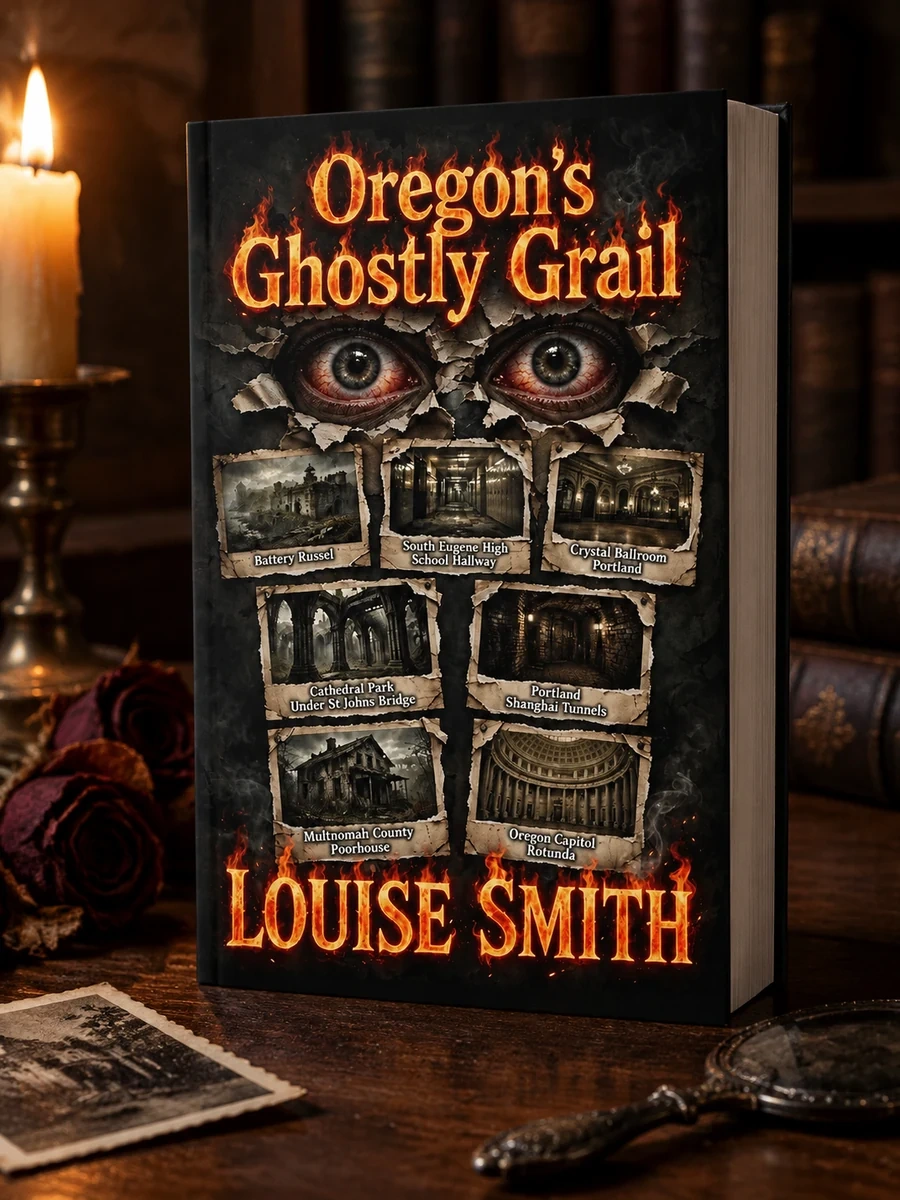
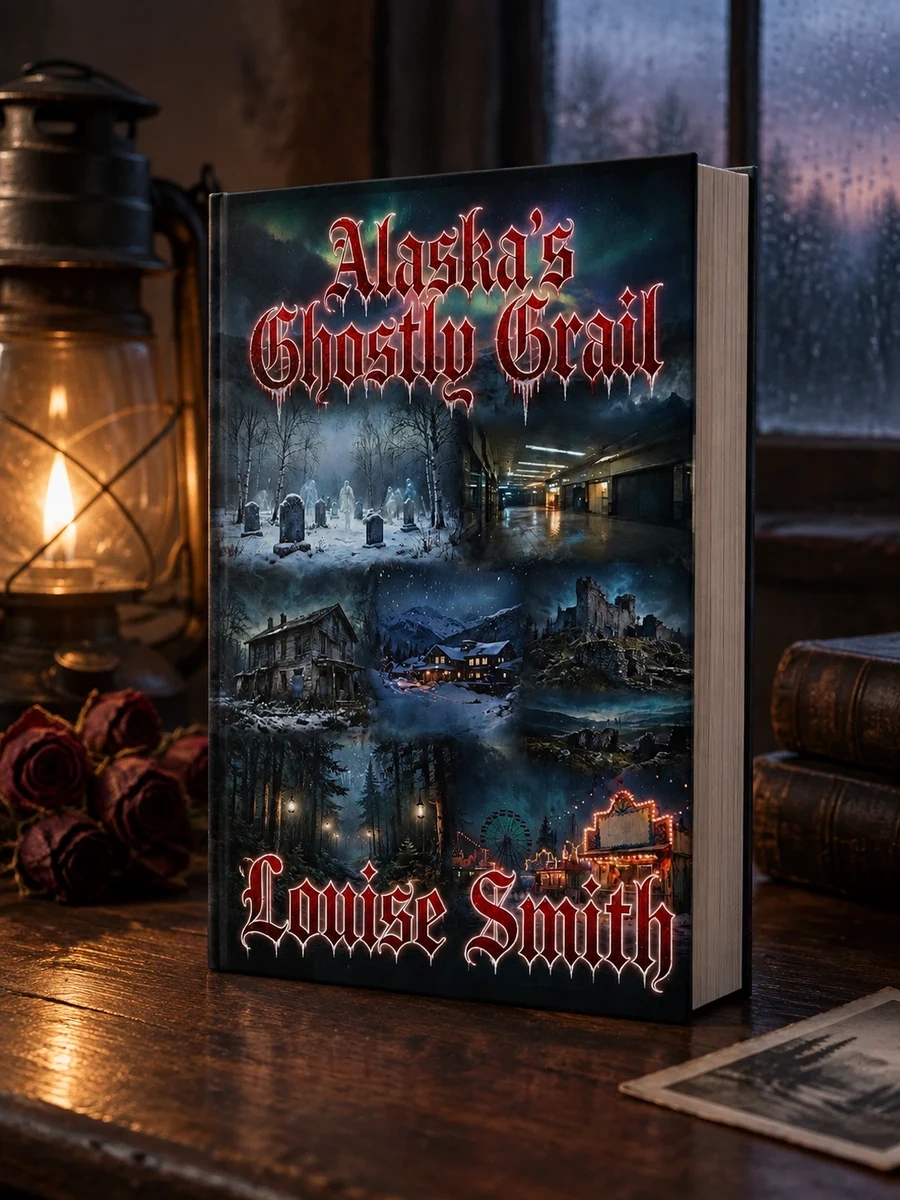
Smith focuses on the specific atmospheric elements of Delaware, including its misty towns and dark waters. The text prioritizes eyewitness testimony over academic analysis. It highlights cursed objects and spirits that remain active in the present day. The guide offers practical advice for experiencing these hauntings through organized tours. This approach distinguishes the work from general historical surveys by emphasizing immediate sensory details and local folklore traditions.
This book examines Delaware's status as a state with legendary hauntings despite its small size. It addresses the cultural tendency to whisper about these events rather than discuss them openly with outsiders. The work connects contemporary tourism with centuries old local legends and regional supernatural traditions.


📝 Description: Delaware's Ghostly Grail
💎 Our verdict on Delaware's Ghostly Grail
📖 Why choose it
Why this book is worth reading
Readers seeking a tangible connection to Delaware’s supernatural landscape will find this volume particularly compelling. It appeals to those who prefer grounded, eyewitness accounts over fictionalized narratives or broad historical surveys. The book is ideal for individuals interested in regional ghost stories, cursed objects, and active spirits that remain present in the modern day. Those drawn to misty towns, dark waters, and local legends will appreciate the focus on unfinished business rather than mere history. It serves as a practical resource for planning eerie tours while offering spine-tingling insights into the lore locals keep from tourists. The emphasis on sensory details like cold hands and drifting whispers makes it suitable for paranormal enthusiasts wanting to experience hauntings firsthand.
⭐ Reader reviews
Reader rating
Louise Smith effectively distinguishes this guide by prioritizing eyewitness testimony and atmospheric immersion over dry historical facts. The text succeeds in creating a chilling atmosphere through its focus on misty towns, dark waters, and active spirits. By highlighting cursed objects and local folklore traditions, the author grounds the supernatural in immediate sensory reality. This approach suits readers interested in regional paranormal investigation and organized ghost walks. It is less appropriate for those seeking wide national tours or purely fictional horror. The narrative style invites readers to engage with the shadows, making it a valuable resource for true crime and horror fans who value authenticity. The emphasis on present-day hauntings ensures the content feels urgent and relevant rather than archival.