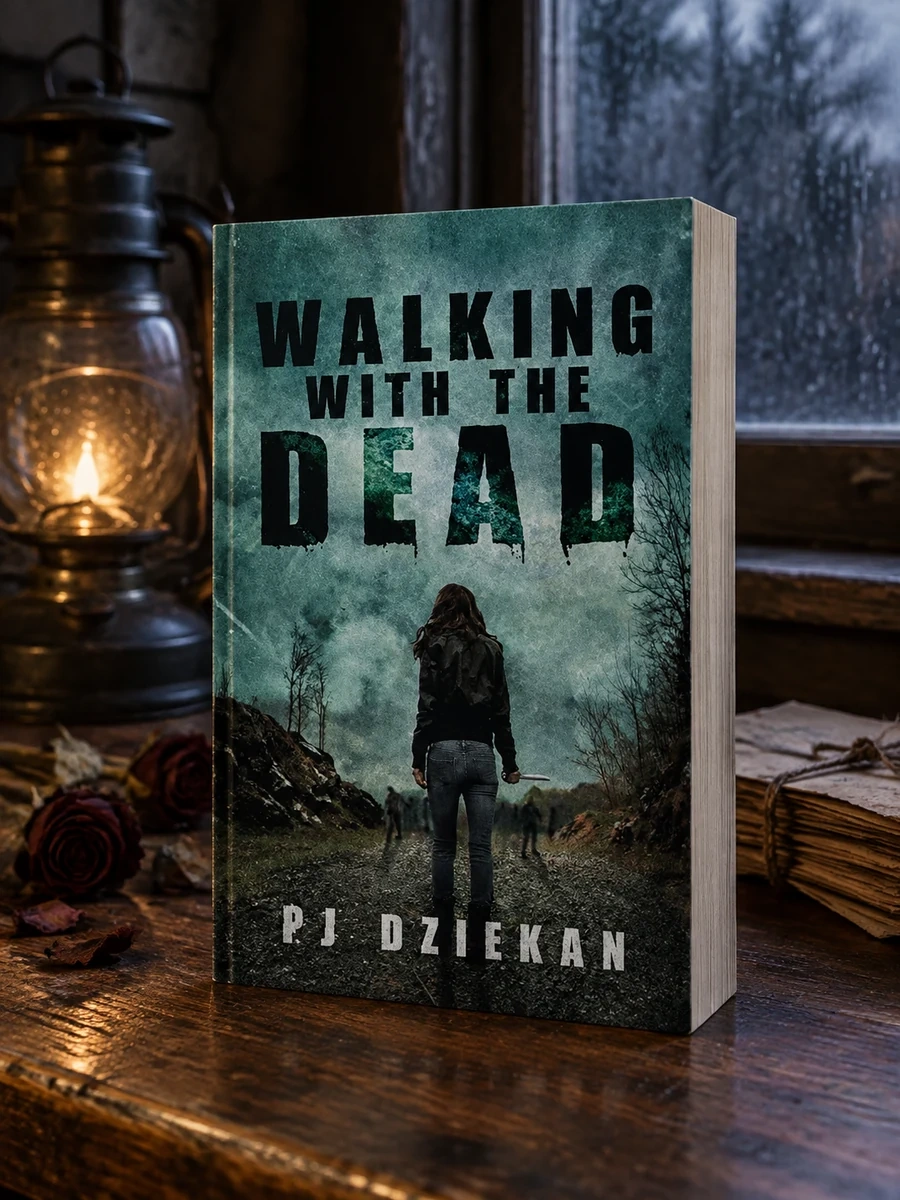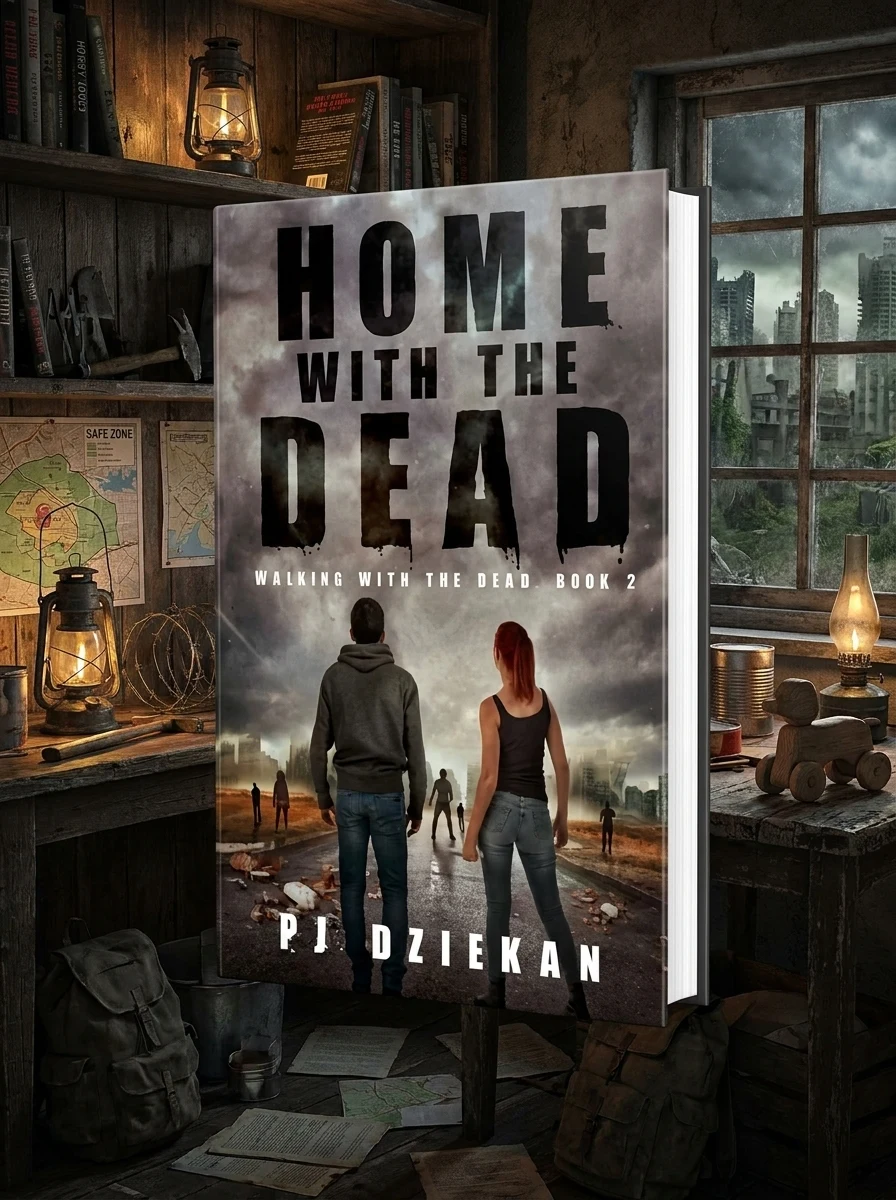
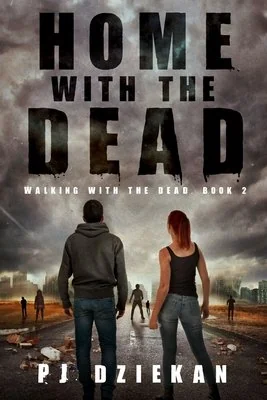
Home with the Dead: (Walking with the Dead, Book 2)
A sequel following survivors navigating a world altered by the dead.
This sequel expands the scope of survival by introducing generational stakes. Sarah, Mick, Ryan, and their allies face new dangers that threaten their established home. The narrative emphasizes the weight of protecting younger individuals alongside personal safety. Dziekan crafts a story where maintaining normalcy becomes an active, difficult pursuit rather than a passive state. The plot moves forward through the characters' responses to these layered threats.
Published independently in 2020, this title sits within the contemporary horror genre. It draws on traditions of supernatural fiction and gothic themes involving the dead. The work targets American readers interested in modern interpretations of undead narratives.


📝 Description: Home with the Dead: (Walking with the Dead, Book 2)
💎 Our verdict on Home with the Dead: (Walking with the Dead, Book 2)
📖 Why choose it
Why this book is worth reading
Readers who appreciate the intricate balance of interpersonal dynamics within high-stakes survival scenarios will find this sequel deeply engaging. It appeals to those who value the psychological weight of leadership and the burden of protecting a vulnerable younger generation over simple action sequences. The narrative’s focus on maintaining normalcy amidst chaos offers a refreshing, grounded perspective on the genre. Fans of character-driven horror who enjoy watching resilient protagonists navigate complex social structures while defending their home will gain significant satisfaction from this story's exploration of duty and resilience in a fractured world.
⭐ Reader reviews
Reader rating
Dziekan successfully elevates the series by shifting focus from immediate survival to the harder task of establishing lasting order. The emphasis on generational stakes adds emotional depth, forcing characters to prioritize long-term security over short-term safety. This approach grounds the supernatural elements in tangible human responsibility, making the threat feel more personal and urgent. The book suits readers who enjoy slow-burn tension and detailed character development within a dark fantasy framework. It avoids generic tropes by concentrating on the daily struggle for normalcy, offering a compelling look at how leadership shapes community survival in a world fundamentally altered by undead forces.