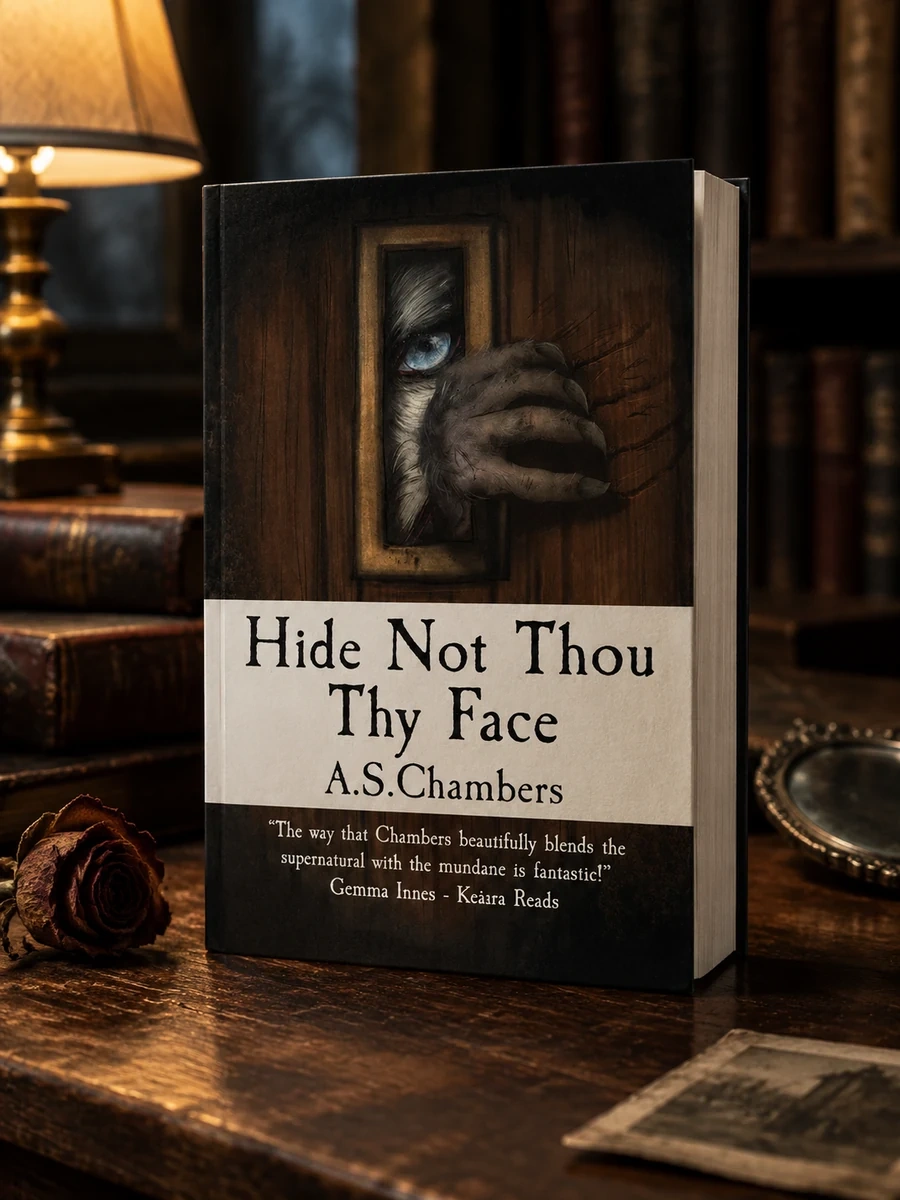
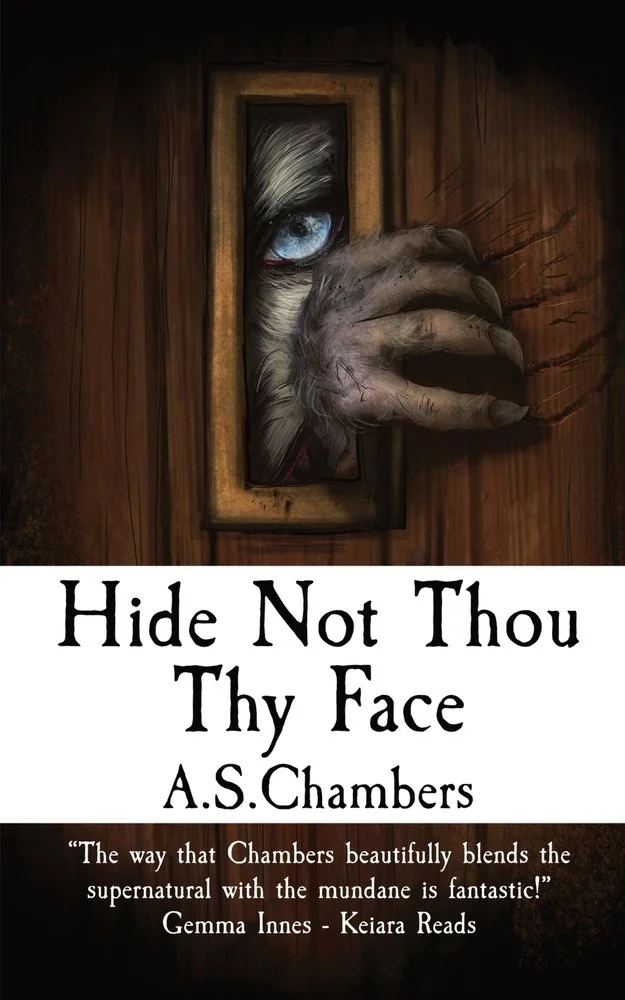
Hide Not Thou Thy Face
A collection of horror vignettes by A.S. Chambers.
This collection serves as a bridge to the Bloodline series while standing alone as a study of fear. Chambers uses short formats to dissect contemporary anxieties through supernatural lenses. The inclusion of prologues ties the standalone tales to the larger narrative arc of Sam Spallucci. Each story isolates a specific fear, from familial betrayal to technological dependence. The alien in the garden represents an intrusion of the unknown into safe spaces. The demonic father figure explores the horror of inherited legacy. These elements combine to create a cohesive atmosphere of dread. The book suits fans of quick, sharp horror that prioritizes concept over character development.
Published in 2024 by Basilisk Books, this volume sits within the contemporary American horror market. It appeals to readers of gothic fiction and supernatural tales. The work connects to the established Sam Spallucci series, offering context for fans while introducing new concepts.


📝 Description: Hide Not Thou Thy Face
💎 Our verdict on Hide Not Thou Thy Face
📖 Why choose it
Why this book is worth reading
Readers who crave concise, sharp horror that prioritizes concept over extensive character development will find this volume particularly engaging. It serves as an ideal entry point for those familiar with the Sam Spallucci series, offering final prologues that tie standalone tales to a larger narrative arc. The book is best suited for audiences seeking quick, unsettling vignettes that dissect contemporary fears such as inherited legacy and technological addiction. By isolating specific anxieties—from workplace dangers to alien intrusions in safe spaces—Chambers provides immediate tension without the need for long-form commitment. It appeals to those who enjoy direct prose and scenarios that challenge comfort with the mundane.
⭐ Reader reviews
Reader rating
Chambers delivers a cohesive atmosphere of dread through vignettes that dissect contemporary anxieties via supernatural encounters. The work excels in its ability to isolate specific fears, such as familial betrayal and technological dependence, creating a study of fear that stands alone while bridging to the Bloodline series. The direct prose focuses on immediate tension, avoiding unnecessary embellishment to heighten the impact of each premise. This collection suits fans of quick, sharp horror who appreciate concept-driven narratives. While those seeking epic fantasy or historical romance may find it too brief, readers desiring unsettling tales that question human vulnerability will find significant value in its exploration of modern existence's darker corners.