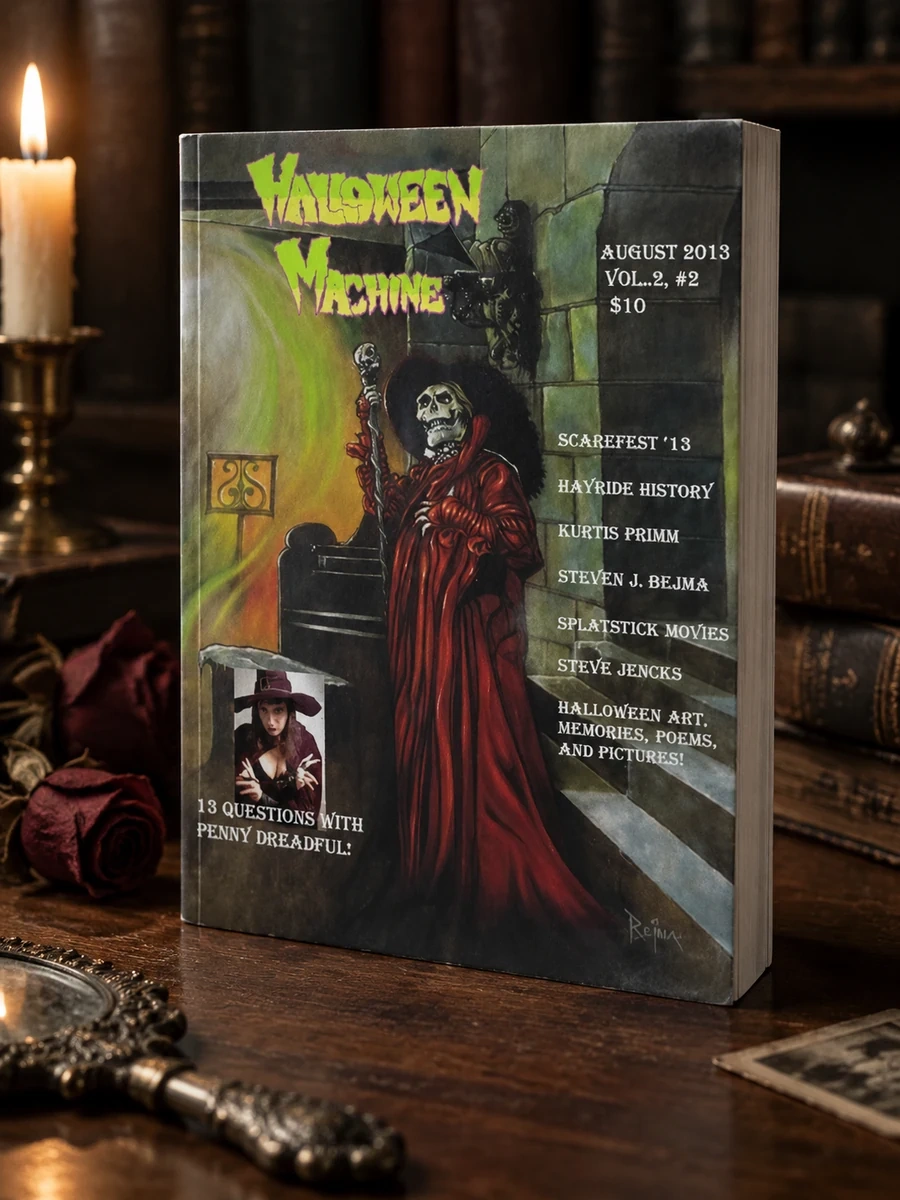

Halloween Machine Vol.2 Issue 2
A collection of interviews, art, and essays celebrating 2013 horror culture.
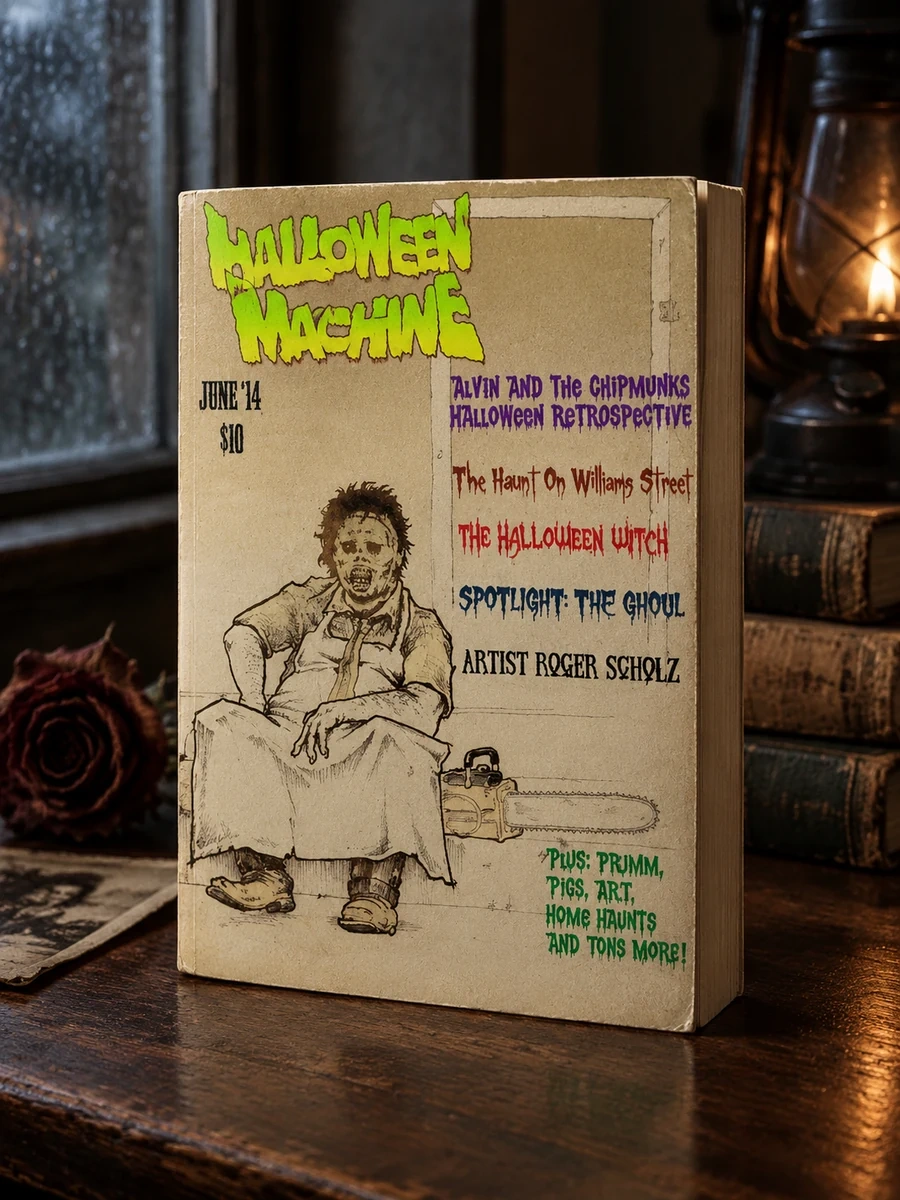
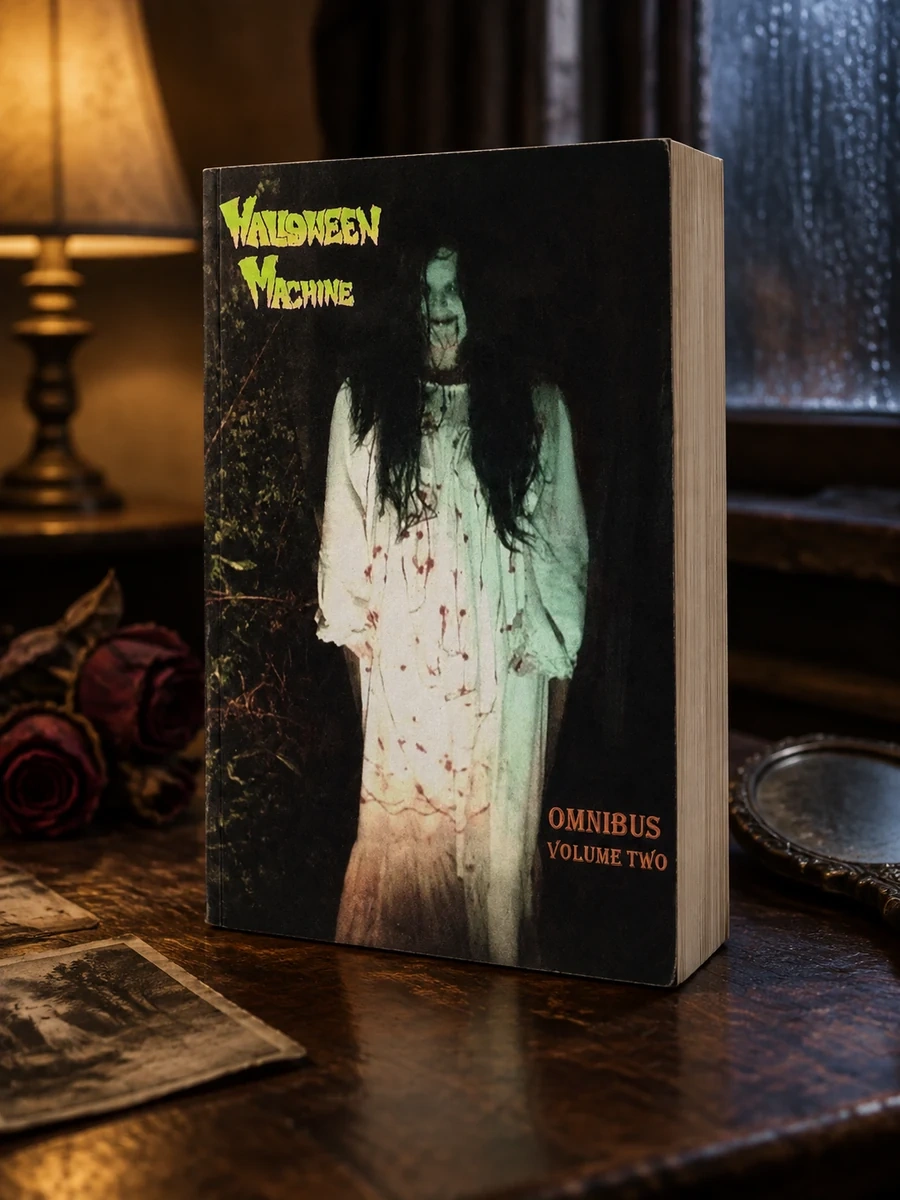
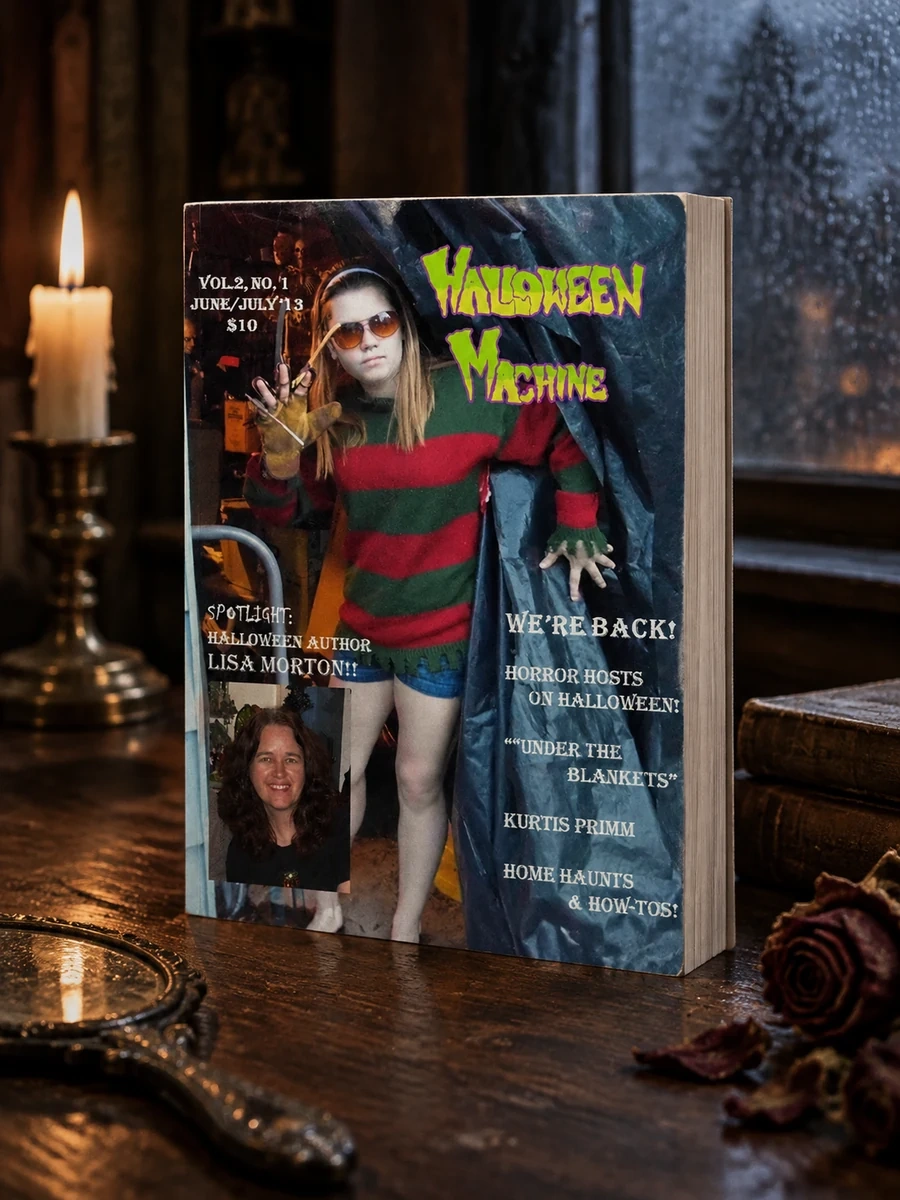
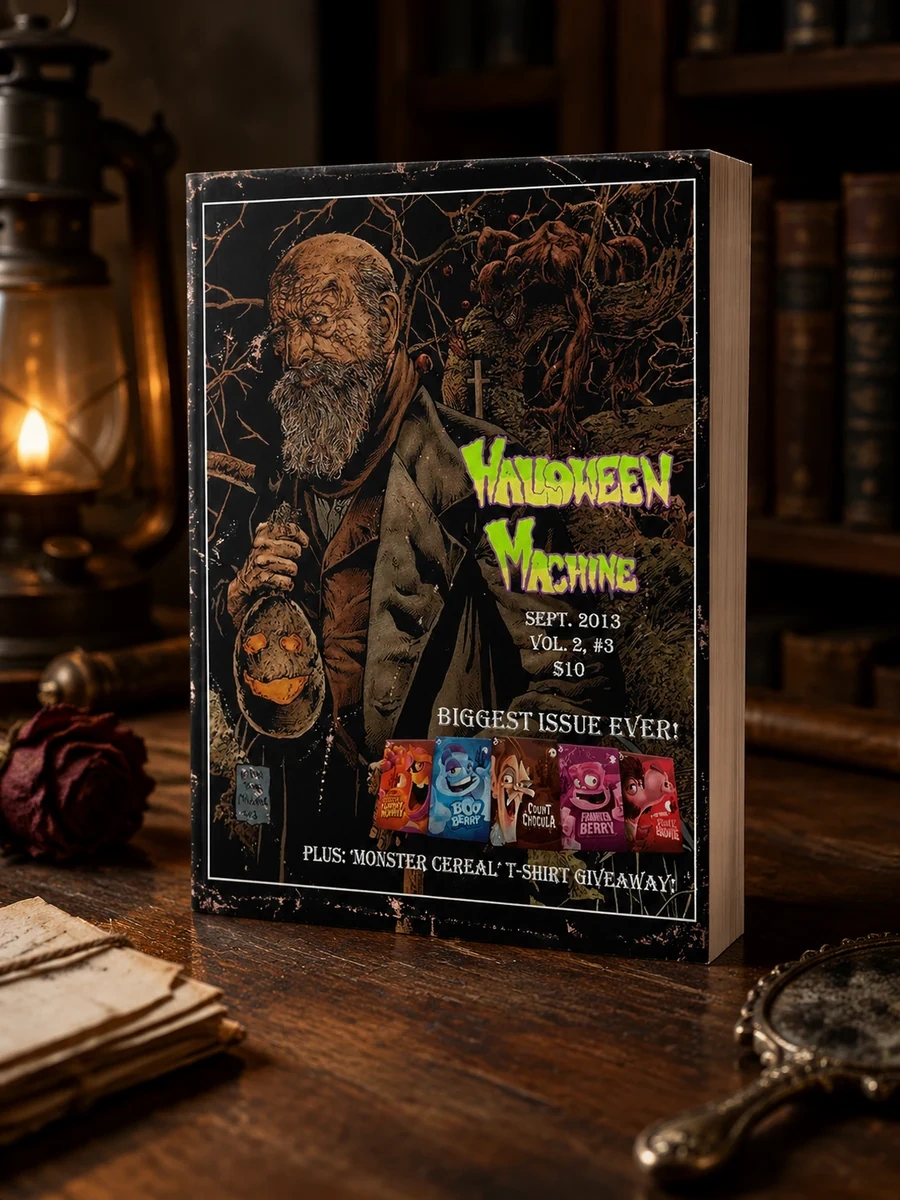
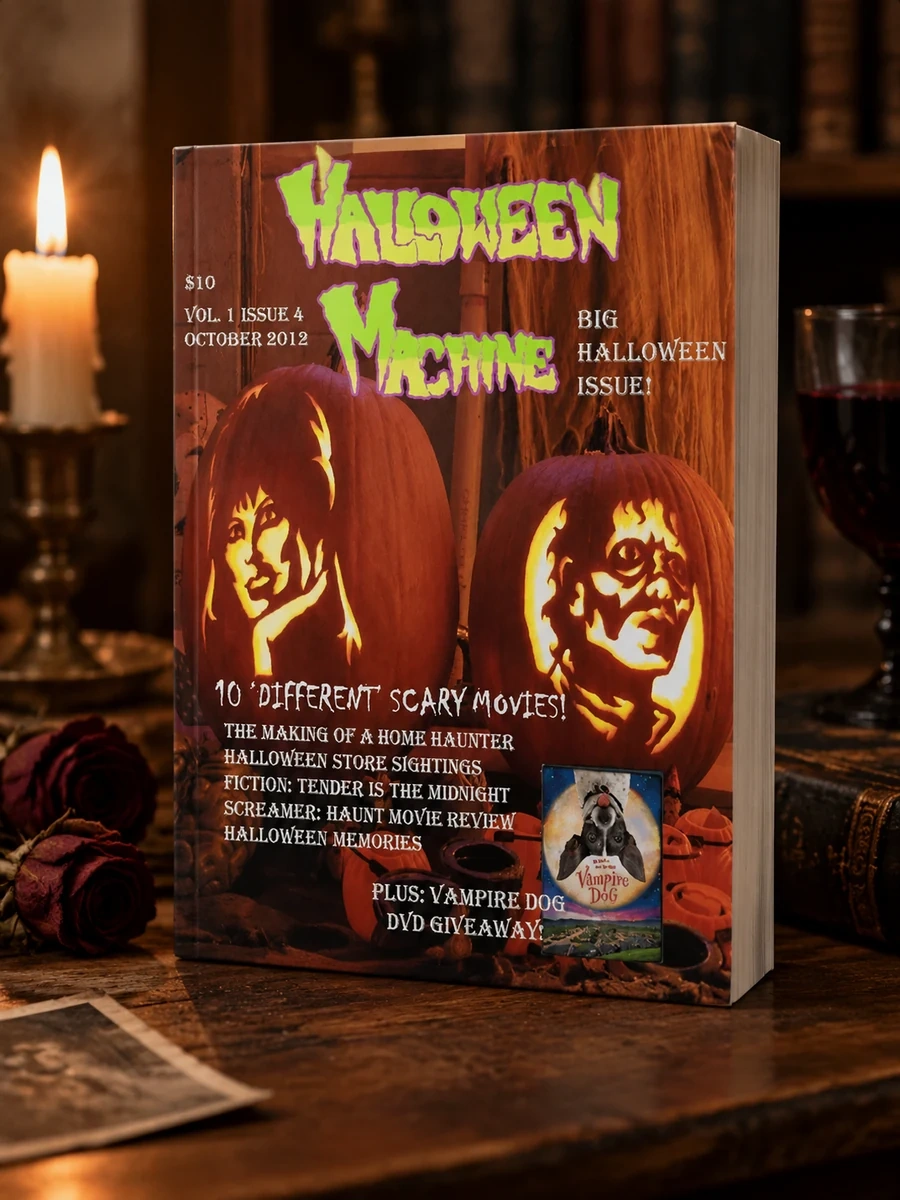
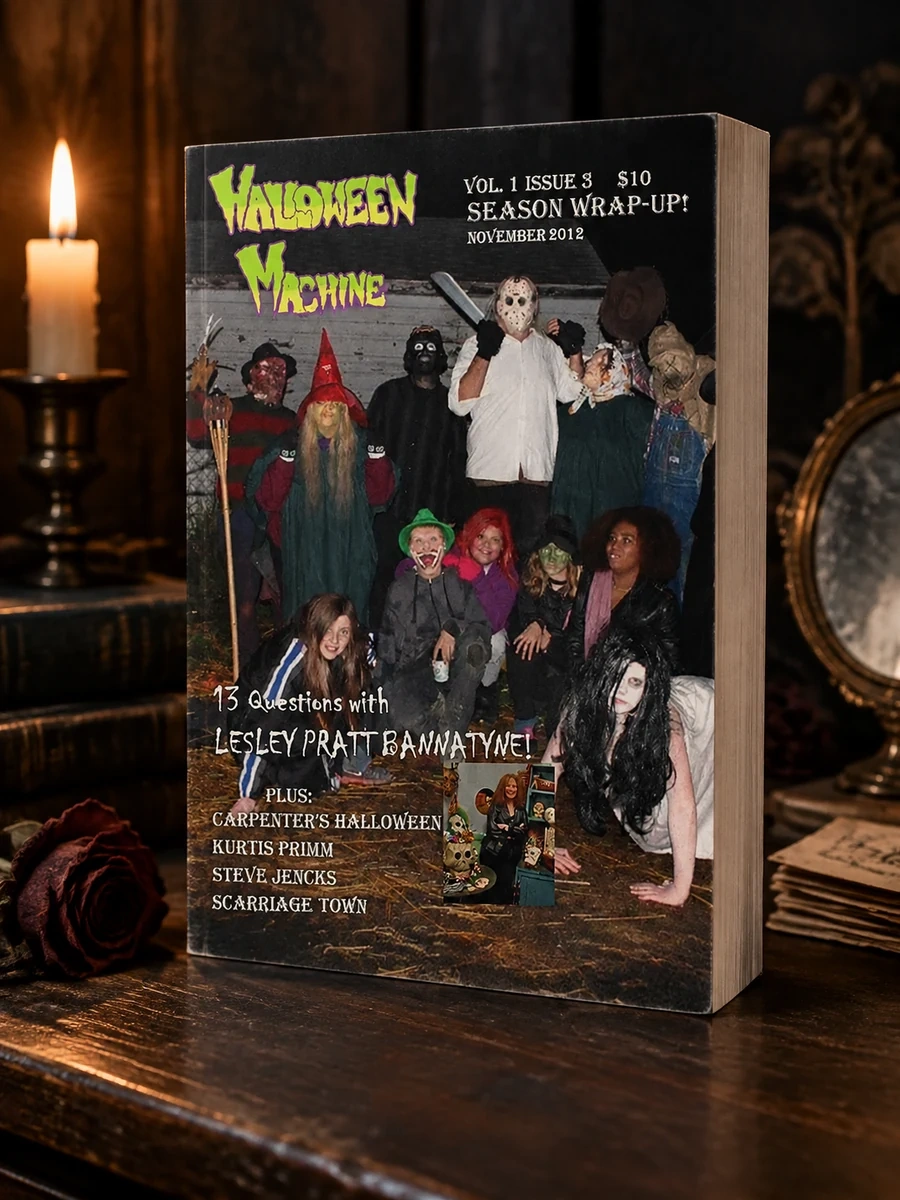
This issue compiles diverse voices from the horror community. It features conversations with Penny Dreadful and coverage of Scarefest. Steve Jencks and Splatstick Movies provide visual and industry perspectives. Historical context on hayrides grounds the seasonal themes. Creative contributions include poetry by Kurtis Primm and Makayla Randol. Artwork by Charles Cochran and Xat Grey complements the text. Steven J. Bejma designs the cover. The content targets fans of home haunts and genre history.
Published in 2013 by Lulu.com, this issue reflects the independent horror community. It captures specific trends like home haunters and regional conventions. The content serves fans of genre hosts and seasonal traditions.


📝 Description: Halloween Machine Vol.2 Issue 2
💎 Our verdict on Halloween Machine Vol.2 Issue 2
📖 Why choose it
Why this book is worth reading
This book offers a unique window into the specific anxieties and celebrations of the 2013 horror community. It is ideal for dedicated fans who wish to understand the evolution of home haunts and seasonal traditions beyond mainstream media. Readers will appreciate the blend of industry insights from figures like Steve Jencks and Splatstick Movies with personal reflections on Halloween's significance. The inclusion of poetry by Kurtis Primm and Makayla Randol adds a creative layer that appeals to those who view horror as an artistic expression rather than just entertainment. It serves as a valuable record for those tracking the growth of independent horror zines and the passionate voices that sustain them during this pivotal year in genre history.
⭐ Reader reviews
Reader rating
Halloween Machine Vol.2 Issue 2 acts as a vibrant archive of 2013's horror landscape, successfully blending historical context with contemporary fan perspectives. The coverage of Scarefest and interviews with figures like Penny Dreadful provide essential insights into the haunt convention scene. The artistic contributions by Charles Cochran and Xat Grey enhance the text, offering visual respite from the essays. While it lacks narrative fiction, its strength lies in documenting a specific moment in horror subculture. It suits readers interested in the sociology of fear and the history of seasonal traditions. The straightforward organization makes it accessible to both casual fans and serious collectors of genre ephemera.