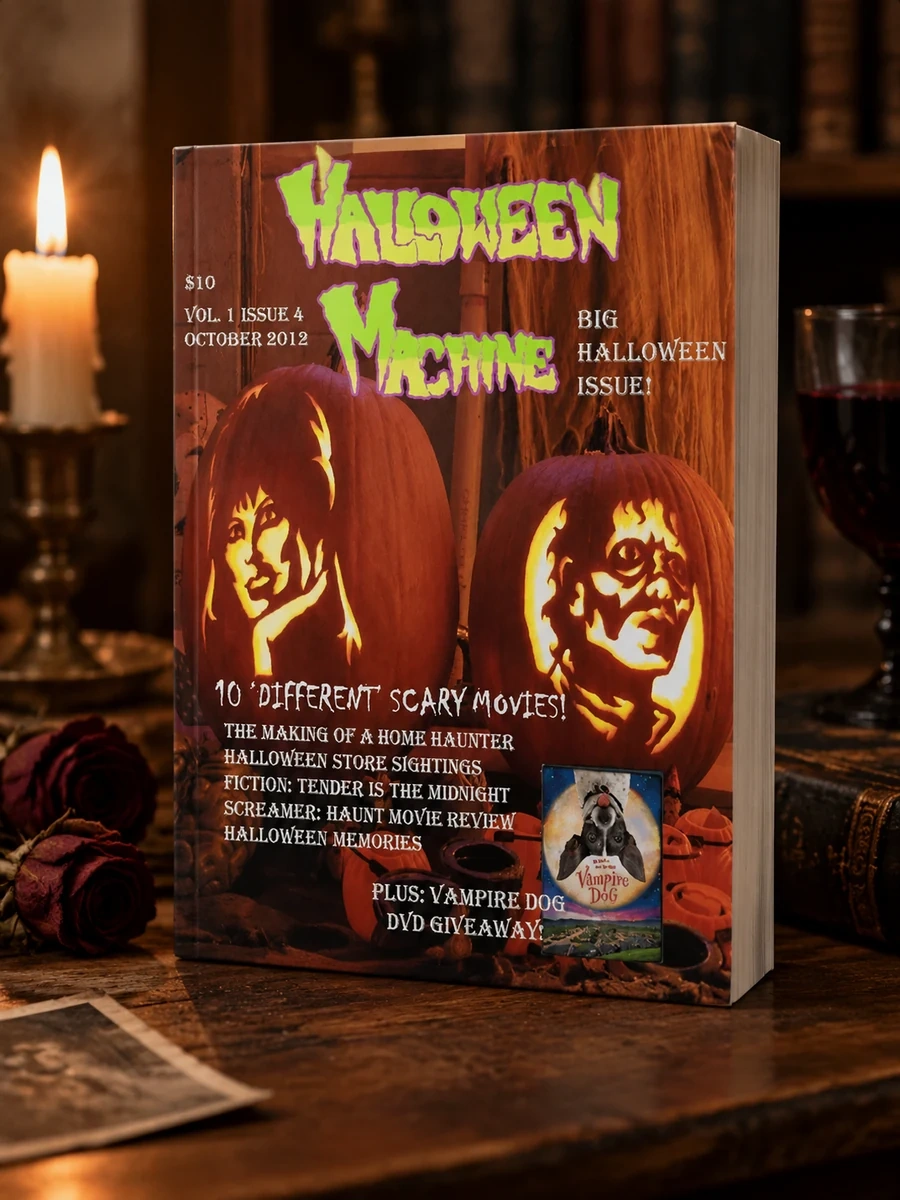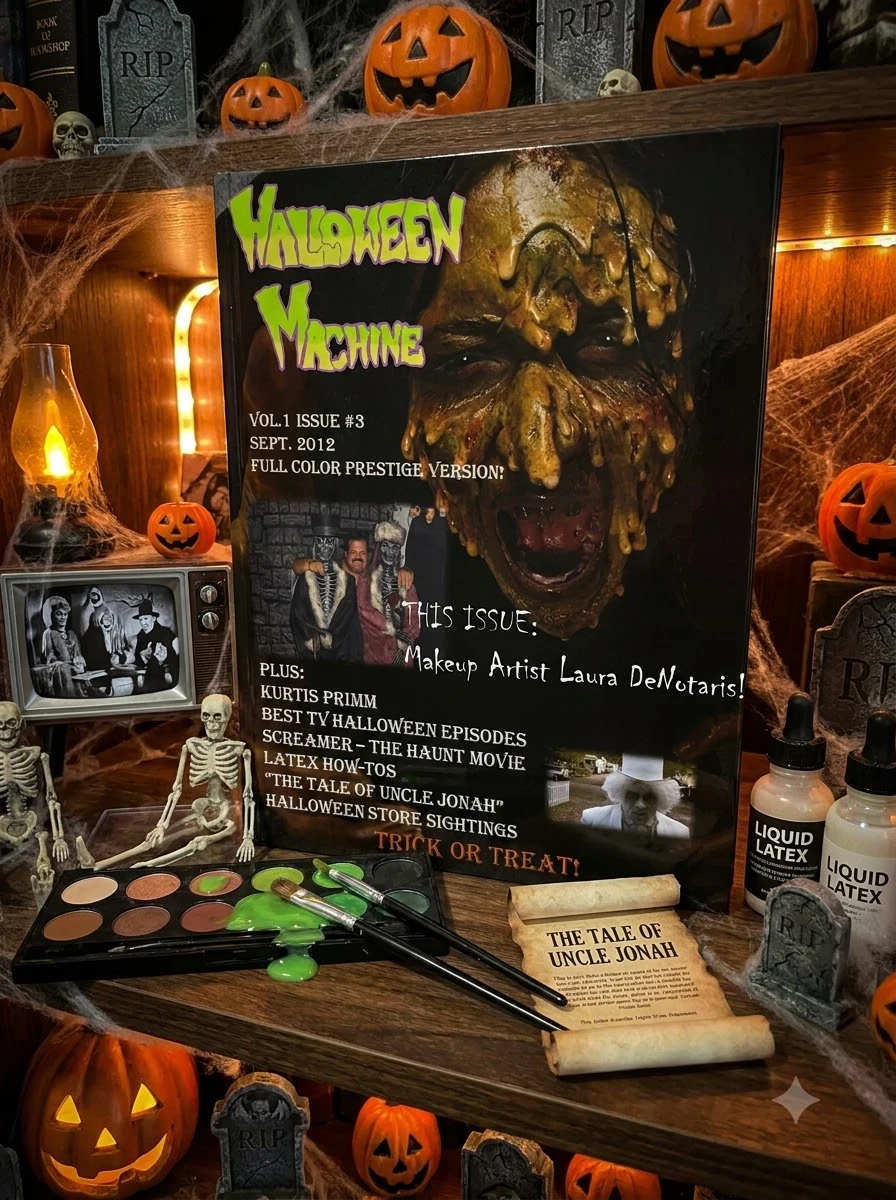
Halloween Machine June 2014
A seasonal horror magazine featuring interviews, art, and pop culture retrospectives.
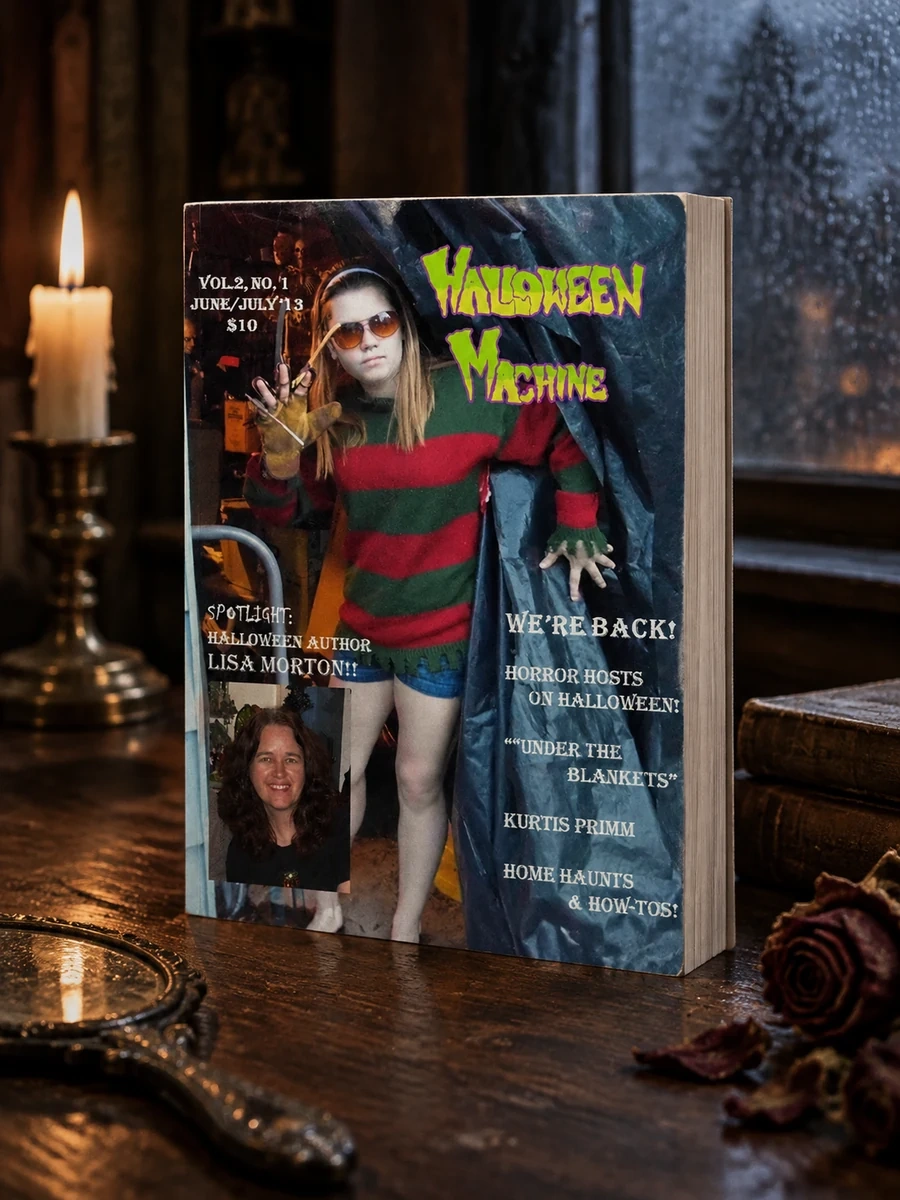
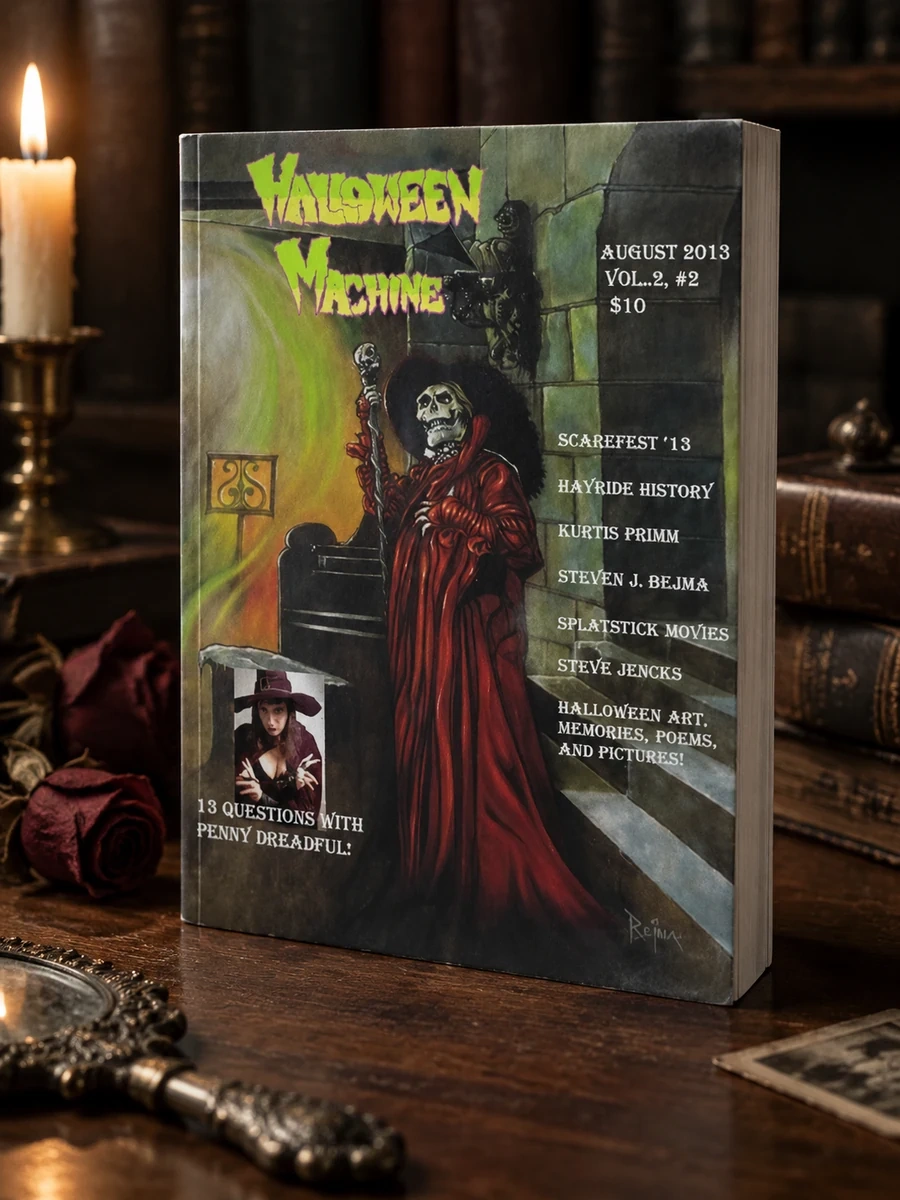
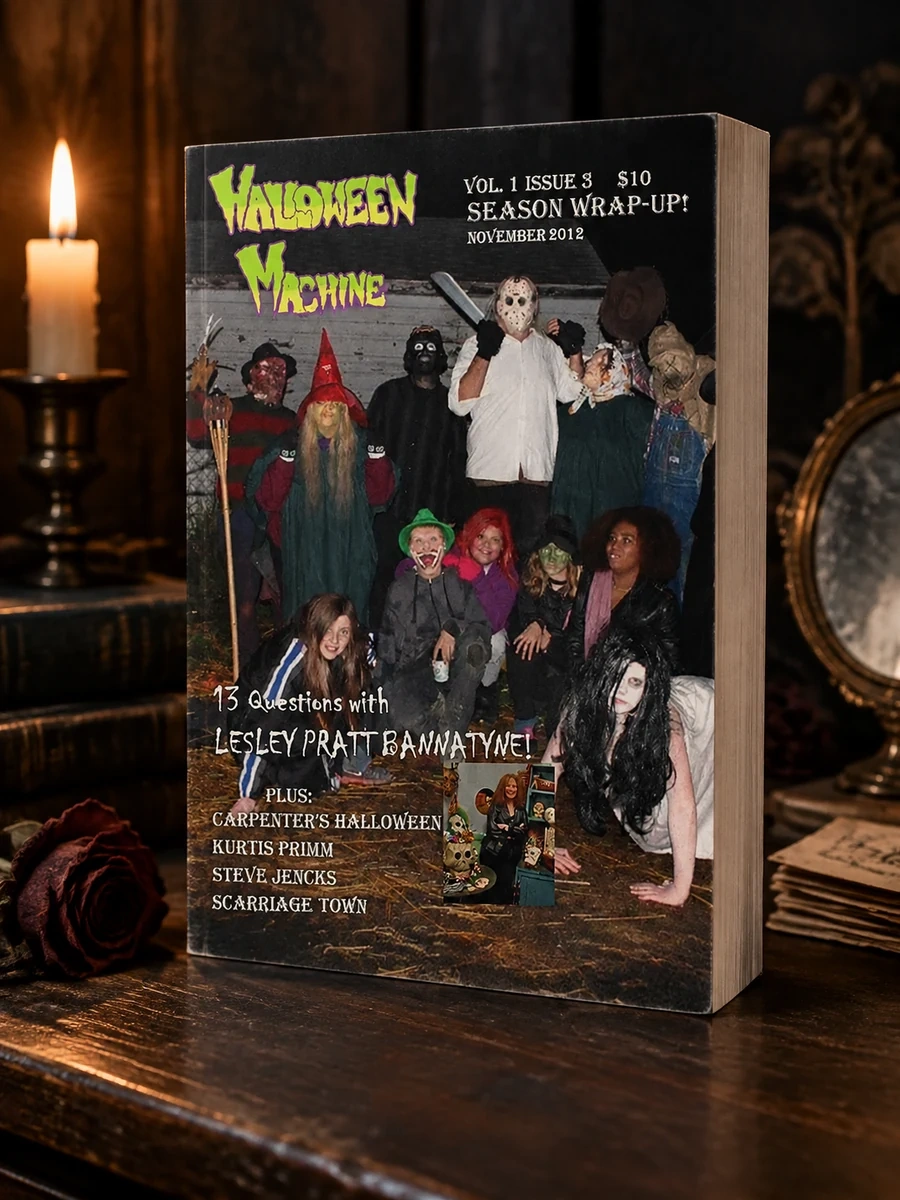
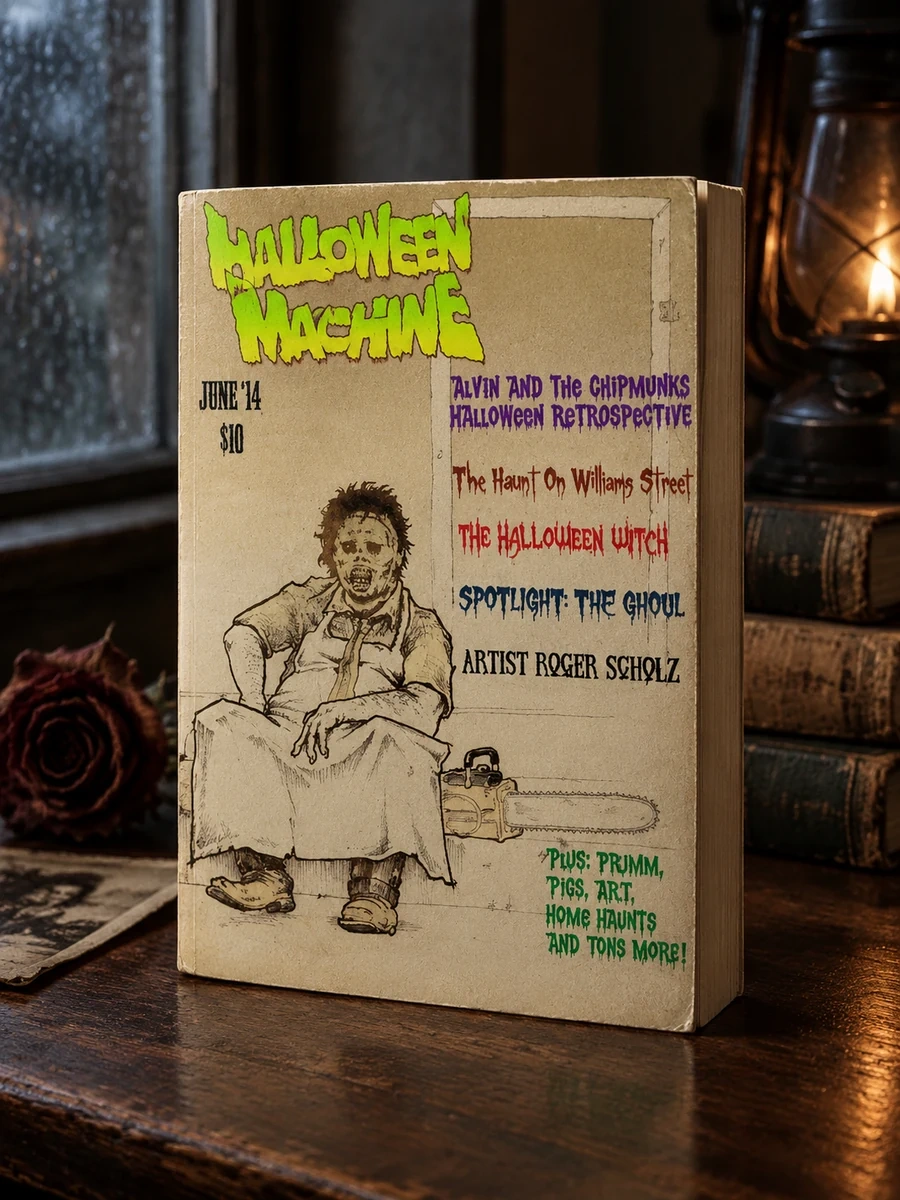
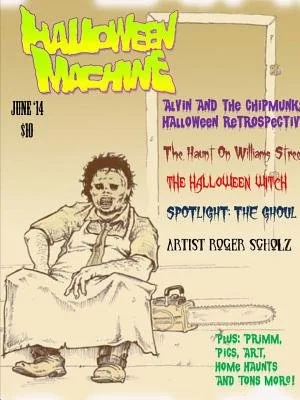
This publication operates as a periodical dedicated to the aesthetics and personalities of the horror genre. It moves away from traditional storytelling to focus on the people and places that define the Halloween experience. The content ranges from practical guides on home haunts to nostalgic looks at animated characters. By including an interview with The Ghoul, it preserves the history of horror hosting. Kurtis Primm's contribution adds a unique perspective through Dr. Scream's Spookshow. The visual component is significant, highlighted by Roger Scholz's cover art. This approach makes it a visual and informational resource rather than a narrative work.
Published in June 2014 by Lulu.com, this issue arrives early for the Halloween season. It reflects the mid-2010s interest in horror hosting and home decoration culture. The work sits within the tradition of fan-focused periodicals that celebrate seasonal frights and media personalities.


📝 Description: Halloween Machine June 2014
💎 Our verdict on Halloween Machine June 2014
📖 Why choose it
Why this book is worth reading
Readers who appreciate the tangible history of horror broadcasting and seasonal decoration will find this volume essential. It offers a unique window into the personalities behind the masks, such as The Ghoul, and the practical artistry of home haunts. Fans of pop culture retrospectives, particularly those examining how animated icons like Alvin and the Chipmunks intersect with Halloween, will gain insight here. Those seeking visual stimulation alongside informational content will appreciate the curated layout and Roger Scholz’s cover art. It serves collectors of horror ephemera who value the preservation of media history over dense theoretical criticism or traditional narrative structures.
⭐ Reader reviews
Reader rating
This issue excels as a visual and informational resource for enthusiasts of horror hosting traditions. By moving away from standard storytelling, it successfully highlights the people and places that define the Halloween experience. The inclusion of Dr. Scream's Spookshow and profiles on home haunts provides a well-rounded view of seasonal frights. While it lacks academic depth, its strength lies in its accessibility and nostalgic appeal. It is best suited for collectors of horror ephemera and fans of specific horror hosts rather than those seeking literary criticism. The significant visual component anchors the publication, making it a delightful browse for anyone interested in the aesthetics of fear.