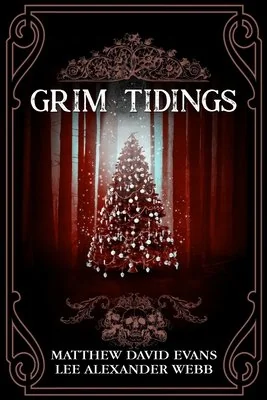
Grim Tidings
A serial killer recounts his bloody past to secure posthumous fame.
The narrative centers on Alexander Roy, known by aliases including Jingle Jangle and the Yuletide Madman. Webb structures the text as a memoir written by this aging murderer. The content focuses on his memories of violent acts committed during his lifetime. The author uses the persona of a forgotten killer to explore themes of infamy and regret. The work is published independently, allowing for a raw and unfiltered voice. It appeals to fans of dark character studies and seasonal horror tropes. The text does not offer moral judgment but presents the killer’s perspective on his own legacy.
Grim Tidings emerges from the independent publishing landscape of 2020. It taps into American gothic horror traditions by recontextualizing Christmas imagery through the lens of a deranged criminal. The work sits within the niche of psychological horror that examines the minds of notorious figures rather than external monsters.


📝 Description: Grim Tidings
💎 Our verdict on Grim Tidings
📖 Why choose it
Why this book is worth reading
This book is ideal for readers who appreciate dark character studies and psychological profiles of notorious figures over traditional plot-driven mysteries. It appeals to those interested in the intersection of gothic horror and holiday folklore, offering a raw, unfiltered voice from an independent publication. The narrative provides an intimate yet unsettling atmosphere by focusing on the killer’s desire for recognition rather than sensationalism. Readers seeking a quiet, introspective look at a life defined by violence will find value in this unique perspective. It is suitable for fans who enjoy confronting the banality of evil within a familiar seasonal context without moral judgment or heroic qualities.
⭐ Reader reviews
Reader rating
Lee Alexander Webb delivers a compelling first-person account through the lens of Alexander Roy, an aging serial killer seeking posthumous fame. The text avoids sensationalism, instead offering a quiet, introspective exploration of infamy and regret. This approach suits readers interested in psychological profiles and gothic horror elements tied to holiday traditions. The single-narrator structure creates an unsettling intimacy, challenging the audience to confront evil within a festive context. While it may not appeal to those seeking heroic characters or traditional mysteries, it stands out for its raw voice and focus on legacy. The work effectively documents violence through the eyes of someone who regrets nothing but obscurity, providing a disturbing yet fascinating look at the desire for recognition.