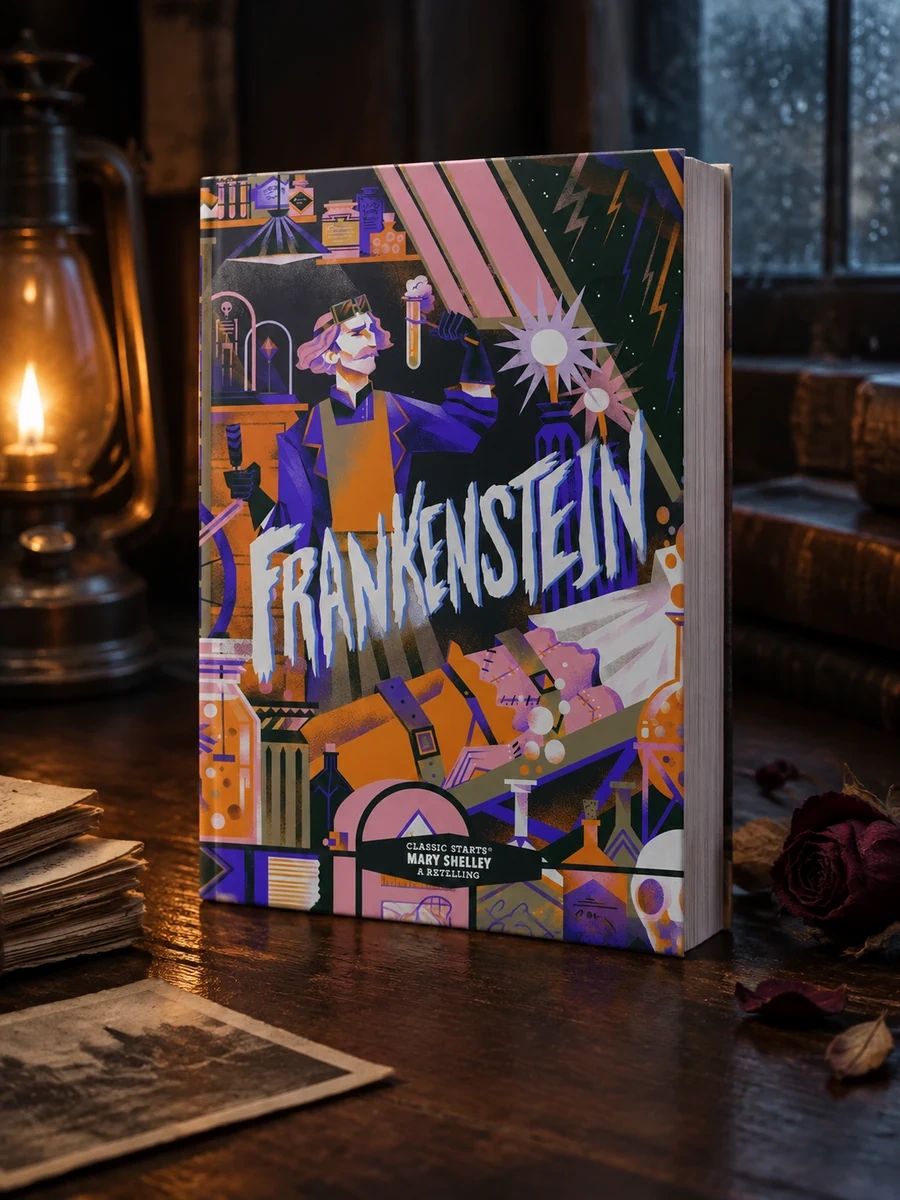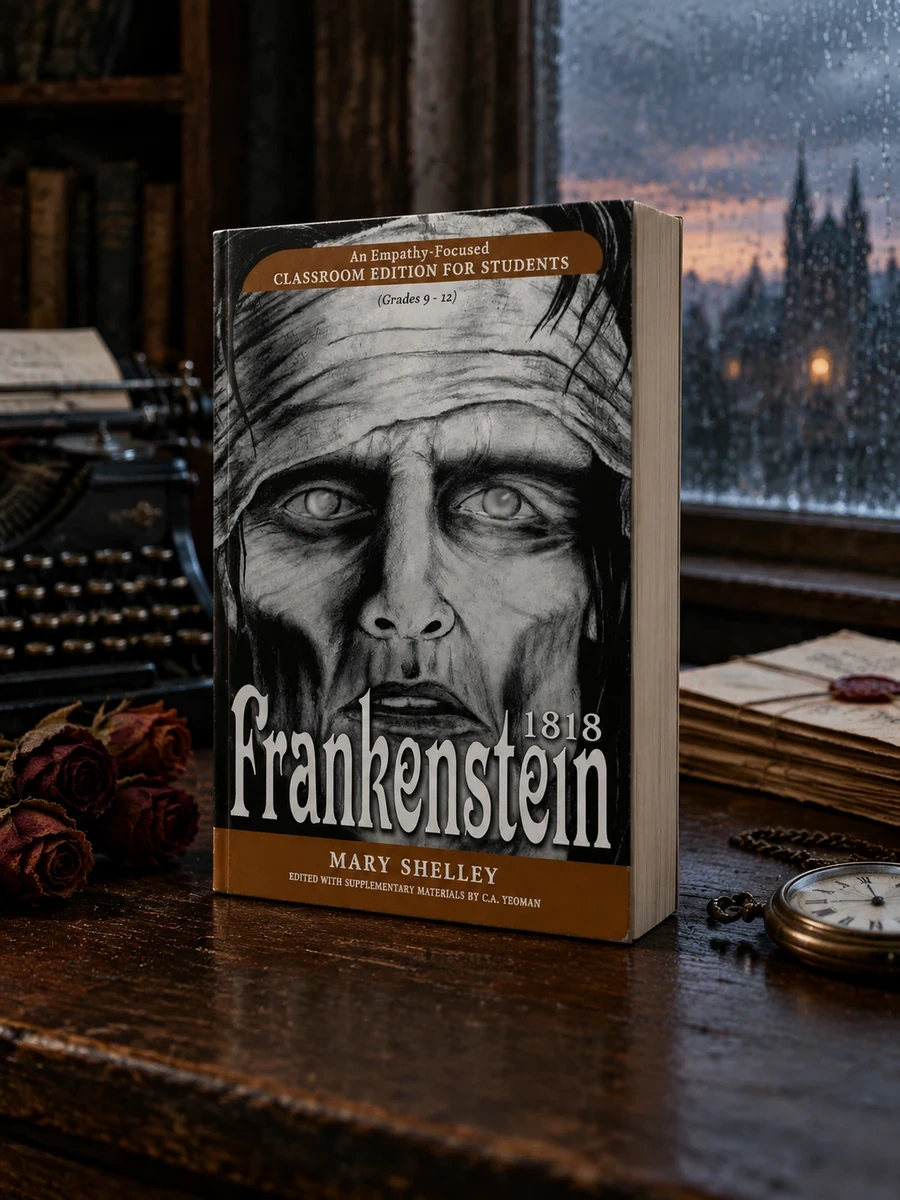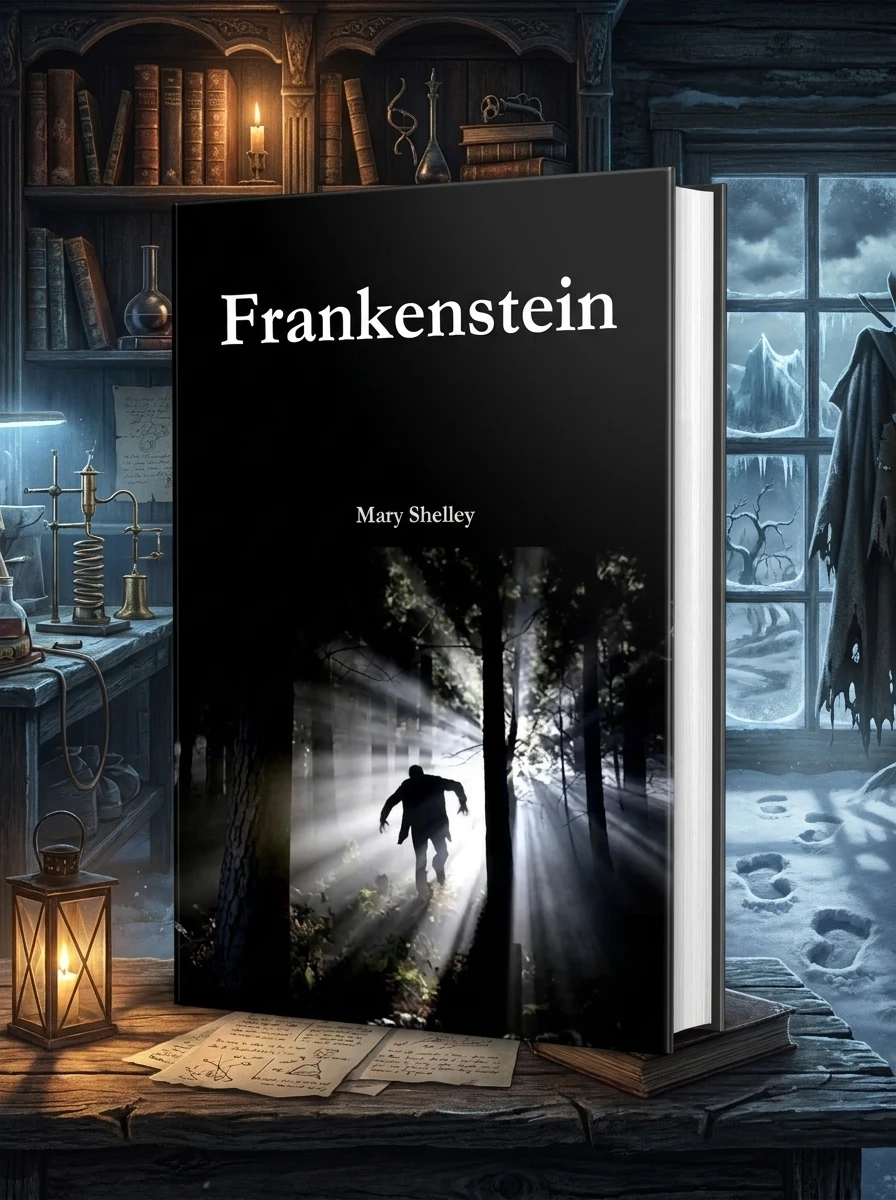
Frankenstein
Mary Shelley's gothic tale of a creator and his tragic monster.
The narrative follows Dr. Frankenstein’s quest to discover life and death mysteries. His creation becomes a hulking, beastly figure who wanders Northern Europe. The creature seeks acceptance from his maker but receives only rejection. This denial leads him to vow inspiration of fear rather than love. The plot moves through icy forests and old castles, highlighting the tragedy of isolation. Shelley’s work examines the consequences of unchecked ambition and the nature of evil. It presents a monster who is articulate and passionate, challenging simple notions of villainy. The story remains relevant for its exploration of human connection and societal rejection.
This work stands as an all-time classic of gothic horror. It has influenced countless adaptations across various media over two hundred years. The story is set in the bleak, Northern European wastelands and old world castles. It draws on the traditions of supernatural fiction and tragic romance.


📝 Description: Frankenstein
💎 Our verdict on Frankenstein
📖 Why choose it
Why this book is worth reading
Readers fascinated by the psychological depths of villainy and the tragic consequences of unchecked ambition will find profound resonance in this narrative. It offers a sophisticated examination of societal rejection, human connection, and the nature of evil through an articulate and passionate monster who challenges simple notions of good and bad. Those interested in philosophical questions about creation and the darkest realms of the human soul will appreciate its moral complexities. This work is ideal for individuals seeking more than lighthearted adventure, preferring a bleak tone that traverses haunting landscapes and explores the profound tragedy of isolation in a world devoid of warmth or acceptance.
⭐ Reader reviews
Reader rating
This gothic masterpiece effectively transports readers through creaking castles and icy forests, highlighting the profound tragedy of isolation. Shelley’s portrayal of a beastly yet articulate creature creates a nuanced antagonist who demands companionship rather than mere fear. The narrative successfully examines the consequences of scientific hubris while maintaining a haunting atmosphere that lingers long after the final page. It suits readers who enjoy philosophical horror and classic supernatural fiction, particularly those drawn to tragic monsters and moral ambiguity. However, audiences seeking modern thriller pacing or uplifting resolutions may find the bleak tone unsuitable. Despite its age, the work remains relevant for its deep exploration of human connection and societal rejection, offering a timeless tour through the haunting landscapes of the gothic tradition.