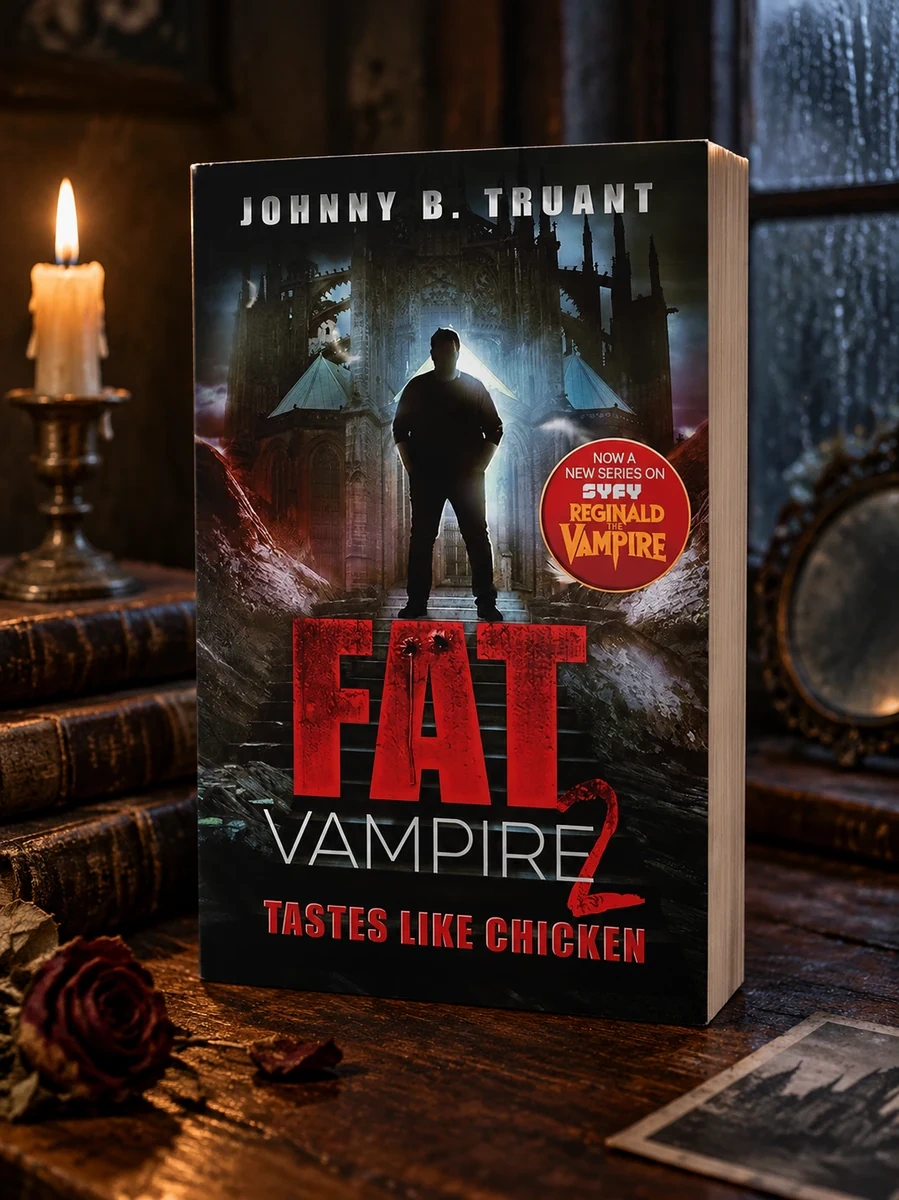
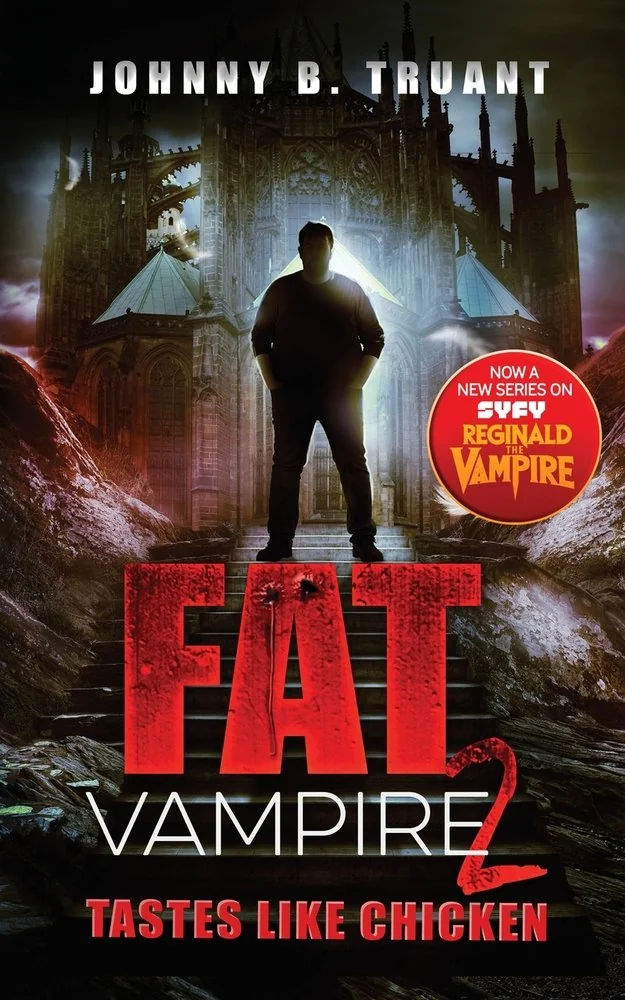
Fat Vampire 2: Tastes Like Chicken
A fat vampire navigates political plots after six months of failed happiness.
This sequel continues the story of Reginald Baskin and Maurice. It focuses on the consequences of Maurice’s rise to Deacon. The narrative highlights the dangers faced by those in power. Reginald’s physical condition remains a central obstacle to his personal life. The text examines how ambition drives conflict among lesser vampires. It avoids romanticizing the undead experience, instead showing it as fraught with danger and inconvenience. The tone balances humor with genuine threat. Readers interested in character-driven supernatural fiction will find this engaging. Fans of pure horror might prefer more traditional scares.
The book sits within the modern tradition of humorous gothic fiction. It reimagines classic vampire tropes through a lens of bureaucratic satire. The setting reflects contemporary anxieties about hierarchy and security. Truant draws on established supernatural lore while subverting expectations for comedic effect.


📝 Description: Fat Vampire 2: Tastes Like Chicken
💎 Our verdict on Fat Vampire 2: Tastes Like Chicken
📖 Why choose it
Why this book is worth reading
Readers who enjoy character-driven supernatural fiction with a satirical edge will find this book engaging. It appeals to those interested in dark comedy mixed with political intrigue rather than traditional scares. The narrative offers a refreshing perspective on immortality by focusing on the absurdity of social expectations and bureaucratic struggles. Fans of vampire lore who prefer humor over graphic violence will appreciate the avoidance of romanticizing the undead experience. The story explores complex themes of loyalty, betrayal, and ambition among lesser vampires. It is ideal for those seeking an entertaining look at power dynamics within a hidden society. The tone balances genuine threat with comedic elements, providing a unique reading experience.
⭐ Reader reviews
Reader rating
Johnny B Truant crafts a compelling sequel that grounds gothic horror in contemporary bureaucratic struggles. The narrative effectively examines the tension between established authority and ambitious subordinates, highlighting how ambition drives conflict among lesser vampires. Reginald’s physical condition serves as a central obstacle, adding depth to his personal struggles against social expectations. The book avoids romanticizing the undead experience, instead presenting it as fraught with danger and inconvenience. While pure horror fans might prefer traditional scares, those enjoying dark comedy and supernatural politics will find this engaging. The ending reflects ongoing instability, leaving the political landscape in flux without offering easy resolutions or clear moral victories.
📖 Read on the blog
✍️ More books by this author Johnny B Truant



🏛 Books from this publisher Johnny Truant LLC

You might also like
See more →


Have a question about this item?
Ask about the edition, condition, delivery or anything else — we reply by email or phone, usually within a day.
