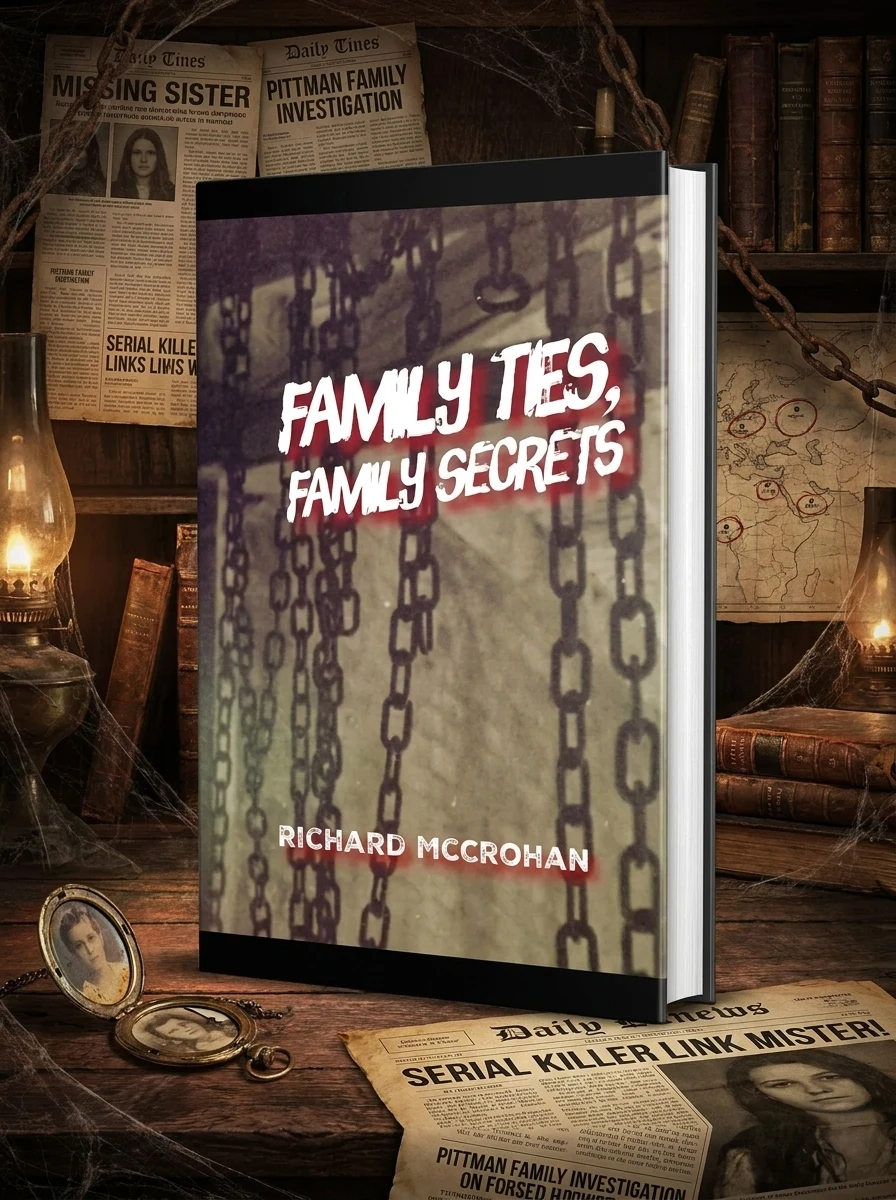
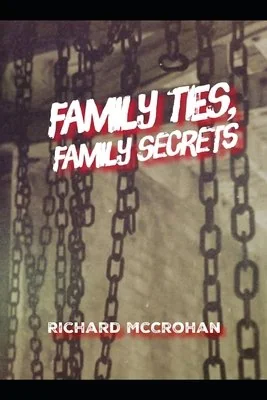
Family Ties, Family Secrets
A man confronts his past when a missing person case intersects with his notorious family lineage.
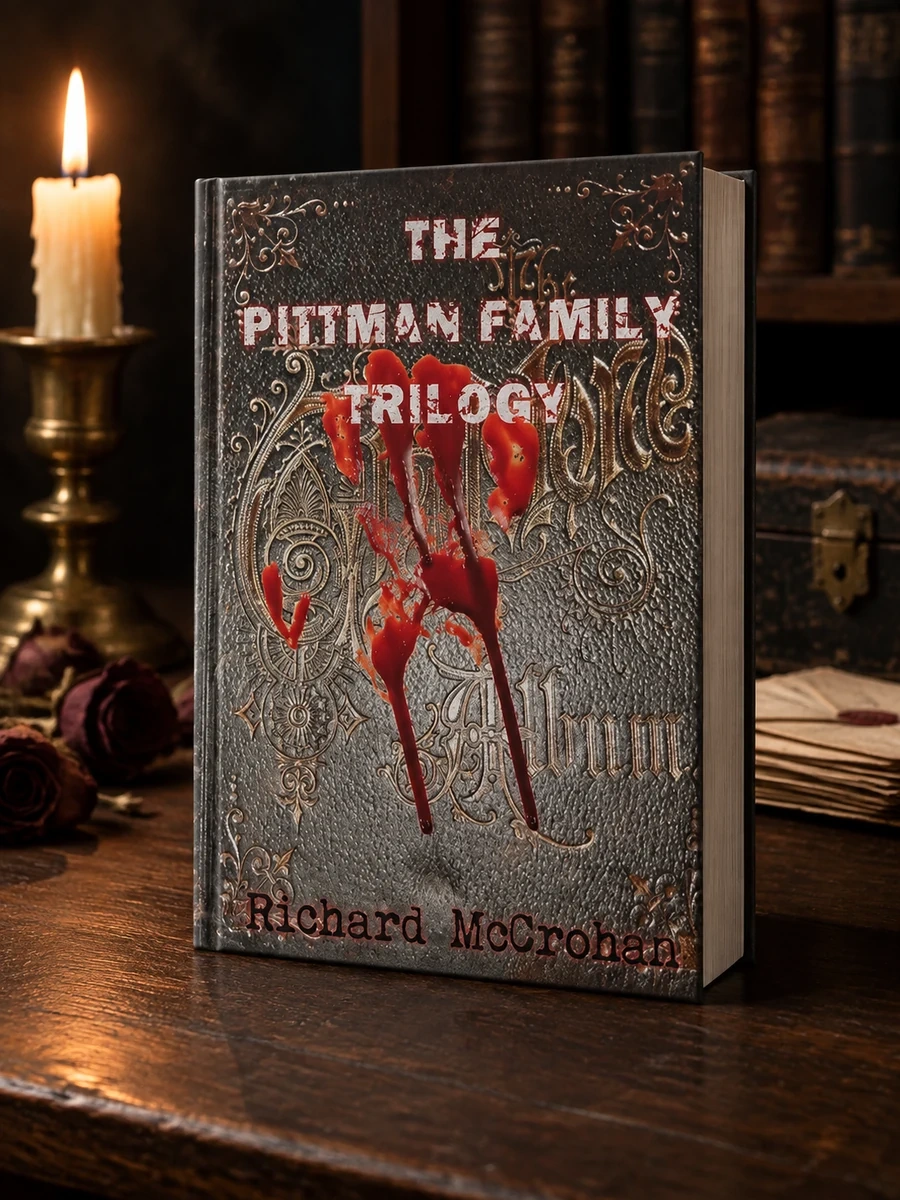
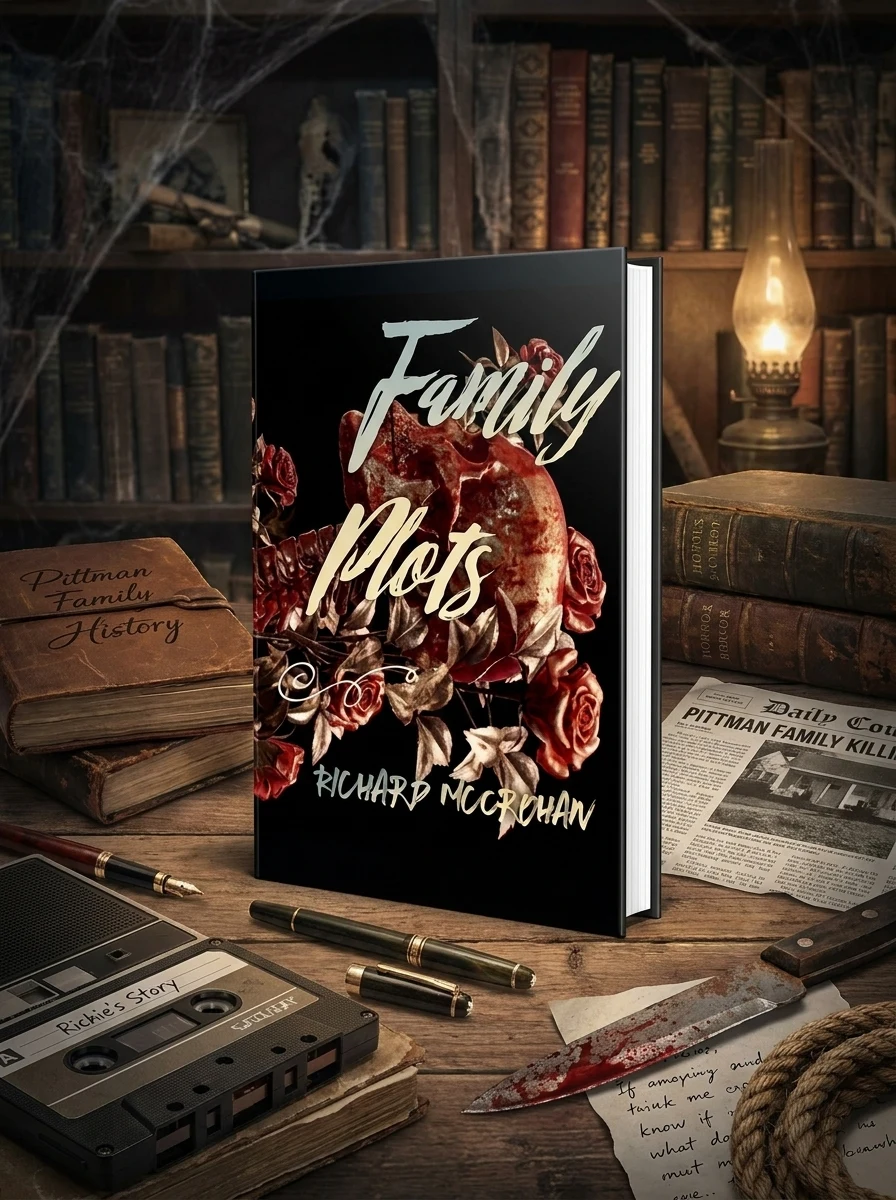
This work examines how early childhood connections can haunt an individual for decades. Richie’s journey moves from innocent playmate to victim of familial association. The text uses the real names of serial killers to anchor its fictional plot in recognizable horror history. It focuses on the weight of inherited guilt and the desire for closure. The narrative does not offer redemption but rather a final confrontation with the source of his pain.
The book draws on the real-world notoriety of American serial killers like Bundy and Gacy. It situates these figures within a fictionalized family tree centered on Gramma Pittman. The narrative bridges 1961 with contemporary events to explore how past sins affect present identity.


📝 Description: Family Ties, Family Secrets
💎 Our verdict on Family Ties, Family Secrets
📖 Why choose it
Why this book is worth reading
Readers drawn to the weight of inherited guilt and the psychological aftermath of familial association will find resonance in this narrative. It appeals specifically to those interested in true-crime adjacent fiction who appreciate how early childhood connections can haunt an individual for decades. The book offers a grounded exploration of generational trauma, anchoring its fictional plot in recognizable horror history through the use of real names. Those seeking lighthearted supernatural tales or purely fictional monsters may find the atmosphere less suitable, but fans of dark fantasy and psychological dread will appreciate the focus on dismantling a notorious legacy without offering easy redemption.
⭐ Reader reviews
Reader rating
McCrohan effectively structures this tale around personal history, tracing the dark intersection of ordinary friendship and notorious criminal lineage. The narrative begins in innocence before shifting to present-day confrontation, using real-world notoriety to build atmosphere. It succeeds in examining how familial ties can become a source of torment rather than support. The grounded dread appeals to readers who prefer psychological horror over supernatural spectacle. While it lacks the comfort of redemption, it provides a final, necessary confrontation with the source of pain. This approach suits those who enjoy exploring the burden of bloodlines and the desire for closure in a chilling, realistic context.