I Repeat, This is Not a Test
A political thriller about a White House official fighting an alien virus from a rogue comet.
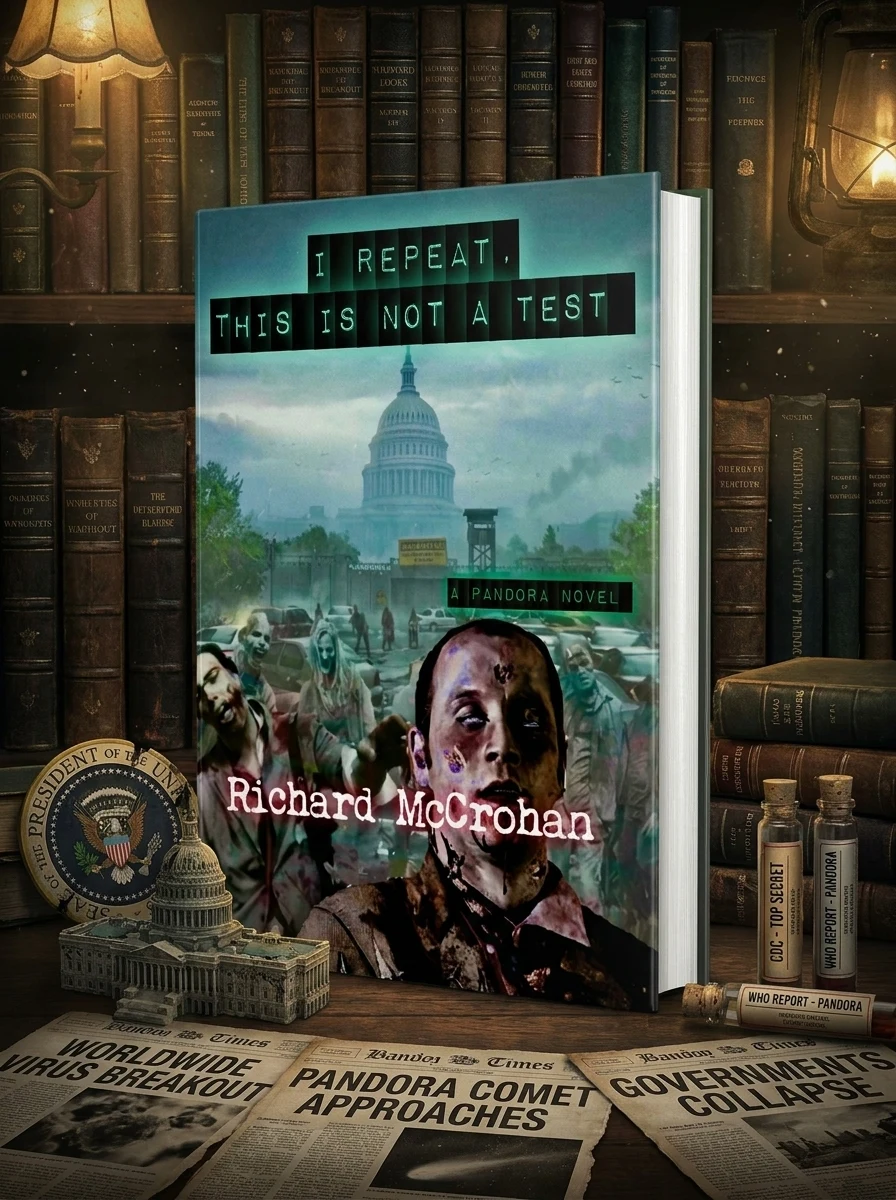
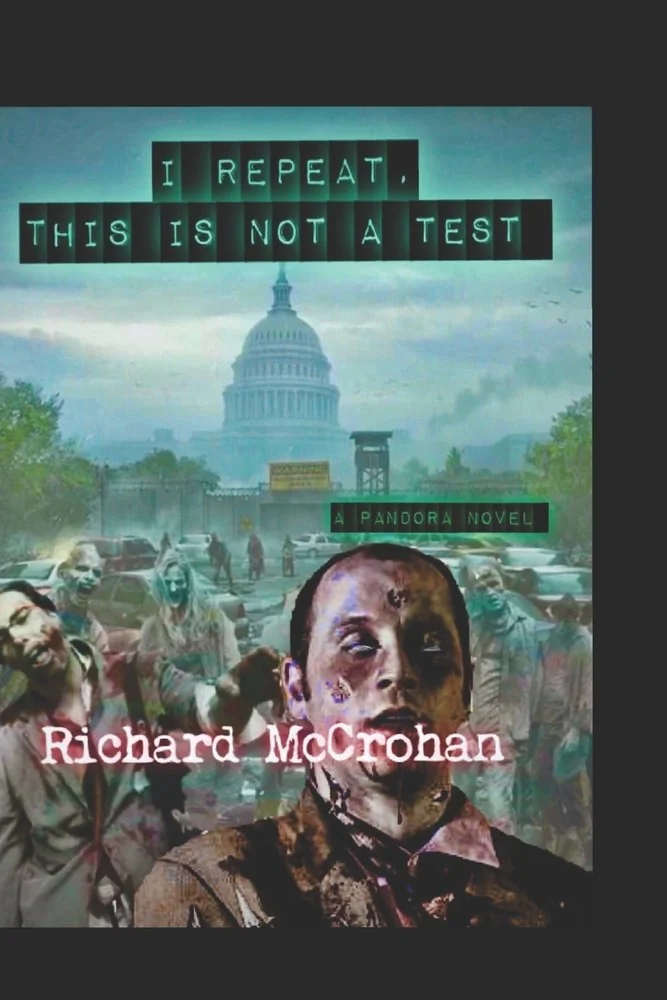
This work follows Lou Novak as he assists the US Secretary of State during a global crisis triggered by the comet Pandora. The narrative details the failure of major health organizations like the CDC and WHO to contain the alien virus. McCrohan highlights the friction between survival efforts and political bureaucracy. The story emphasizes the collapse of world governments and the internal conflicts among national leaders. It offers a perspective on disaster management from inside the White House rather than from the field.
Published in 2022 by Independently Published, this title sits within the contemporary horror and supernatural fiction genres. It reflects current anxieties about global health crises and institutional trust. The setting remains strictly within the US political sphere during an unprecedented extraterrestrial event.


📝 Description: I Repeat, This is Not a Test
💎 Our verdict on I Repeat, This is Not a Test
📖 Why choose it
Why this book is worth reading
Readers interested in geopolitical tension and scientific mystery will find this narrative compelling. It appeals to those who prefer a perspective from inside the White House rather than on the field. The book offers a detailed account of administrative angles during a global catastrophe. It suits audiences seeking to understand how leadership fails under pressure. Those who enjoy political infighting and bureaucratic obstacles will appreciate the focus on survival efforts. The story avoids sensationalism, offering a steady progression through institutional breakdown. It is ideal for readers who do not seek traditional horror monsters or resolved happy endings. The narrative provides insight into the collapse of power structures when faced with an unknown biological agent.
⭐ Reader reviews
Reader rating
McCrohan delivers a unique take on the disaster genre by focusing on administrative failure rather than visceral gore. The narrative effectively highlights friction between survival efforts and political bureaucracy, grounding the alien virus threat in realistic institutional collapse. This approach creates a tense atmosphere of geopolitical uncertainty. The book is best suited for readers who enjoy political thrillers and scientific mysteries over traditional horror elements. It may disappoint those seeking classic monsters or clear resolutions. However, for audiences interested in how power structures unravel during crisis, this work offers a compelling, if bleak, examination of global leadership failure and bureaucratic inertia.