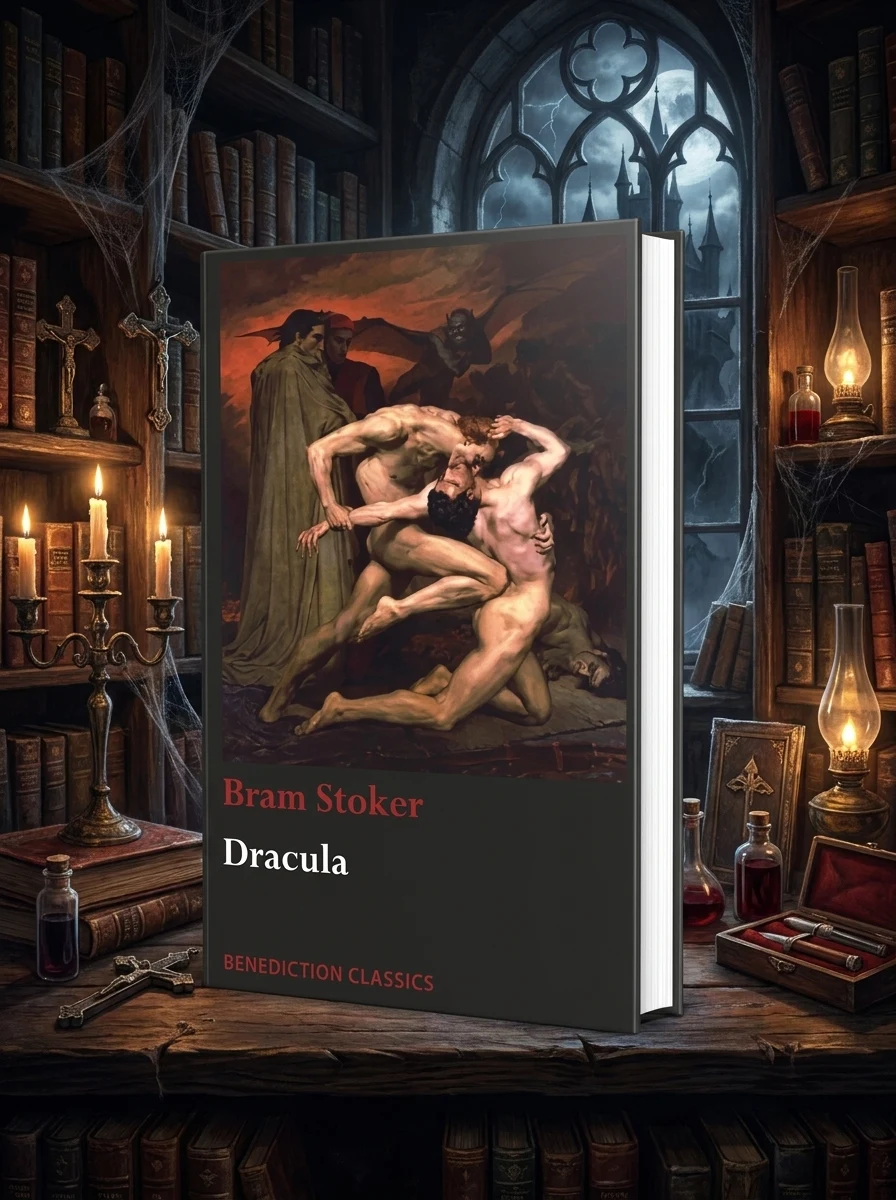
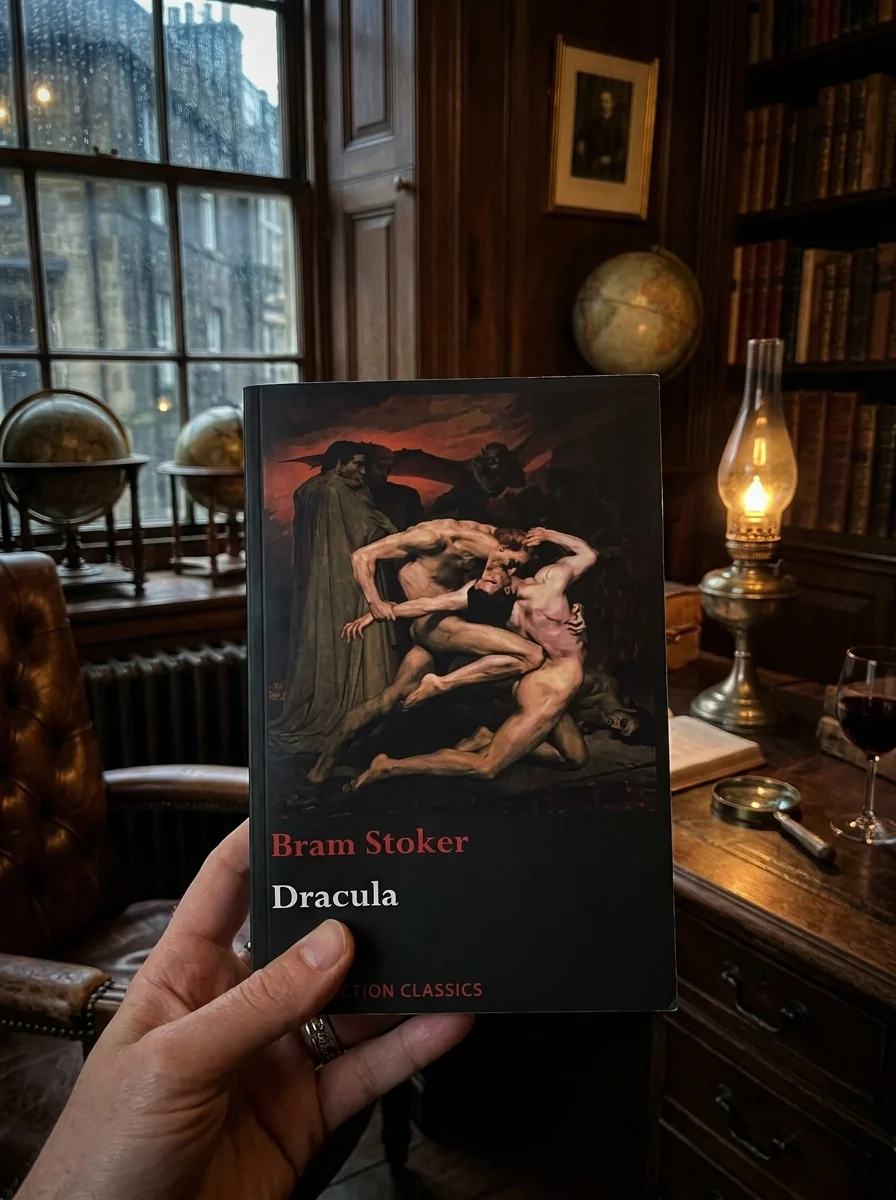
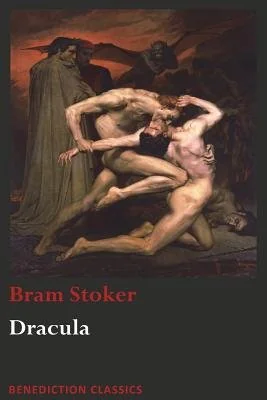
Dracula
Bram Stoker's 1897 novel defining the modern vampire through Gothic horror.
The narrative centers on Count Dracula’s move from Transylvania to England and the resulting battle against Professor Abraham Van Helsing and his companions. This work established the vampire in its modern form, influencing countless adaptations including films like Nosferatu and Bram Stoker's Dracula. The story explores themes of Victorian gender roles, sexual norms, immigration, colonialism, and post-colonialism. It is categorized as vampire literature, horror fiction, gothic novel, and invasion literature. Stoker also authored the initial theatrical version performed at the Lyceum Theatre. The character has appeared in over two hundred films, second only to Sherlock Holmes in screen appearances.
Published in 1897 by Irish author Bram Stoker, this Gothic horror novel sits at the intersection of vampire literature and invasion literature. It reflects late Victorian anxieties regarding immigration, colonialism, and gender roles while establishing the modern vampire archetype that dominates subsequent cultural adaptations.


📝 Description: Dracula
💎 Our verdict on Dracula
📖 Why choose it
Why this book is worth reading
Readers fascinated by the origins of vampire lore and Gothic tradition will find this text indispensable. It offers a foundational understanding of how the character evolved into a cultural icon featured in hundreds of subsequent films. Those interested in Victorian gender roles, sexual conventions, and themes of immigration and colonialism will appreciate the complex social commentary embedded within the narrative. While it may not appeal to those seeking fast-paced modern horror or non-fiction historical analysis, it remains essential for anyone wishing to explore the roots of supernatural fiction and its enduring influence on cinema and literature.
⭐ Reader reviews
Reader rating
This novel defines the modern vampire archetype through intricate Gothic storytelling rather than simple invention. It excels in exploring Victorian cultural roles and sexual norms amidst a backdrop of colonial tension. The narrative effectively blends horror with psychological depth, making it ideal for students of literature and fans of classic Gothic fiction. While fast-paced action seekers might find it slow, those interested in the evolution of horror tropes will gain significant insight. It serves as a critical text for understanding the character's journey from folklore to cinematic legend, offering rich thematic layers that reward attentive reading over mere plot consumption.
📖 Read on the blog
✍️ More books by this author Bram Stoker


🏛 Books from this publisher Benediction Books
You might also like
See more →
Have a question about this item?
Ask about the edition, condition, delivery or anything else — we reply by email or phone, usually within a day.
