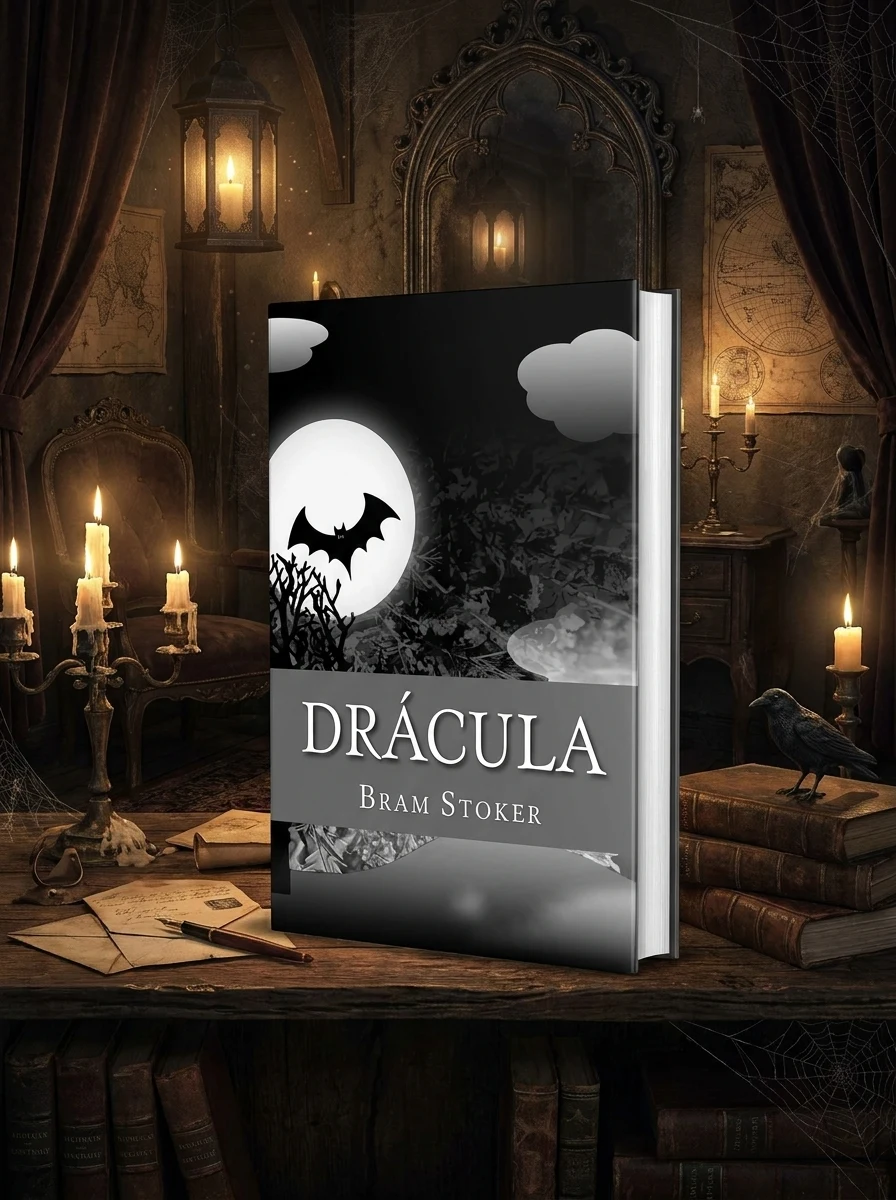
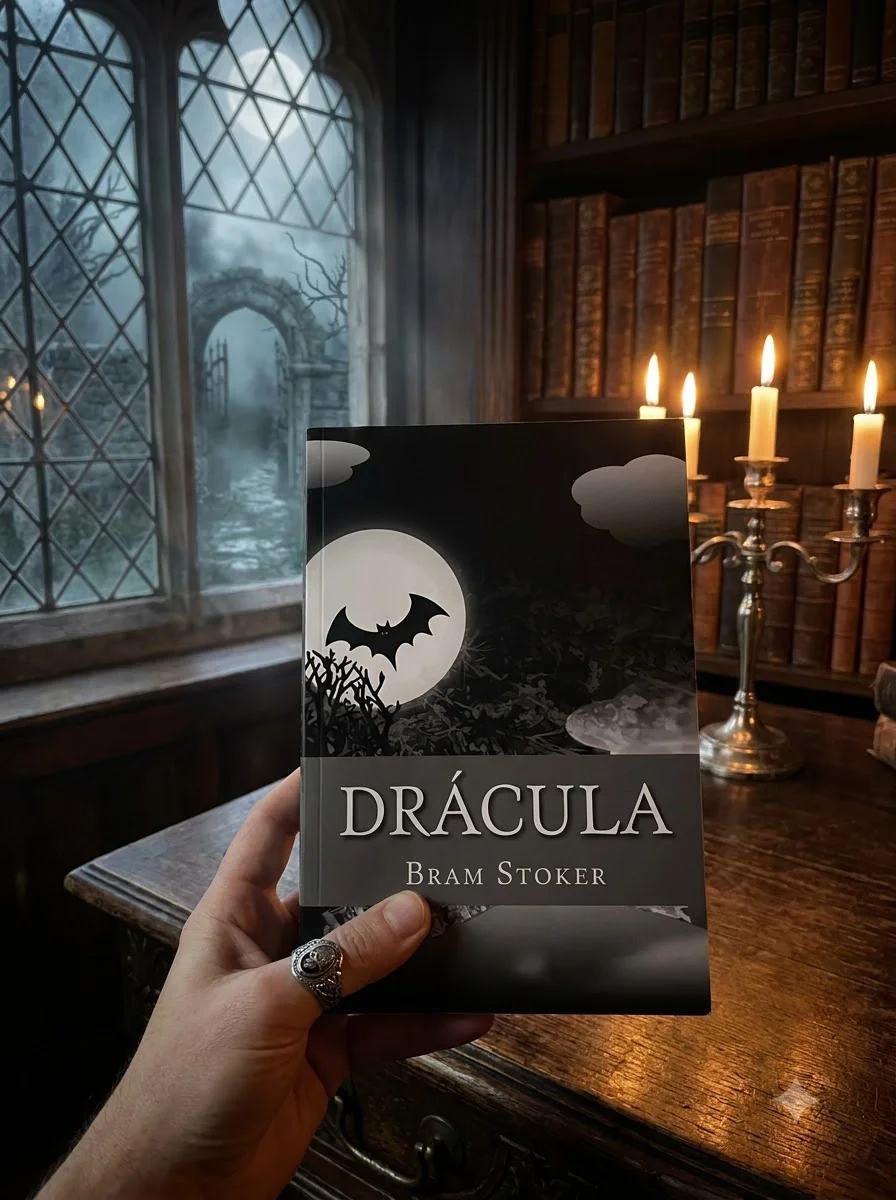
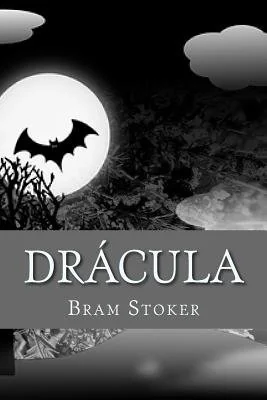
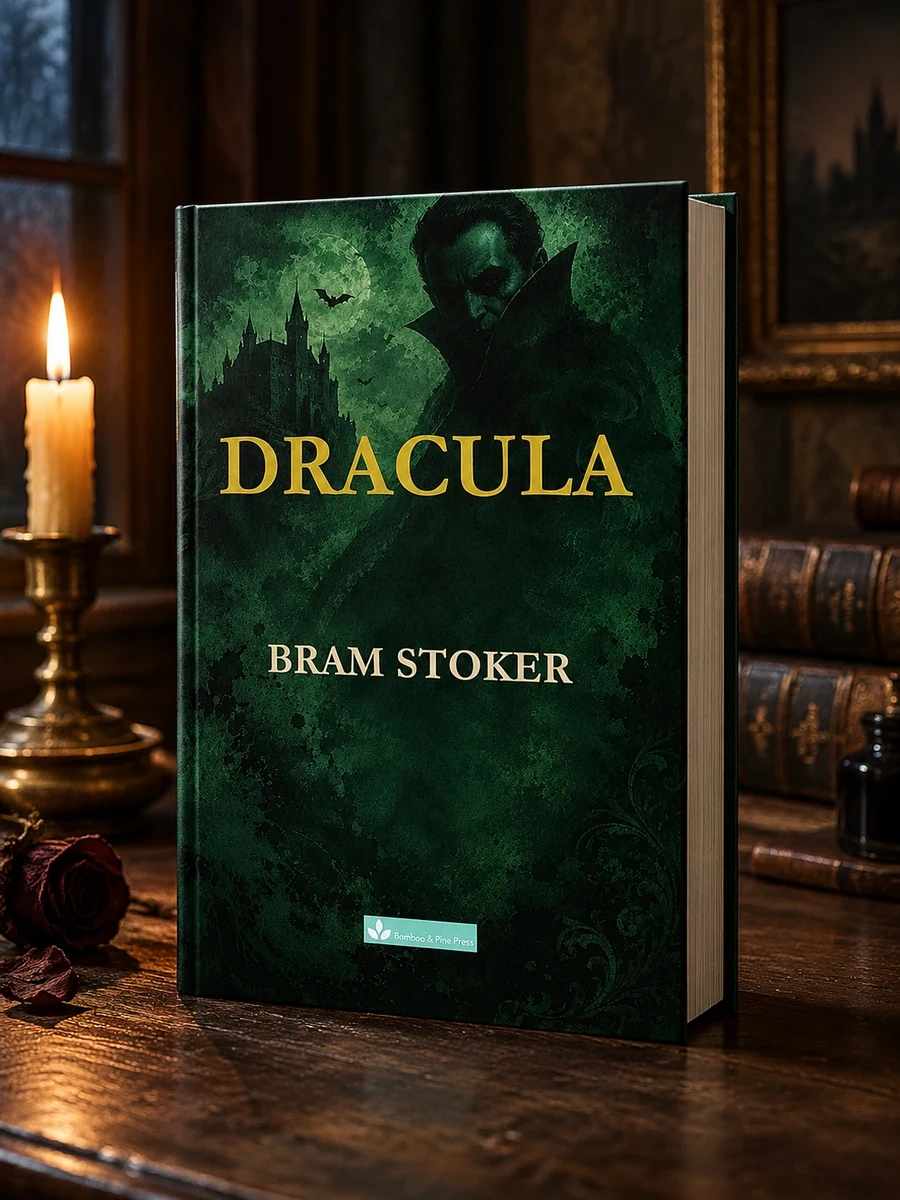
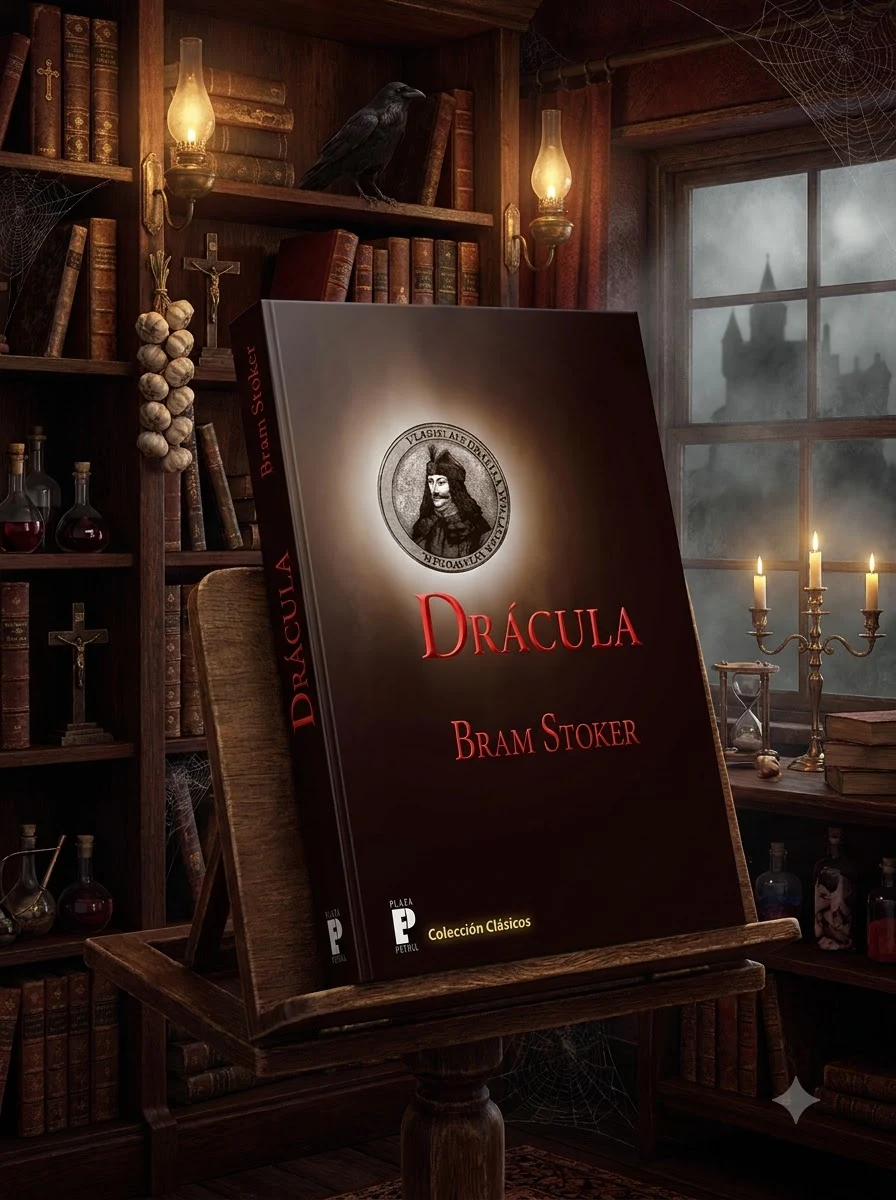
Dracula
A 1897 epistolary novel by Bram Stoker about Count Dracula.
Stoker’s 1897 novel uses letters and diaries to tell the story of Count Dracula. The text explores Victorian gender roles and invasion literature themes. Literary critics focus on how women are portrayed in this gothic horror work. The structure creates tension through fragmented personal accounts rather than a single narrator. This approach highlights the psychological impact of the antagonist on those around him. The book connects to broader cultural fears of its time while establishing vampire lore. It offers insight into late nineteenth-century social dynamics and literary styles.
Published in 1897, this Irish author's work sits at the intersection of horror fiction and gothic novel traditions. It reflects late Victorian anxieties about gender and foreign influence, contributing significantly to the development of vampire literature as a distinct genre.


📝 Description: Dracula
💎 Our verdict on Dracula
📖 Why choose it
Why this book is worth reading
This book is essential for readers interested in the psychological depth of horror and the literary analysis of gender roles within Victorian society. It appeals to those who appreciate complex narrative structures, specifically the epistolary format that utilizes fragmented personal accounts to build tension rather than relying on a single narrator. The text offers significant insight into late nineteenth-century social dynamics and cultural fears, making it valuable for scholarly or historically minded audiences. Readers seeking to understand the origins of vampire lore and the evolution of supernatural fiction will find this work instructive. It is best suited for those who value historical context and thematic exploration over fast-paced action or modern pacing conventions.
⭐ Reader reviews
Reader rating
Stoker’s novel stands as a masterclass in building horror through psychological impact rather than explicit gore. The epistolary structure effectively creates a sense of immediacy and fragmented reality, allowing the antagonist to challenge social norms through his pervasive presence. While the format may feel slow to readers seeking straightforward action, it provides unparalleled depth for those analyzing Victorian gender roles and invasion literature themes. The work remains a key text for understanding how late nineteenth-century fears are encoded in supernatural fiction. It is highly recommended for academic readers and horror enthusiasts who appreciate the intricate weaving of historical anxiety into gothic traditions.
📖 Read on the blog
✍️ More books by this author Bram Stoker


🏛 Books from this publisher Createspace Independent Publishing Platform
You might also like
See more →
Have a question about this item?
Ask about the edition, condition, delivery or anything else — we reply by email or phone, usually within a day.
