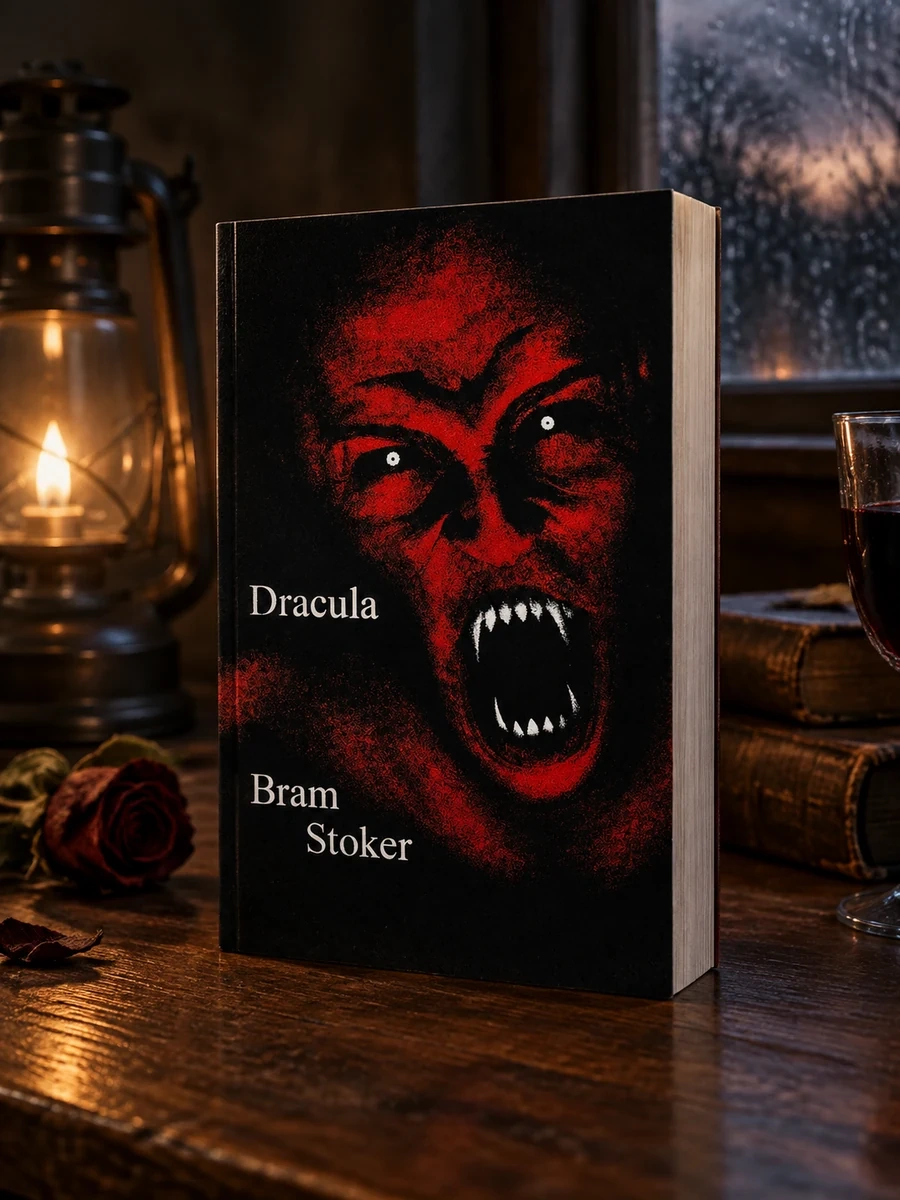
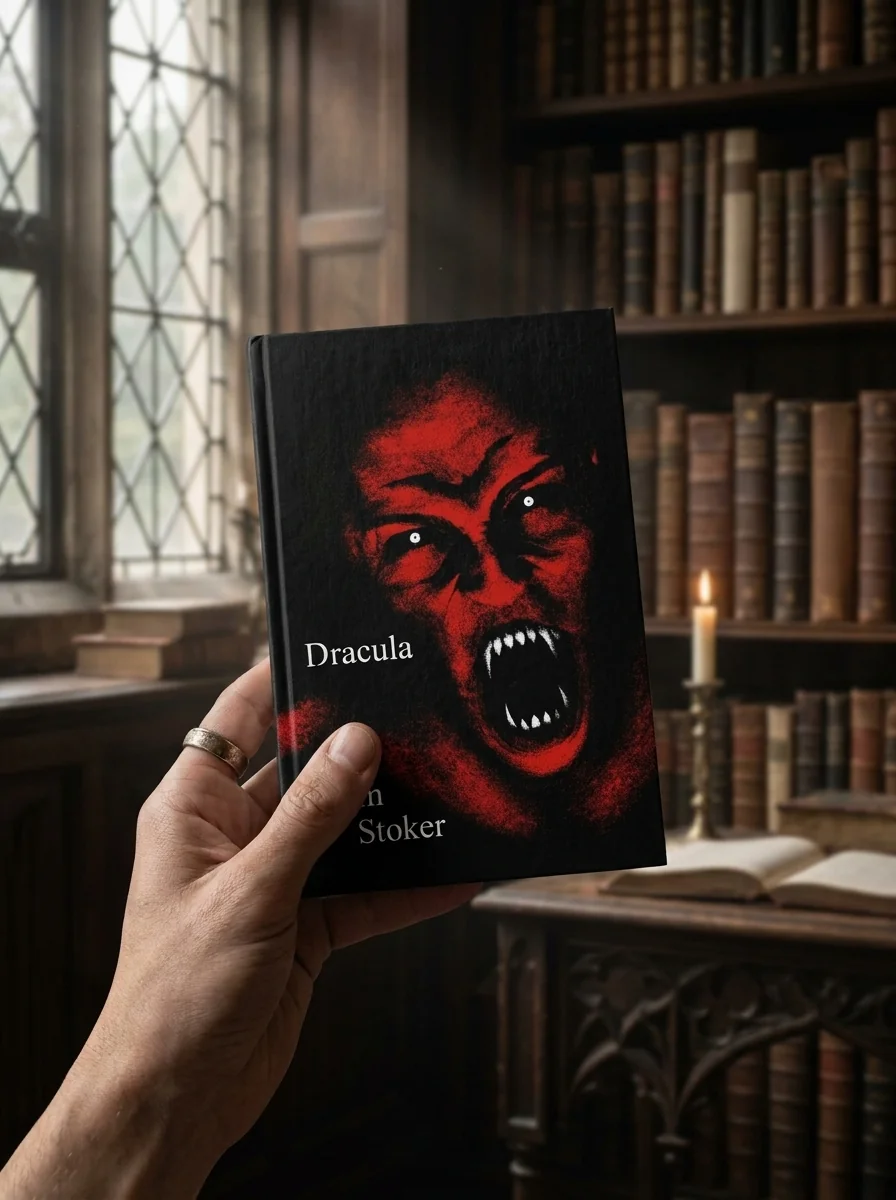
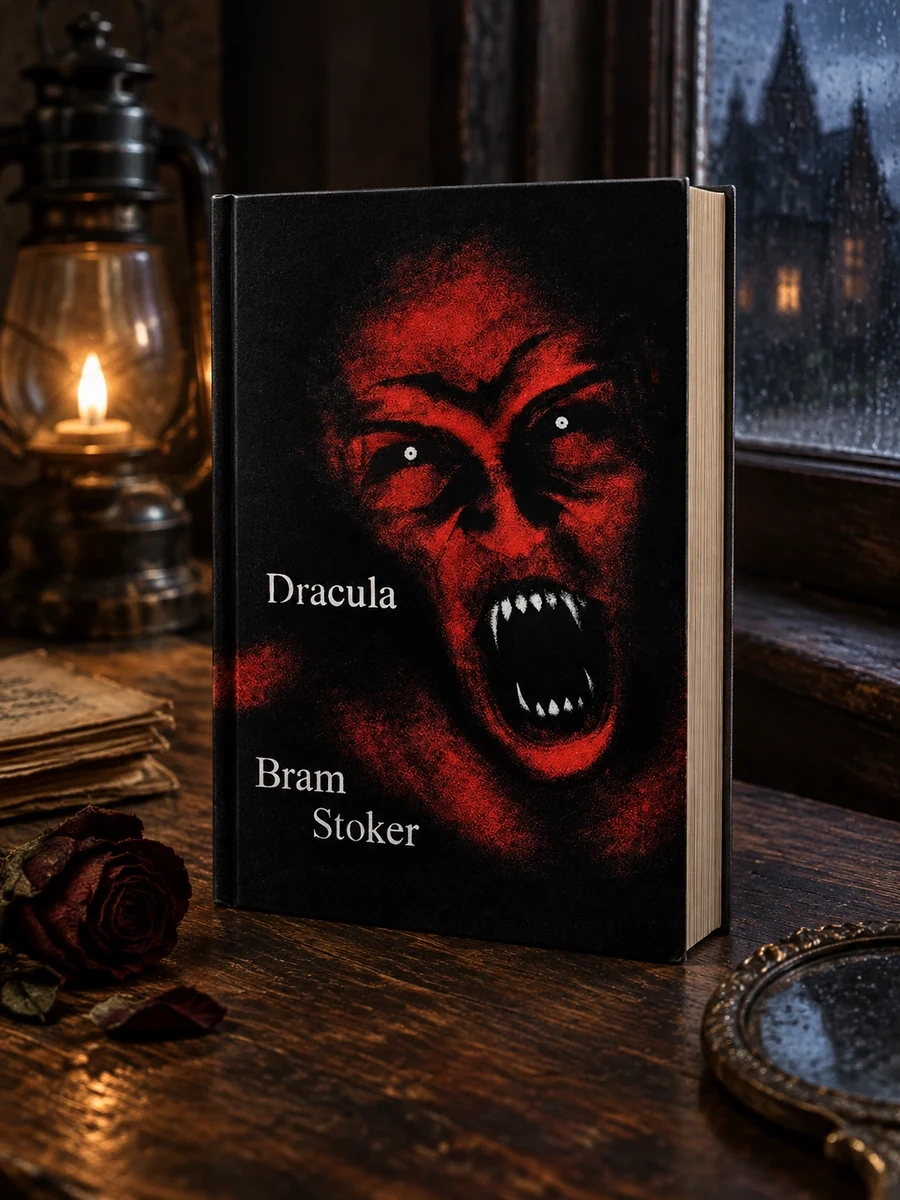
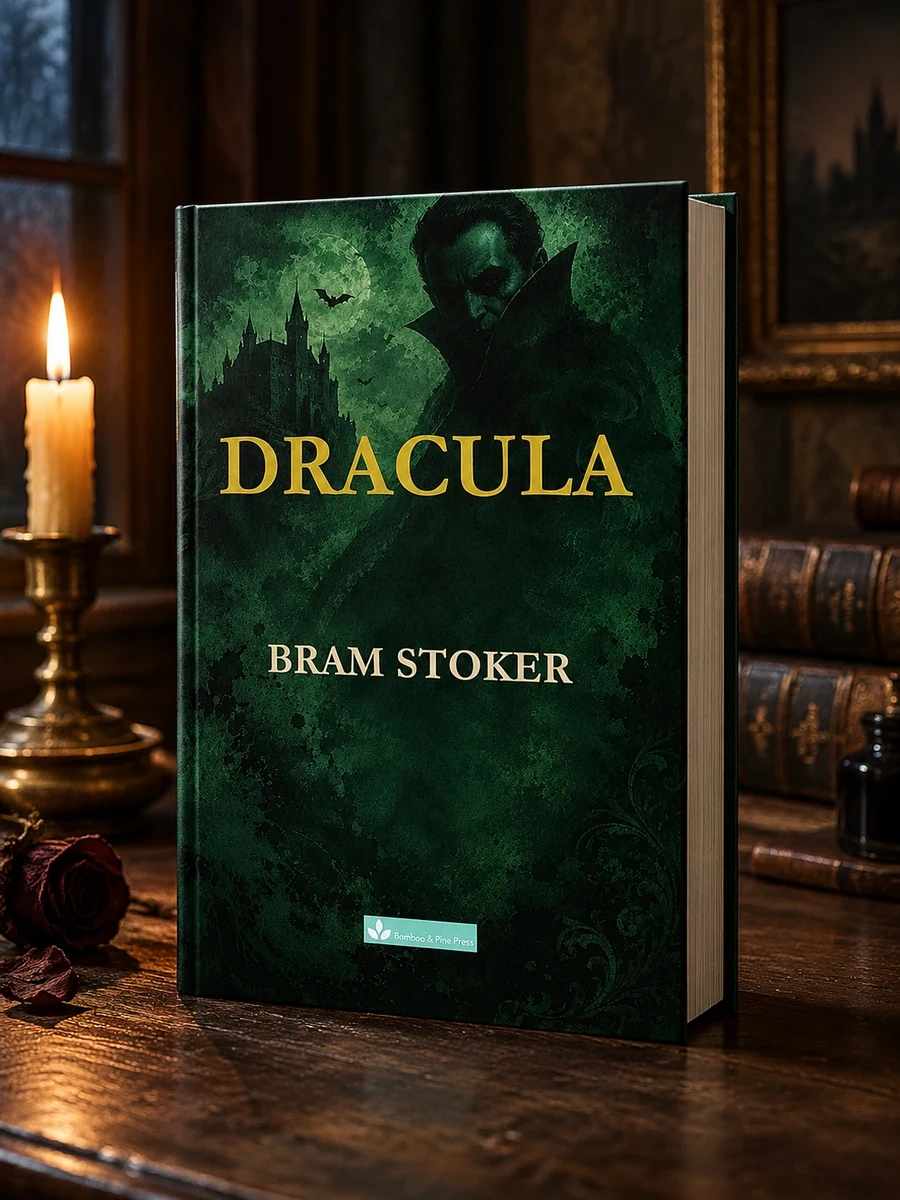
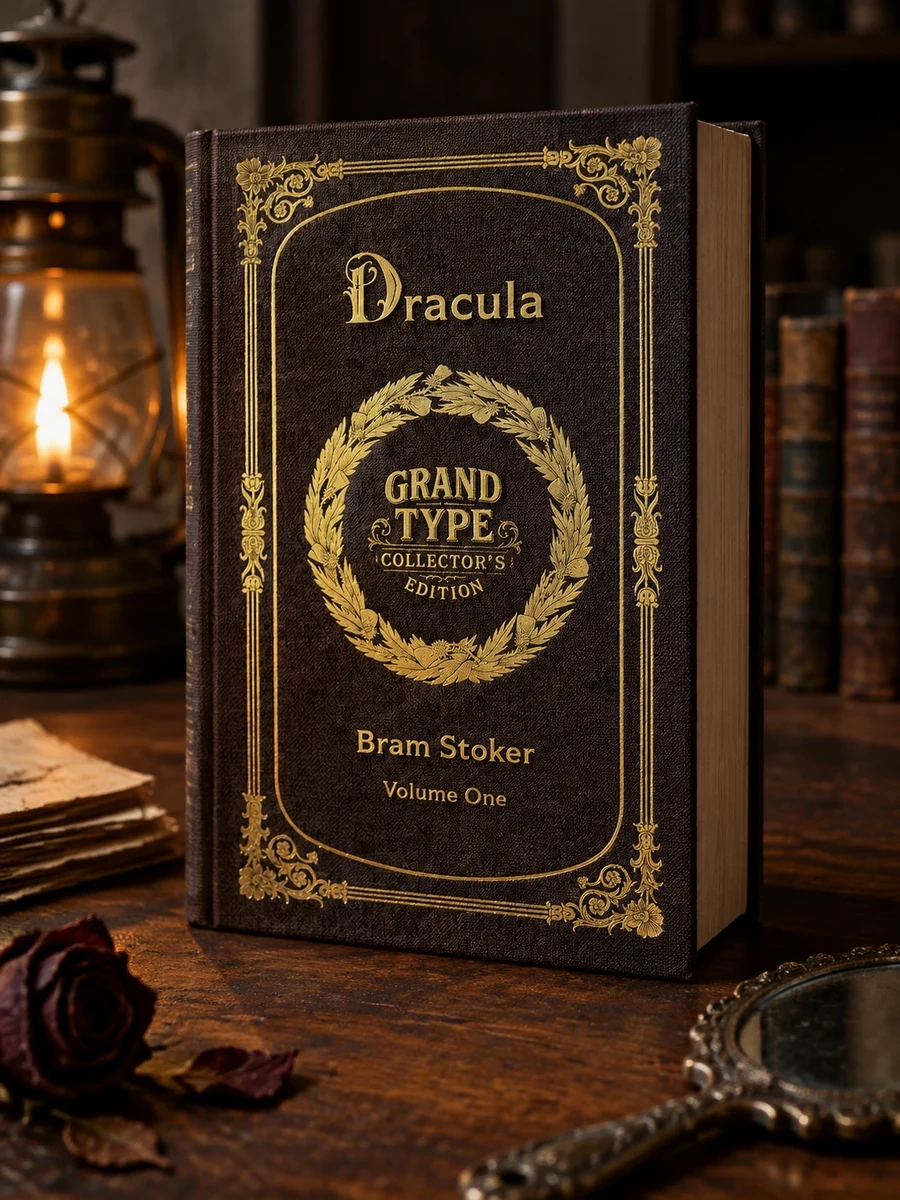
Dracula
A gothic novel told through documents about a vampire's attack on English society.
This epistolary novel follows English lawyer Jonathan Harker's perilous journey to Transylvania, where he encounters the vampire Count Dracula. After escaping, Harker and his fiancée Mina, along with friend Lucy, face the Count's threat in England. Through letters and diary entries, the narrative builds suspense as allies unite to destroy the monster. The book establishes key vampire tropes within a gothic framework, offering a slow-burning horror experience for fans of atmospheric dread and historical mystery rather than fast-paced action.
Originally published in 1897, this work sits firmly within the gothic fiction tradition. It has influenced generations of readers and spawned countless adaptations. The novel remains a cornerstone of supernatural literature, bridging late nineteenth-century literary styles with enduring modern horror tropes.


📝 Description: Dracula
💎 Our verdict on Dracula
📖 Why choose it
Why this book is worth reading
Readers seeking atmospheric tales of dread and historical mystery will find this novel deeply rewarding. It offers a slow-burning horror experience that relies on the tension between mundane correspondence and terrifying events, creating an eerie sense of realism. Those interested in the origins of vampire lore will appreciate how Stoker established many tropes still used today. The epistolary format allows audiences to piece together the horror as it unfolds, providing a unique perspective on the conflict between English society and the supernatural threat. While not suitable for those seeking fast-paced action or modern slang, this book rewards patience with a profound sense of historical authenticity and psychological intensity. It is ideal for fans of dark fantasy who enjoy unraveling complex narratives through fragmented documents and diaries.
⭐ Reader reviews
Reader rating
Stoker’s masterpiece excels in building suspense through its innovative epistolary structure, using letters and diary entries to create an immersive, realistic account of impossible events. The narrative successfully blends Gothic traditions with early psychological horror, focusing on the gradual erosion of safety within English society. This approach generates a slow-burning dread that lingers long after the final page. The book is best suited for readers who appreciate historical mystery and atmospheric tension over immediate gratification or action-driven plots. It serves as an essential study in vampire lore, demonstrating how fear can be constructed through fragmented perspectives and unreliable narration. While the style may feel dated to some, its enduring power lies in its ability to make the supernatural feel terrifyingly plausible.
📖 Read on the blog
📖 From the series “Harper Perennial Olive Editions”


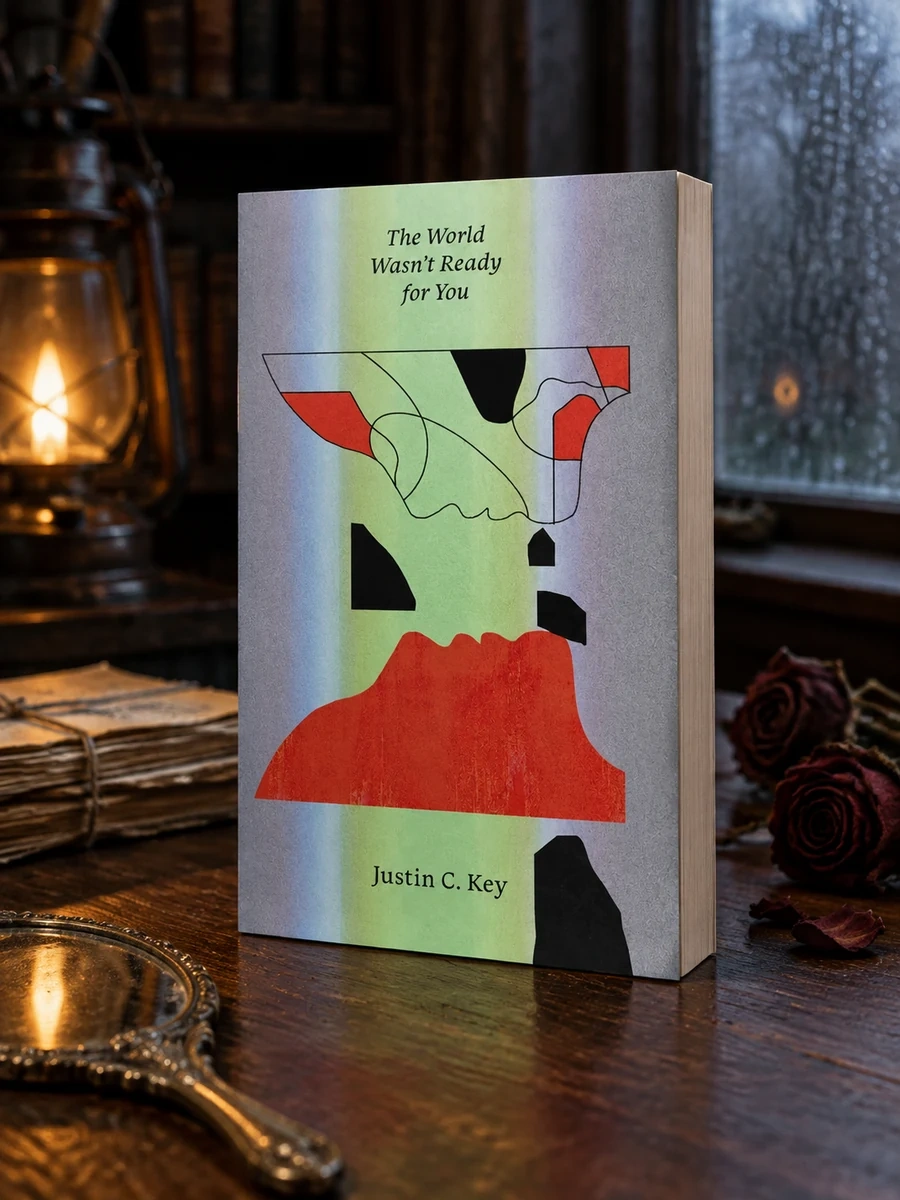
✍️ More books by this author Bram Stoker
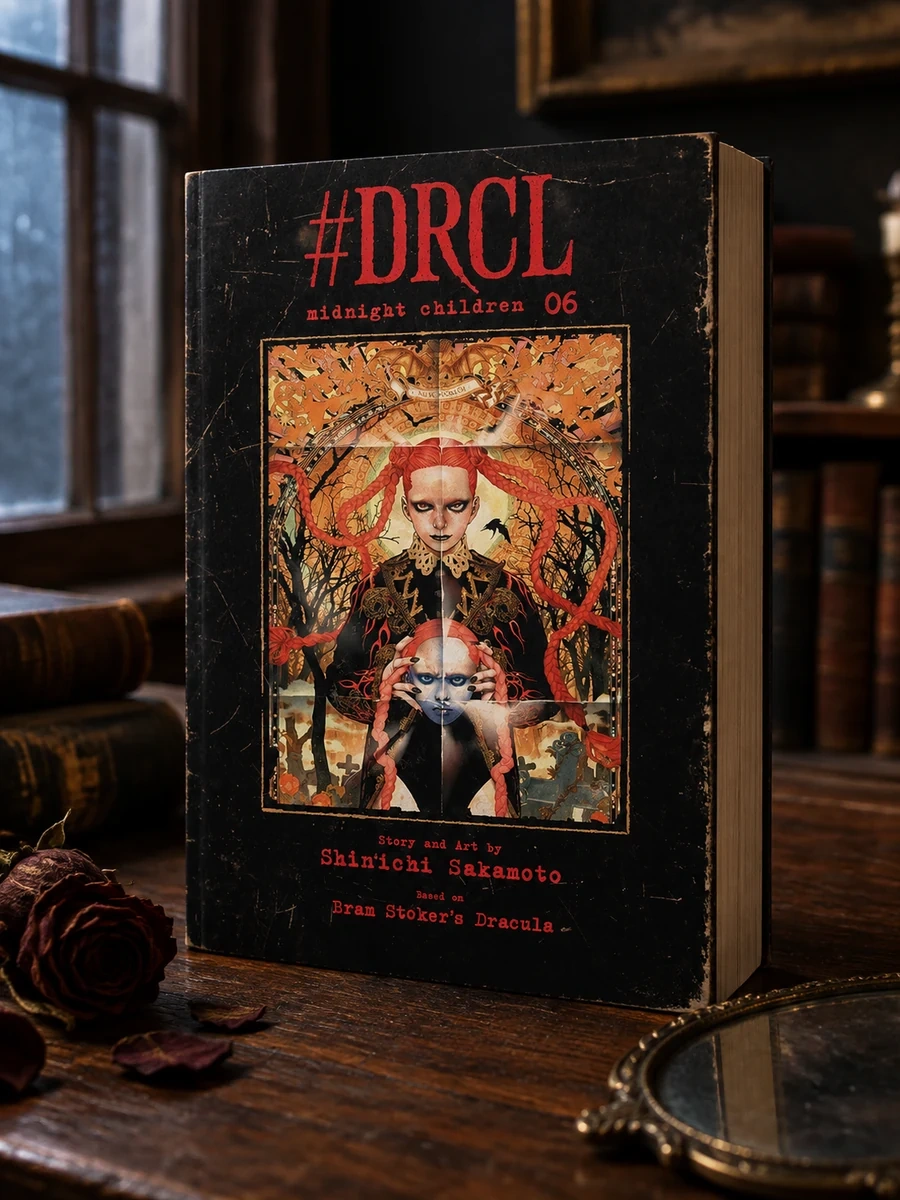
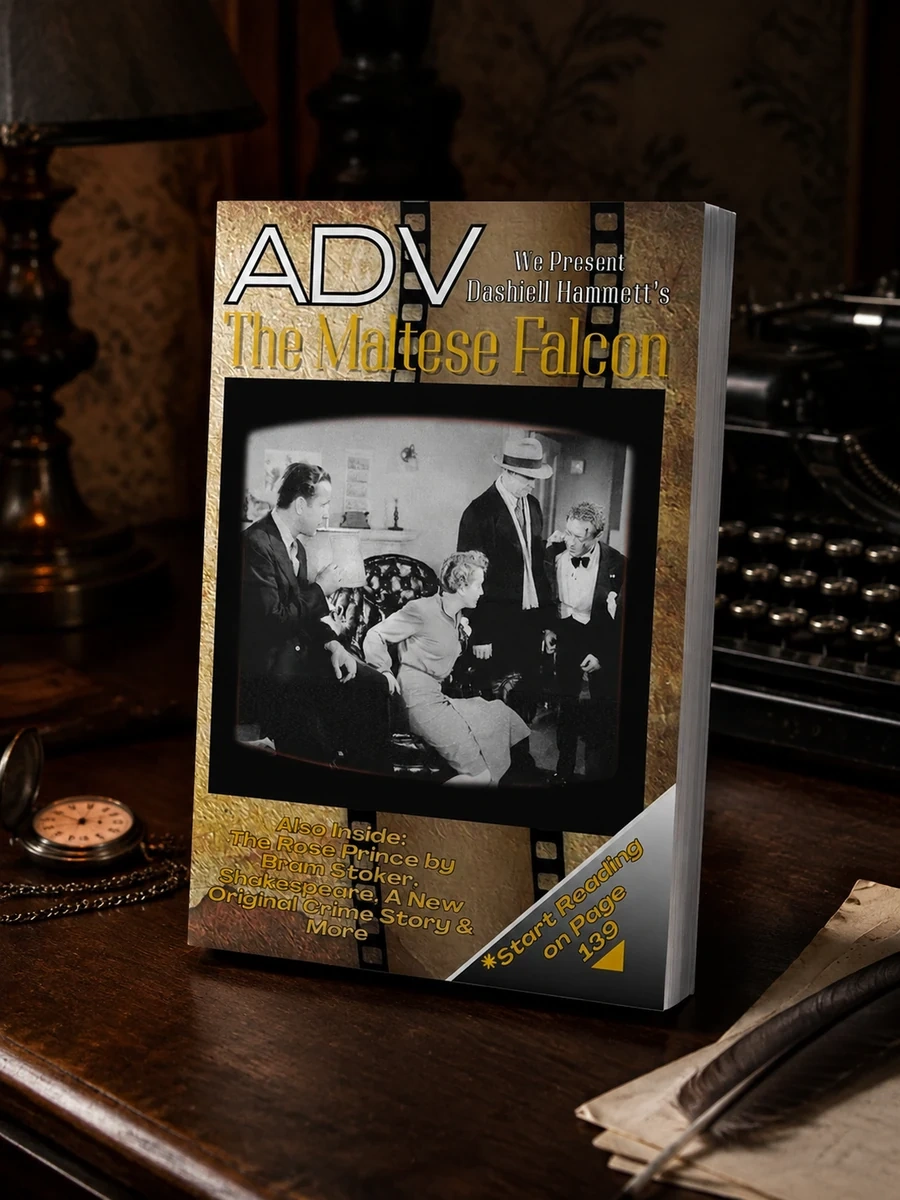
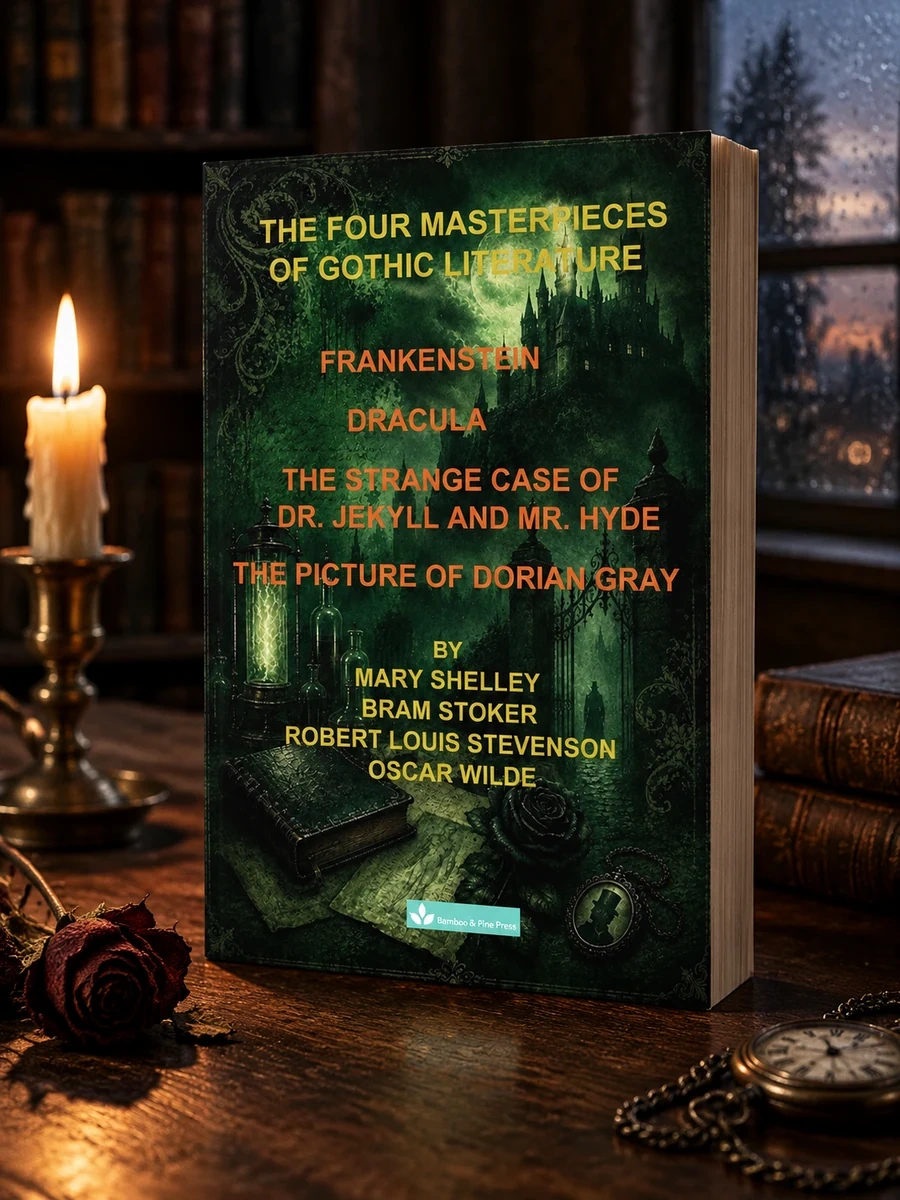
🏛 Books from this publisher Harper Perennial
You might also like
See more →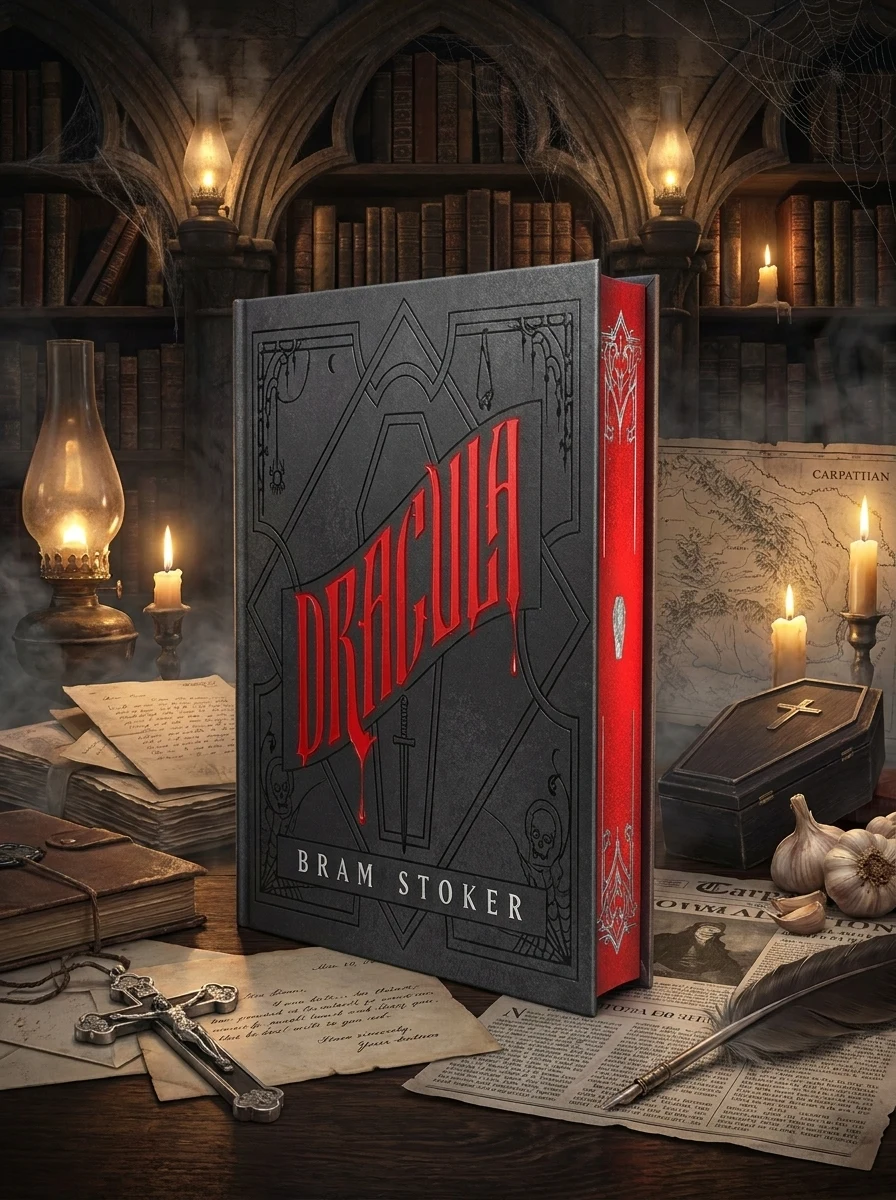
Have a question about this item?
Ask about the edition, condition, delivery or anything else — we reply by email or phone, usually within a day.
