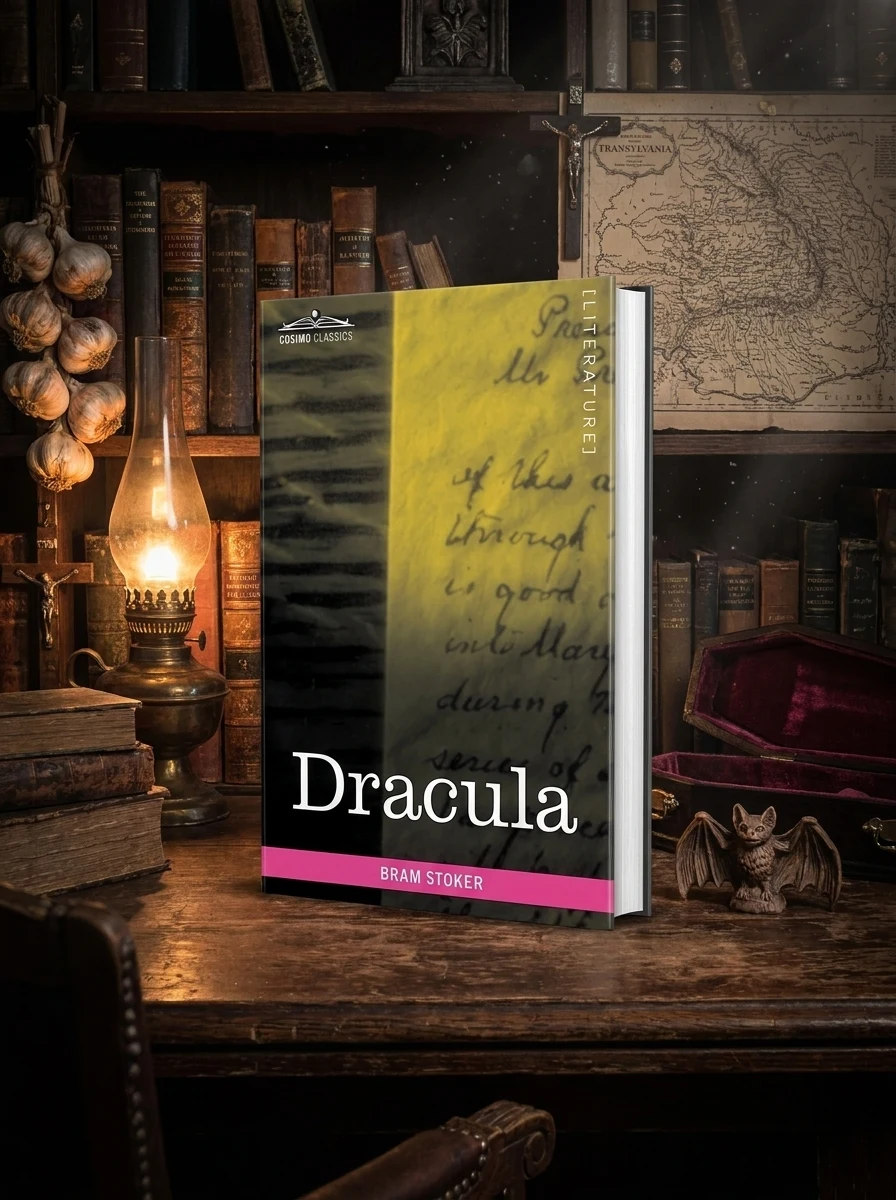
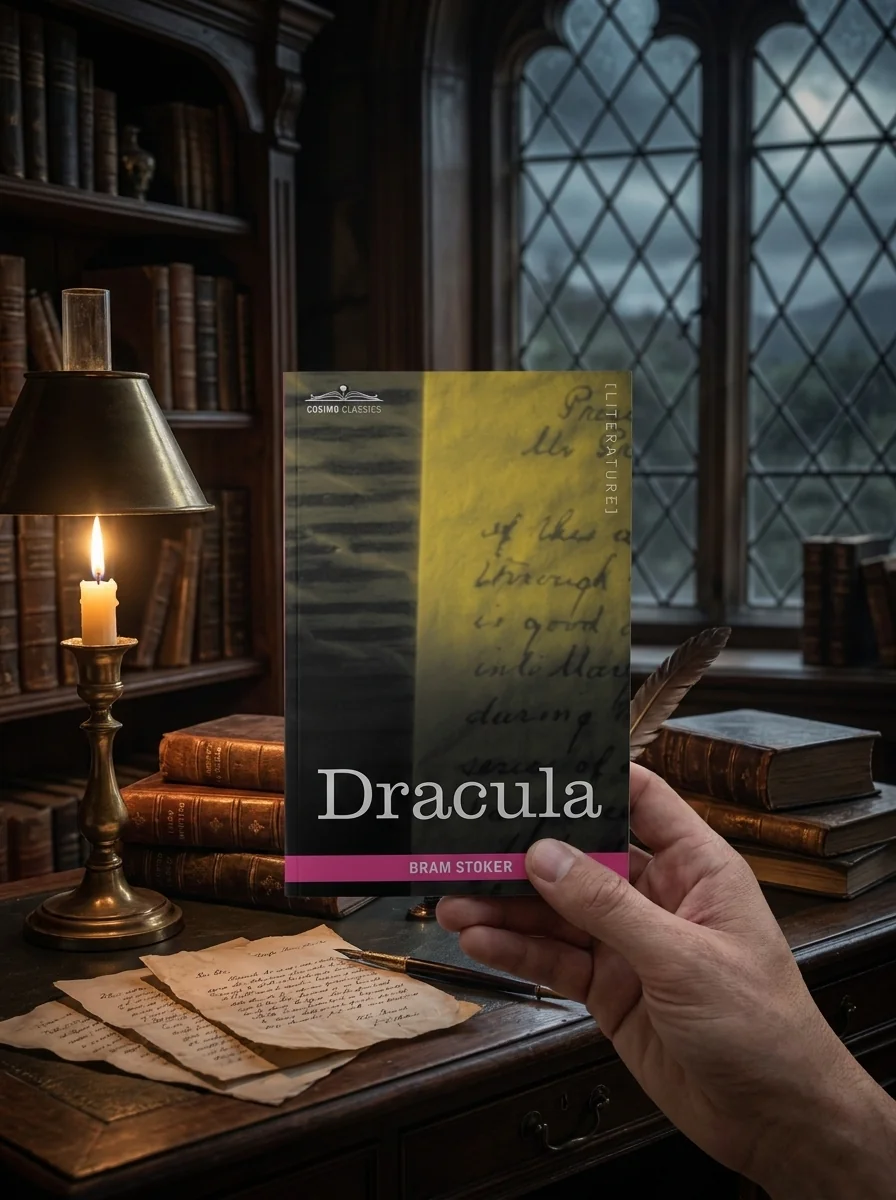
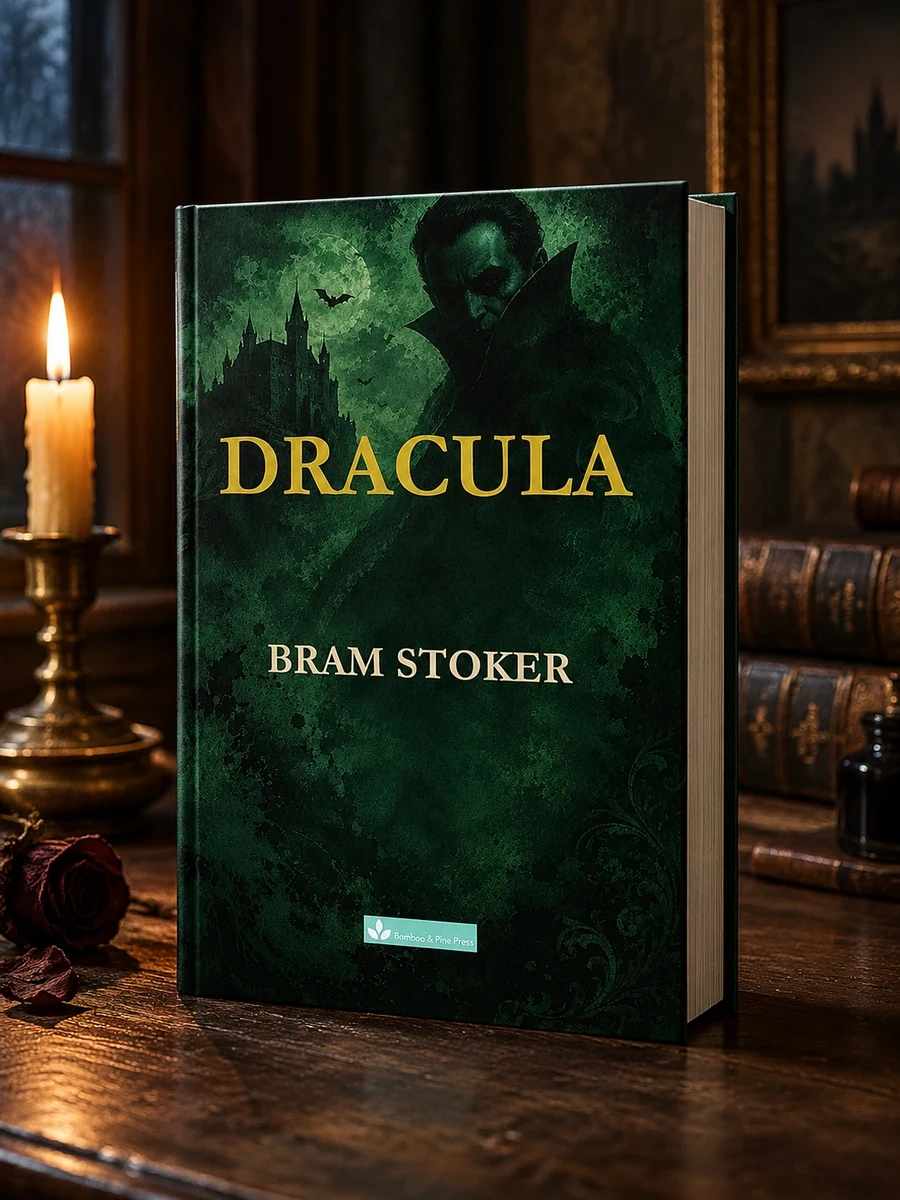
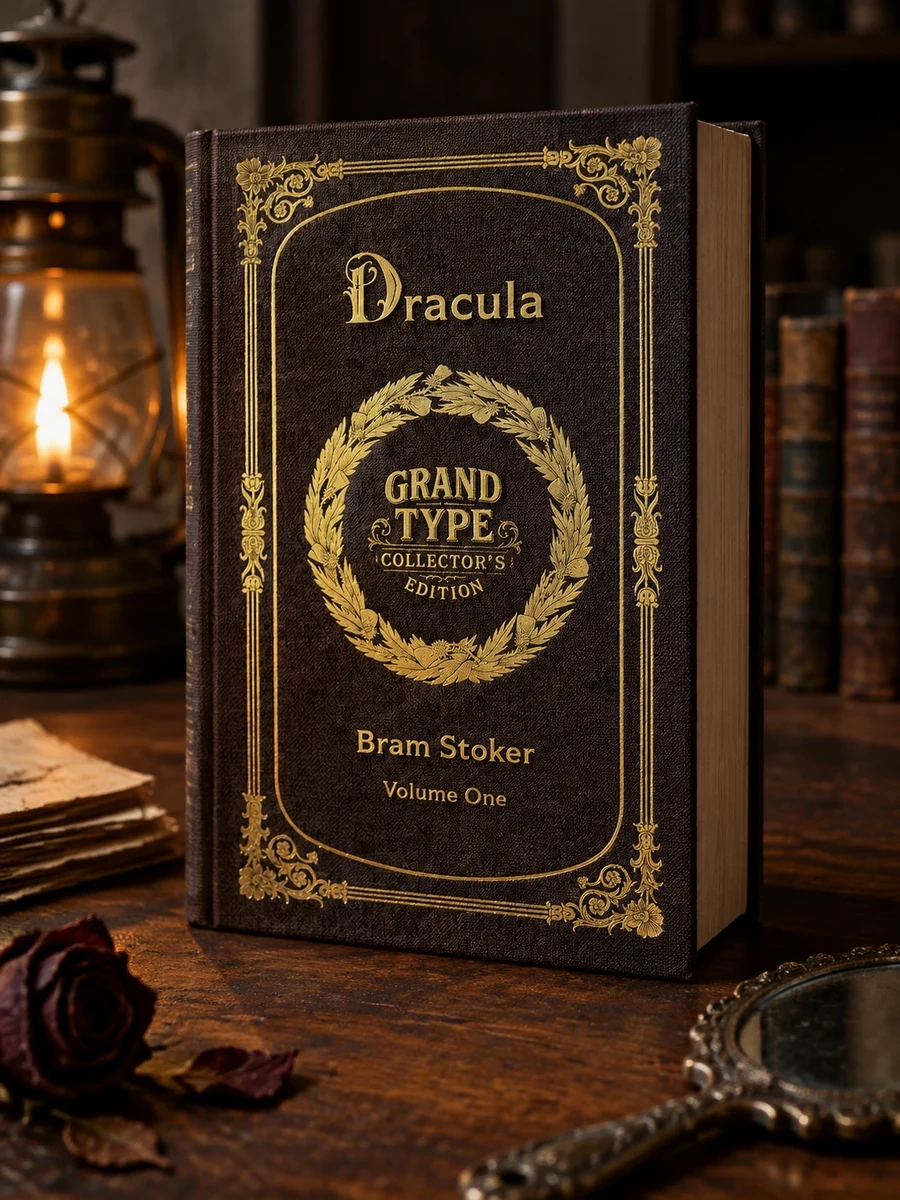
Dracula
Stoker's 1897 novel invents the vampire genre through epistolary storytelling.
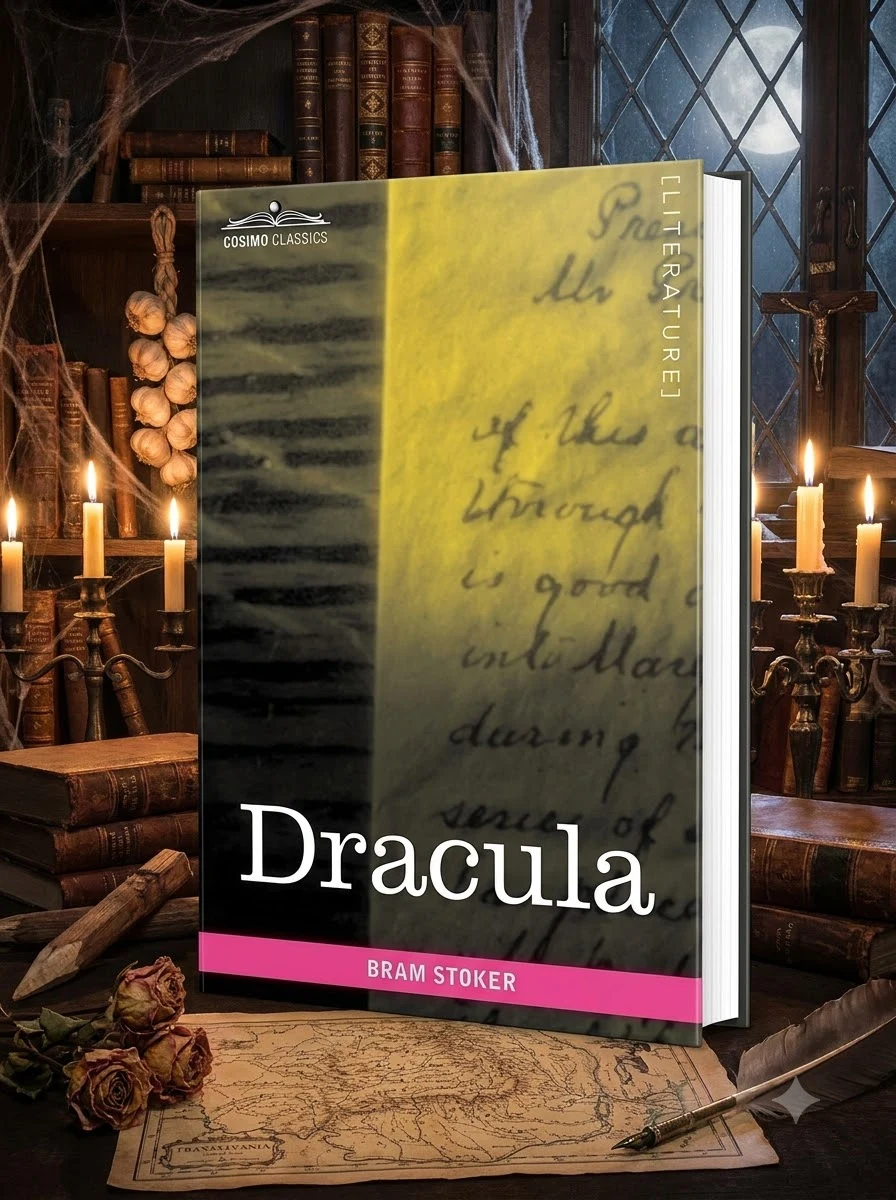
This volume presents the original 1897 text that launched the modern vampire story. Stoker utilizes an epistolary format to chronicle Jonathan Harker’s encounter with Count Dracula in Transylvania. The narrative structure relies on personal documents rather than traditional third-person narration. This approach allows readers to experience the unfolding horror through immediate, fragmented perspectives. The work reflects Stoker’s immersion in London’s artistic community during his tenure at the Lyceum Theatre. His connections with contemporaries like Arthur Conan Doyle influenced the novel’s development. The text serves as a primary source for understanding the evolution of horror fiction from its Victorian roots to contemporary variations.
Published in 1897, this novel emerged from Stoker’s position at London’s Lyceum Theatre. His proximity to literary luminaries like Arthur Conan Doyle shaped the work. The book established the vampire genre, influencing later adaptations and cultural fantasies. It reflects late nineteenth-century anxieties through its depiction of supernatural invasion.


📝 Description: Dracula
💎 Our verdict on Dracula
📖 Why choose it
Why this book is worth reading
Readers interested in the origins of vampire fiction will find this text essential for understanding how the genre evolved from Victorian roots to contemporary variations. It offers a unique glimpse into late nineteenth-century anxieties, particularly regarding invasion and sexuality, through a lens of supernatural dread. The epistolary structure provides immediate, fragmented perspectives that heighten mystery, appealing to those who appreciate classic gothic narratives over fast-paced action. By exploring the tension between modern technology and ancient evil, the book grounds terror in familiar settings while capturing the fear of the unknown. It serves as a primary source for horror enthusiasts seeking to trace the lineage of their favorite tropes back to their inception in Stoker’s immersive storytelling.
⭐ Reader reviews
Reader rating
Stoker’s novel remains a foundational text that successfully invents the vampire genre through its innovative epistolary format. The reliance on personal documents rather than traditional narration creates an intense sense of immediate dread and mystery. Readers will appreciate the atmospheric tension derived from Stoker’s background in London’s artistic community, which informs the realistic details blended with supernatural elements. While it may not suit those seeking contemporary horror tropes or rapid pacing, it is ideal for scholars and fans of gothic literature. The work effectively explores themes of invasion and the clash between modernity and ancient evil, offering a profound look at Victorian fears. Its historical significance and narrative structure make it a compelling, if slow-burning, experience for dedicated horror readers.
📖 Read on the blog
✍️ More books by this author Bram Stoker


🏛 Books from this publisher Cosimo Classics
You might also like
See more →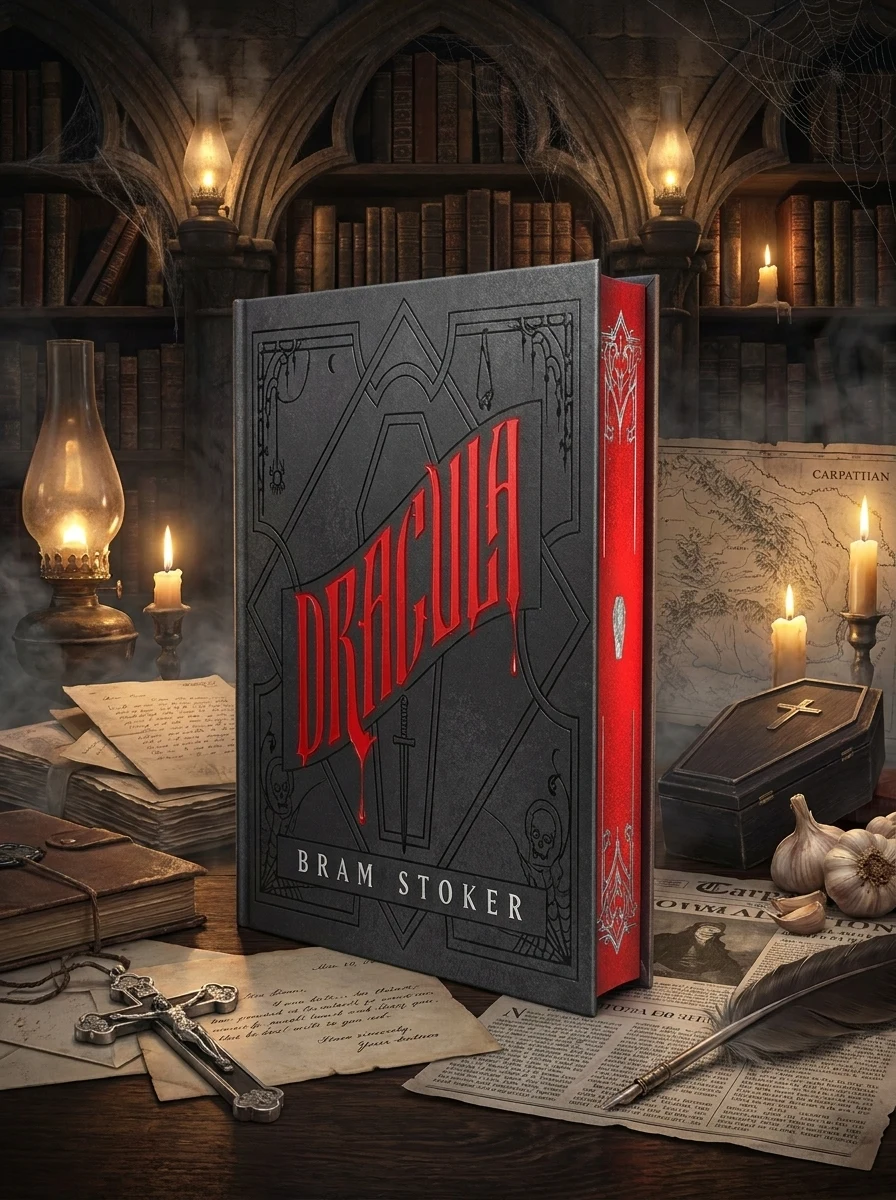
Have a question about this item?
Ask about the edition, condition, delivery or anything else — we reply by email or phone, usually within a day.
