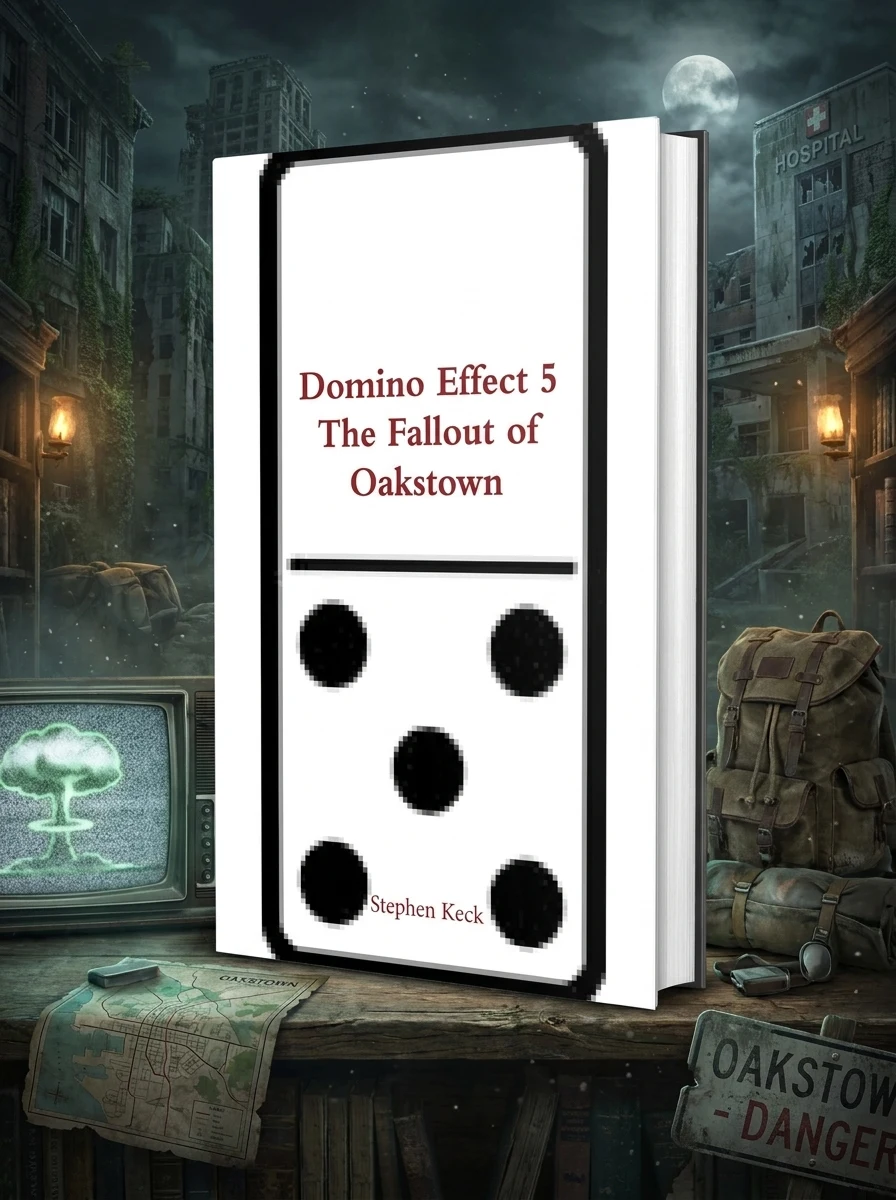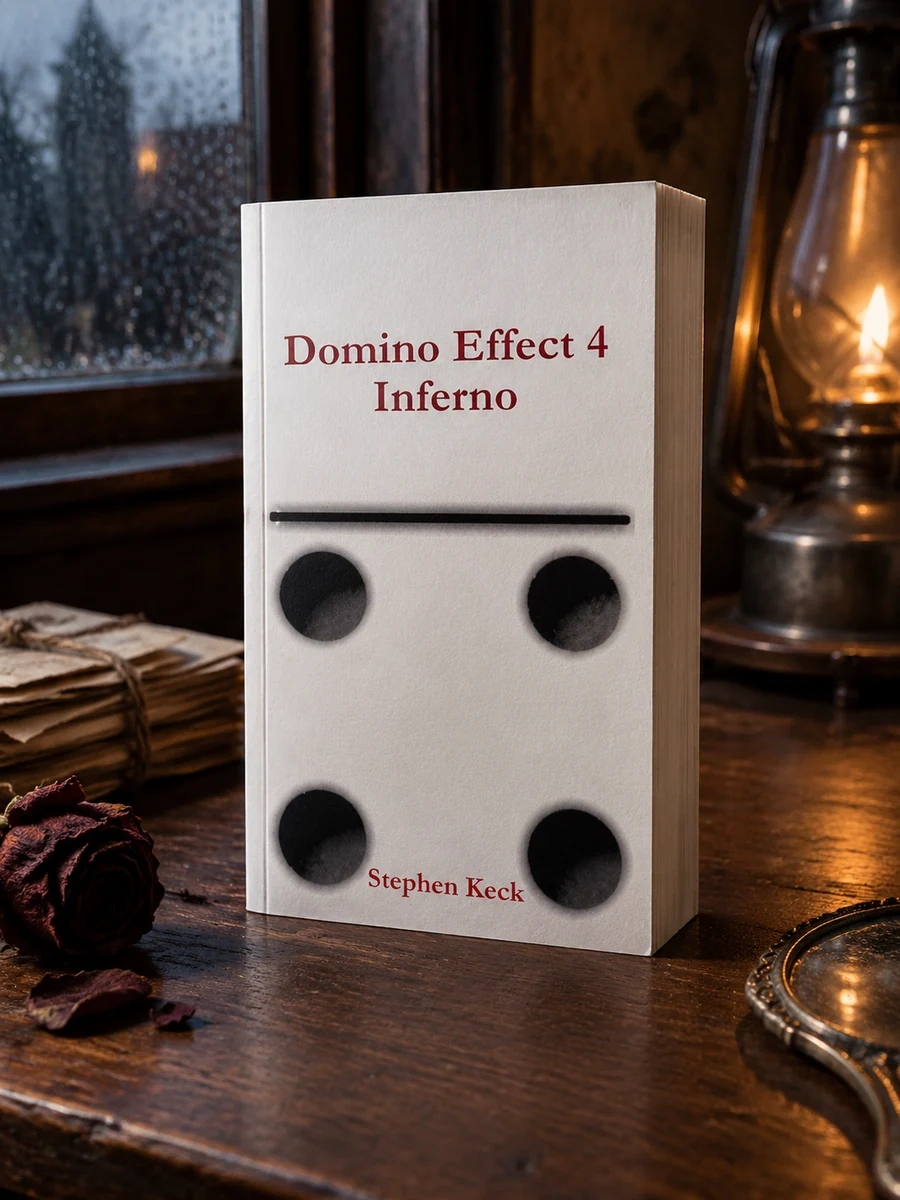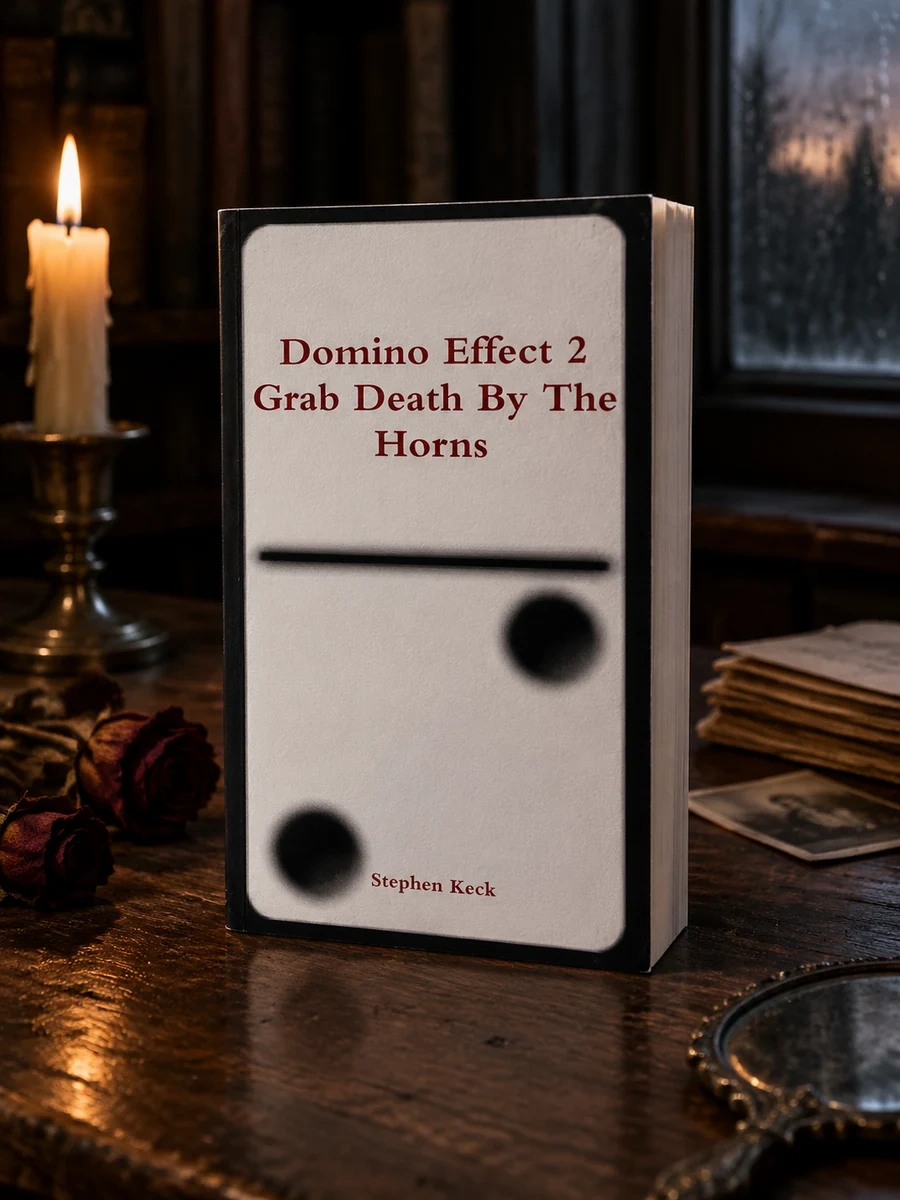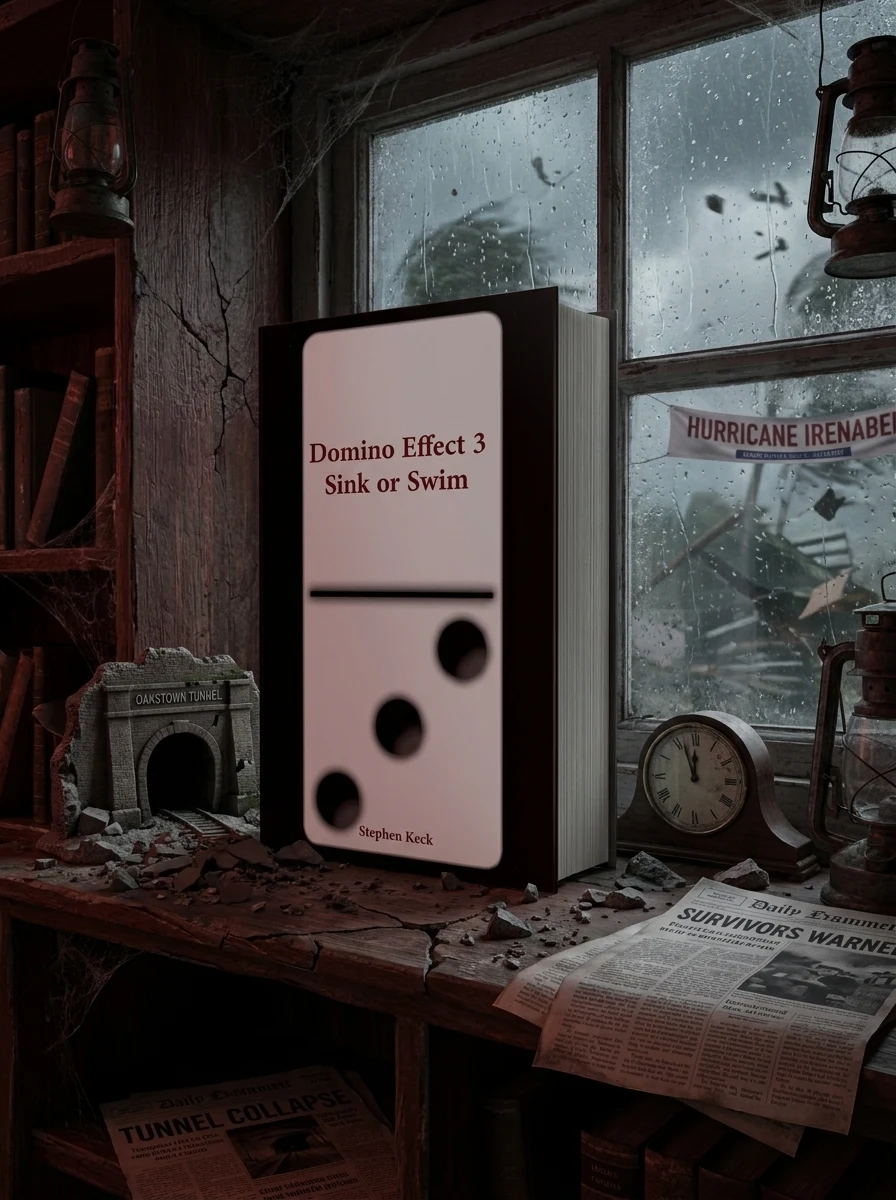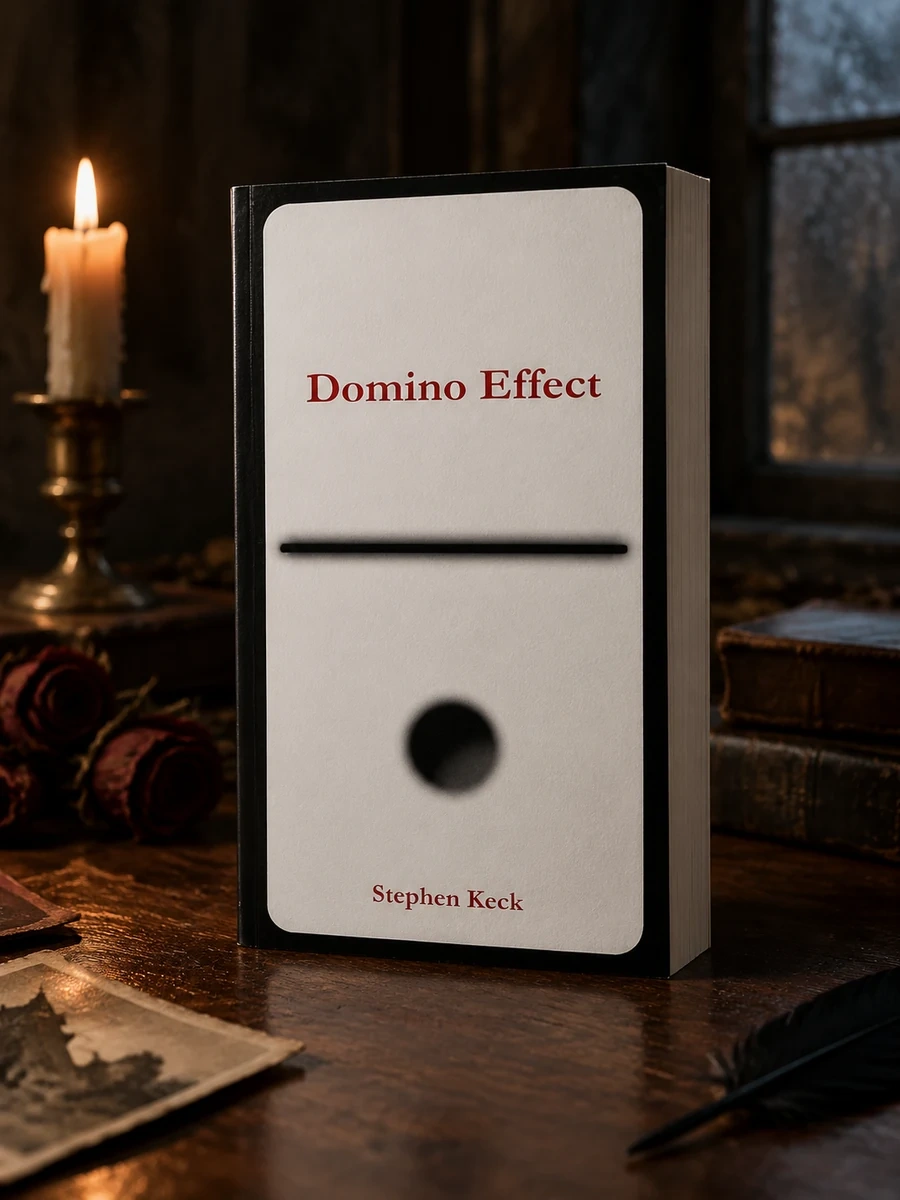
Domino Effect
A high school graduate warns friends they will die in a predicted order after saving them from a tsunami.
The narrative follows Trevor Van Pelt and his circle after a near-disaster at the beach. Their survival seems miraculous until the memorial service, which triggers a chain of events where death claims each person in the exact order Trevor foresaw. The tension arises not from the deaths themselves, but from Trevor's futile attempts to communicate the truth to his peers. His friends reject his warnings, reacting with anger and denial instead of belief. This refusal to accept reality accelerates their demise. The story examines how a single traumatic event can warp perception and isolate an individual from their community. It is a study in fatalism where knowledge provides no power to change the outcome, only the burden of witnessing it unfold.
This work sits within the tradition of American supernatural fiction published in the mid-2010s. It reflects a period where independent publishers like Lulu.com allowed authors to release genre stories outside major commercial channels. The setting of post-graduation beach trips anchors it in contemporary youth culture, contrasting with the timeless nature of its horror elements.


📝 Description: Domino Effect
💎 Our verdict on Domino Effect
📖 Why choose it
Why this book is worth reading
Readers who appreciate atmospheric dread and psychological isolation over action-packed thrills will find value here. This book suits those interested in the mechanics of fate and the terror of helplessness, offering a study on how trauma warps perception. It is ideal for fans of stories where knowledge provides no power to alter outcomes, only the burden of witnessing inevitable tragedy unfold through a lens of fatalistic recurrence.
⭐ Reader reviews
Reader rating
Keck constructs a tense narrative centered on the isolation of prophetic knowledge and the futility of fighting destiny. The strength lies in its structural precision, mapping a chain of events where death claims friends in a predetermined order, amplifying dread through the protagonist's futile warnings. While character development is secondary to the plot's mechanical execution, the tone effectively conveys psychological horror. It best suits readers who enjoy classic supernatural tales and fatalism, though those seeking hopeful resolutions or deep emotional arcs may find the experience cold and detached.