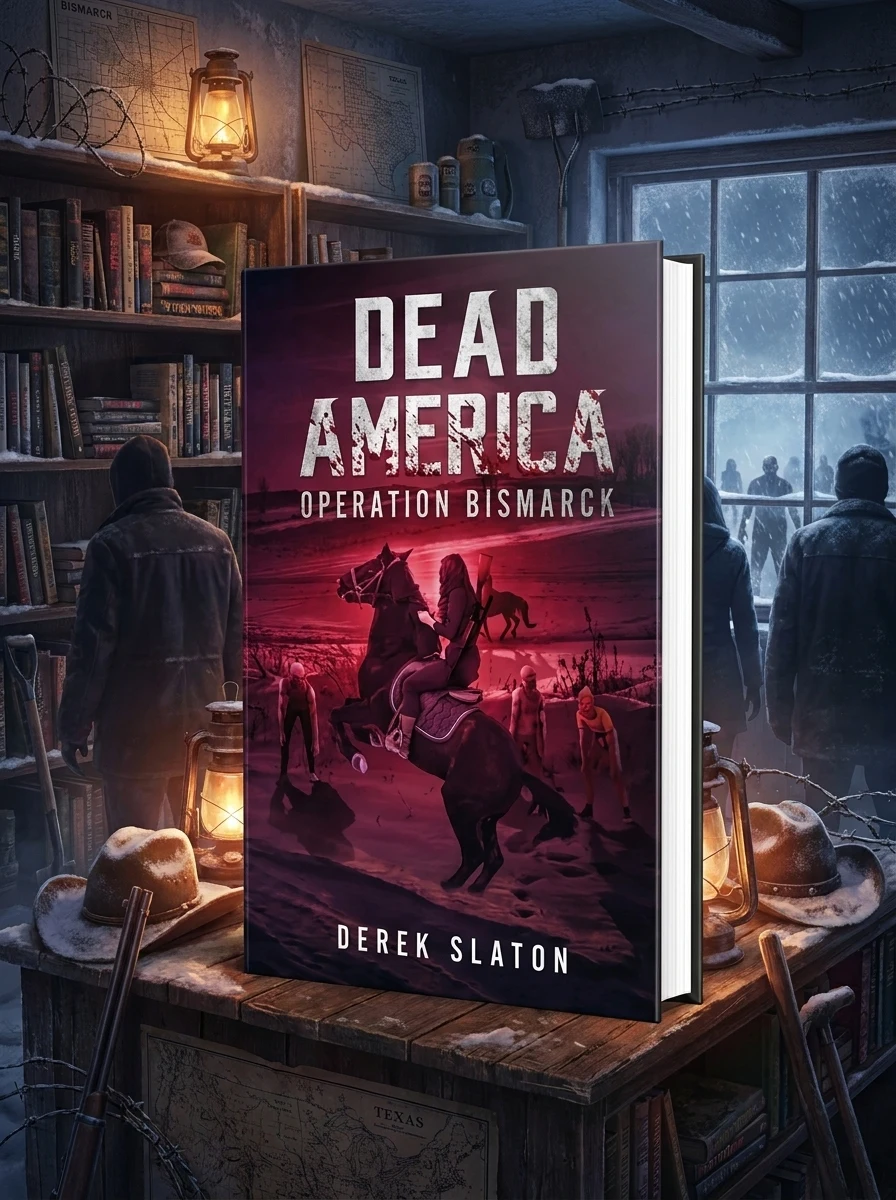
Dead America: Operation Bismarck
A regional account of ranchers defending against a zombie horde in North Dakota.
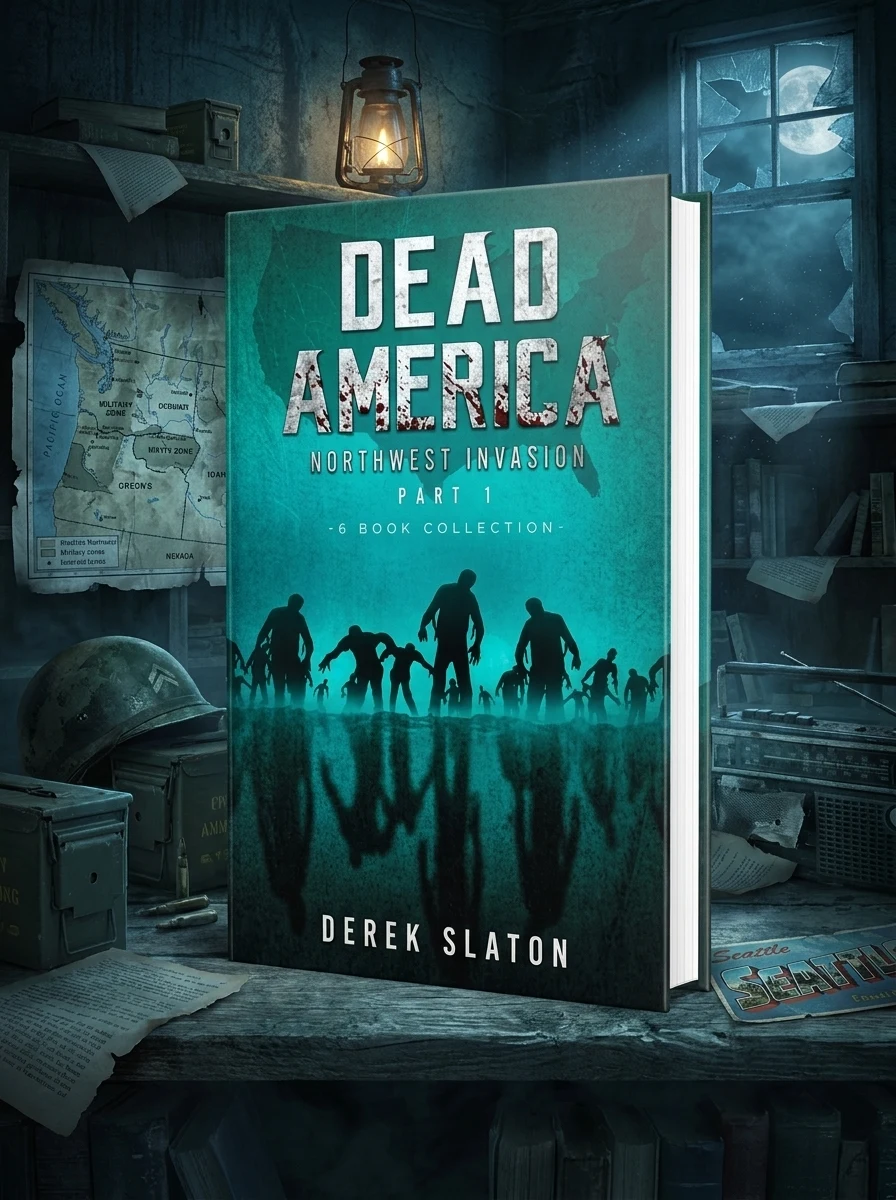
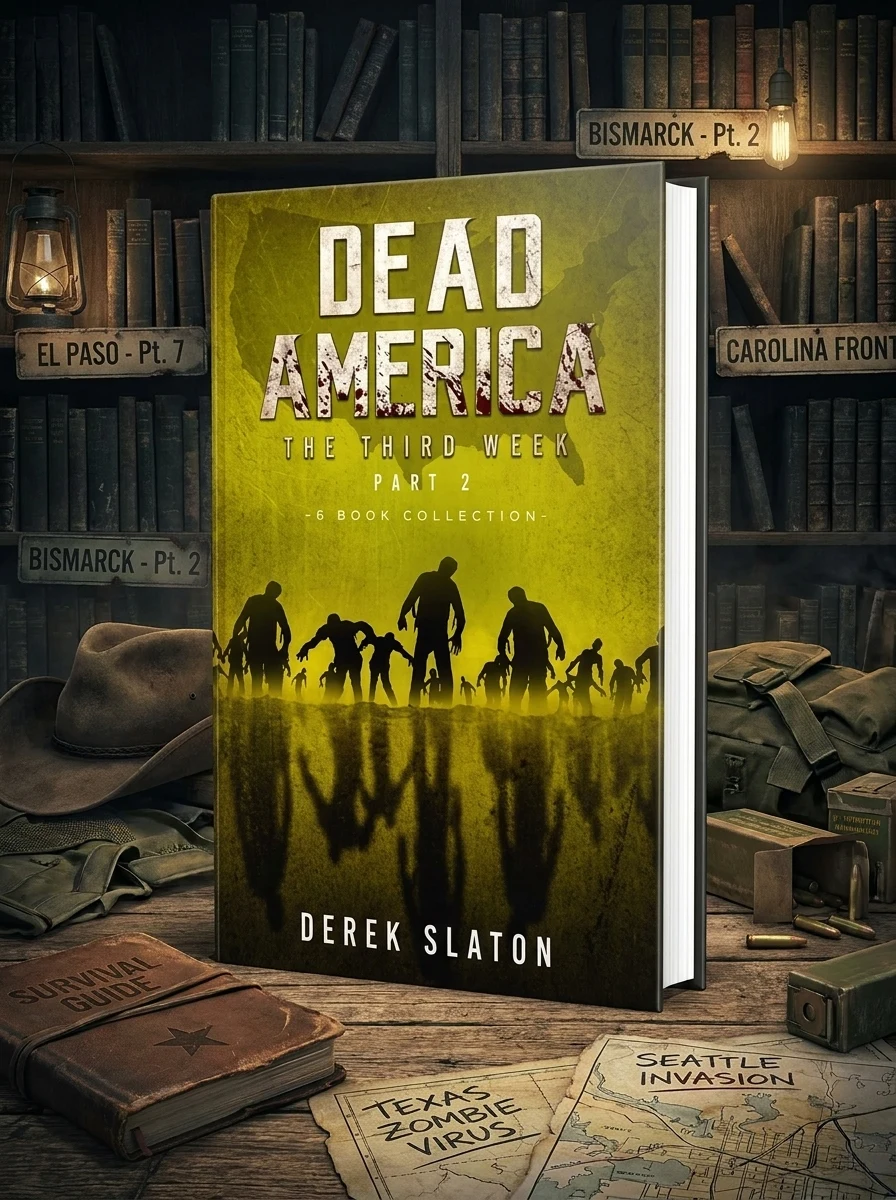
Slaton writes about the initial phase of a national crisis triggered by events in Texas. The narrative shifts focus to Bismarck, where local ranchers coordinate a containment strategy. They rely on weather conditions to impede the undead advance while preparing for a massive confrontation. The text details how individual communities respond to the spreading infection. It provides a ground-level view of the chaos rather than a high-level political overview. The story tracks the efforts to keep the horde contained within specific boundaries. This perspective highlights the vulnerability of rural populations during the early stages of the outbreak.
The book sits within the contemporary horror genre, specifically focusing on supernatural fiction and gothic themes. It addresses the immediate aftermath of a fictional national emergency in the United States, reflecting anxieties about community safety and isolation during a widespread catastrophe.


📝 Description: Dead America: Operation Bismarck
💎 Our verdict on Dead America: Operation Bismarck
📖 Why choose it
Why this book is worth reading
Readers interested in regional survival narratives within the supernatural fiction genre will find this book particularly engaging. It appeals to those who enjoy detailed accounts of community defense strategies during apocalyptic events, offering a ground-level view of chaos rather than high-level political overviews. The text highlights the vulnerability of rural populations, making it ideal for fans of dark fantasy and true crime aesthetics who prefer grim tones over lighthearted comedy or romance. It suits those seeking to understand how individual communities respond to spreading infections, providing a focused look at containment efforts and the clash between local defenders and overwhelming forces.
⭐ Reader reviews
Reader rating
Slaton delivers a gritty examination of rural resilience against an undead threat, focusing on the tactical coordination of ranchers in North Dakota. The narrative effectively utilizes weather conditions as a plot device to impede the horde, adding a layer of environmental tension to the physical combat. By avoiding political grandstanding, the book maintains a tight, claustrophobic atmosphere that emphasizes immediate survival needs. This approach resonates with readers who prefer visceral, localized horror over expansive world-building. The emphasis on the disparity between fifty defenders and fifty thousand zombies creates a compelling sense of desperation. It is best suited for audiences who appreciate strategic survival details and the specific subgenre of regional apocalyptic fiction.