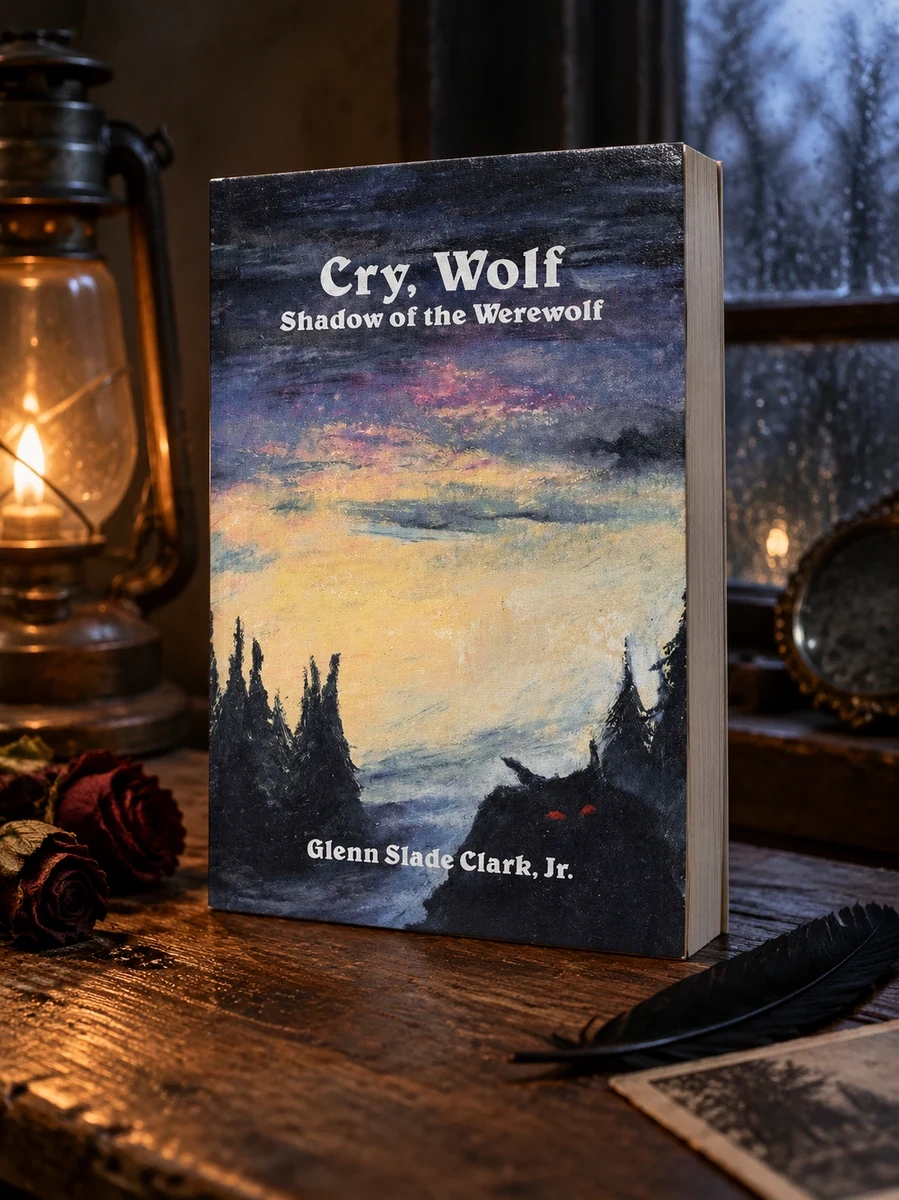
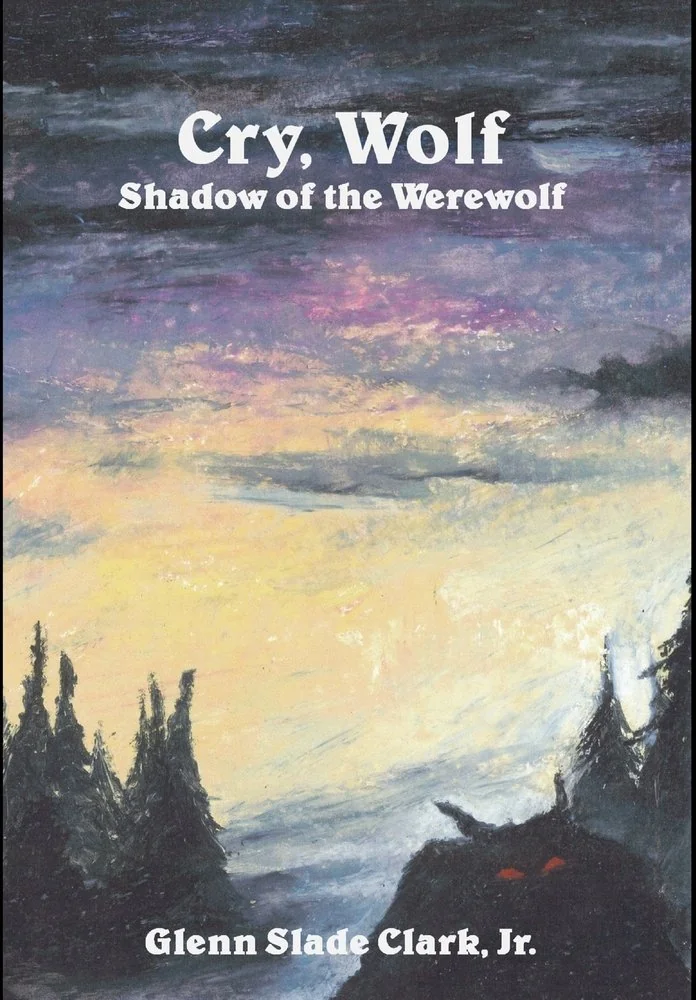
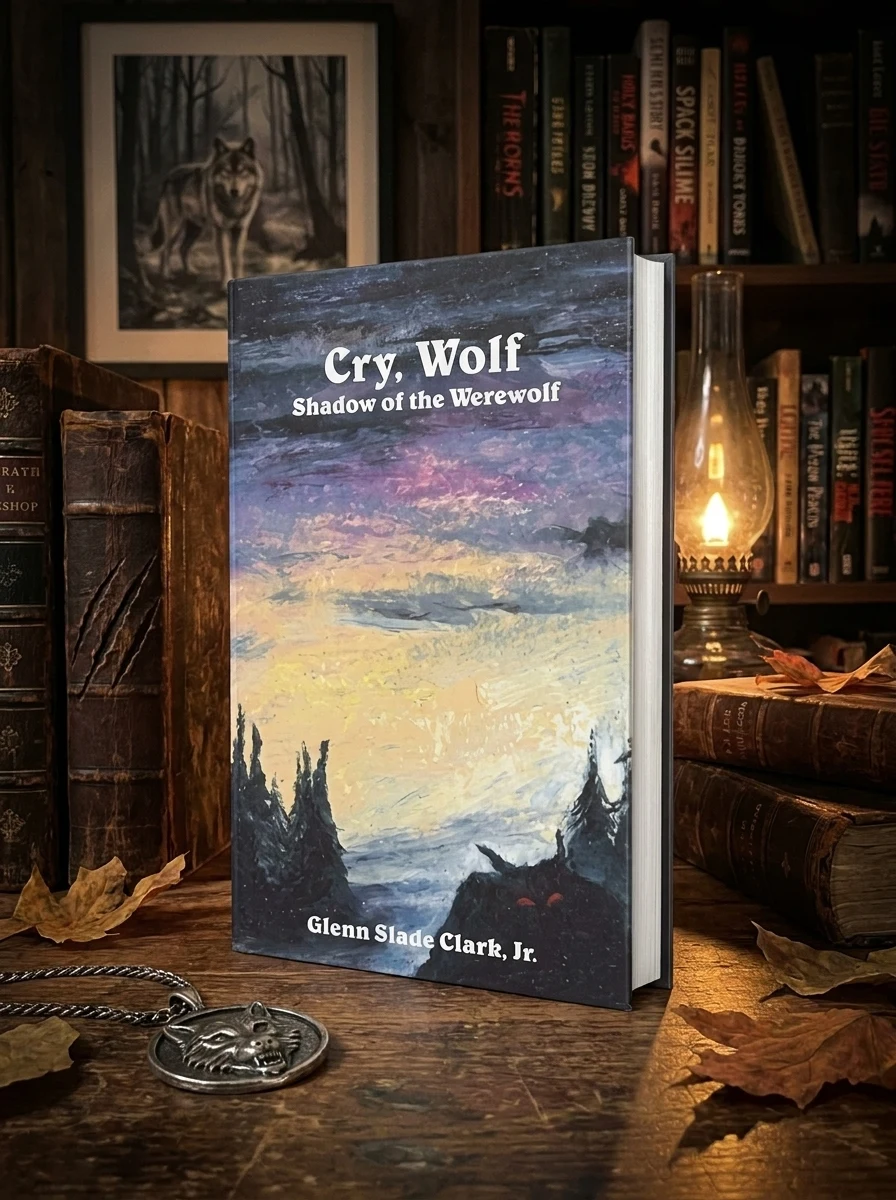
Cry, Wolf: Shadow of the Werewolf
A teenager battles a werewolf curse in a Texas town with a dark history.
Clark examines the legacy of Nightfire, Texas, where survivors used hidden knowledge to protect their community from beasts for over a century. When that protection fails due to Daniel’s actions, the dormant blood of the werewolf returns. The author explores how ancient threats resurface when modern safeguards break down. The text highlights the tension between spiritual faith and primal instinct. Clark structures the narrative around Daniel’s loss of control. This approach offers a close look at personal horror rather than broad societal collapse. Readers seeking detailed historical context about Texas folklore might find the scope limited to this specific family lineage.
The story is set in Nightfire, Texas, starting in August of 1850. It spans one hundred forty-seven years of secrecy before returning to the present day. The narrative draws on American gothic traditions and supernatural horror tropes centered on rural isolation and inherited sins.


📝 Description: Cry, Wolf: Shadow of the Werewolf
💎 Our verdict on Cry, Wolf: Shadow of the Werewolf
📖 Why choose it
Why this book is worth reading
Readers who enjoy character-driven supernatural tales will find this book compelling due to its intense focus on internal psychological conflict rather than broad societal collapse. It appeals specifically to fans of gothic fiction and inherited curses, offering a deep dive into the struggle between divine trust and monstrous instinct. Those interested in the specific subgenre of werewolf lore grounded in Texas history may appreciate the detailed examination of how ancient threats resurface when modern safeguards fail. The narrative offers a close look at personal horror, making it suitable for audiences who prefer tight, focused storytelling over expansive world-building or urban fantasy settings.
⭐ Reader reviews
Reader rating
Clark delivers a tightly focused narrative that prioritizes personal horror over grand scale, effectively grounding supernatural elements in psychological tension. The book excels in exploring the protagonist's descent and the historical weight of family lineage, creating a claustrophobic atmosphere appropriate for gothic fiction. It is best suited for readers who value detailed internal conflict and religious undertones within their horror stories. While it may disappoint those seeking extensive Texas folklore context or urban fantasy tropes, it succeeds as a study of loss of control. The emphasis on spiritual faith versus primal instinct provides a refreshing layer to the werewolf genre, offering depth beyond simple monster chasing.
📖 Read on the blog
✍️ More books by this author Glenn Slade Clark


🏛 Books from this publisher Clark Ink, LLC
You might also like
See more →


Have a question about this item?
Ask about the edition, condition, delivery or anything else — we reply by email or phone, usually within a day.
