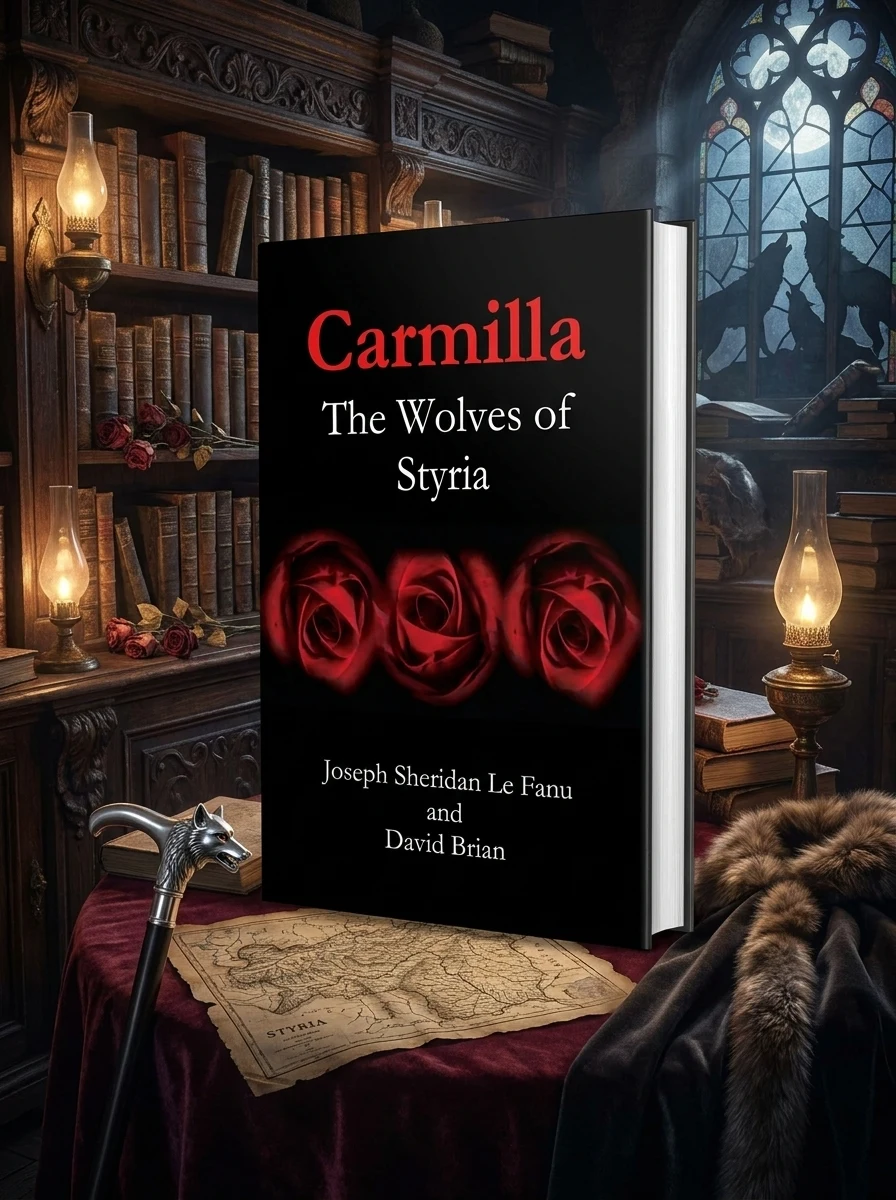

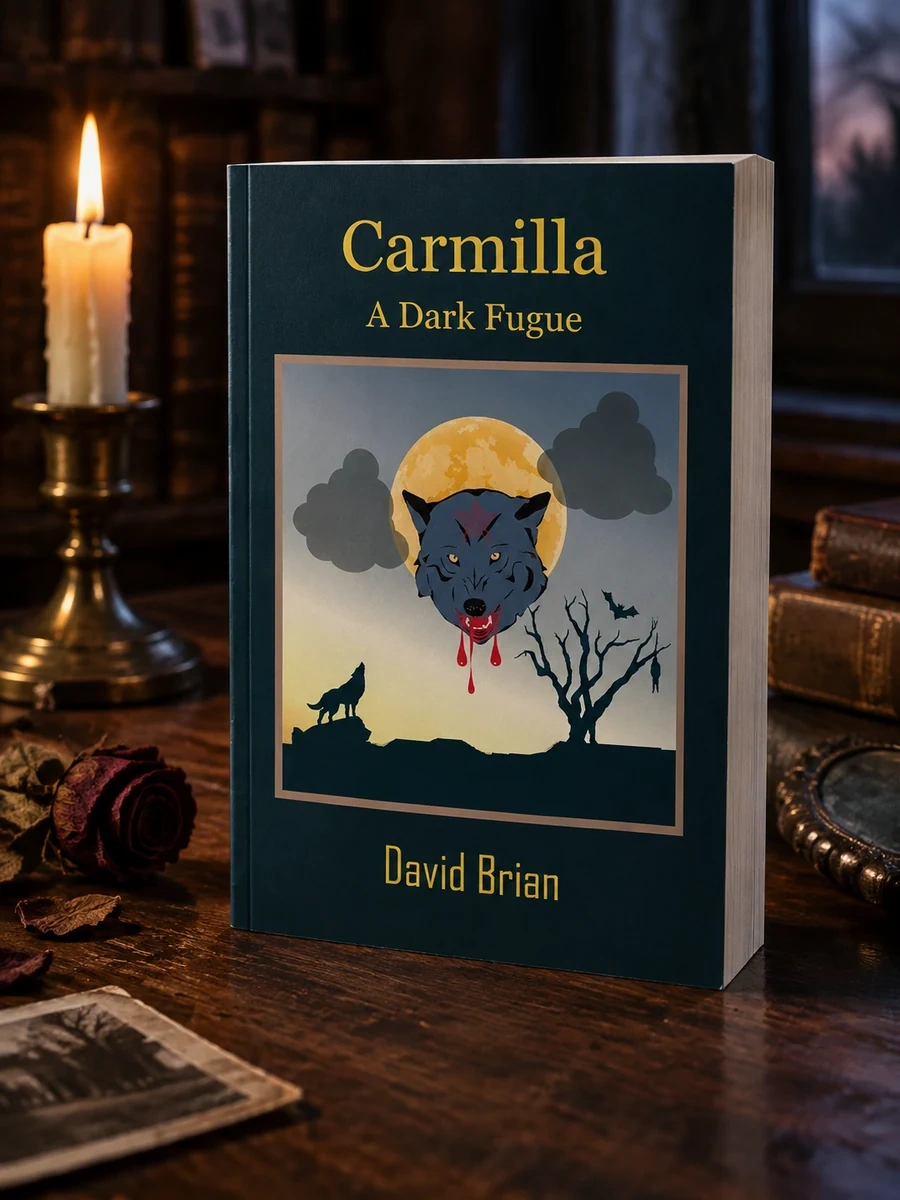
Carmilla: The Wolves of Styria
A reimagined Gothic mystery expanding Le Fanu's Carmilla with new characters and taboo themes.
This work diverges from Joseph Sheridan Le Fanu’s original text by introducing an array of new characters while keeping much of the narrative framework. Set in 1860s Styria, it follows two young women whose bond threatens social norms as they face mysterious deaths and wolf attacks. Brian expands on the original legend by addressing subjects considered taboo in the 1800s. The story builds toward a confrontation between ancient evils, offering a different version of the Carmilla mythos. This approach brings fresh horror and tragedy to the familiar tale without altering the core historical setting or the fundamental conflict between the protagonists and the supernatural forces at play.
This book sits within the tradition of Gothic fiction established by Joseph Sheridan Le Fanu. It references the period before Bram Stoker’s Dracula publication, set in 1860s Styria. The work engages with themes considered taboo in the 1800s while reimagining a classic legend for modern readers.


📝 Description: Carmilla: The Wolves of Styria
💎 Our verdict on Carmilla: The Wolves of Styria
📖 Why choose it
Why this book is worth reading
Readers interested in the evolution of vampire lore and Gothic mysteries will appreciate this fresh perspective on a familiar legend. This book is ideal for those who enjoy reimagined classics that expand upon original narrative frameworks while introducing new characters and taboo subjects. It offers a distinct take on the Carmilla mythos, focusing on the growing horror surrounding protagonists in a 1860s Styrian setting. Those seeking to explore darker territories within the period atmosphere established by Le Fanu will find value here, particularly if they are curious about supernatural themes that diverge from strict adherence to source texts.
⭐ Reader reviews
Reader rating
Brian successfully reimagines Le Fanu’s classic by expanding horror elements and addressing subjects taboo in the 1800s. The narrative retains the core mystery while introducing new characters whose bond threatens social norms, creating a compelling atmosphere of tragedy and supernatural dread. This approach brings fresh horror to the familiar tale without altering the fundamental conflict between protagonists and ancient evils. It suits readers who enjoy reimagined classics and those curious about the evolution of vampire lore before Dracula. However, it may disappoint those preferring strict adherence to the original text or those uncomfortable with taboo themes, as the divergence is significant.
📖 Read on the blog
✍️ More books by this author David Brian
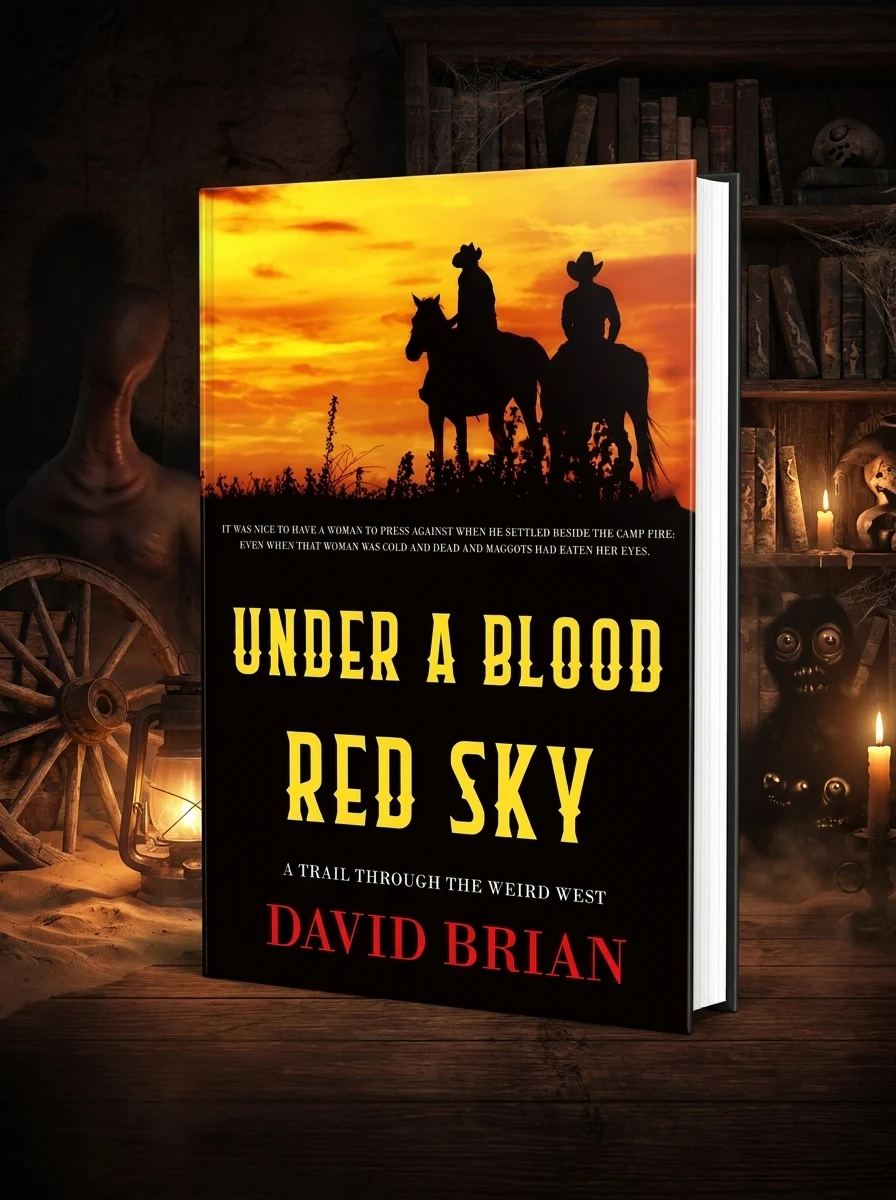


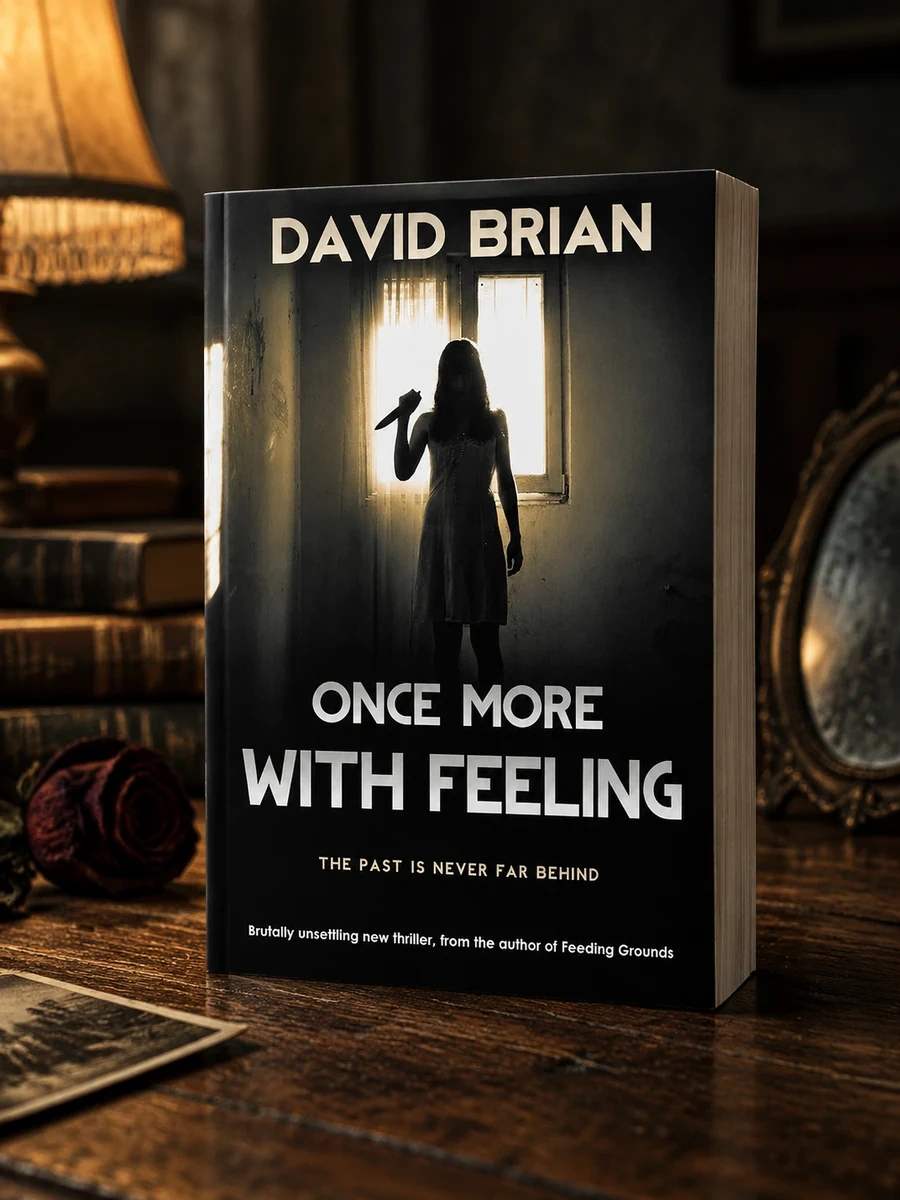
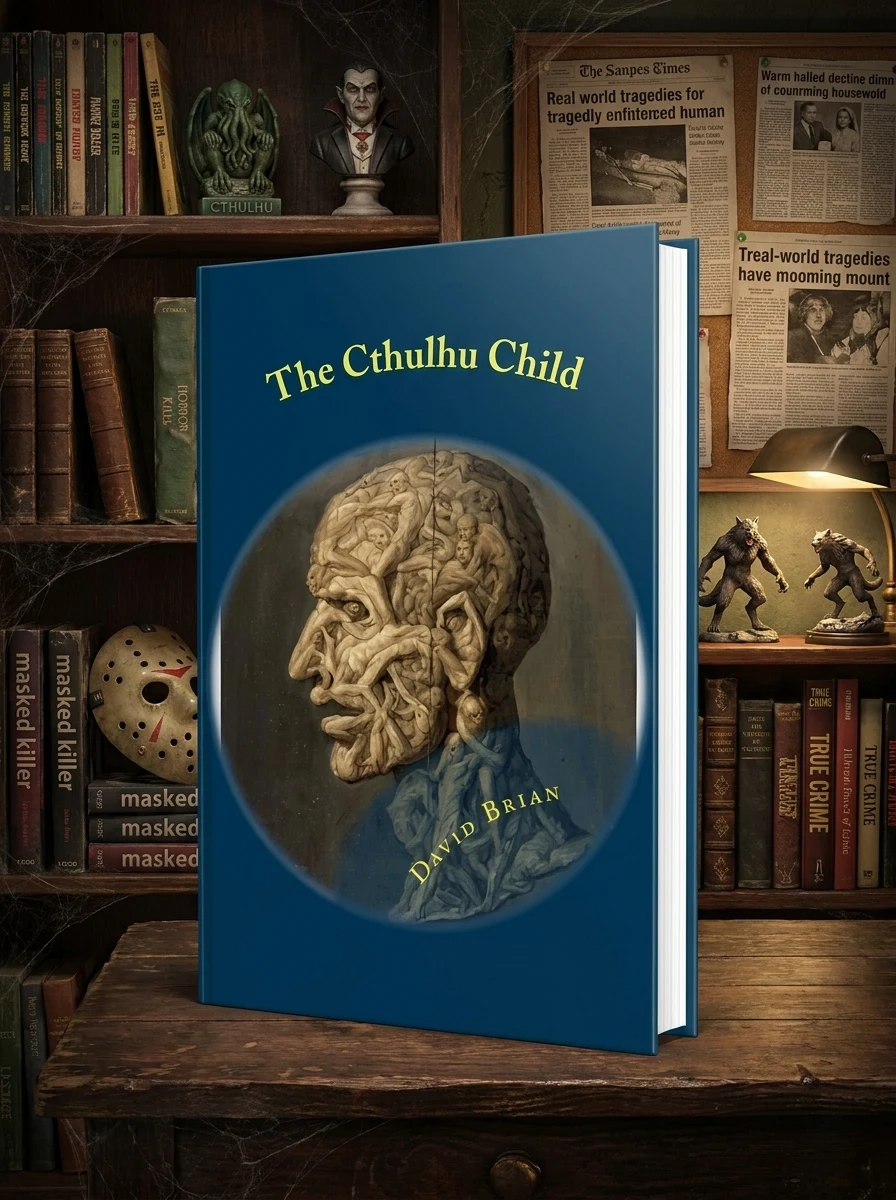
🏛 Books from this publisher Createspace Independent Publishing Platform

You might also like
See more →

Have a question about this item?
Ask about the edition, condition, delivery or anything else — we reply by email or phone, usually within a day.
