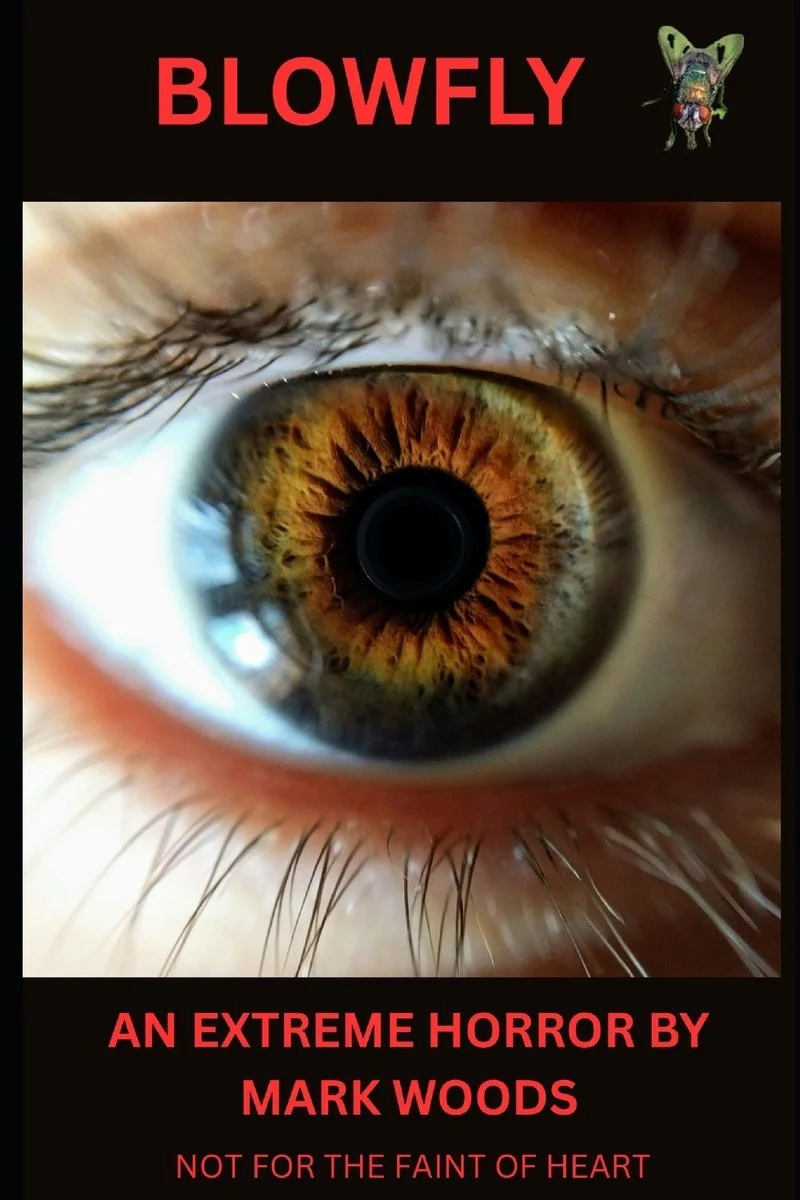
Blowfly
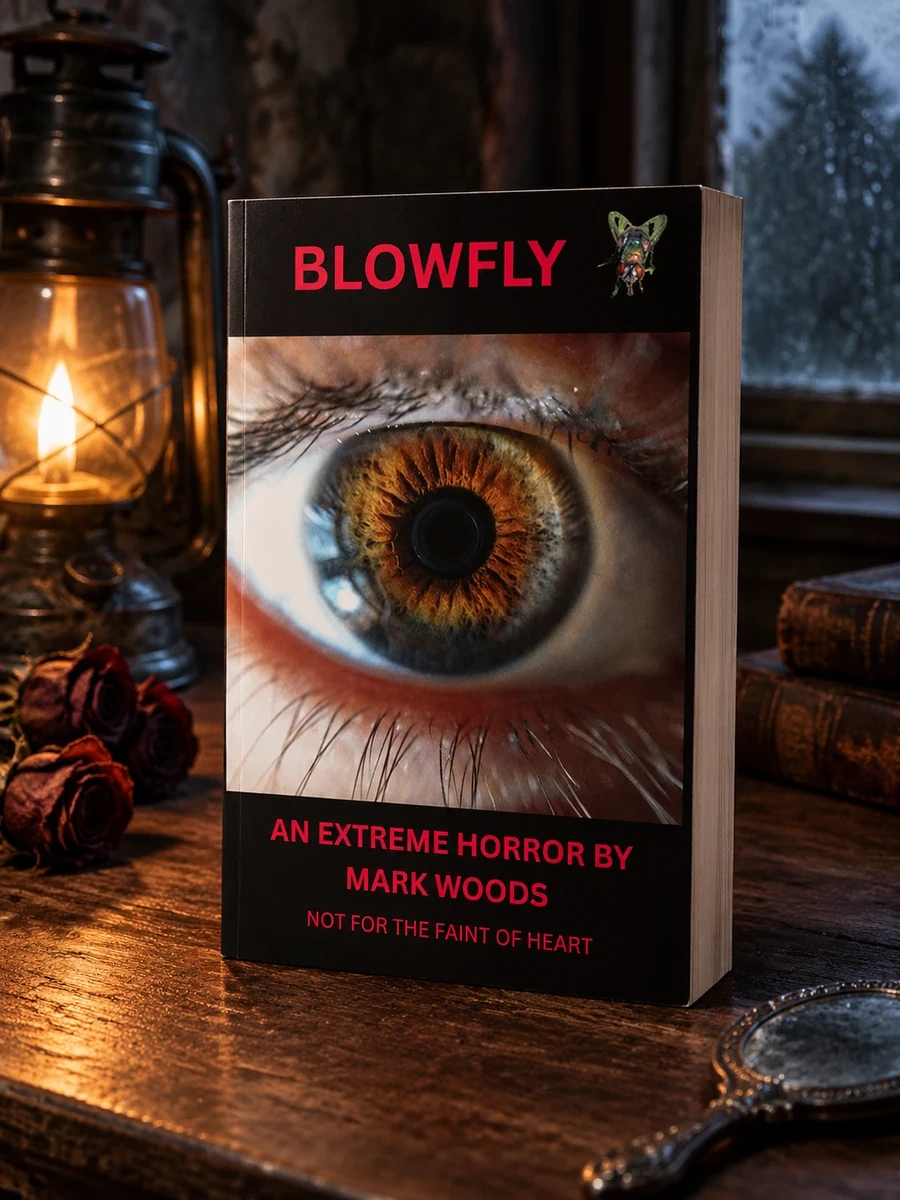
A chilling tale of abuse and biological horror triggered by contaminated food.
The narrative follows Annabelle and Frank, who suffer after eating a chili with blowfly eggs. This incident serves as the catalyst for the ensuing terror. Woods examines the intersection of marital cruelty and grotesque physical transformation. The story does not offer redemption or escape from their predicament. Instead, it immerses the reader in the relentless progression of the infestation. The author prioritizes shock value and visceral imagery over character development. Readers will encounter a stark portrayal of helplessness against biological forces. The text demands attention to detail regarding the consequences of their actions. It is a compact exploration of pain and violation without moralizing.
This 2025 release by Mark Woods sits within the contemporary extreme horror landscape. It appeals to US readers seeking unflinching supernatural fiction. The work aligns with traditions of visceral terror that prioritize shock over subtlety.


📝 Description: Blowfly
💎 Our verdict on Blowfly
📖 Why choose it
Why this book is worth reading
Readers seeking an unflinching descent into biological terror will find this narrative compelling. It appeals to those who enjoy horror that prioritizes visceral impact and shock value over traditional character arcs or moral redemption. The book offers a stark, uncompromising exploration of helplessness against physical violation, making it suitable for fans of extreme horror who tolerate graphic depictions of suffering. It provides a intense experience for those willing to confront the intersection of domestic cruelty and grotesque transformation without the comfort of a hopeful resolution.
⭐ Reader reviews
Reader rating
Woods delivers a relentless narrative focused on the physical and psychological deterioration of its protagonists following accidental contamination. The text excels in maintaining a consistently dark tone, prioritizing shock value and visceral imagery over nuanced character development. It serves as a compact exploration of pain and violation, demanding attention to detail regarding the consequences of infestation. This work is best suited for readers with high tolerance for discomfort who seek intense, bodily horror. It avoids moralizing, offering instead a stark portrayal of helplessness that challenges the reader's limits. The story does not shy away from graphic aftermaths, ensuring a memorable and unsettling experience for its specific target audience.