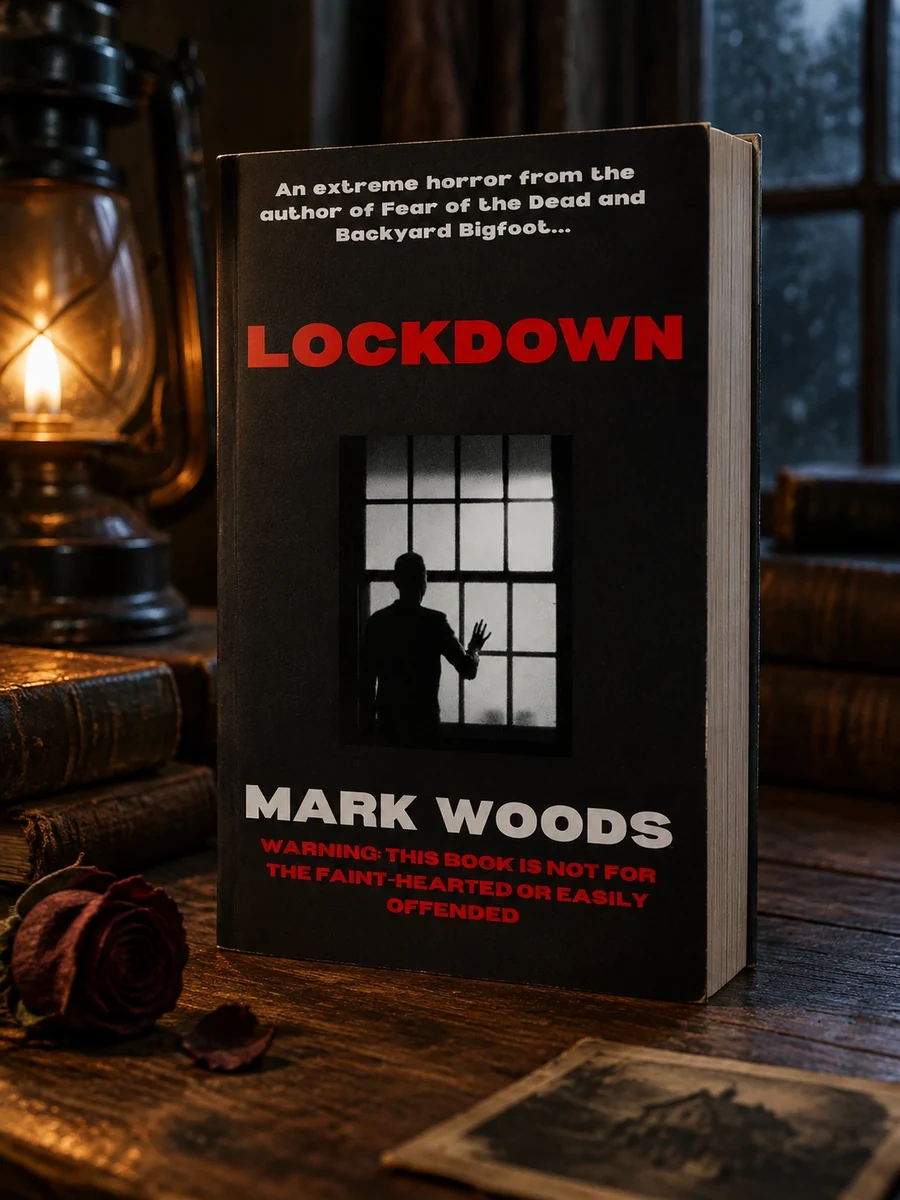
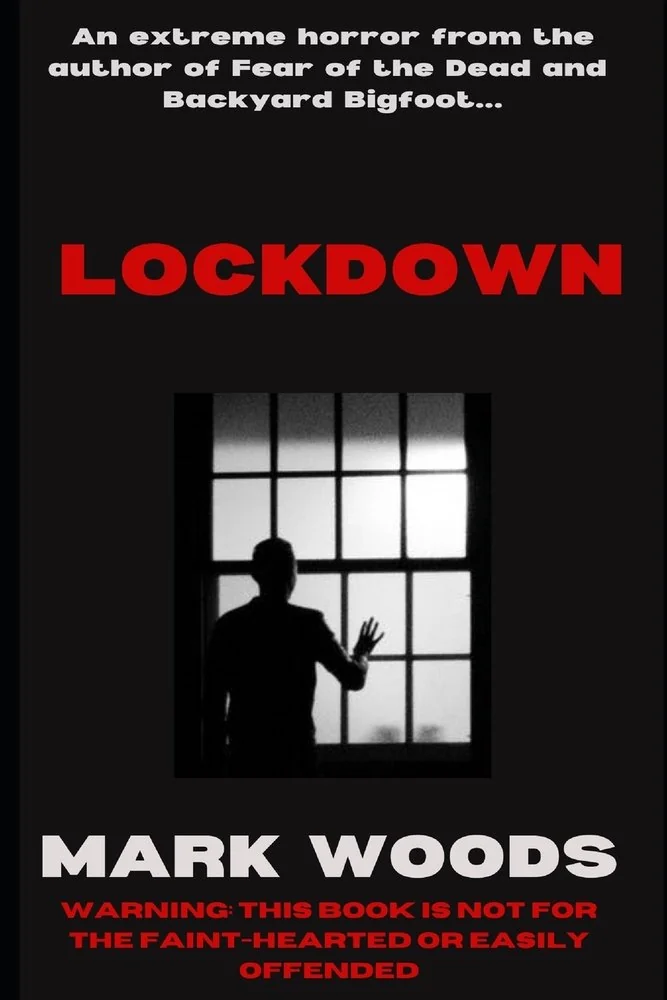
Lockdown
A couple faces lethal challenges while trapped in their home during lockdown.
Woods explores the intersection of domestic confinement and digital cruelty. By placing ordinary individuals in an extraordinary predicament, he highlights how technology can amplify human suffering. The lack of escape routes creates a claustrophobic atmosphere that permeates every scene. Readers witness the gradual erosion of hope as the couple realizes their plight is being watched by strangers who derive pleasure from their pain. This approach critiques the desensitization caused by online consumption of violence.
Published in 2021, this novel reflects the global anxiety surrounding lockdowns and home isolation. It taps into the specific cultural fear of being trapped within one's own space while simultaneously being exposed to a digital audience. The work engages with contemporary discussions about online anonymity and the ethics of viewing suffering as entertainment.


📝 Description: Lockdown
💎 Our verdict on Lockdown
📖 Why choose it
Why this book is worth reading
This book serves readers who crave visceral, high-stakes thrillers rooted in modern fears regarding surveillance and the violation of domestic safety. It appeals to those interested in how technology amplifies human suffering and the erosion of hope under extreme duress. The narrative offers a raw exploration of fear mechanics, making it suitable for audiences willing to endure distressing content without seeking comfort or resolution. It is ideal for individuals fascinated by the intersection of confinement and digital cruelty, providing a stark critique of online desensitization to violence.
⭐ Reader reviews
Reader rating
Woods delivers a claustrophobic examination of isolation where domestic safety is systematically dismantled. The narrative effectively utilizes the premise of an unseen audience to heighten tension, transforming private suffering into public entertainment. While the lack of escape routes creates a suffocating atmosphere that permeates every scene, the book demands resilience from its audience. It succeeds in critiquing voyeurism but offers no emotional relief. This title is best suited for hardened horror enthusiasts who appreciate psychological erosion and modern anxieties over traditional scares or hopeful endings.