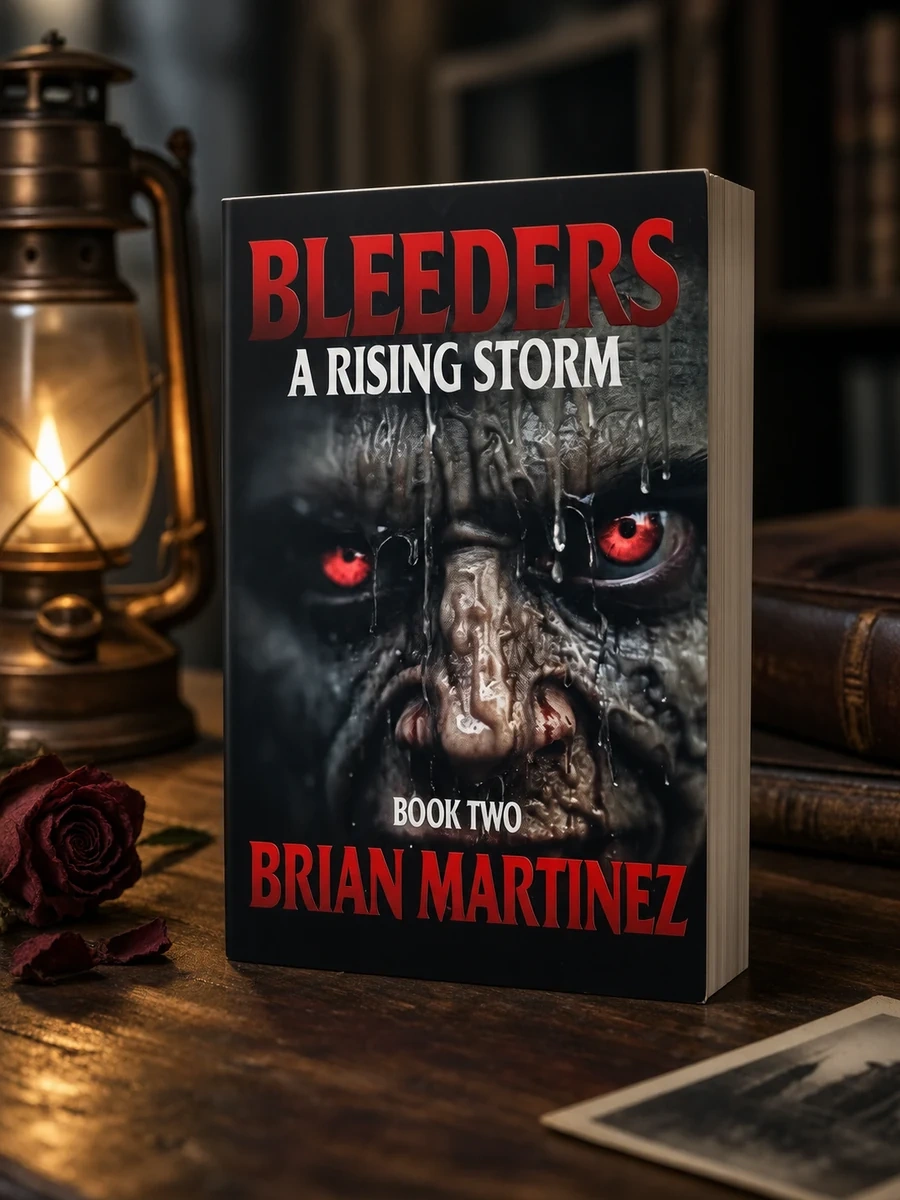
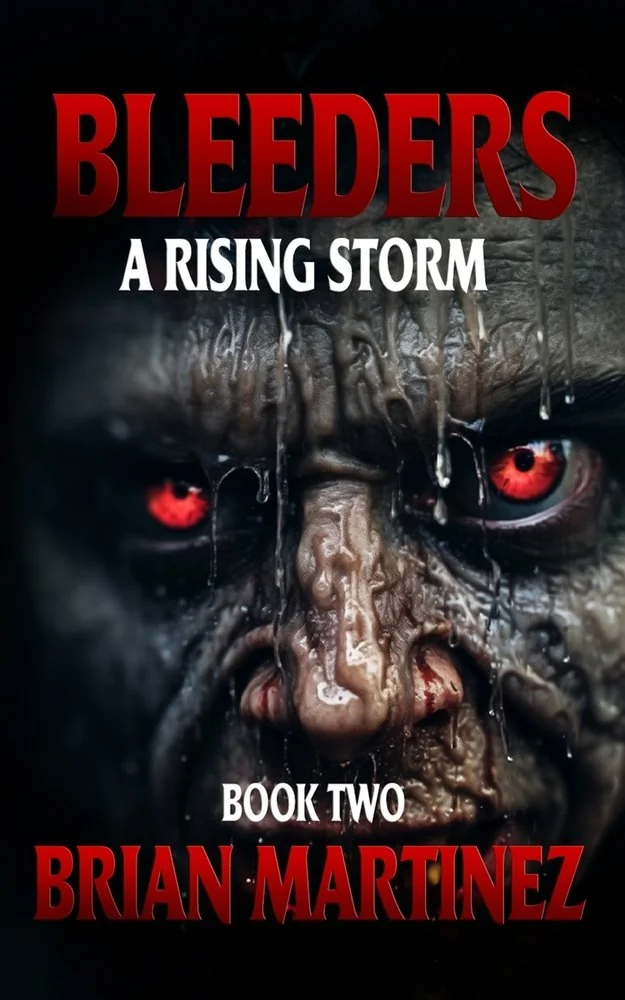
Bleeders: Book 2, A Rising Storm
A sequel following two infected men fleeing a ruined city with new companions.
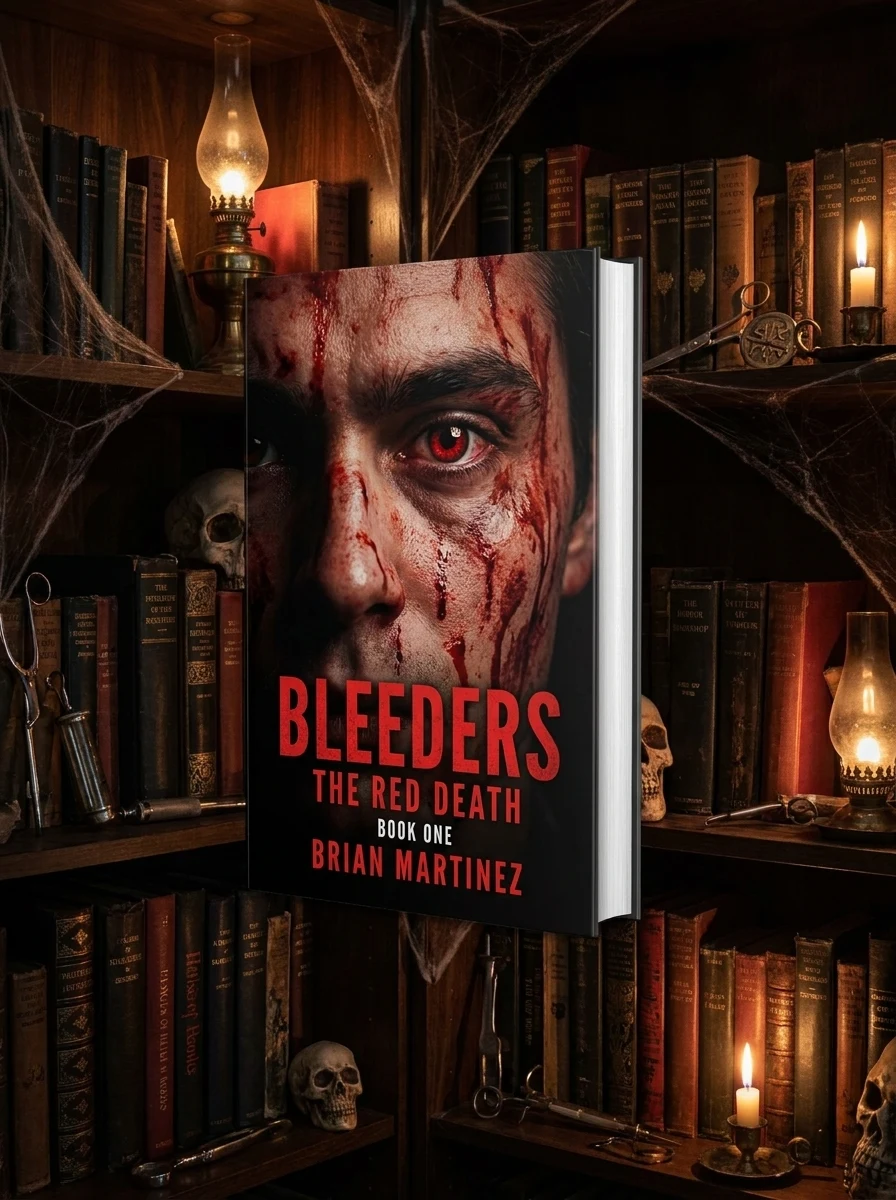
This volume continues the saga started in The Red Death. It follows Brody and Jeremiah as they navigate a hostile landscape while managing their own deteriorating mental states. Their red eyes mark them as different, creating friction with the survivors they rescue. The plot moves from New York City toward a food bank, encountering military threats and cult activity along the route. Martinez explores the psychological toll of survival and the erosion of trust in desperate times. The story emphasizes the internal conflict of characters who are both victims and potential threats to others.
Published independently in 2018, this work sits within the contemporary zombie apocalypse subgenre. It reflects modern anxieties about disease and societal collapse. The setting of a ruined New York City grounds the supernatural elements in a recognizable American landscape.


📝 Description: Bleeders: Book 2, A Rising Storm
💎 Our verdict on Bleeders: Book 2, A Rising Storm
📖 Why choose it
Why this book is worth reading
Readers who enjoy character-driven survival fiction with supernatural elements will find this sequel compelling for its exploration of trauma and identity. It suits those interested in the psychological toll of infection, where victims become potential threats. Fans of gothic horror and dark fantasy appreciate the erosion of trust and internal conflict depicted here. Those seeking lighthearted adventure may find the ambiguity unsettling, but it offers a nuanced look at what is worse: the infected or survivors.
⭐ Reader reviews
Reader rating
Martinez effectively continues the saga by focusing on Brody and Jeremiah’s deteriorating mental states as they flee New York. The narrative excels in portraying the tension between infected individuals and human survivors, highlighting how trauma alters personality after supernatural events. By incorporating military threats and cult activity, the story deepens its examination of desperation. It appeals best to readers who appreciate dark, ambiguous storytelling over clear moral binaries. The book avoids easy answers, offering a gritty look at survival where trust is fragile and danger is omnipresent.