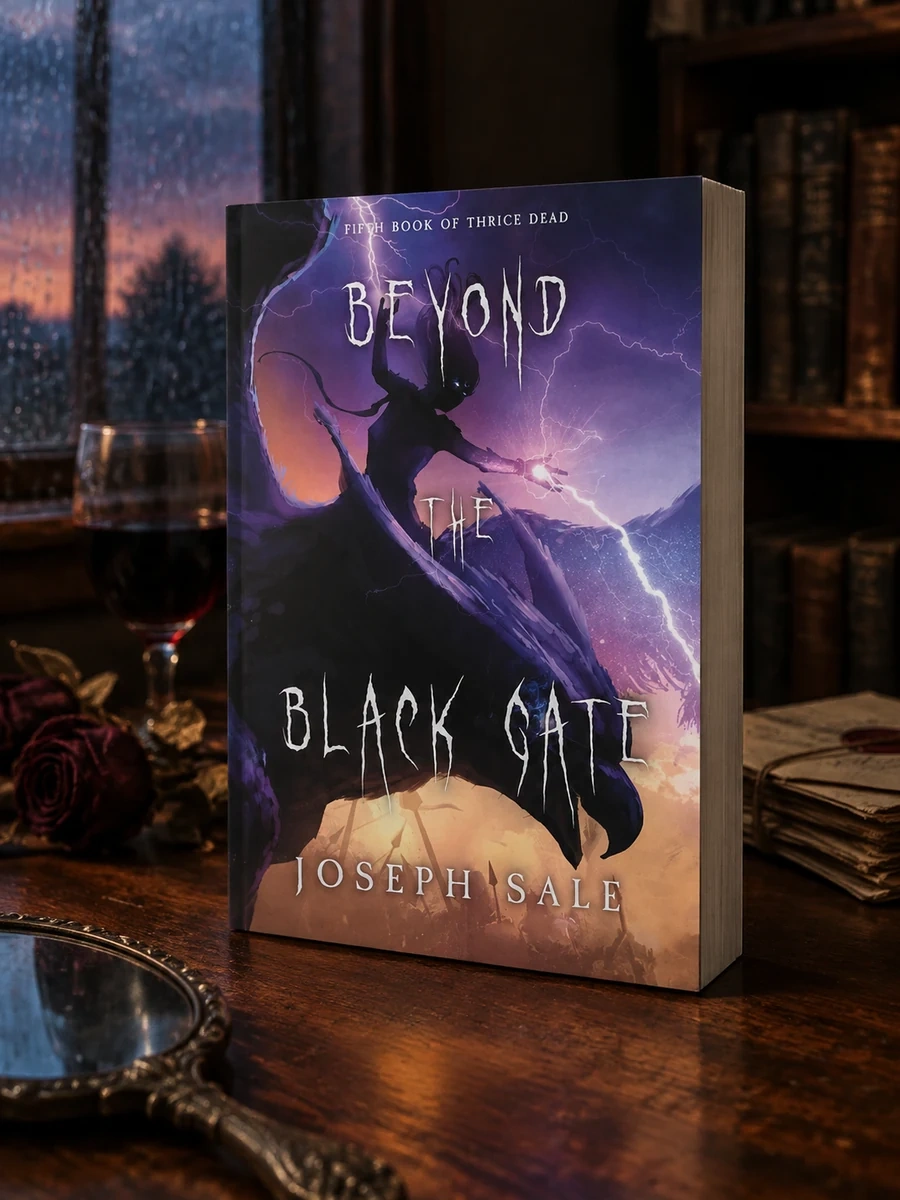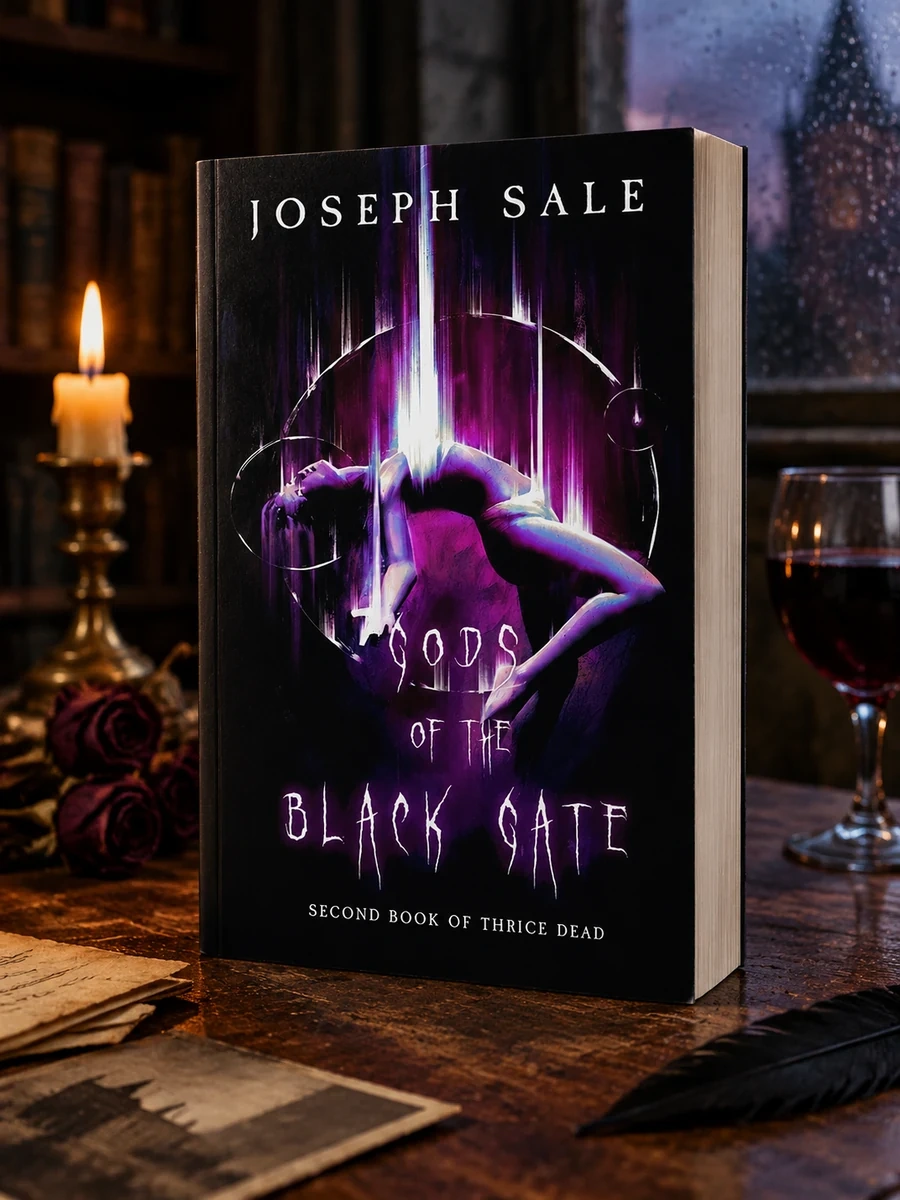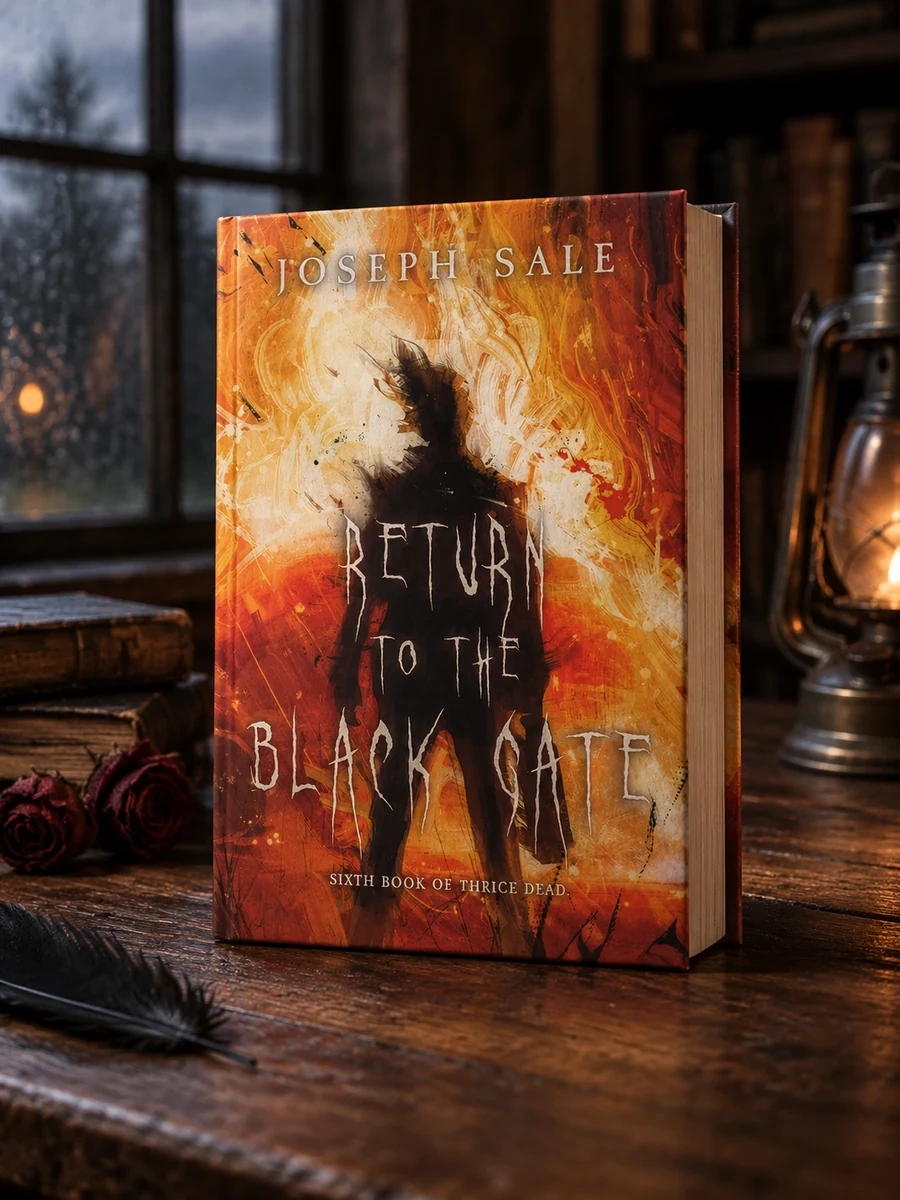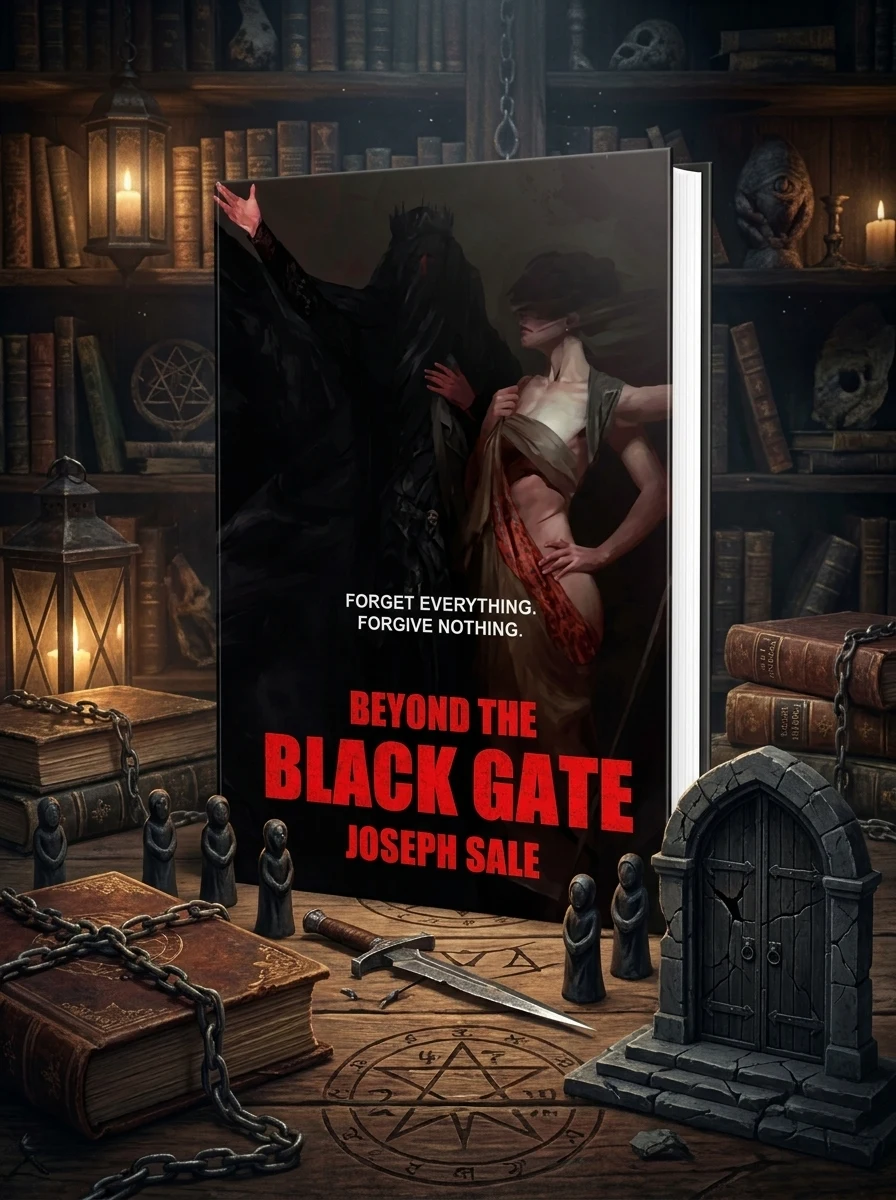
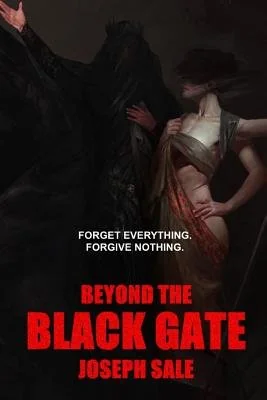
Beyond the Black Gate
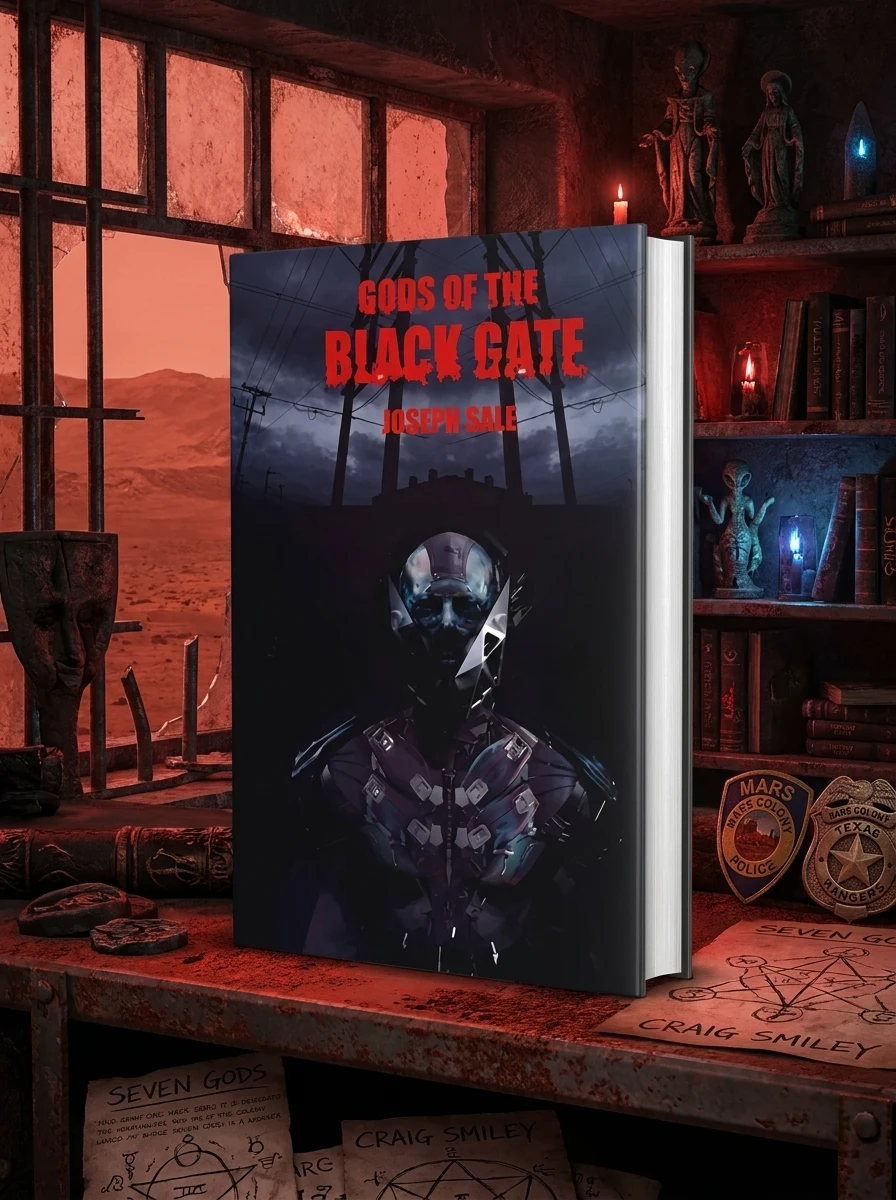
Craig Smiley seeks revenge against the gods who betrayed him in this dark fantasy sequel.
The narrative follows Craig Smiley after his betrayal by the seven dark gods he served. Transported to a realm beyond the Black Gate, he pursues a path of vengeance. The text examines his transformation from a killer acting for deities to one killing them. This shift drives the plot toward a final confrontation. Sale avoids complex world-building in favor of character-driven conflict. The story remains focused on Smiley’s internal and external struggles against his former masters. Readers will find a straightforward progression from sacrifice to retribution. The tone remains consistent with the previous installment, maintaining the grim atmosphere established earlier.
This 2019 publication by Lulu.com fits within the modern horror and supernatural fiction market. It appeals to American readers who enjoy serialized dark fantasy narratives involving mythological conflict and gothic elements.


📝 Description: Beyond the Black Gate
💎 Our verdict on Beyond the Black Gate
📖 Why choose it
Why this book is worth reading
Readers seeking a focused, character-driven narrative within the dark fantasy and cosmic horror genres will find this title compelling. It appeals to those who enjoy stories where the protagonist’s internal struggle against former masters drives the external conflict. The book is ideal for fans of straightforward plots that prioritize vengeance over complex world-building. Those interested in the psychological transformation from a killer acting for deities to one killing them will appreciate the consistent grim atmosphere. It serves as a direct continuation for existing followers of Craig Smiley’s journey, offering retribution without unrelated subplots or lighthearted adventure.
⭐ Reader reviews
Reader rating
Joseph Sale delivers a tight narrative centered on Craig Smiley’s quest for vengeance against the seven dark gods who betrayed him. The strength lies in its focus on character-driven conflict rather than intricate world-building, allowing the grim atmosphere to remain consistent with previous installments. Smiley’s evolution from a tool of the gods to their executioner provides a clear, satisfying arc toward retribution. This approach suits readers who prefer direct progression and internal struggles over complex lore. It is best for enthusiasts of gothic themes and divine retribution who value atmospheric tension and a straightforward examination of betrayal. The book avoids historical documentation, relying instead on established mythological tropes to explore the consequences of serving dark entities.